

Intercom

RTS BP-325 Beltpack

RTS·Model BP-325·rts-bp-325

Rack accessory — no faceplate visual.

About the RTS BP-325

The RTS BP-325 is a two-channel beltpack on RTS's analog partyline standard — clip it to a belt, plug a headset in the front, and you're on the comms ring. Two listen-talk paths means an SM can monitor both lighting and audio worlds without swapping packs. Powered over the partyline pair from a main station like the RTS BTR-800 or a Telex MCS-325. Backstage staple at theatres + arena tours.

The BP-325 is a two-channel analog partyline beltpack — the piece of kit that puts a stage manager, fly rail op, or lighting board op on the comms ring without asking them to think about it. Clip it on, plug in a 4-pin XLR headset, and they're talking. The two independent channels are the real point here: one pack can simultaneously hold a place on both the audio world and the lighting world, so an SM running a complex show isn't fumbling between two beltpacks or calling blind. At $549 it sits firmly in the professional tier, and it's priced that way because touring and theatrical environments depend on it nightly.

Power comes off the partyline itself — from a main station like an RTS BTR-800 or a compatible Telex MCS-325 — so the beltpack draws nothing of its own and there's no battery to manage mid-show. The loop-thru XLR pairs on each channel let you daisy-chain multiple packs on a single run of partyline cable without breaking the circuit, which is how you build a twenty-position comms network off a single cable home run. At 400 grams and 60mm deep, it's genuinely comfortable on a belt for a four-hour load-in. The 4-pin XLR headset connector is the RTS/Telex standard, so headset inventory from either brand drops straight in.
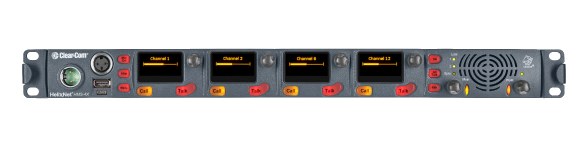
If your production runs RTS or Telex analog partyline and you need crew members on more than one channel simultaneously, the BP-325 is the right call — it's built for exactly that environment and will work reliably in the hands of non-audio crew who don't want to learn gear. If your comms infrastructure is already digital — Clear-Com FreeSpeak, Riedel Bolero, or similar — this pack won't bridge over; you need beltpacks native to that ecosystem. And if you only need single-channel partyline, a less expensive pack might free up budget elsewhere. But for mixed theatrical and touring rigs running analog partyline, this is the industry-standard answer.

In the rack

  • When daisy-chaining multiple BP-325s on a run, use the loop-thru outputs to maintain the partyline circuit — capping the last pack's loop-thru with a proper terminator prevents signal reflections that cause noise on long cable runs.
  • Label each beltpack's channel 1 and channel 2 assignments with a small piece of gaffers tape before doors — crew who aren't audio-trained will not remember which channel is lighting and which is production without a physical reminder on the unit.
  • Keep a two-pack float in your comms kit: the 4-pin XLR headset connector takes mechanical wear faster than the pack itself, and swapping a full beltpack is faster than diagnosing a connector problem during a show.
  • Verify headset compatibility against the RTS/Telex 4-pin standard before the gig — some Clear-Com headsets share the 4-pin XLR shell but wire differently, and plugging the wrong headset in will give you either no audio or a phase-reversed sidetone that makes the pack feel broken.

Two-channel partyline beltpack. The RTS standard for stage / crew / lighting comms.

I/O Ports (5)

PortConnectorDirectionSignalChannels
Channel 1 In (XLR-3)XLR FEMALEinputanalog audio
Channel 1 Loop-Thru (XLR-3)XLR MALEoutputanalog audio
Channel 2 In (XLR-3)XLR FEMALEinputanalog audio
Channel 2 Loop-Thru (XLR-3)XLR MALEoutputanalog audio
Headset (4-pin XLR)XLR FEMALEbidirectionalanalog audio

Related gear