


About IEM Rig / Matt Winwood
I make music, build software, and obsess over the systems between them.
I’m Matt Winwood, a Pittsburgh-based independent alternative rock singer, songwriter, producer, and multi-instrumentalist.
I’ve spent a lot of time figuring out how all the pieces fit together — on stage, behind the scenes, and in the software that helps make it all work.
Why I built it02 + 03 / The problem + my old spec sheets
I kept finding myself looking at different pieces just to understand how everything fit together.
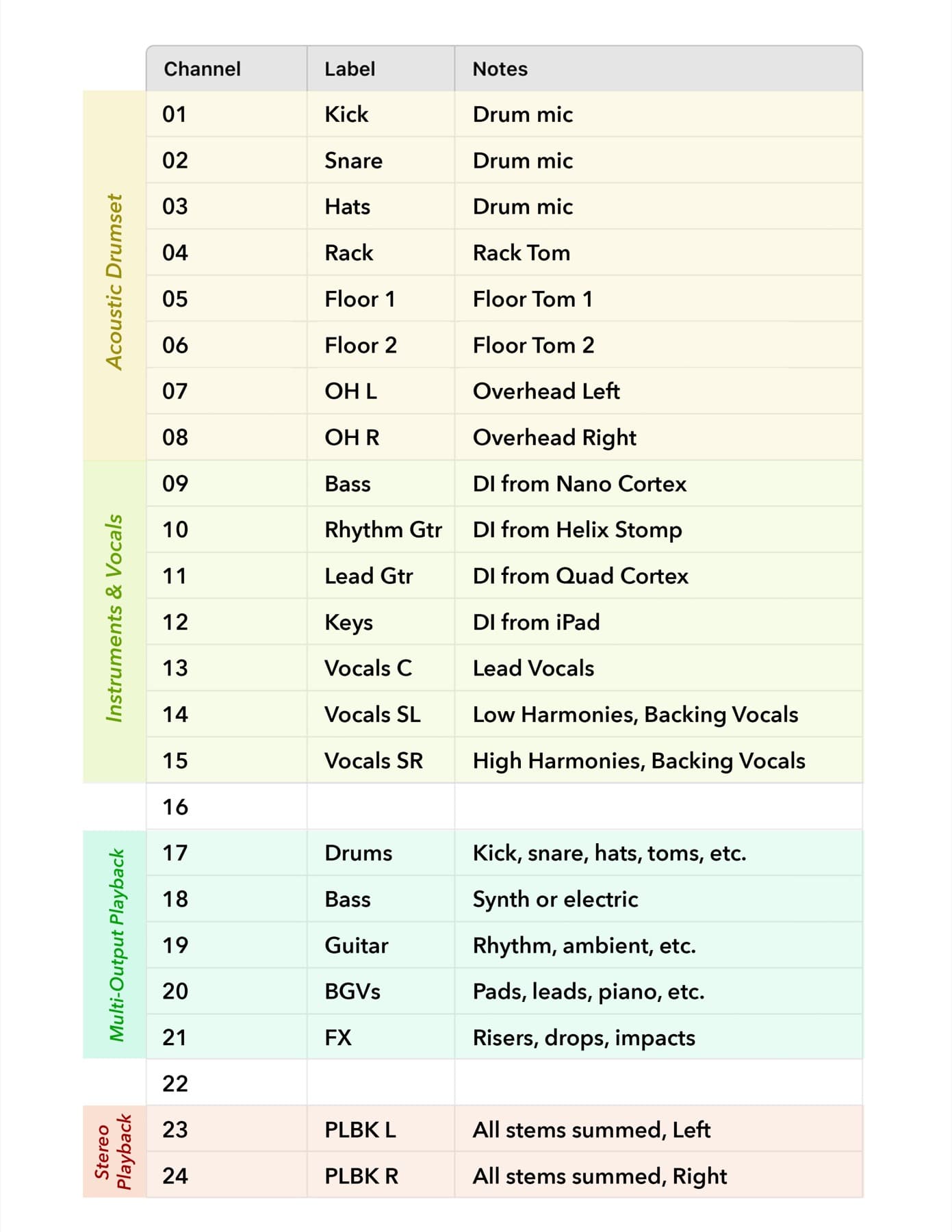
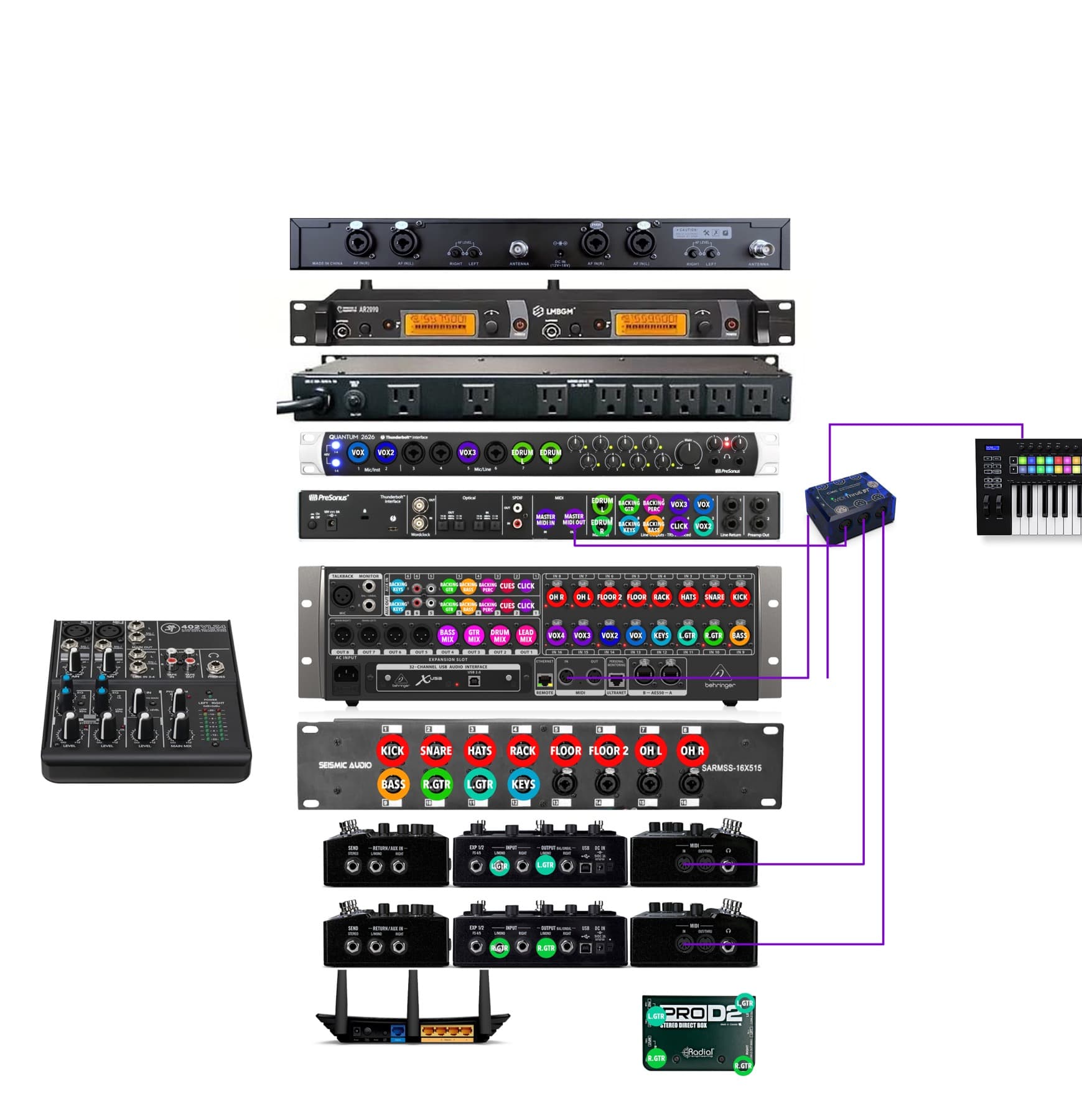
I built input lists and stage plots in Google Sheets. I laid out racks and traced signal paths in Photoshop. Set notes lived somewhere else, while photos and memory filled in whatever wasn’t written down.
Every change meant updating multiple files by hand. The documents drifted apart, revisions took time, and the process became harder to manage as the rig grew.
Those pieces could get me through a show, but they didn’t scale—and they never gave me one reliable view of the whole system.
My old spec sheets
04 / What I decided to build
I decided to build what I wish I’d had when I was getting started.
I wanted something that could scale with the rig without losing detail: high-fidelity enough to trust, easy to share, and visual enough to learn from at a glance.
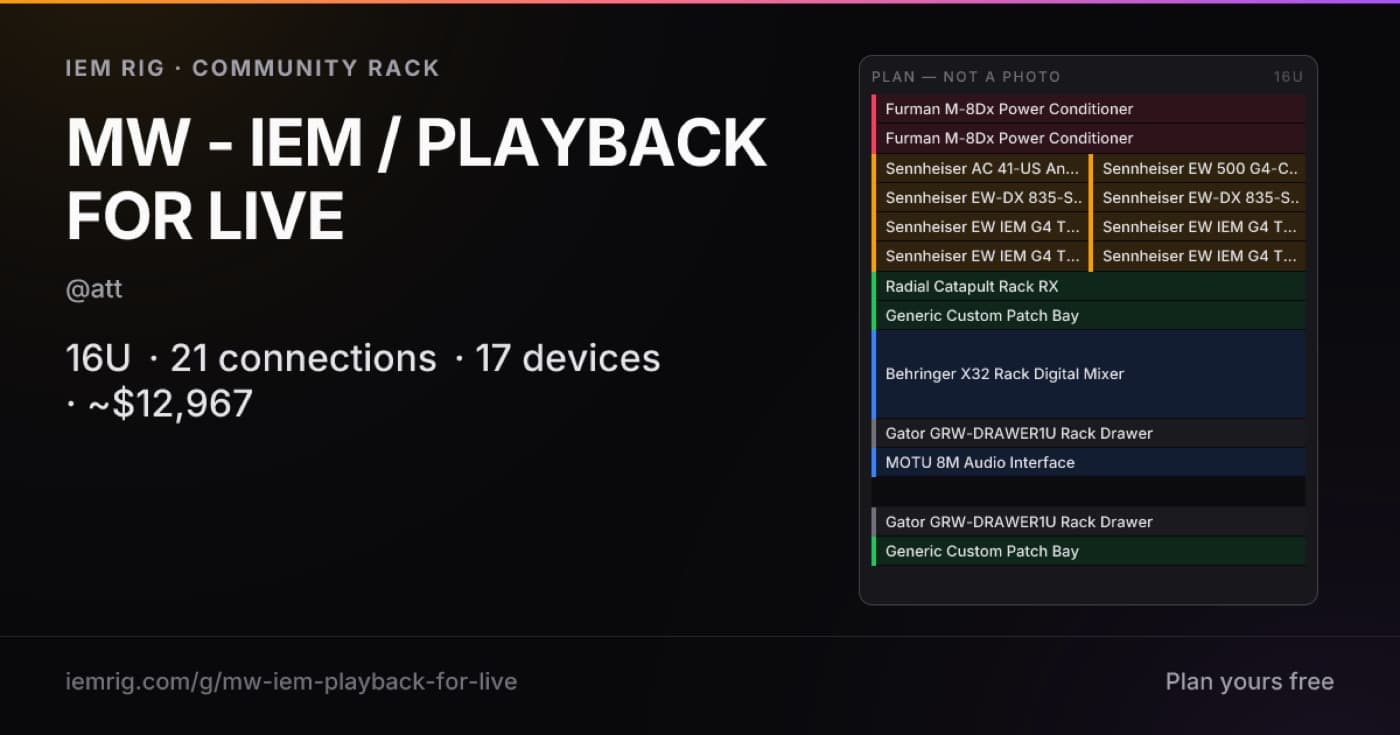
Instead of rebuilding the same information across sheets, diagrams, and notes, the planner keeps the rack, gear, and connections in one visual source of truth.
05 / My rig
The thing I was really trying to build
When it’s game time, everything needs to work.
IEM Rig lets me design something clear and beautiful, but it also lets me engineer it: identify incompatibilities, catch problems, trace signal flow, and test the whole rig before it hits the road.
That means one place to understand the system, remember what matters, and trust the connections between every part of it.
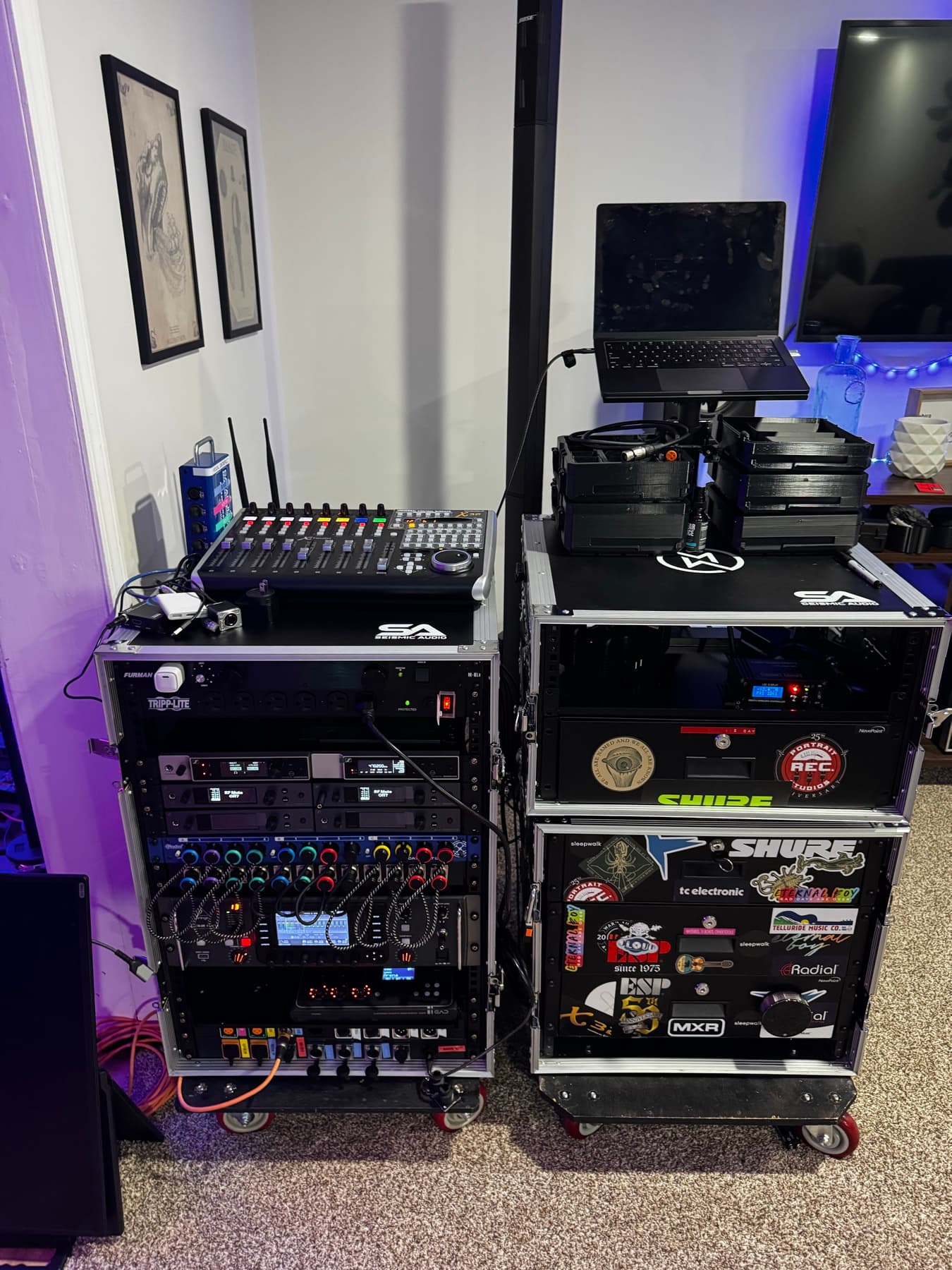
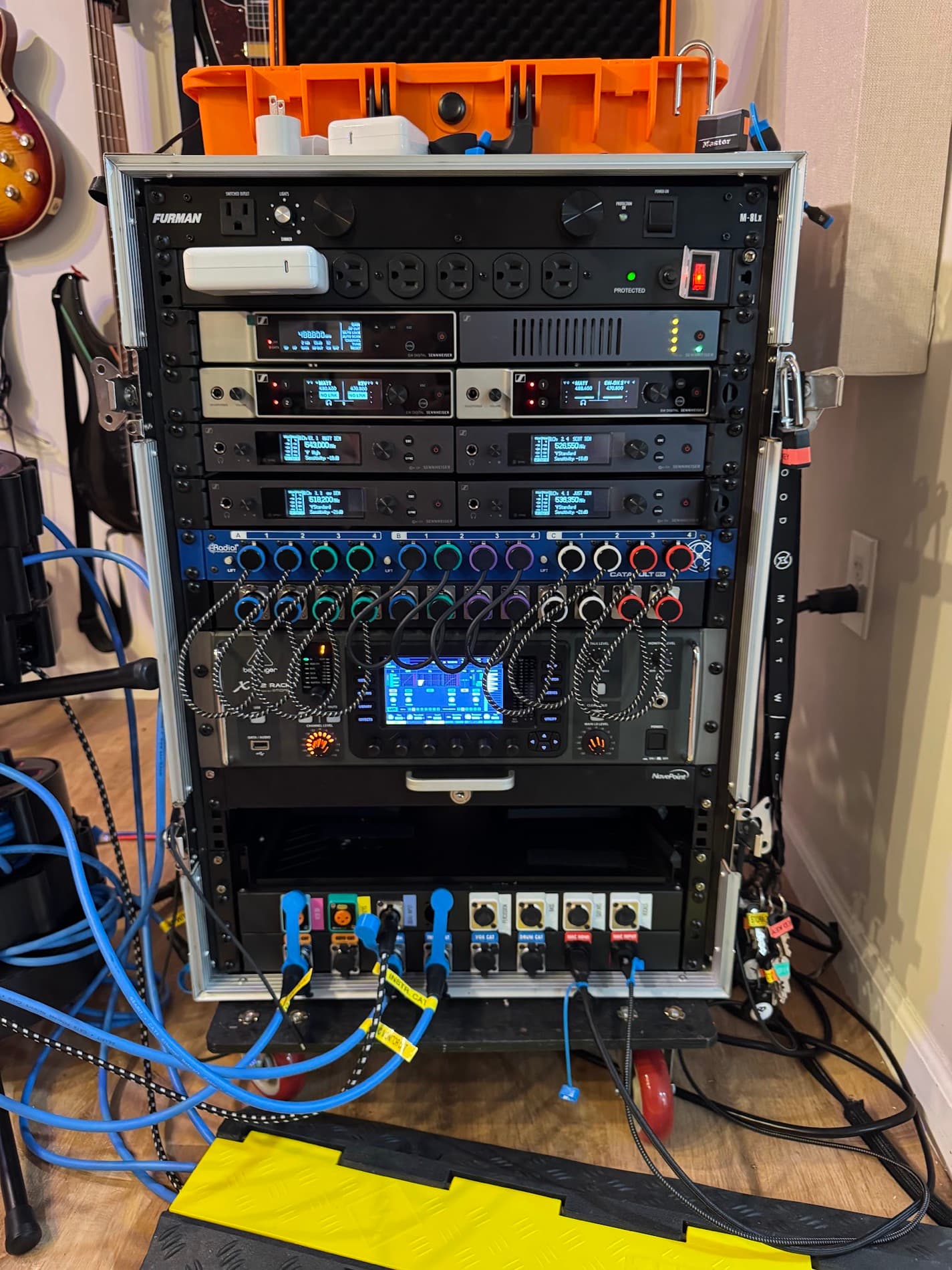
Complete systemTwo rolling cases 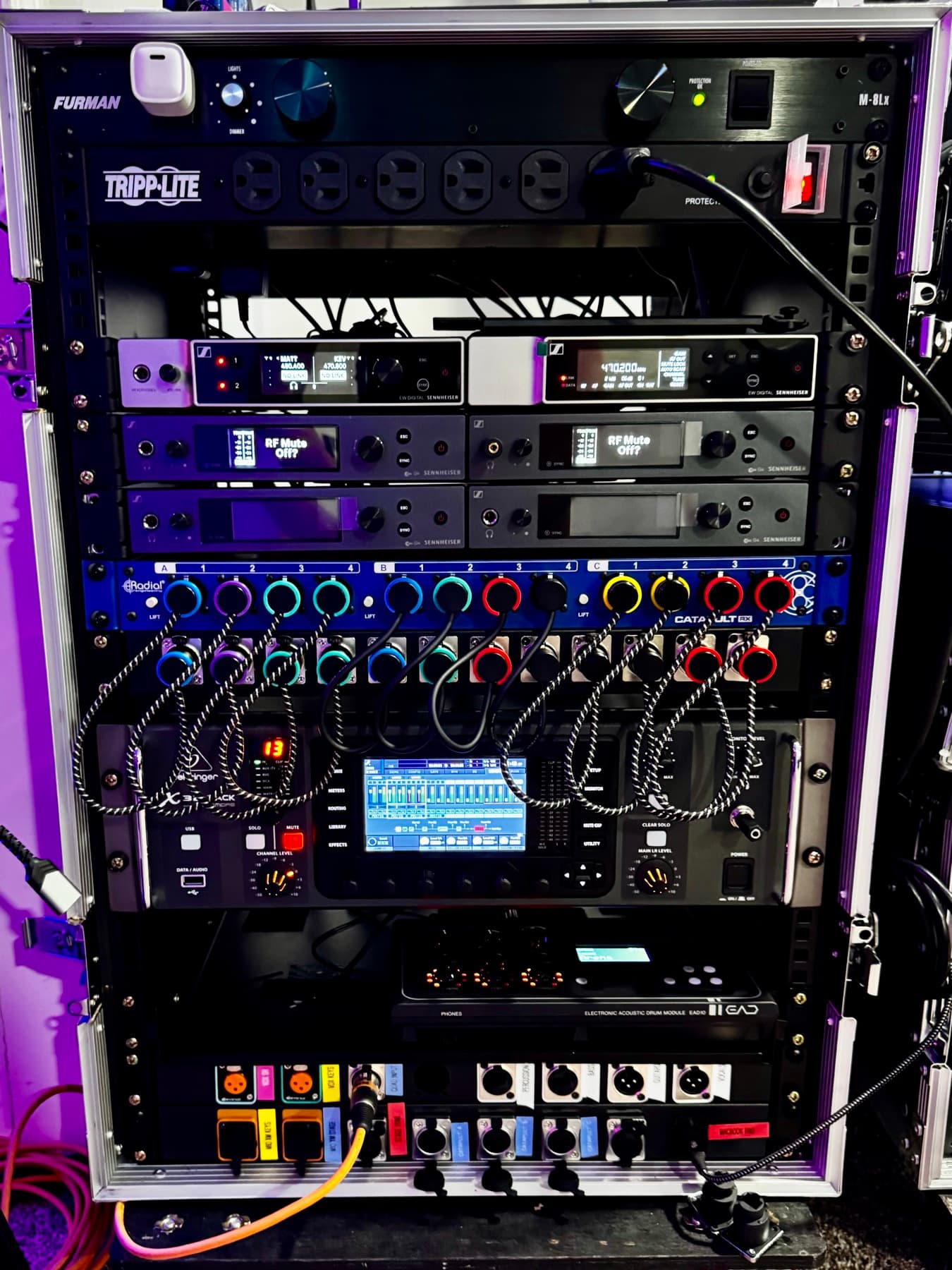
Monitor rackFront view 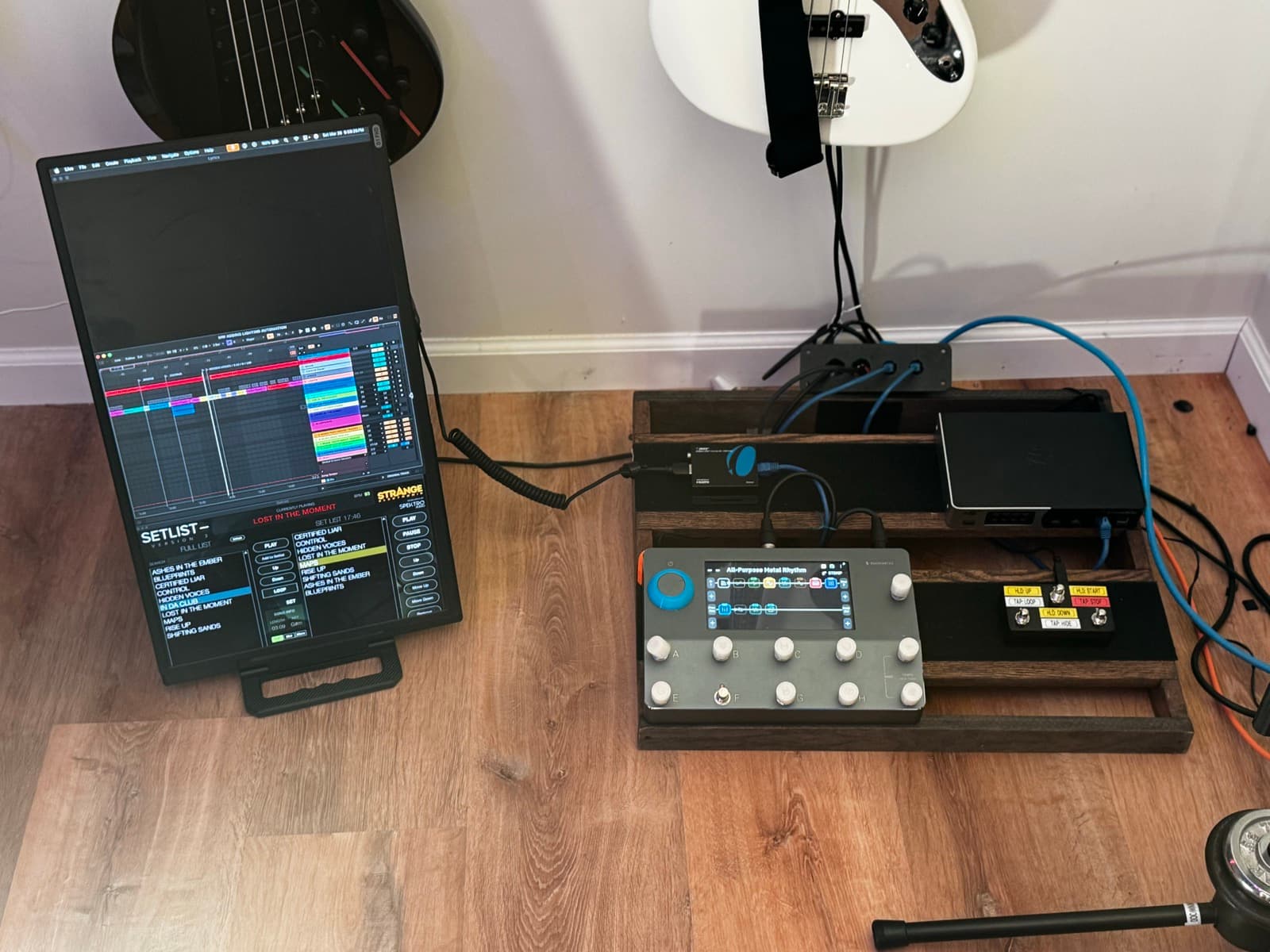
Playback + floor controlNetworked 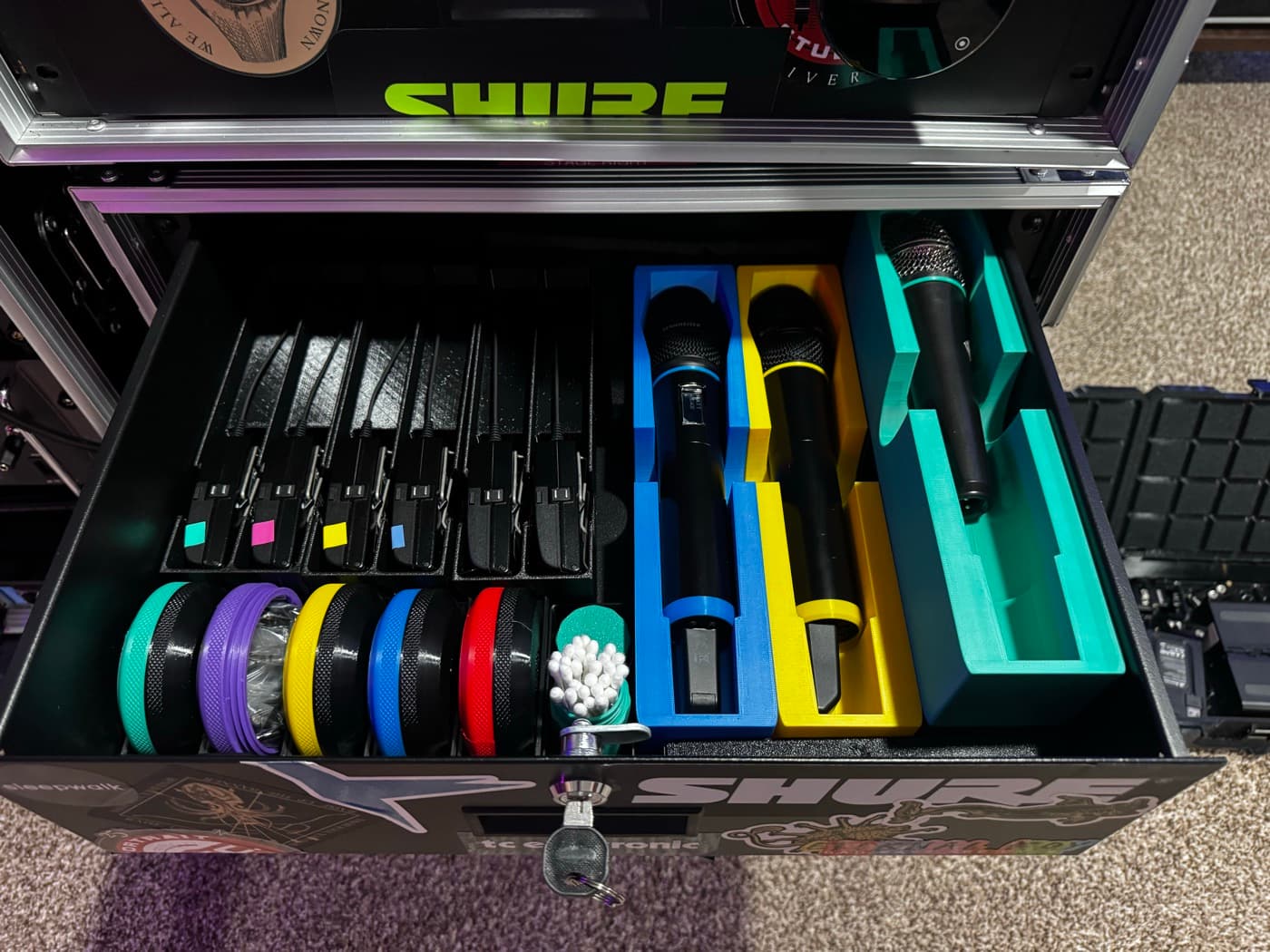
Wireless drawerColor coded
06 / My music
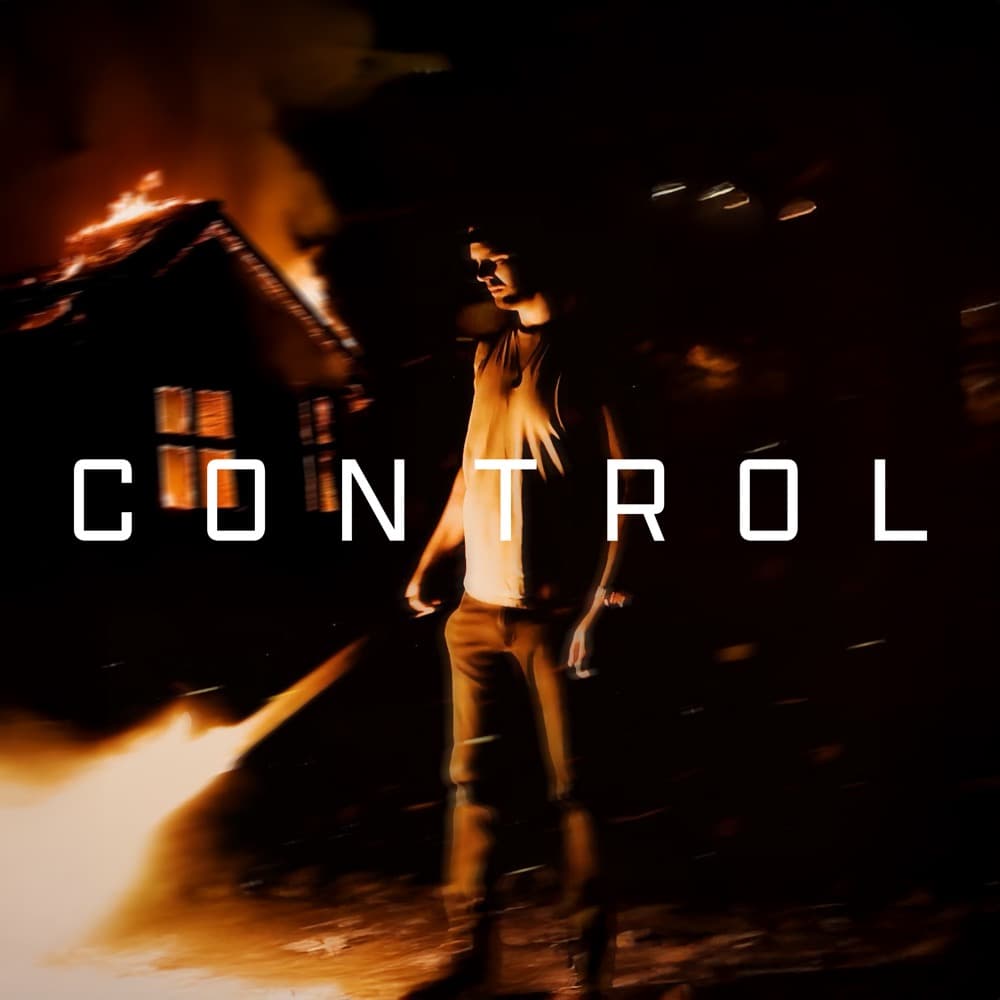
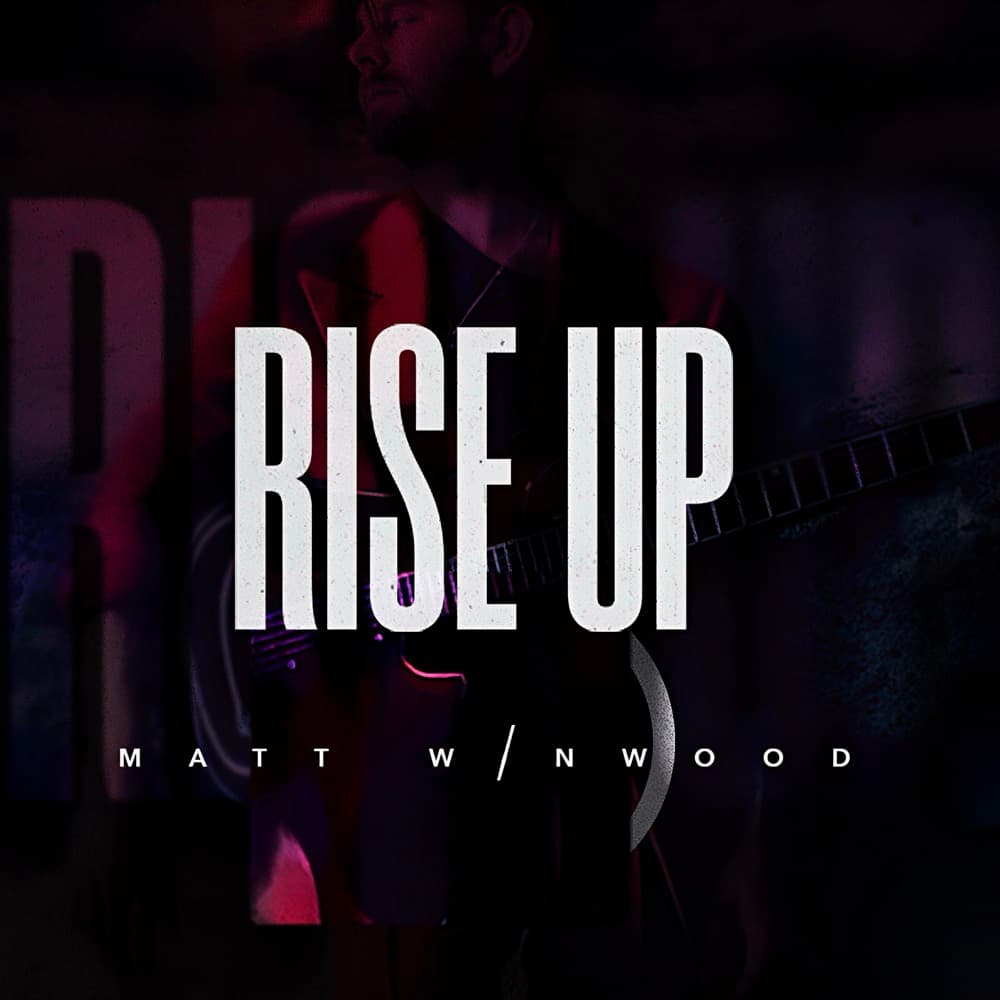
This is the music on the other end of the cable.
Alternative rock, pop-punk, and post-hardcore—written, performed, recorded, and produced in my Pittsburgh home studio.


07 / Get in touch
I’m always up for talking shop.
If you’re building a rack, solving playback, running ears, or learning as you go, I want to hear what works, what doesn’t, and what you wish existed. IEM Rig should grow from real conversations.