
01 · Connection
2 bidirectional connections
bnc
- Connection
- 2 bidirectional ports
- Connector
- bnc
- Signal
- antenna

RF Antenna
The RF Venue Diversity Fin is the shark-fin-shaped fix for dropout: instead of two identical paddles, it stacks a vertical LPDA and a horizontal dipole in one housing, so a bodypack antenna that swings off-axis still hits one polarization at full strength. Both diversity feeds come from a single stand or truss mount — one antenna to rig, two coax runs back to the distro. Passive and wideband across the post-auction UHF core, it works in front of Shure, Sennheiser, or any 50-ohm BNC distribution.
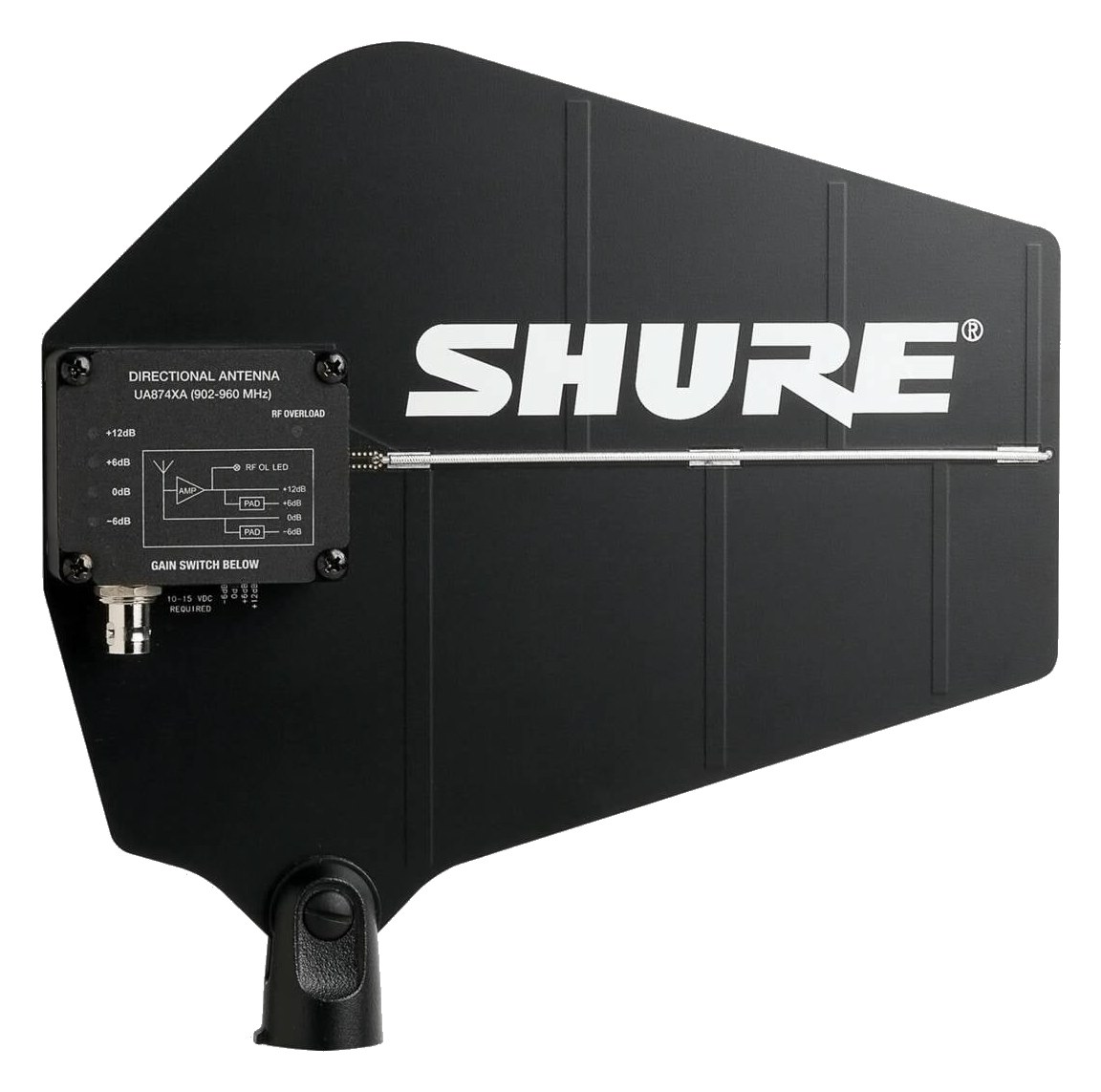
Manufacturer product photography showing the hardware, controls, and physical form.
01 · What it does—and what that changes in your rig.
Start with the payoff, then work through how it functions, where it fits, and the details that change a real build.
The RFRadio Frequency — the wireless part of wireless. RF planning is why big rigs scan, coordinate, and combine antennas instead of hoping. Venue DiversityA receiver with two antennas and two radio sections that continuously picks the stronger one — the difference between a dropout and a show. Fin is the shark-fin-shaped fix for dropoutA brief audio gap when the radio link fails — the thing diversity, distros, and coordination all exist to prevent.: instead of two identical paddlesA directional antenna (paddle, LPDA, helical) aimed at the stage — focuses coverage where the performers are and rejects RF from elsewhere., it stacks a vertical LPDA and a horizontal dipole in one housing, so a bodypack antenna that swings off-axis still hits one polarization at full strength. Both diversity feeds come from a single stand or truss mount — one antenna to rig, two coax runs back to the distroOne pair of antennas feeding many receivers through an amplified splitter — replaces the forest of whips and keeps RF levels consistent.. Passive and wideband across the post-auction UHFThe TV-band radio range (roughly 470–608 MHz in the US) where serious wireless mics and IEMs live — better behaved than crowded 2.4 GHz. core, it works in front of Shure, Sennheiser, or any 50-ohm BNCThe twist-lock coax connector used for word clock and antenna runs — it locks, so it can’t be pulled out mid-show. distribution.
02 · Know the whole path before you buy.
Learn the route as a block diagram: source, product function, transport, and destination. Select any block to see what enters, what changes, and what leaves.
Each block answers the same three questions: what arrives, what changes here, and what leaves.
bnc
03 · What this product asks of the rest of the system.
Treat connector names as the start of the check—not the answer. These are the boundaries that determine a complete working path.
Use it as rf antenna tracked outside rack rails; follow the manufacturer’s mounting and form-factor guidance.
Complete the path with upstream and downstream gear that matches connector, direction, signal type, protocol, and wiring standard.
Documented connectors: bnc. Match connector, direction, and signal type—not shape alone.
04 · Every connector, grouped by job.
Switch the product view and the documented port inventory updates with it—hardware and data stay side by side.
Switch panels to keep the hardware view and the documented port list in sync.
| Port | Panel | Connector | Direction | Signal | Channels |
|---|---|---|---|---|---|
| Antenna A — LPDA (BNC) | rear | bnc | bidirectional | antenna | — |
| Antenna B — Dipole (BNC) | rear | bnc | bidirectional | antenna | — |
Showing 2 of 2 documented physical ports.
05 · Compare the decision, not just the price.
The rows are organized around fit, power, I/O, and system role so a cheaper unit cannot hide a more expensive workflow.
| Compare |  | 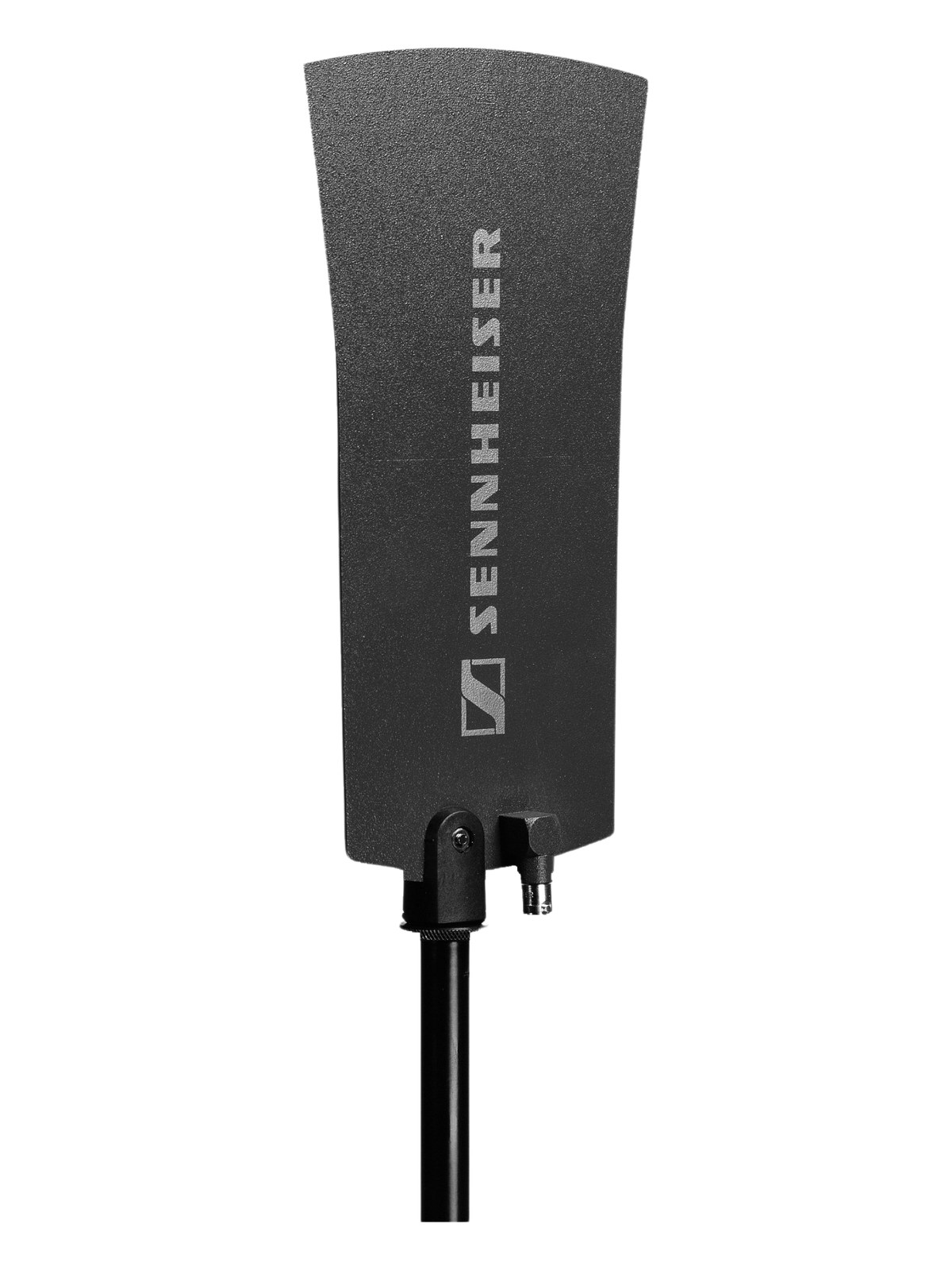 | External unit | 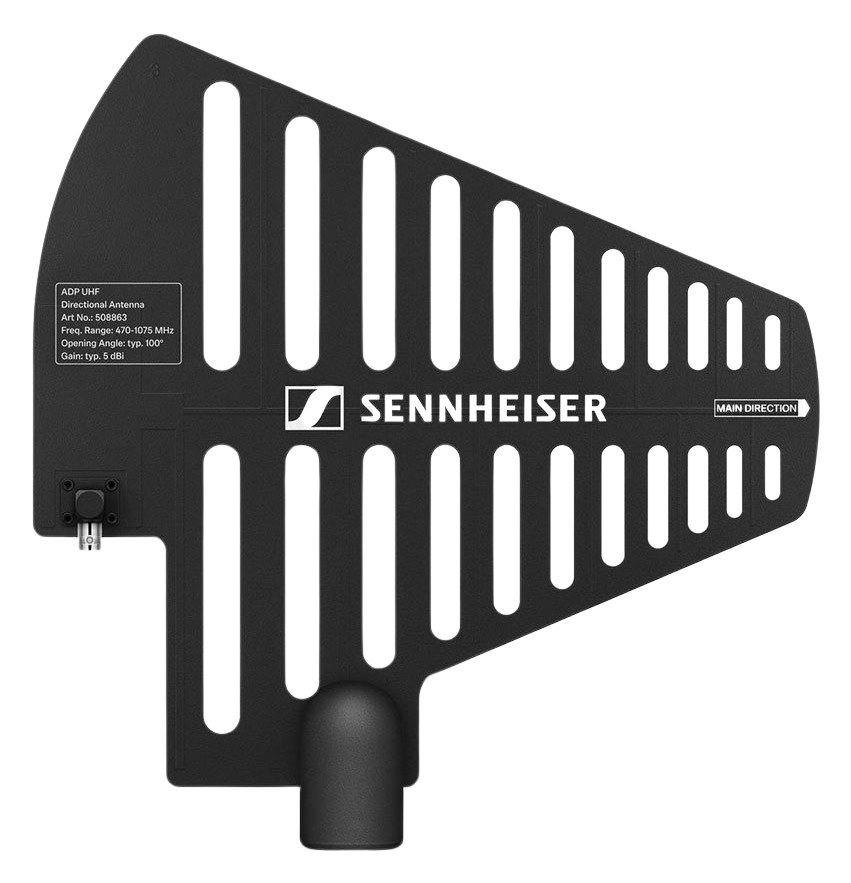 |
|---|---|---|---|---|
| Fit | 📐 Outside rack | 📐 Outside rack | 📐 Outside rack | 📐 Outside rack |
| Power | ⚡ 0W | ⚡ 0W | ⚡ 0W | ⚡ 0W |
| Weight | ⚖️ 1.0 lb | ⚖️ 0.3 lb | ⚖️ 0.8 lb | ⚖️ 0.7 lb |
| I/O | 🔌 2 | 🔌 1 | 🔌 1 | 🔌 1 |
| Estimate | 💵 ~$699 | 💵 ~$219 | 💵 ~$280 | 💵 ~$399 |
| Deep dive | Current selection | Full comparison → | Full comparison → | Full comparison → |
06 · Resolve the questions that can change the purchase or build plan.
Short, source-backed answers surface rack fit, power, cabling, and connection details before they become surprises.
The catalog assigns it no rack units. Builder tracks it as non-rack gear; follow the manufacturer’s mounting, case, and form-factor guidance.
It is verified passive and requires no AC power.
2 documented physical ports, including Antenna A — LPDA (BNC), Antenna B — Dipole (BNC).
07 · See this gear inside a complete system plan.
08 · Related gear, in the order you may need it.
RF Antenna
RF Antenna
RF Antenna
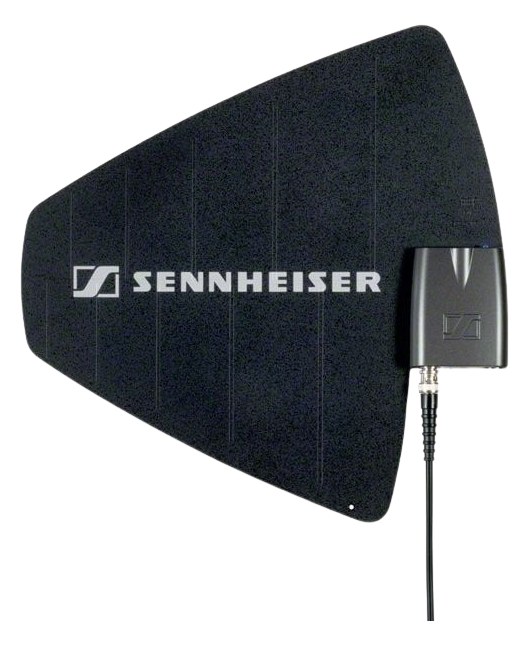
RF Antenna
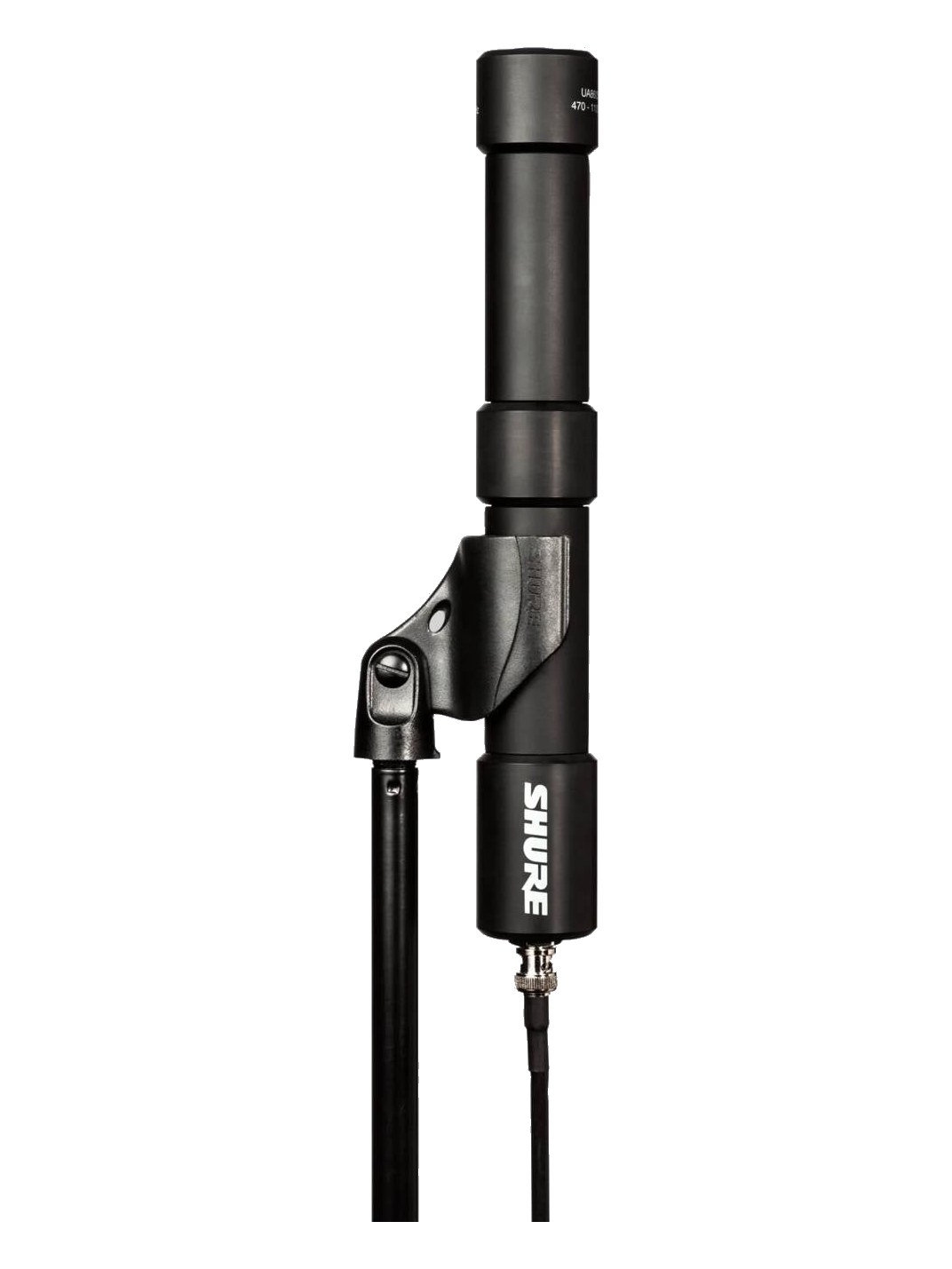
RF Antenna
RF Antenna