
01 · This unit
Shure UA874 Active Directional Antenna
Power arrives through a documented signal or data connection.
- Arrives through
- No documented input
- This stage
- Performs the documented product role
- Power
- Bus

RF Antenna
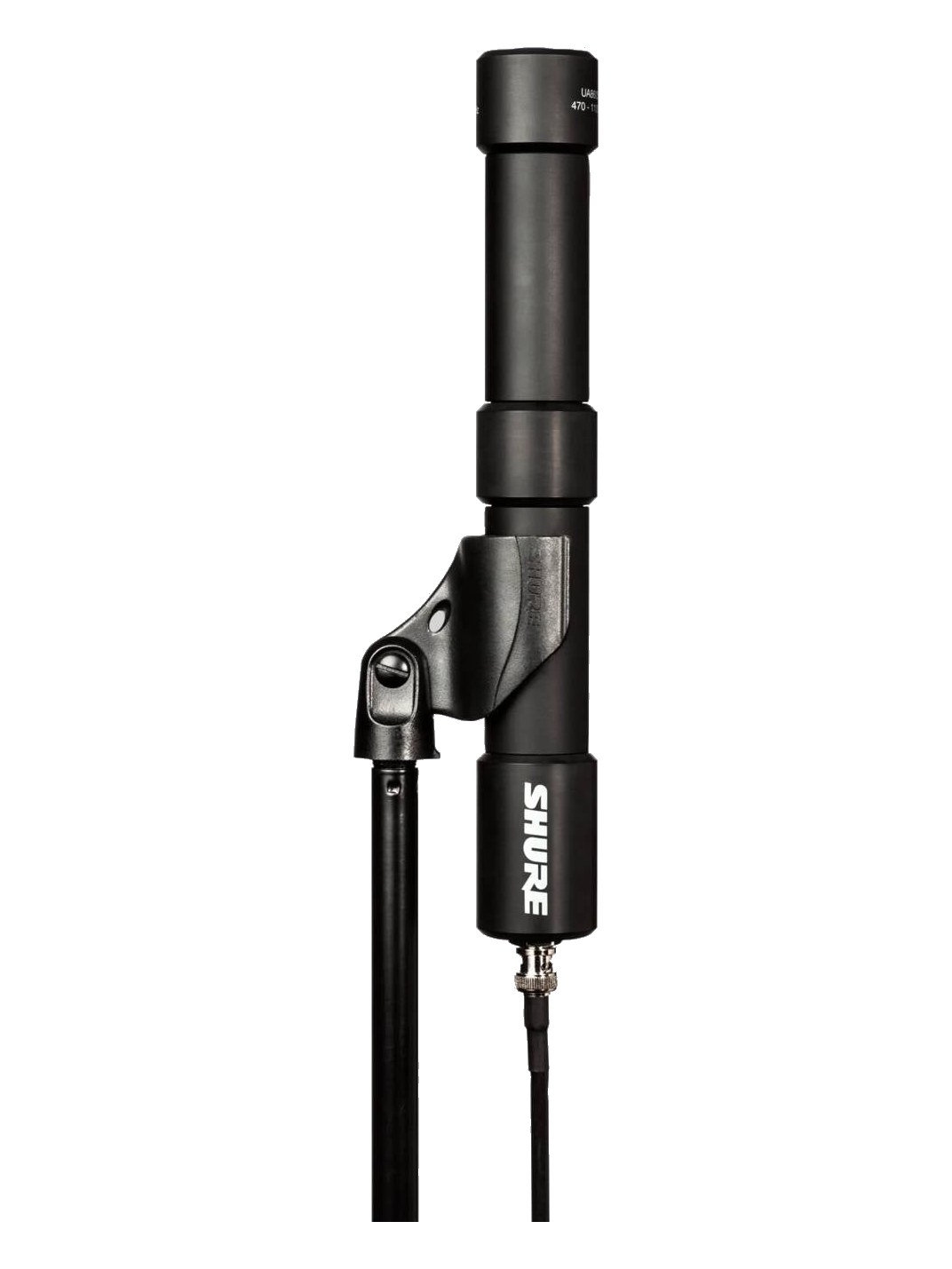
The UA874 is the standard Shure paddle for remote-mounting receive antennas: a directional log-periodic array with a built-in amplifier whose four-position gain switch exists to make up long coax runs, not to "boost range". Its 70-degree beamwidth aims the pickup at the stage and rejects the audience-side RF junk, and the RF overload LED tells you when +12 dB was the wrong answer. It draws its bias power over the same BNC coax from a UA844+/UA845 distro, so the stage end stays a single cable.
Manufacturer product photography showing the hardware, controls, and physical form.
01 · What it does—and what that changes in your rig.
Start with the payoff, then work through how it functions, where it fits, and the details that change a real build.
The UA874 is the standard Shure paddleA directional antenna (paddle, LPDA, helical) aimed at the stage — focuses coverage where the performers are and rejects RF from elsewhere. for remote-mounting receive antennas: a directional log-periodic array with a built-in amplifier whose four-position gainHow much the preamp amplifies the incoming signal. Too low and you’re hunting through hiss; too high and peaks clip. switch exists to make up long coax runs, not to "boost range". Its 70-degree beamwidth aims the pickup at the stage and rejects the audience-side RFRadio Frequency — the wireless part of wireless. RF planning is why big rigs scan, coordinate, and combine antennas instead of hoping. junk, and the RF overload LED tells you when +12 dB was the wrong answer. It draws its bias power over the same BNCThe twist-lock coax connector used for word clock and antenna runs — it locks, so it can’t be pulled out mid-show. coax from a UA844+/UA845 distroOne pair of antennas feeding many receivers through an amplified splitter — replaces the forest of whips and keeps RF levels consistent., so the stage end stays a single cable.
02 · Know the whole path before you buy.
Learn the route as a block diagram: source, product function, transport, and destination. Select any block to see what enters, what changes, and what leaves.
Each block answers the same three questions: what arrives, what changes here, and what leaves.
Power arrives through a documented signal or data connection.
03 · What this product asks of the rest of the system.
Treat connector names as the start of the check—not the answer. These are the boundaries that determine a complete working path.
Use it as rf antenna tracked outside rack rails; follow the manufacturer’s mounting and form-factor guidance.
Complete the path with upstream and downstream gear that matches connector, direction, signal type, protocol, and wiring standard.
Documented connectors: bnc. Match connector, direction, and signal type—not shape alone.
04 · Every connector, grouped by job.
Switch the product view and the documented port inventory updates with it—hardware and data stay side by side.
Switch panels to keep the hardware view and the documented port list in sync.
| Port | Panel | Connector | Direction | Signal | Channels |
|---|---|---|---|---|---|
| RF Out + DC Bias In (BNC) | rear | bnc | output | antenna | — |
Showing 1 of 1 documented physical ports.
05 · Compare the decision, not just the price.
The rows are organized around fit, power, I/O, and system role so a cheaper unit cannot hide a more expensive workflow.
| Compare | 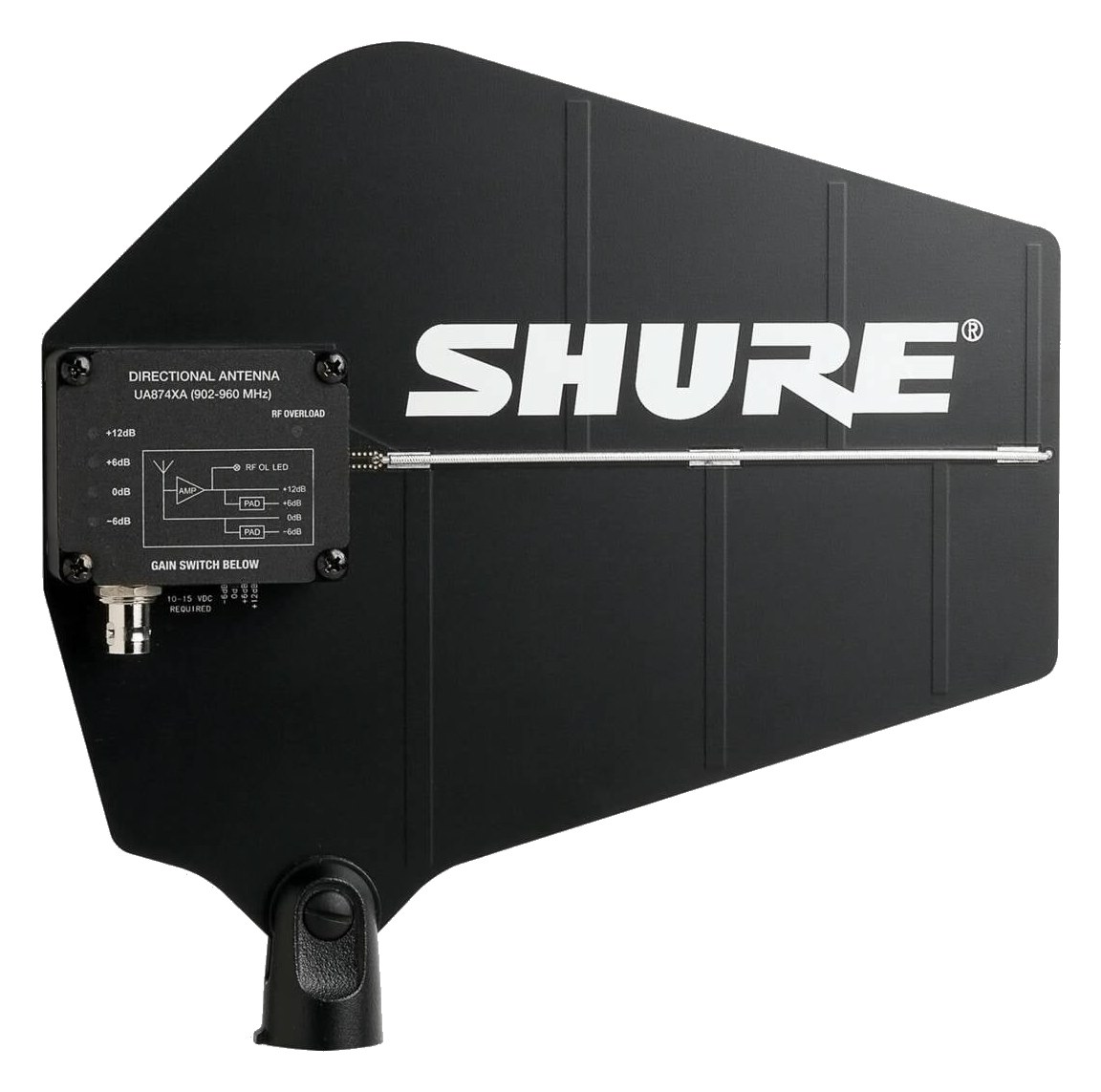 | 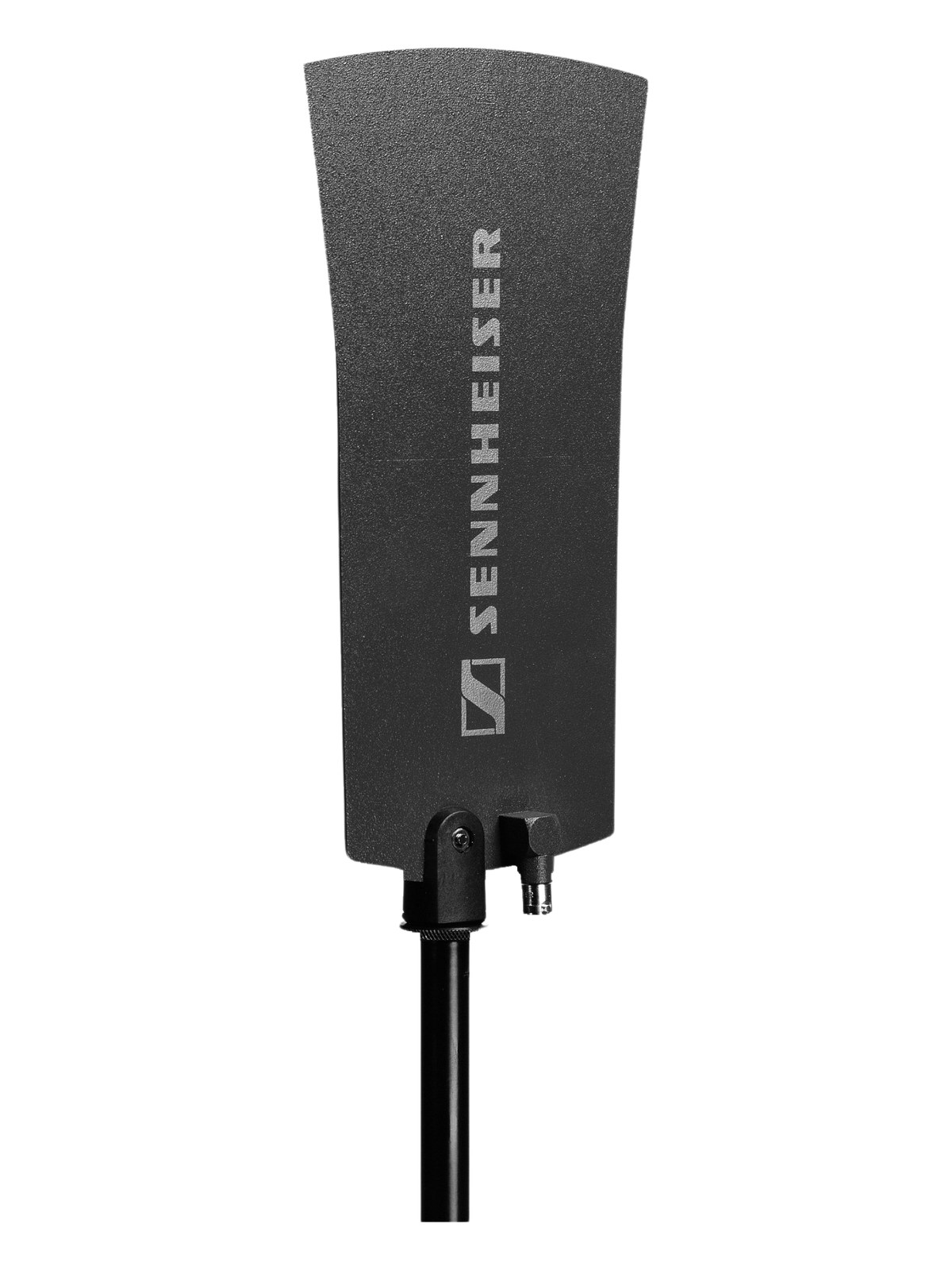 | External unit | 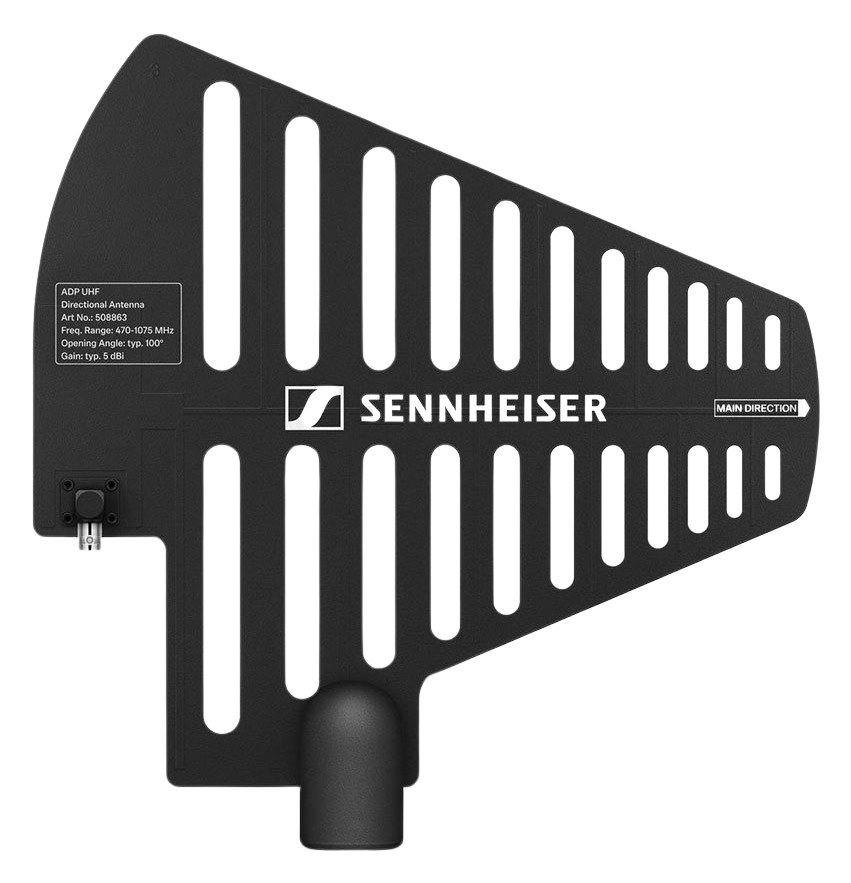 |
|---|---|---|---|---|
| Fit | 📐 Outside rack | 📐 Outside rack | 📐 Outside rack | 📐 Outside rack |
| Power | ⚡ Bus | ⚡ 0W | ⚡ 0W | ⚡ 0W |
| Weight | ⚖️ 0.7 lb | ⚖️ 0.3 lb | ⚖️ 0.8 lb | ⚖️ 0.7 lb |
| I/O | 🔌 1 | 🔌 1 | 🔌 1 | 🔌 1 |
| Estimate | 💵 ~$450 | 💵 ~$219 | 💵 ~$280 | 💵 ~$399 |
| Deep dive | Current selection | Full comparison → | Full comparison → | Full comparison → |
06 · Resolve the questions that can change the purchase or build plan.
Short, source-backed answers surface rack fit, power, cabling, and connection details before they become surprises.
The catalog assigns it no rack units. Builder tracks it as non-rack gear; follow the manufacturer’s mounting, case, and form-factor guidance.
It is powered through its documented signal or data connection rather than a separate inlet.
1 documented physical ports, including RF Out + DC Bias In (BNC).
07 · See this gear inside a complete system plan.
08 · Related gear, in the order you may need it.
RF Antenna
RF Antenna
RF Antenna
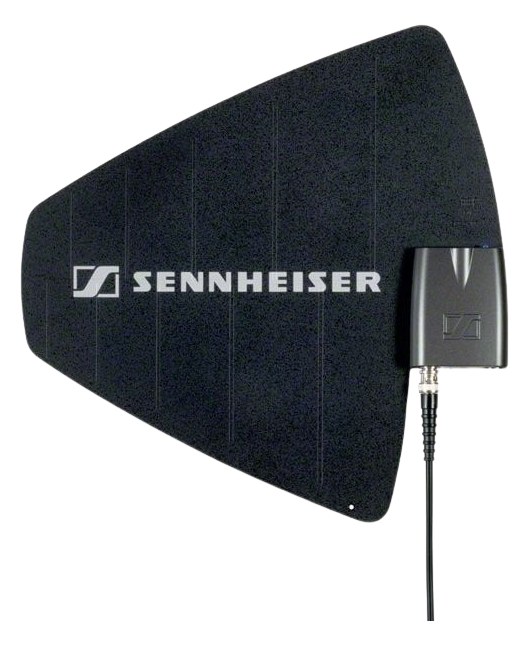
RF Antenna
RF Antenna
RF Antenna