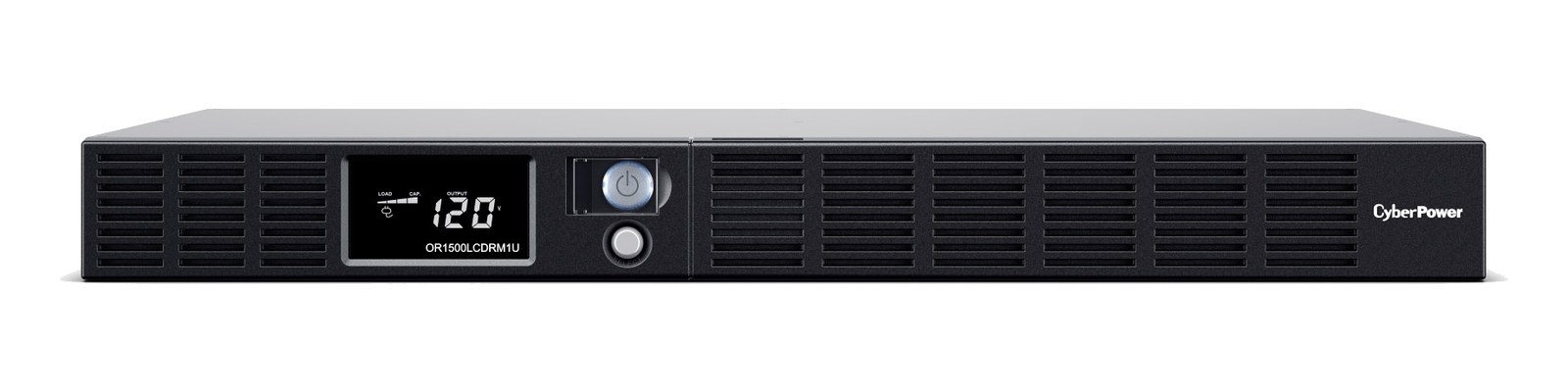

Eaton 5SC1500 UPS
Eaton·Model 5SC1500·eaton-5sc1500
About the Eaton 5SC1500
The Eaton 5SC1500 offers 1500VA of line-interactive UPSUninterruptible Power Supply — a battery that rides the rig through brownouts and generator hiccups so computers never reboot mid-song. protection in a form factor that converts between tower and rack-mount configurations, giving you deployment flexibility. Its higher wattage rating of 1050W provides more headroomThe margin between your normal level and where things clip — headroom is what absorbs the snare hit you didn’t see coming. than similarly priced units, and Eaton's reputation for reliability makes it a trusted choice in professional installations. The convertible design means you can use it in your rack today and repurpose it as a tower unit for a studio setup later.
The Eaton 5SC1500 is a line-interactive UPSUninterruptible Power Supply — a battery that rides the rig through brownouts and generator hiccups so computers never reboot mid-song. — not a power conditionerFilters venue AC, clamps surges, and gives the rack one tidy inlet. Not a voltage regulator and not a battery — just cleaner power., not a surge strip. Its job is to keep your rack alive through the moments that would otherwise kill a show: a venue generator stumbling at downbeat, a stage-power breaker tripping mid-set, a venue tech pulling the wrong disconnect. At 1500VA and a genuine 1050W continuous load capacity, it sits in 2UThe standard slice of rack height: 1U = 1.75″. A 3U box takes three slices; half-rack gear pairs two units side by side in one. and gives your IEMIn-Ear Monitor — earpieces that replace floor wedges, feeding each player their own mix. The reason this whole rack exists. rig, playback system, or monitor worldThe side-stage domain of the monitor engineer — console, IEM racks, and everything feeding the band’s ears instead of the audience. a clean bridge between wall power and catastrophe. Six of its eight NEMA 5-15 outlets run from battery; the remaining two are surge-only, which matters for how you assign your gear.
Line-interactive means the 5SC1500 is actively conditioning voltage in real time, boosting sags and trimming swells before they ever reach your gear — and switching to battery only when the deviation exceeds what it can correct. That switchover is fast enough that your wireless receivers and playback computers won't glitch. At 12 kg and 340 mm deep, it's a serious rack anchor; budget for the weight and confirm your road case rails can handle it before you build. The 1050W headroomThe margin between your normal level and where things clip — headroom is what absorbs the snare hit you didn’t see coming. is genuinely useful — many competing 1500VA units derate to 900W or less, and a loaded IEMIn-Ear Monitor — earpieces that replace floor wedges, feeding each player their own mix. The reason this whole rack exists. rack with redundantA second copy of anything critical — supply, computer, network path — already running so one failure can’t stop the show. transmitters, a laptop, and a console can push 600–700W without much effort.
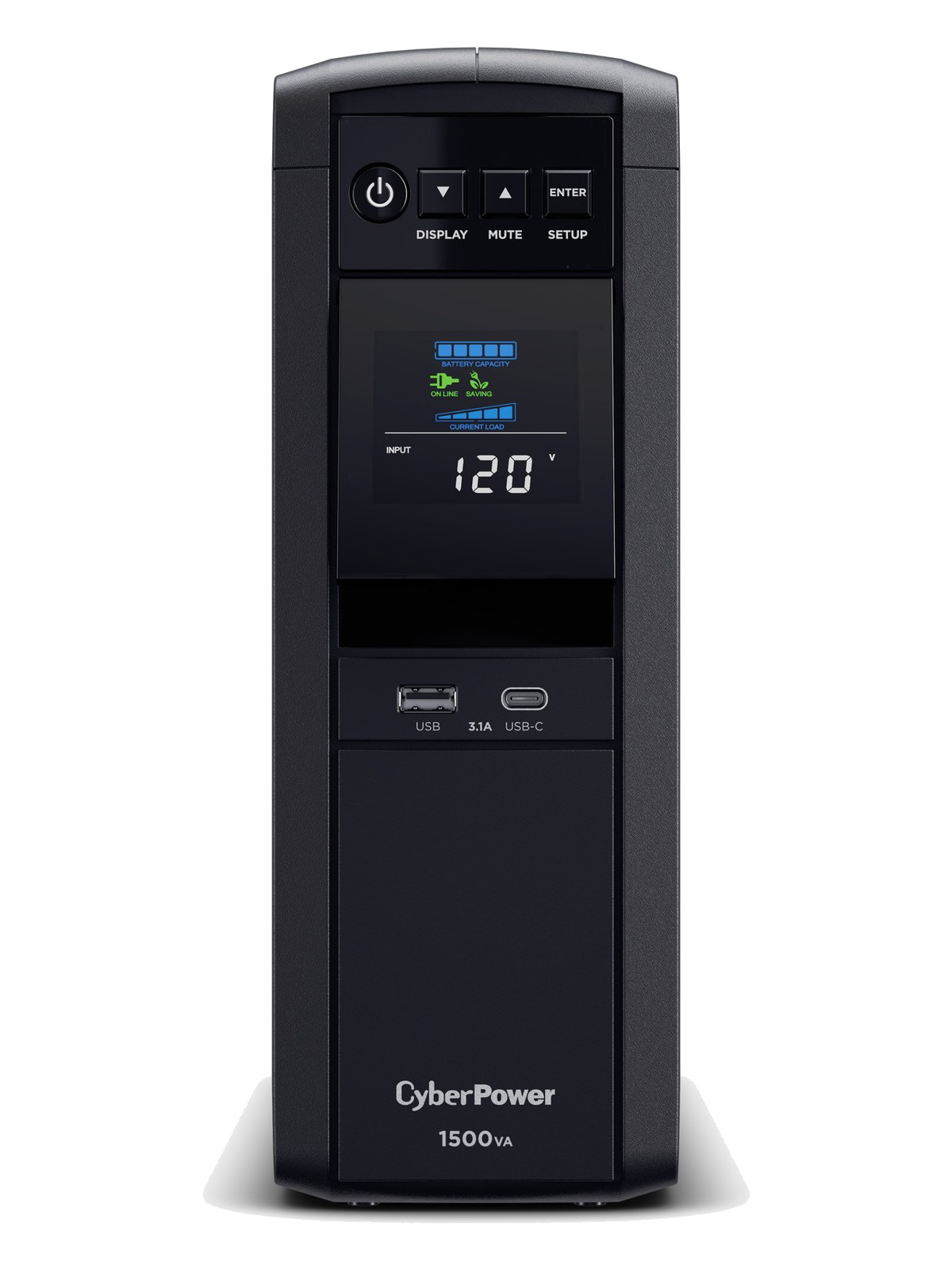
This belongs in any rack where losing power mid-show is unacceptable — IEMIn-Ear Monitor — earpieces that replace floor wedges, feeding each player their own mix. The reason this whole rack exists. systems for theatrical runs, broadcast playback rigs, festival monitor worldsThe side-stage domain of the monitor engineer — console, IEM racks, and everything feeding the band’s ears instead of the audience. running off a shared distroOne pair of antennas feeding many receivers through an amplified splitter — replaces the forest of whips and keeps RF levels consistent. with questionable history. If your entire rig draws under about 700W, the 5SC1500 gives you comfortable margin; if you're running heavier iron like large-format power amps, look at higher-capacity units. It is not a substitute for a proper power conditionerFilters venue AC, clamps surges, and gives the rack one tidy inlet. Not a voltage regulator and not a battery — just cleaner power. if your venue has severe noise issues — pairing it with a conditioner upstream is the cleaner answer. The tower-to-rack convertible form factor is a genuine perk if you're also building studio infrastructure where a rack mount doesn't make sense.
In the rack
- Assign your mission-critical gear — IEMIn-Ear Monitor — earpieces that replace floor wedges, feeding each player their own mix. The reason this whole rack exists. transmitters, playback computer, network switch — to the six battery-backed outlets, and use the two surge-only outlets for non-essential items like a laptop charger or a monitor display that can tolerate a gap.
- Add up your actual load in watts before the first show, not VA. Transmitters, computers, and console I/O all list power draw on their rear panels or in specs; keep your total under 800W to preserve meaningful runtime and avoid thermal throttling.
- The USB-B port supports Eaton's PowerChute software for graceful shutdown of a connected computer — worth configuring on a playback rig so a long power event doesn't corrupt your session rather than just pause it.
- At 12 kg, this shifts the rack's center of gravity hard toward whichever RU it occupies — mount it low and bolt the rack to the case floor if you're touring, or you'll feel it every time the truck stops.
1500VA/1050W line-interactive UPSUninterruptible Power Supply — a battery that rides the rig through brownouts and generator hiccups so computers never reboot mid-song.. Tower/rack convertible.
I/O Ports (12)
| Port | Connector | Direction | Signal | Channels |
|---|---|---|---|---|
| USB | USB B | bidirectional | data | — |
- Power In (NEMA) (NEMA 5 15)
- Battery Backup Out (6x NEMA) (NEMA 5 15)
- Battery Backup Out 1 (NEMA 5 15)
- Battery Backup Out 2 (NEMA 5 15)
- Battery Backup Out 3 (NEMA 5 15)
- Battery Backup Out 4 (NEMA 5 15)
- Battery Backup Out 5 (NEMA 5 15)
- Battery Backup Out 6 (NEMA 5 15)
- Surge Only Out (2x NEMA) (NEMA 5 15)
- Surge Only Out 1 (NEMA 5 15)
- Surge Only Out 2 (NEMA 5 15)
Deciding between two?
Rack space, watts, weight and every connector, side by side.
Related gear
Related articles
Guides from our library that cover planning around ups gear.
How to budget power for an audio rack, why a power conditioner is not a UPS, and the practical math that keeps you from blowing a 15A circuit mid-show.
How to build an IEM rack: choosing case size and depth, ordering gear by weight and heat, power sequencing rules, wiring practice, and a pre-show checklist.