

FX Processor

Neural DSP Quad Cortex MK2

Neural DSP·Model Quad Cortex MK2·neural-dsp-quad-cortex-mk2

Rack accessory — no faceplate visual.

About the Neural DSP Quad Cortex MK2

The Quad Cortex MK2 builds on the original with improved DSP horsepower and enhanced connectivity options, allowing for more complex signal chains and effects routing. The updated hardware supports higher-quality captures and more simultaneous processing blocks, which matters for guitarists running elaborate rigs with multiple amp models and effects. If you are building a new rig, the MK2 is the version to get for future-proofing your tone chain.

The Quad Cortex MK2 is Neural DSP's flagship floor/rack-hybrid modeler, and in a live IEM or playback rig context it functions as the entire tone engine for a guitarist who wants to leave the amp at home. It captures, processes, and routes your signal — amp models, cab sims, effects chains — all in a single unit drawing at most 30 watts. At 1.6 kg and 190 mm deep, it's physically compact enough to live in a shallow utility rack or a dedicated pedalboard-style case, though it ships as a floor unit and will need a rack tray if you're mounting it in a standard rack.

The port layout tells you how this thing actually behaves at show time: two TRS inputs give you stereo or wet-dry-wet flexibility at the front end, and the four outputs — two TRS, two XLR — mean you can split to FOH on the balanced XLR pair while feeding your in-ear mix or a personal monitor from the TRS outs simultaneously, without a splitter box in between. The USB-C handles computer-based preset management, audio interface duties during soundcheck, and firmware updates. With improved DSP headroom over the original, you're less likely to hit a processing ceiling when stacking amp captures, IR loading, and time-based effects in the same chain.

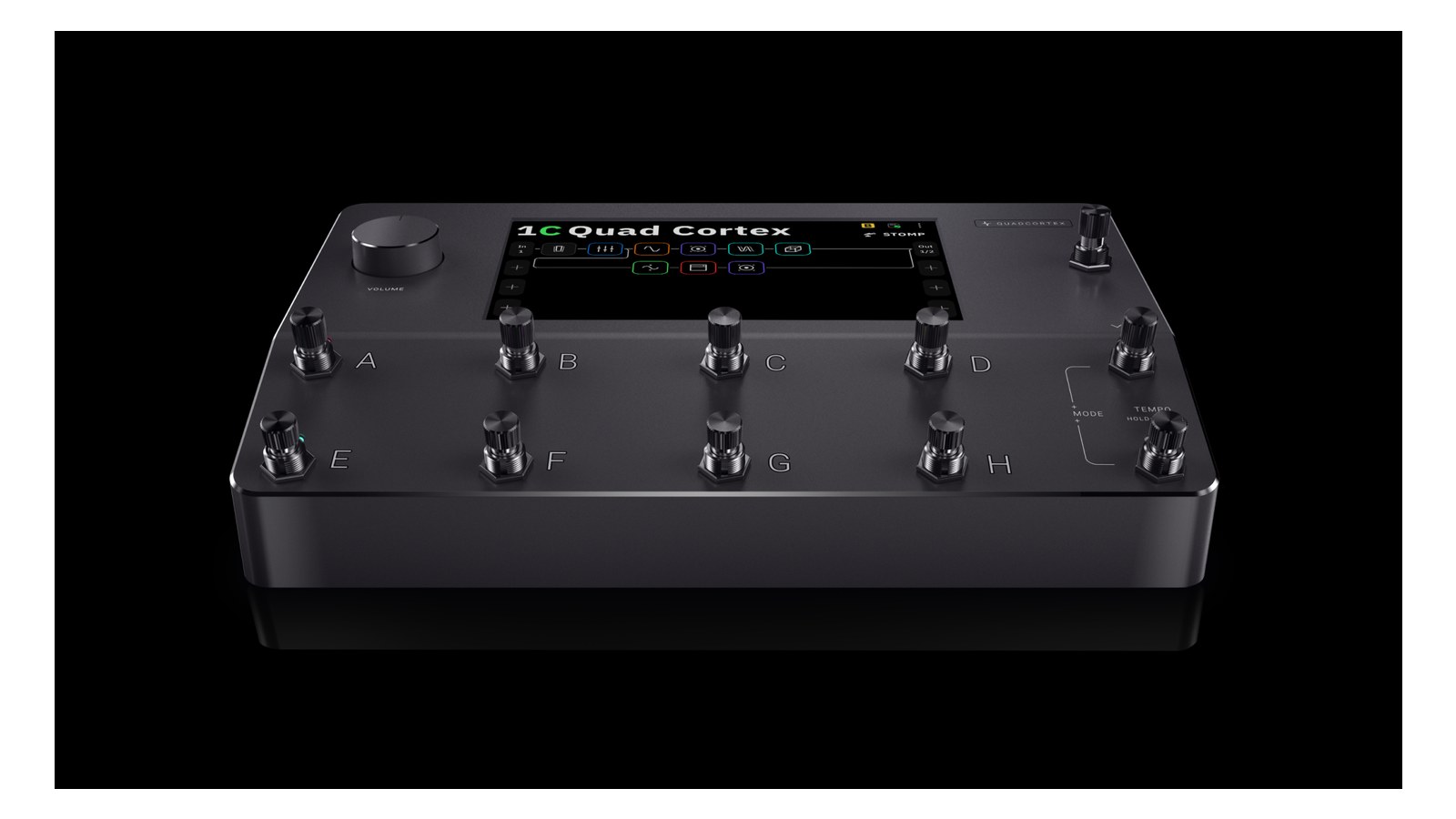
This unit belongs in a rig where the guitarist is the system integrator — someone who owns their tone chain end to end and needs one box to do the work of an amp, pedalboard, and DI combined. It earns its $1,999 price on tours where minimizing stage volume matters and consistency night-to-night is non-negotiable. It's not the right call if your workflow depends on MIDI-over-Ethernet, Dante, or AES3 connectivity — this is an analog I/O device at its core, and if your rig is already built around a digital snake or networked audio, you'll be bridging back to analog at every show.

In the rack

  • Run Outputs 3 and 4 (XLR) directly to FOH or the stage box and keep Outputs 1 and 2 (TRS) dedicated to your IEM mix feed — this way a cable pull on the FOH side never disrupts what's in your ears.
  • If you're racking it with a tray, account for the 190 mm depth alongside your power conditioner and verify your rack bag or case is at least 250 mm deep to clear connectors at the rear.
  • Use the USB-C audio interface capability during line check to send a reference playback track through the unit and verify your full signal path — amp model, IR, and all outputs — before the split to the system is live.
  • Label your preset banks by set or song group rather than by gear name; at a dark stage during changeover, knowing 'SET 2 CLEAN' is faster than remembering which capture is on slot 14.

Updated Quad Cortex with improved DSP and connectivity.

I/O Ports (7)

PortConnectorDirectionSignalChannels
Input 1 (TRS)TRS QUARTERinputanalog audio
Input 2 (TRS)TRS QUARTERinputanalog audio
Output 1 (TRS)TRS QUARTERoutputanalog audio
Output 2 (TRS)TRS QUARTERoutputanalog audio
Output 3 (XLR)XLR MALEoutputanalog audio
Output 4 (XLR)XLR MALEoutputanalog audio
USB-CUSB Cbidirectionaldata

Deciding between two?

Rack space, watts, weight and every connector, side by side.

Related gear