
Countryman Type 85 Active DI
Countryman·Model Type 85·countryman-type85
Photos
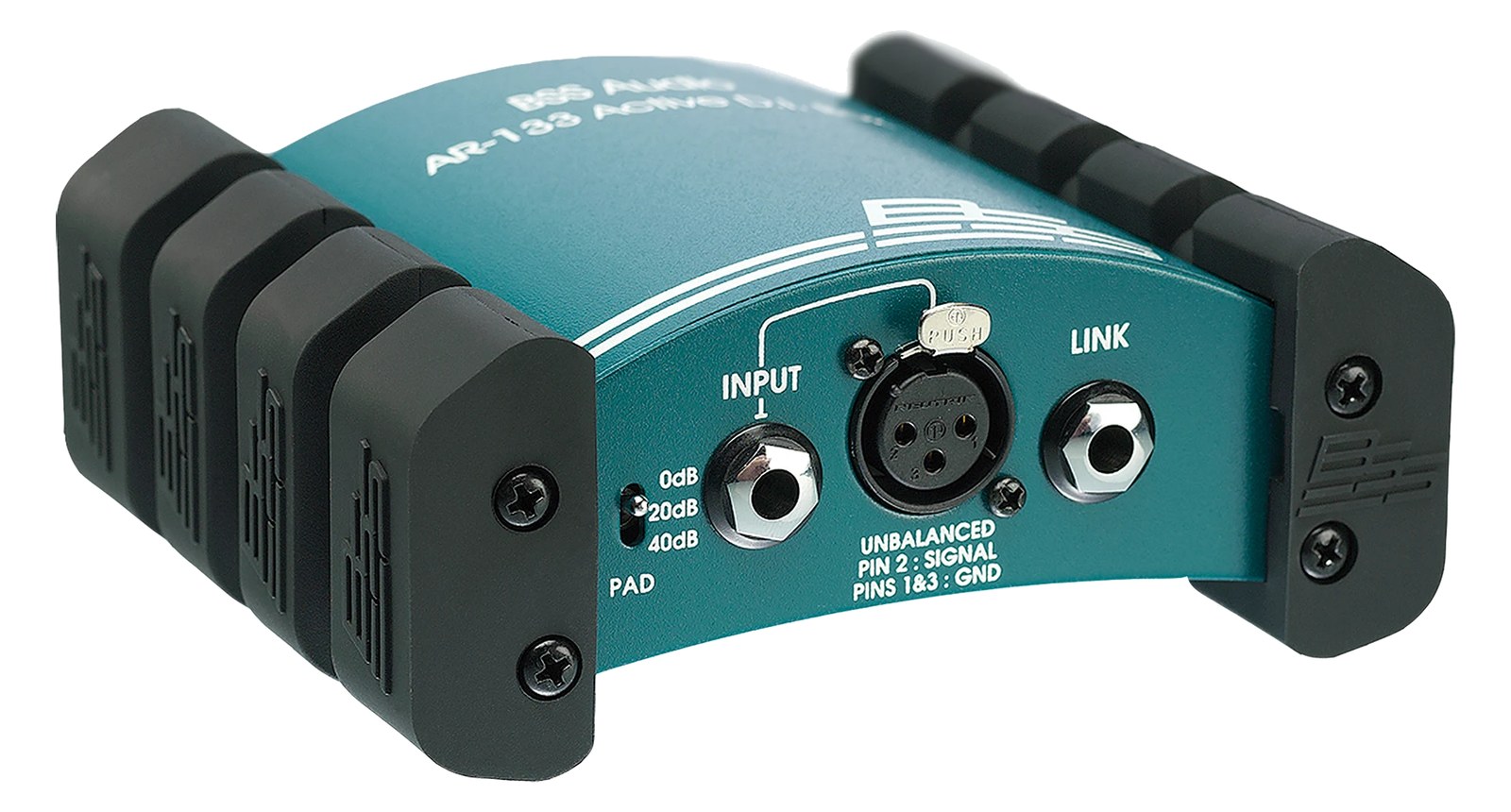
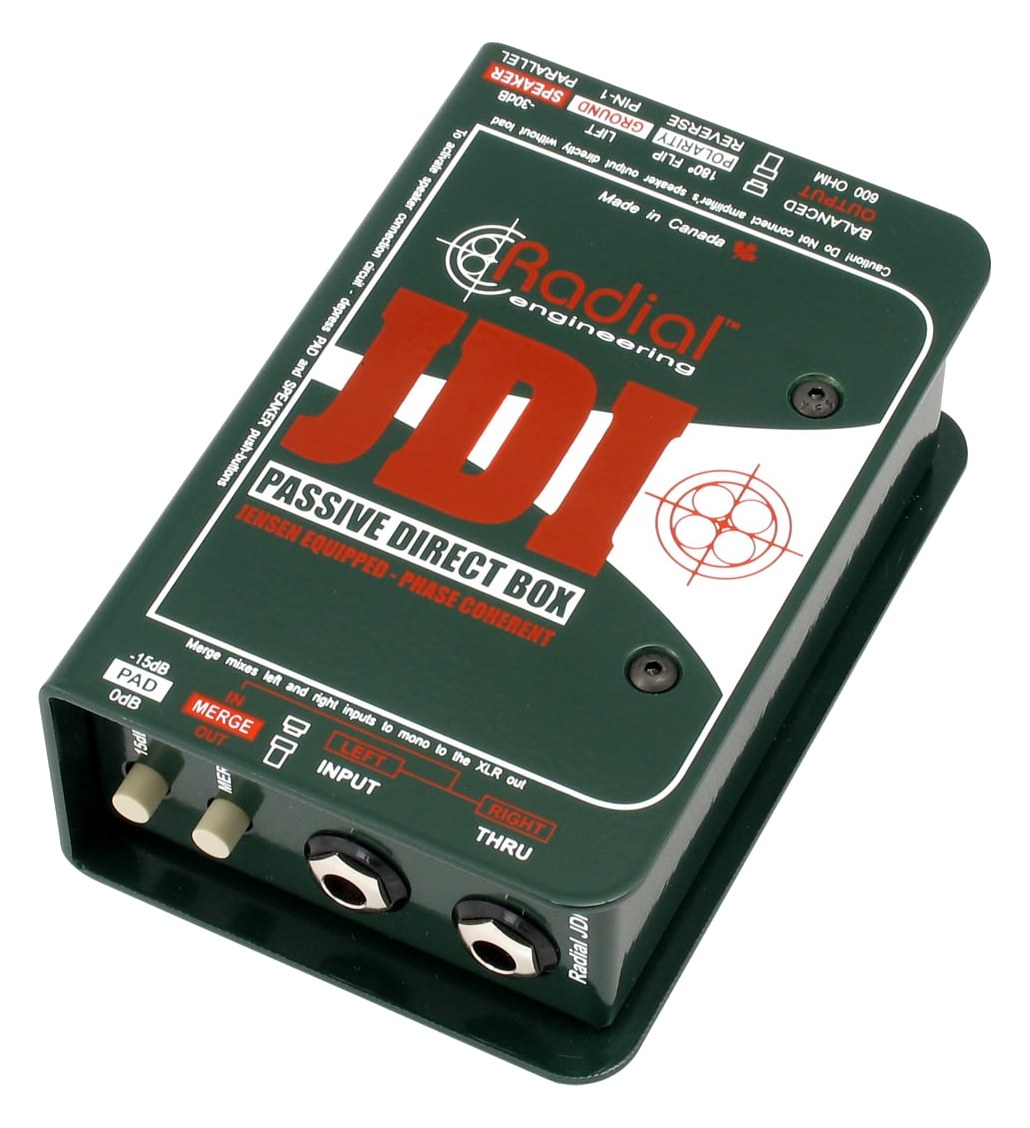
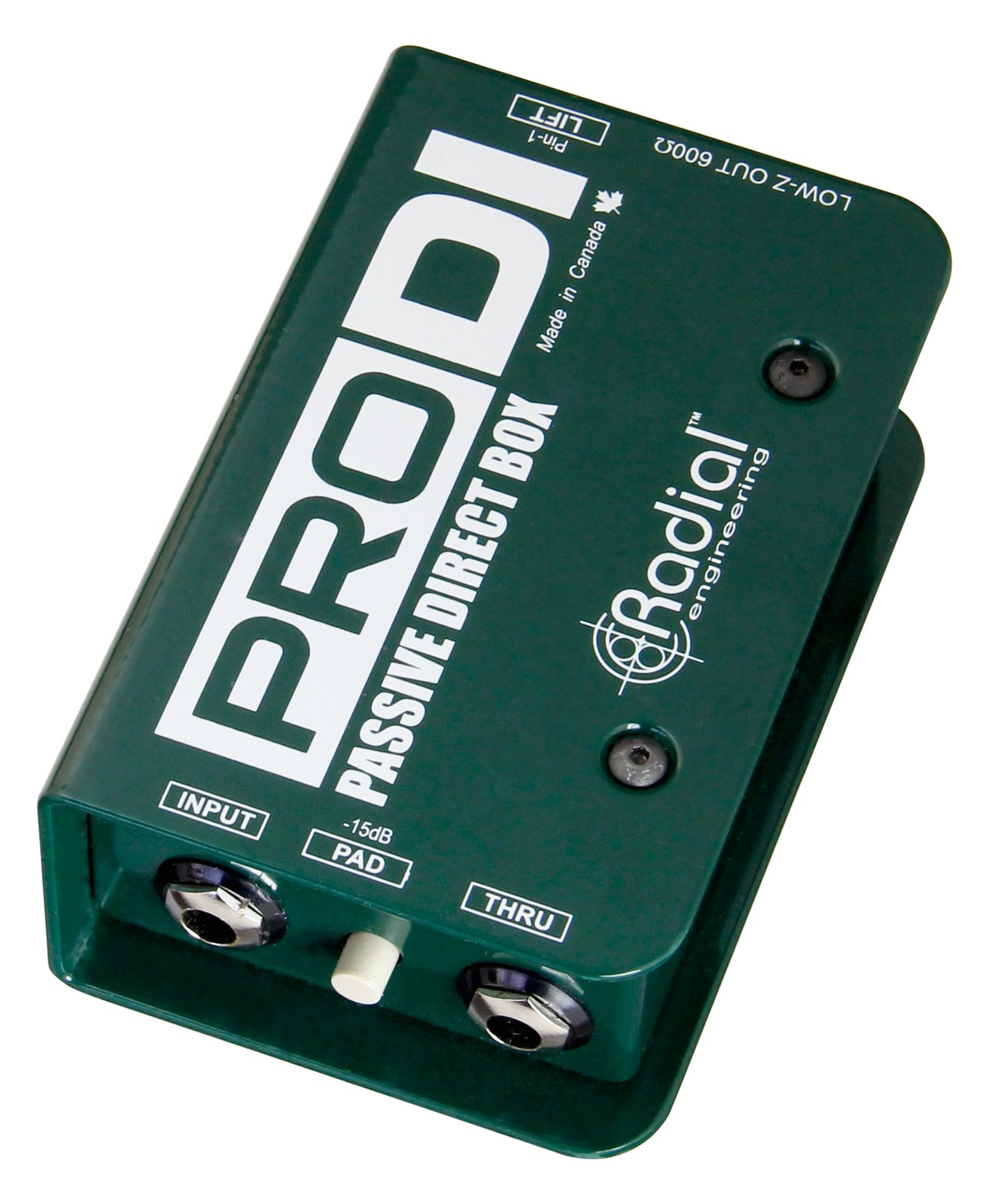
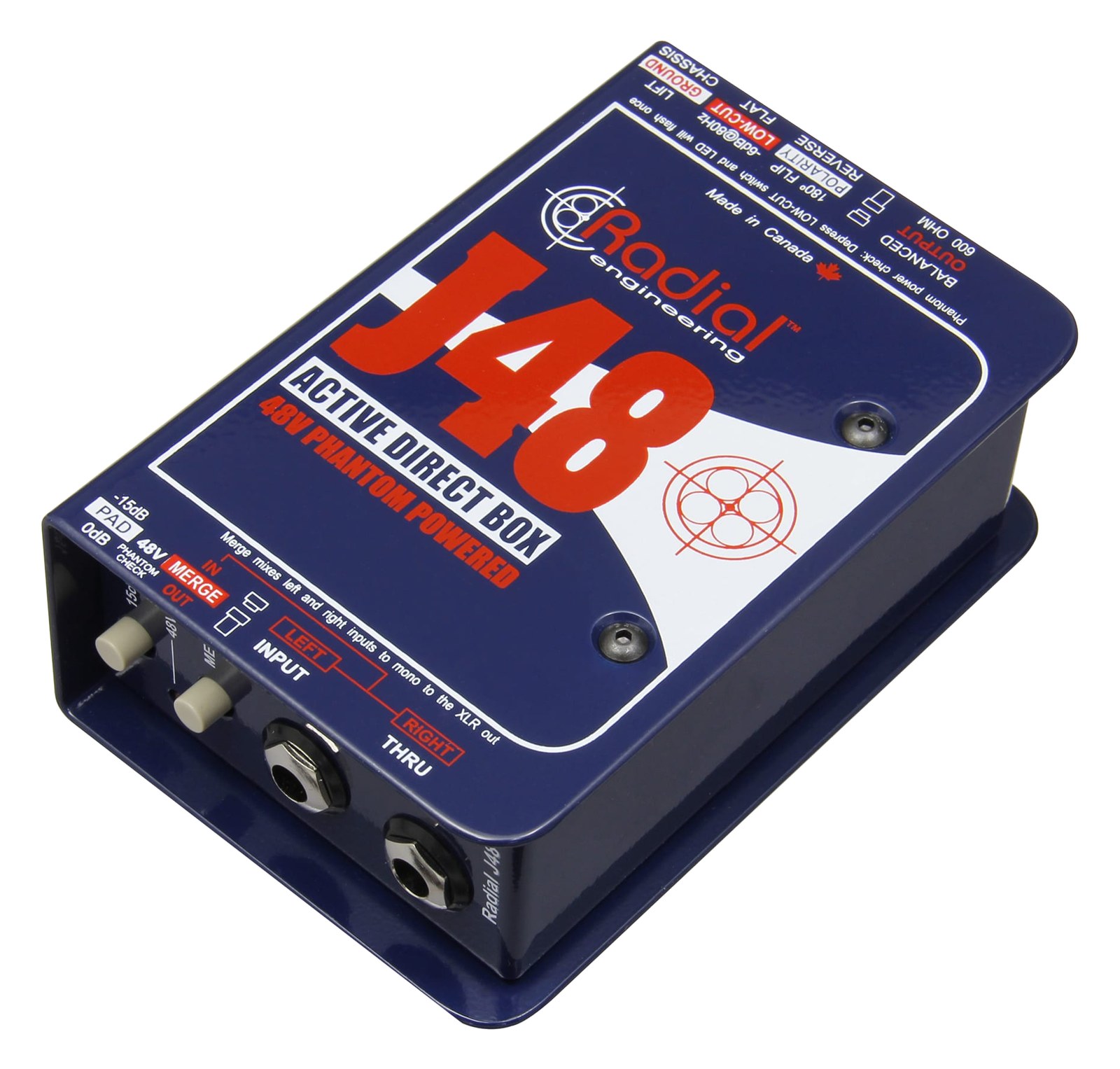
Manufacturer product photography — the drawn faceplate above stays true to panel layout; these show the hardware itself.
About the Countryman Type 85
The Countryman Type 85 is one of the most trusted active DIDirect Injection box — converts an instrument’s unbalanced signal to a balanced mic-level XLR so it can run long cables without noise. boxes in professional audio, known for its exceptional headroomThe margin between your normal level and where things clip — headroom is what absorbs the snare hit you didn’t see coming. and transparent sound quality. Its active design handles both high and low impedanceOpposition to signal flow, in ohms. Low-impedance IEMs are easier to drive loud; mismatches shift level and tone. sources gracefully, making it versatile enough for everything from acoustic guitars to keyboards. You will find these on stages and in studios worldwide, and they are a reliable staple for connecting instruments to your mixer or interface.
The Countryman Type 85 is a floor-grade active DIDirect Injection box — converts an instrument’s unbalanced signal to a balanced mic-level XLR so it can run long cables without noise. box that earns its place in serious rigs by doing one thing without drama: converting a high-impedanceOpposition to signal flow, in ohms. Low-impedance IEMs are easier to drive loud; mismatches shift level and tone. instrument signal into a clean, balancedCarries the signal on two wires and cancels whatever noise both pick up — why mic cables can run hundreds of feet hum-free. line-levelThe strong signal that runs between pieces of gear (about a volt) — hotter than mic level, far below speaker level. signal your console or interface can work with. It lives at the end of a keyboard snakeA multicore cable bundling many channels into one stage-to-console run. A sub-snake collects one corner of the stage into a drop box., under a guitar player's board, or wherever a source needs to hit your snake without a transformerA magnetic coupling that passes audio between two windings with no wire contact — isolates splits and kills ground-loop hum, no power needed. coloring it. It doesn't mount in the rack itself — it's a stagepiece — but it belongs in your kit list the same way a good cable tester does.
The active circuit runs on phantom powerThe +48 V a console sends up the mic cable to power condenser mics and active DI boxes — invisible to gear that doesn’t need it. drawn from your console, so it draws no additional power from your rig and carries no batteries to die mid-set. That active design gives it the headroomThe margin between your normal level and where things clip — headroom is what absorbs the snare hit you didn’t see coming. to handle the hot outputs of modern keyboards and synths without flinching, and the high input impedanceOpposition to signal flow, in ohms. Low-impedance IEMs are easier to drive loud; mismatches shift level and tone. means acoustic-electric pickups and passive basses see a proper load rather than a tone-sucking mismatch. The single TRSTip-Ring-Sleeve — a 1/4″ jack with three contacts carrying a balanced signal or a stereo pair. A guitar plug with one extra ring. quarter-inch input and XLRThe standard 3-pin locking connector for mics and balanced line signals — pin 1 is the shield, pins 2 and 3 carry the balanced pair. male output keep the signal path simple — nothing to misconfigure under pressure.
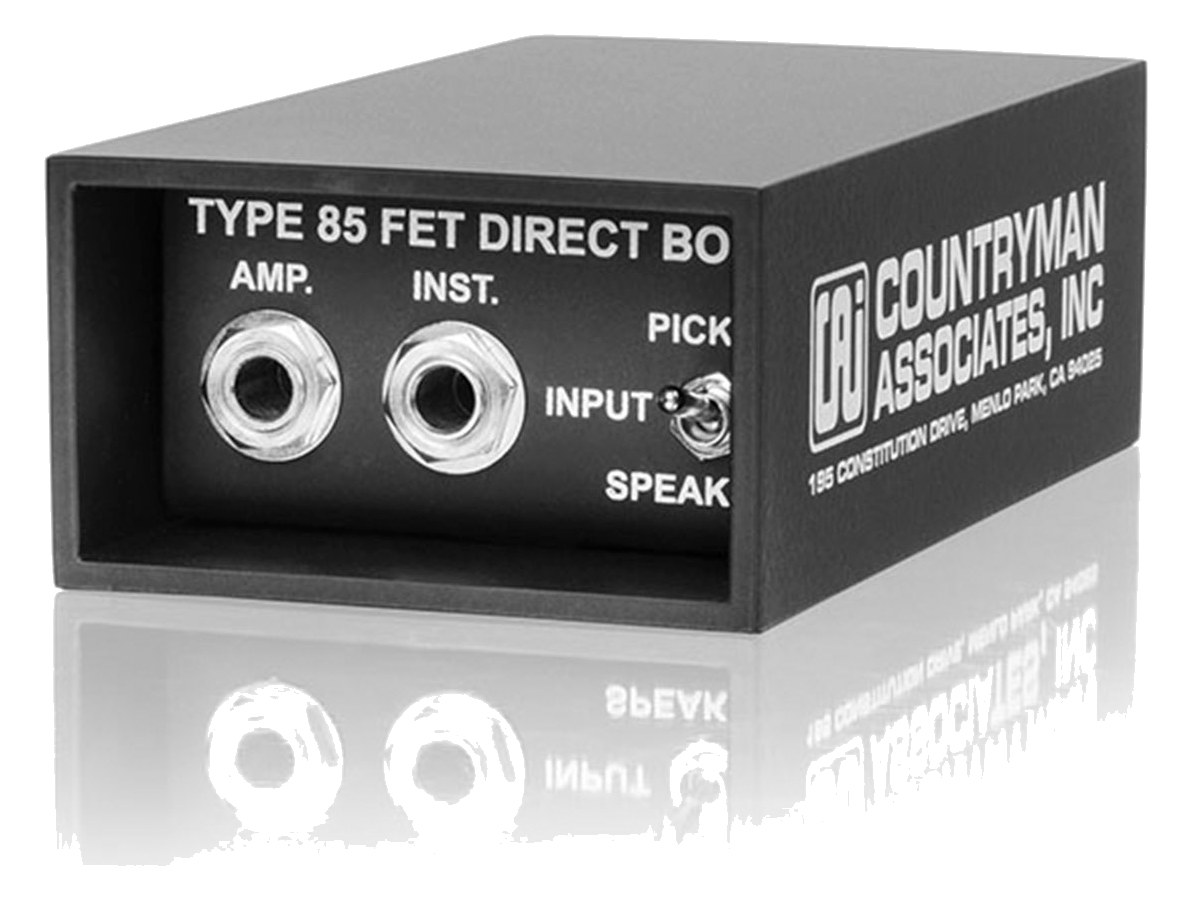
If your gig involves keyboards, playback rigs with direct outs, acoustic instruments, or any source that needs to hit a stage boxThe I/O endpoint on stage: mics plug in there and one digital line (AES50, Dante) carries everything to the console. The snake, digitized. cleanly, a Type 85 or two is a no-brainer at this price point. Where it's not the answer is if you need a passive DIDirect Injection box — converts an instrument’s unbalanced signal to a balanced mic-level XLR so it can run long cables without noise. to tame a hot amp speaker tap — for that you want a transformerA magnetic coupling that passes audio between two windings with no wire contact — isolates splits and kills ground-loop hum, no power needed.-based unit like a Radial JDI. It also won't help you if phantomThe +48 V a console sends up the mic cable to power condenser mics and active DI boxes — invisible to gear that doesn’t need it. isn't available on the receiving end, though that's rarely a real-world problem on any professional console.
In the rack
- Label each Type 85 with a strip of gaff and a permanent marker — they look identical on a dark stage floor and they wander between rigs if they're not marked as yours.
- Confirm phantom powerThe +48 V a console sends up the mic cable to power condenser mics and active DI boxes — invisible to gear that doesn’t need it. is active on the console channel before the player plugs in; the Type 85 won't pass signal without it, and 'my DIDirect Injection box — converts an instrument’s unbalanced signal to a balanced mic-level XLR so it can run long cables without noise. is dead' troubleshooting calls eat into soundcheck time.
- For keyboard rigs running stereo outputs, carry two Type 85s and run them into adjacent channels — they're consistent enough unit-to-unit that you won't hear a difference between sides.
- When building a playback or IEMIn-Ear Monitor — earpieces that replace floor wedges, feeding each player their own mix. The reason this whole rack exists. rig that includes direct instrument inputs at the stage edge, patch the Type 85 output into your snakeA multicore cable bundling many channels into one stage-to-console run. A sub-snake collects one corner of the stage into a drop box. and keep the box velcroed or clipped near the stage lip so it doesn't slide around during the set.
Industry-standard active DIDirect Injection box — converts an instrument’s unbalanced signal to a balanced mic-level XLR so it can run long cables without noise. box.
I/O Ports (2)
| Port | Connector | Direction | Signal | Channels |
|---|---|---|---|---|
| Input (TRS) | TRS QUARTER | input | analog audio | — |
| Output (XLR) | XLR MALE | output | analog audio | — |
Deciding between two?
Rack space, watts, weight and every connector, side by side.
Related gear
Related articles
Guides from our library that cover planning around di box gear.
How to build a live-performance playback rig that runs click + backing tracks reliably — interface sizing, routing rules, software comparison, and what to do when the laptop crashes.
Hum in an IEM mix hits harder than in wedges. How to design ground loops out of your rack — power, DIs, wireless transmitters, and laptop playback.