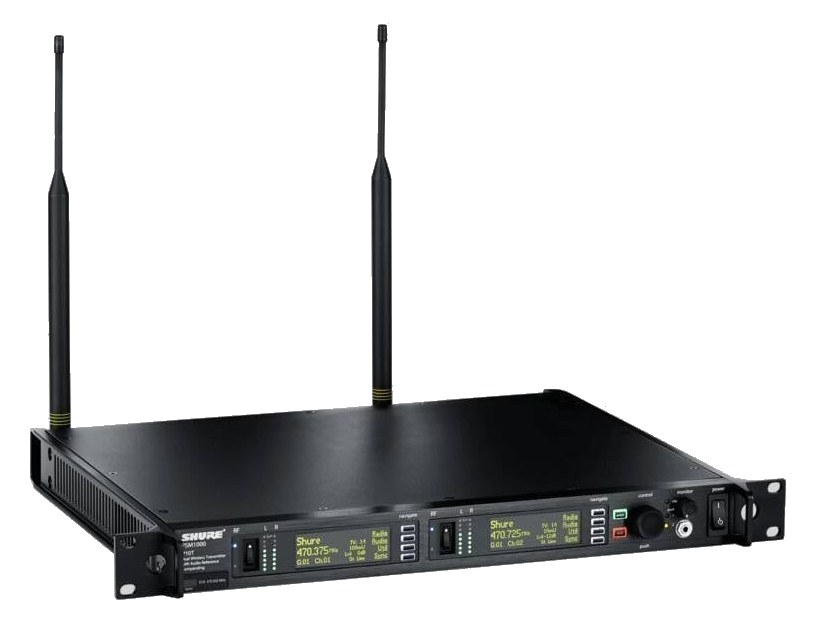
The flagship of Shure's IEM lineup, the PSM1000 delivers broadcast-quality wireless monitoring with exceptional RF performance and audio fidelity. Its dual-channel design lets you run two independent stereo mixes from a single 1U transmitter, with networked control over Wireless Workbench via the rear two-port Ethernet jack. This is the go-to choice for major tours and festivals where RF coordination and reliability are non-negotiable.
Discontinued. PSM1000/P10T unavailable at major retail 2026-07 - superseded by Axient Digital PSM (ADTD/ADTQ). Kept for owners; still the analog touring standard installed base.
Photos
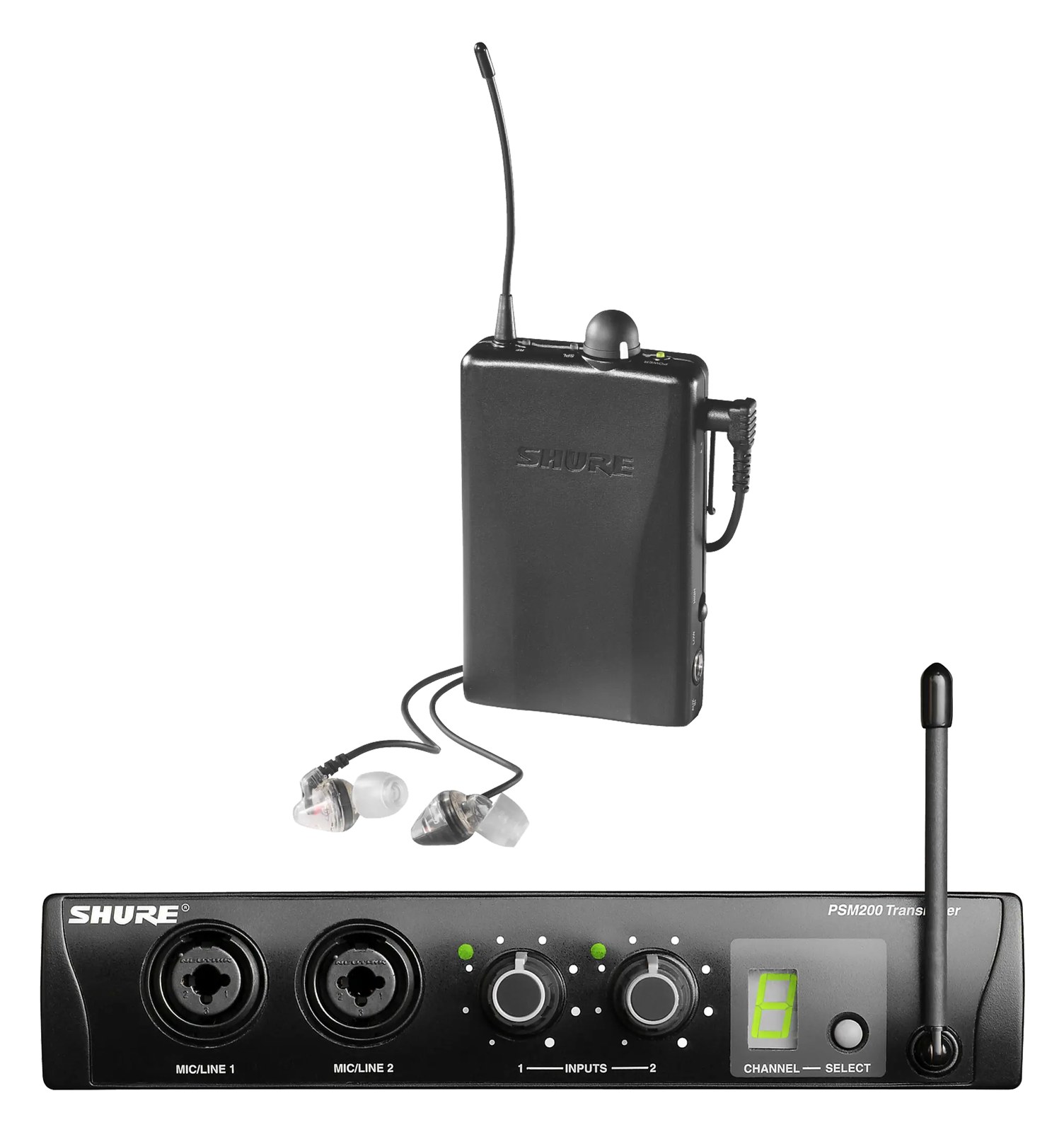
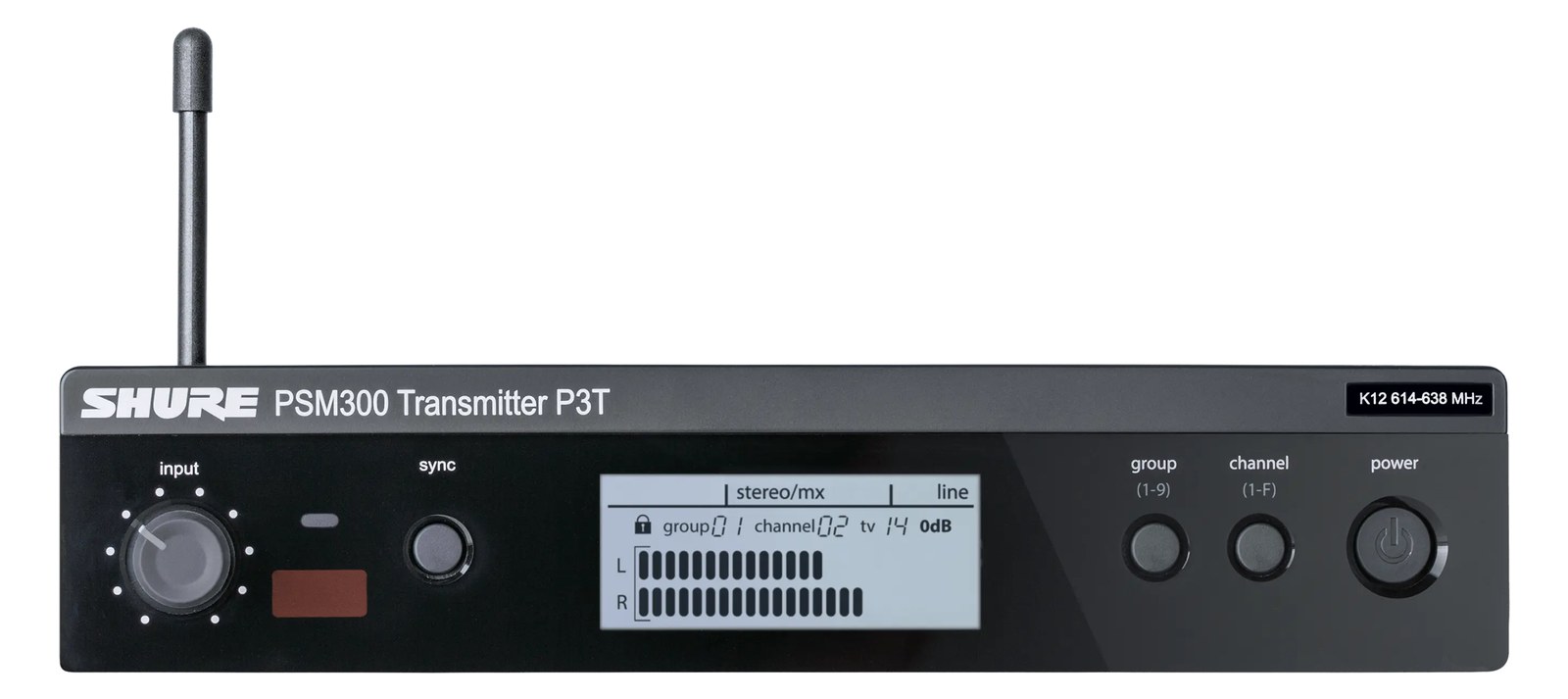
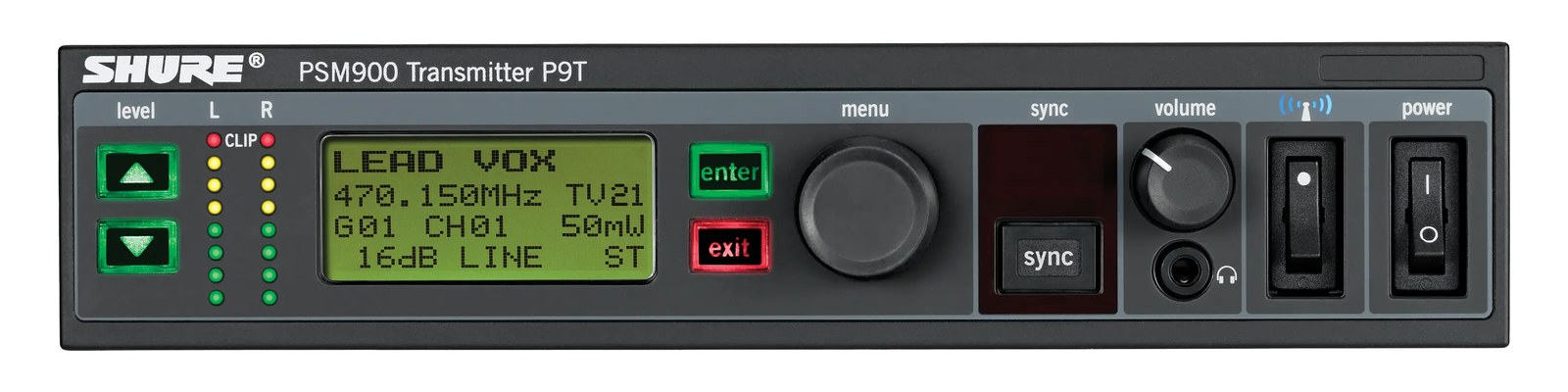
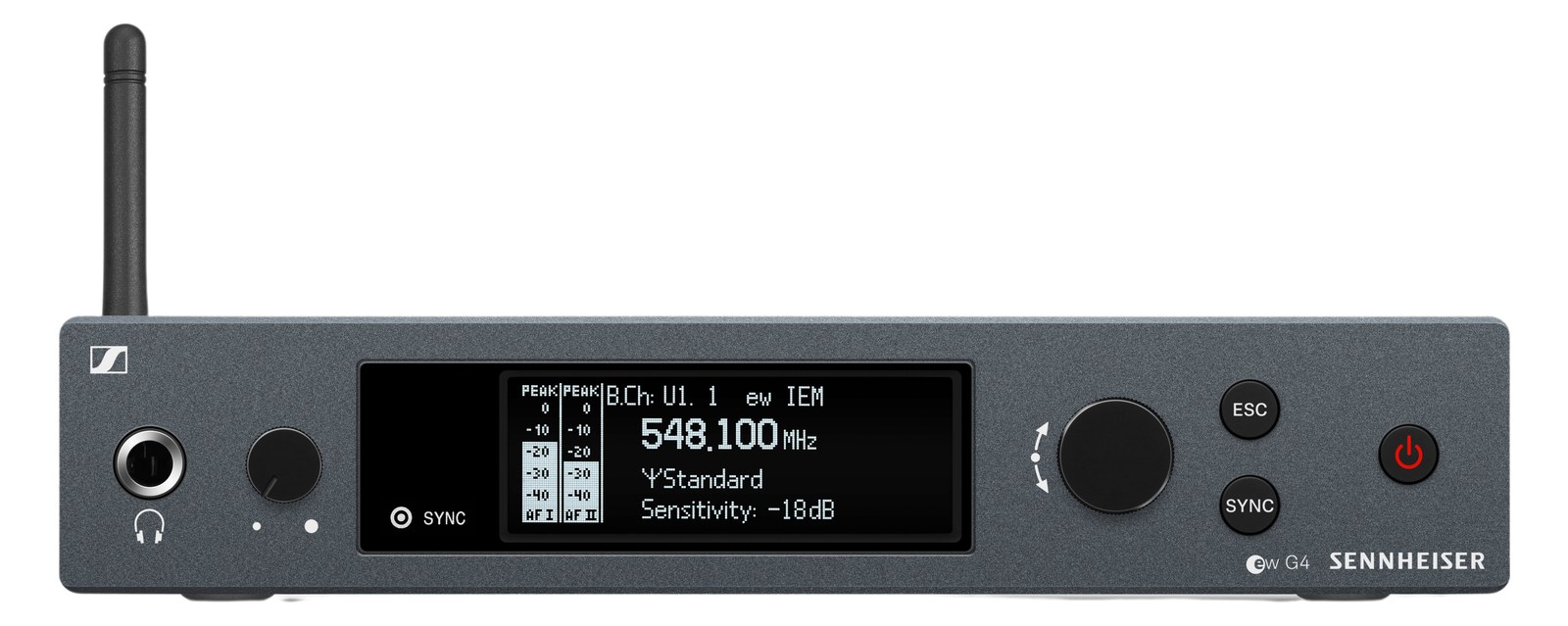
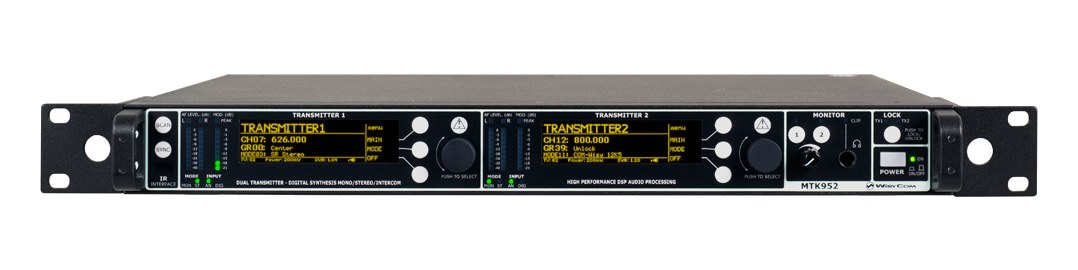
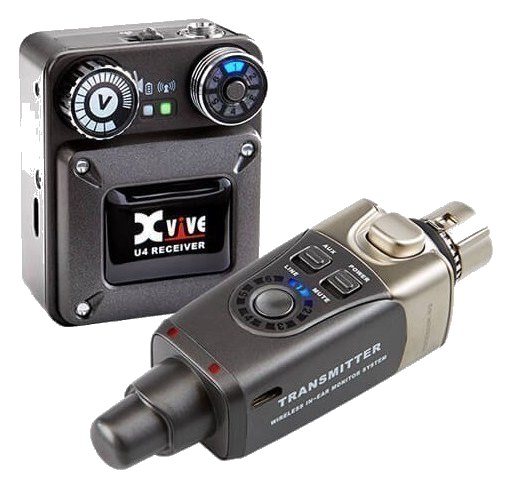
Manufacturer product photography — the drawn faceplate stays true to panel layout; these show the hardware itself.
~$3,899Use retailer rows for current price and stock
01 · What it does—and what that changes in your rig.
Product overview
Start with the payoff, then work through how it functions, where it fits, and the details that change a real build.
The payoff
IEM Transmitter decisions, organized around the whole rig.
The P10T is the transmitter half of the PSM1000 system — the IEMIn-Ear Monitor — earpieces that replace floor wedges, feeding each player their own mix. The reason this whole rack exists. rig most large tours standardize on, and the one every spec sheet gets compared against. One rack unitThe standard slice of rack height: 1U = 1.75″. A 3U box takes three slices; half-rack gear pairs two units side by side in one. carries two fully independent transmitters, each with its own XLRThe standard 3-pin locking connector for mics and balanced line signals — pin 1 is the shield, pins 2 and 3 carry the balanced pair. input pair feed, wideband tuning across a huge swath of UHFThe TV-band radio range (roughly 470–608 MHz in the US) where serious wireless mics and IEMs live — better behaved than crowded 2.4 GHz., and the kind of RFRadio Frequency — the wireless part of wireless. RF planning is why big rigs scan, coordinate, and combine antennas instead of hoping. filtering and intermodIntermodulation — ghost frequencies created when transmitters mix in each other’s electronics. Why multi-channel wireless is calculated, not guessed. behavior that lets you stack a dozen channels in a crowded downtown RF environment without the receivers gasping.
Documented outputs
88 destination connections
Documented inputs
5Based on documented inputs
Rack space
1UBuilder checks available rail space
Photo: Shure1U · 30W
Function
How it works in the path
The networking is the quiet superpower: the EtherConAn Ethernet plug inside a rugged XLR-style locking shell — tour-grade network connections that can’t be yanked loose. ports loop multiple P10T units onto one network run into Wireless WorkbenchShure’s free RF-management software — scans the airwaves, calculates compatible frequencies, and monitors every receiver from a laptop., where frequency coordinationCalculating a set of wireless frequencies that won’t interfere with each other or local TV — the homework behind a clean RF night., gainHow much the preamp amplifies the incoming signal. Too low and you’re hunting through hiss; too high and peaks clip., and monitoring for the whole rack happens from a laptop instead of front panels. On the RFRadio Frequency — the wireless part of wireless. RF planning is why big rigs scan, coordinate, and combine antennas instead of hoping. side, the two SMAThe small threaded RF connector on bodypacks and half-rack wireless — hand-tight antenna connections that survive a gig bag. outputs want to go into a combinerThe transmit-side twin of a distro: merges several IEM transmitters into one antenna without letting them intermodulate. (a COMBINE4/PA421-class unit) feeding one transmit antenna — every P10T whipping its own antenna inside a rack is how you build an intermodIntermodulation — ghost frequencies created when transmitters mix in each other’s electronics. Why multi-channel wireless is calculated, not guessed. generator.
Best fit
Where it earns its place in the rack
The honest framing for planners: at roughly $3,900 per dual transmitter before receivers, PSM1000 is the professional endgame, not the entry point. If the riderThe document attached to a booking that lists what the band needs — inputs, monitors, power, backline (and the green-room snacks). says broadcast, arena, or festival-grade RFRadio Frequency — the wireless part of wireless. RF planning is why big rigs scan, coordinate, and combine antennas instead of hoping., this is the line item. If the gig is clubs and the RF neighborhood is quiet, PSM900 or an EW-DX system delivers most of the audio for a fraction — and this page's related gear will happily show you both.
In the rack
Details worth deciding before load-in.
Combine transmitter RFRadio Frequency — the wireless part of wireless. RF planning is why big rigs scan, coordinate, and combine antennas instead of hoping. into one antenna via a combinerThe transmit-side twin of a distro: merges several IEM transmitters into one antenna without letting them intermodulate. — never a forest of whipsThe stock quarter-wave stick antenna that screws straight onto a receiver — fine for a channel or two in a small room. inside the rack.
Daisy-chain the EtherConAn Ethernet plug inside a rugged XLR-style locking shell — tour-grade network connections that can’t be yanked loose. network ports and run Wireless WorkbenchShure’s free RF-management software — scans the airwaves, calculates compatible frequencies, and monitors every receiver from a laptop. for coordination and monitoring.
Budget receivers (P10R+) separately — the system price is the transmitter plus one bodypack per ear mix.
At 30–40W each, a full rack of P10Ts deserves its own power-conditioner outlet bank.
02 · Know the whole path before you buy.
Signal path
Learn the route as a block diagram: source, product function, transport, and destination. Select any block to see what enters, what changes, and what leaves.
Interactive block diagramAuto-looping · hover, focus, or tap to hold a stage
Port-type signalProduct functionSystem boundary
Follow one signal from source to destination
Each block answers the same three questions: what arrives, what changes here, and what leaves.
01 · Source · selected
XLR/TRS combo + IEC C14
RJ45
¼-inch TRS + bnc
01 · Source
5 documented inputs
XLR/TRS combo + IEC C14
Arrives as
5 documented inputs
Connector
XLR/TRS combo + IEC C14
Signal
analog audio
03 · What this product asks of the rest of the system.
Compatibility
Treat connector names as the start of the check—not the answer. These are the boundaries that determine a complete working path.
Best fit · IEM Transmitter
Use it when 1U and 343 mm of depth fit the case.
Companion gear required
Plan Shure PSM1000 Bodypack Receiver before treating this path as complete.
Connector boundary
Documented connectors: XLR/TRS combo, ¼-inch TRS, RJ45, bnc. Match connector, direction, and signal type—not shape alone.
04 · Every connector, grouped by job.
I/O ports
Switch the product view and the documented port inventory updates with it—hardware and data stay side by side.
Every connector, grouped by job.
Switch panels to keep the hardware view and the documented port list in sync.
Front panelRear panel
All documented ports for Shure PSM1000 Dual Transmitter
Port
Panel
Connector
Direction
Signal
Channels
TX1 L/CH1
rear
XLR/TRS combo
input
analog audio
—
TX1 R/CH2
rear
XLR/TRS combo
input
analog audio
—
TX2 L/CH1
rear
XLR/TRS combo
input
analog audio
—
TX2 R/CH2
rear
XLR/TRS combo
input
analog audio
—
LOOP OUT 1 L
rear
¼-inch TRS
output
analog audio
—
LOOP OUT 1 R
rear
¼-inch TRS
output
analog audio
—
LOOP OUT 2 L
rear
¼-inch TRS
output
analog audio
—
LOOP OUT 2 R
rear
¼-inch TRS
output
analog audio
—
NETWORK 1
rear
RJ45
bidirectional
data
—
NETWORK 2
rear
RJ45
bidirectional
data
—
ANTENNA 1 OUT
rear
bnc
output
antenna
—
ANTENNA 2 OUT
rear
bnc
output
antenna
—
PHONES
front
trs eighth
output
analog audio
—
POWER IN
rear
IEC C14
input
power
—
POWER OUT
rear
IEC C14
output
power
—
Showing 15 of 15 documented physical ports. Scroll to review the remaining rows.
05 · Compare the decision, not just the price.
Alternatives
The rows are organized around fit, power, I/O, and system role so a cheaper unit cannot hide a more expensive workflow.
P10TThe flagship of Shure's IEM lineup, the PSM1000 delivers broadcast-quality wireless monitoring with exceptional RF performance and audio fidelity. Its dual-channel design lets you run two independent stereo mixes from a single 1U transmitter, with networked control over Wireless Workbench via the rear two-port Ethernet jack. This is the go-to choice for major tours and festivals where RF coordination and reliability are non-negotiable.View gear →
P2TR215CLThe PSM200 is Shure's most affordable wireless IEM system, providing a simple single-channel stereo mix in a half-rack transmitter. It is a good starter system for musicians transitioning from wedge monitors to in-ears, or for situations where budget is the primary constraint. While it lacks the RF sophistication and audio fidelity of higher-tier Shure systems, it gets the job done for basic monitoring needs.View gear →
P3TThe PSM300 is the entry point into Shure's professional IEM ecosystem and a great option for smaller acts, worship environments, and rehearsal spaces. Its half-rack form factor means you can pair two in a single rack space, keeping your rig compact. Audio quality is solid for the price point, and it uses the same MixMode stereo technology as higher-end Shure systems.View gear →
P9TThe PSM900 sits in the sweet spot between the budget PSM300 and the flagship PSM1000, offering professional-grade audio quality and solid RF performance in a half-rack form factor. It is well-suited for mid-level touring acts and corporate events where you need reliable wireless IEM monitoring without the full cost of the PSM1000. Two of these can share a single rack space, making it efficient for multi-channel IEM deployments.View gear →
06 · Resolve the questions that can change the purchase or build plan.
Planning questions
Short, source-backed answers surface rack fit, power, cabling, and connection details before they become surprises.
How will the Shure PSM1000 Dual Transmitter affect rack fit and case depth?
It occupies 1U. Its documented depth is 343 mm.
How much power does the Shure PSM1000 Dual Transmitter draw?
Typical draw is 30W and documented maximum draw is 60W.
What connections does the Shure PSM1000 Dual Transmitter have?
15 documented physical ports, including TX1 L/CH1, TX1 R/CH2, TX2 L/CH1, TX2 R/CH2, LOOP OUT 1 L, LOOP OUT 1 R.
Is the Shure PSM1000 Dual Transmitter discontinued?
PSM1000/P10T unavailable at major retail 2026-07 - superseded by Axient Digital PSM (ADTD/ADTQ). Kept for owners; still the analog touring standard installed base.
07 · See this unit inside a real rack plan.
Builder preview
Placement is only the start. Builder checks space · depth · weight, power headroom, dependencies, and compatible signal paths around this exact catalog item.Open in Builder