
Etymotic ER4XR IEM Earphones
Etymotic·Model ER4XR·etymotic-er4xr
Photos
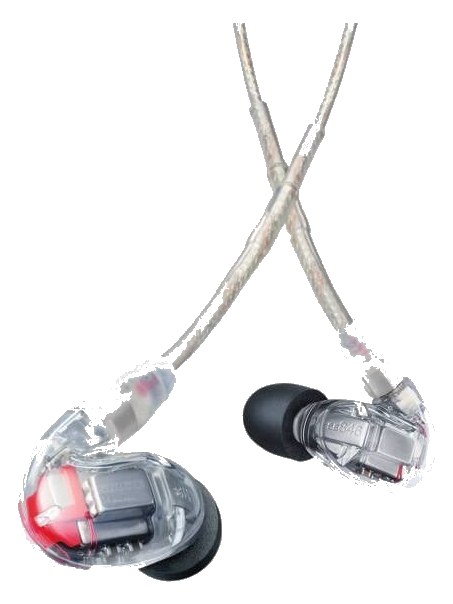
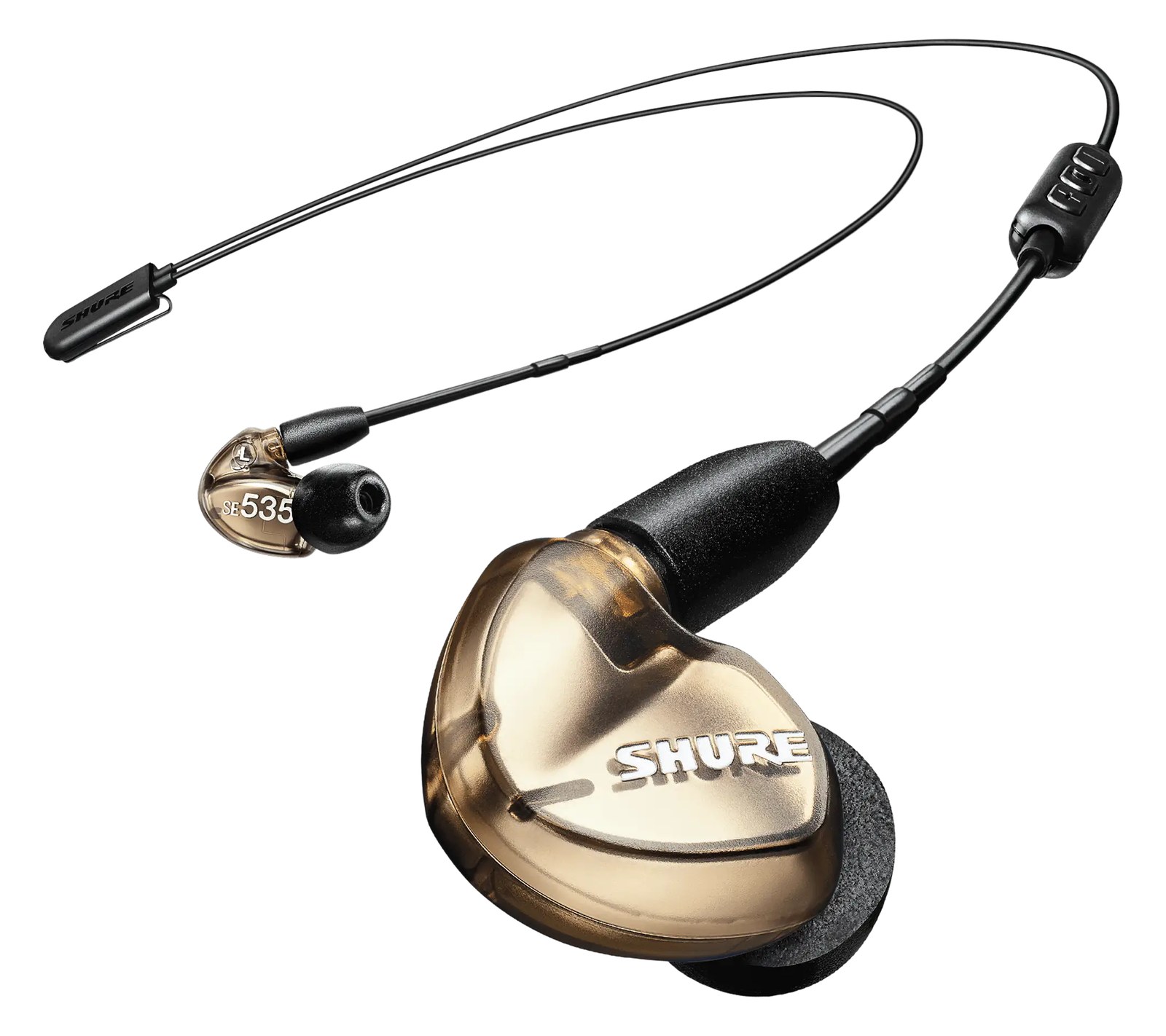
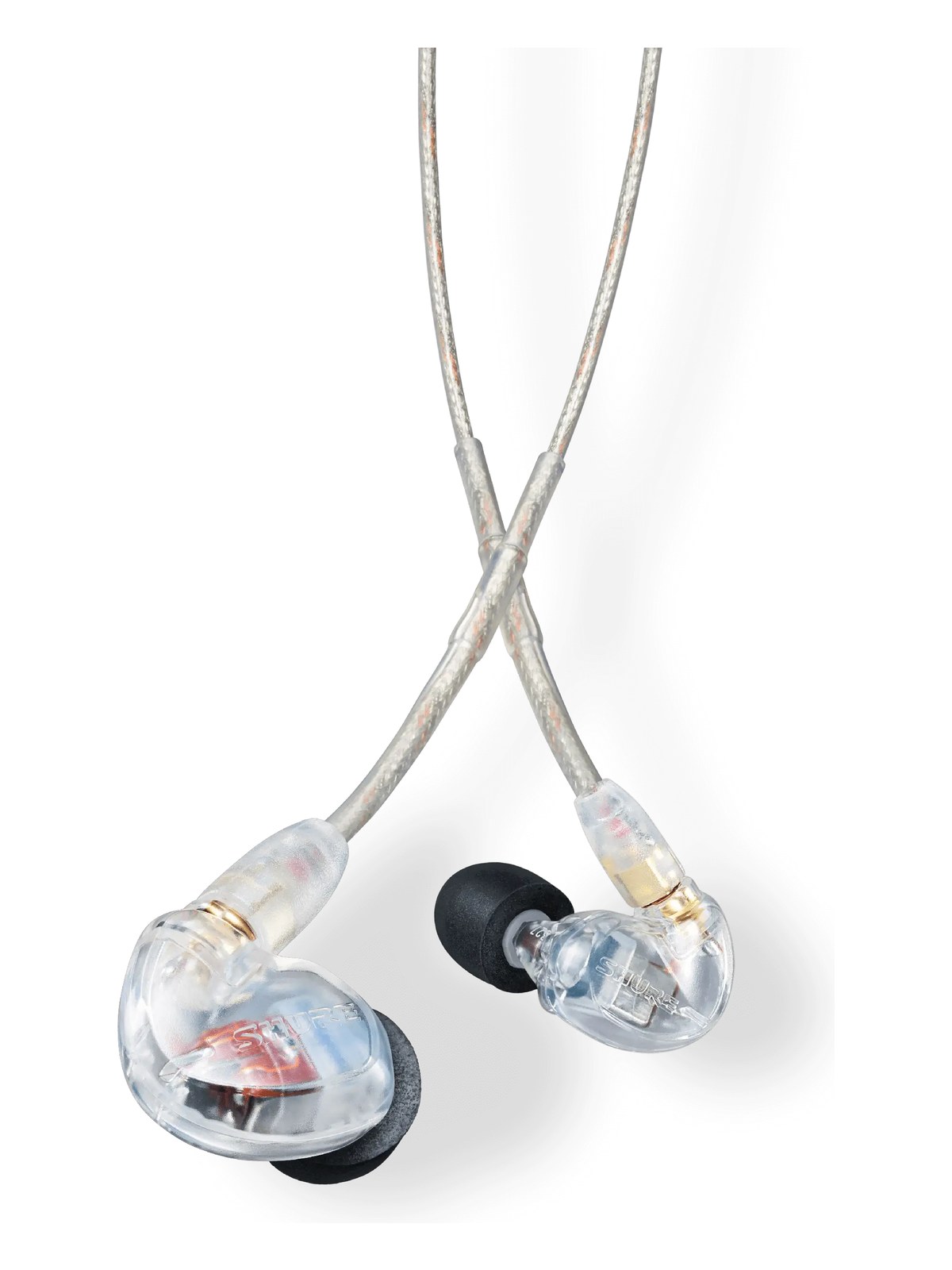
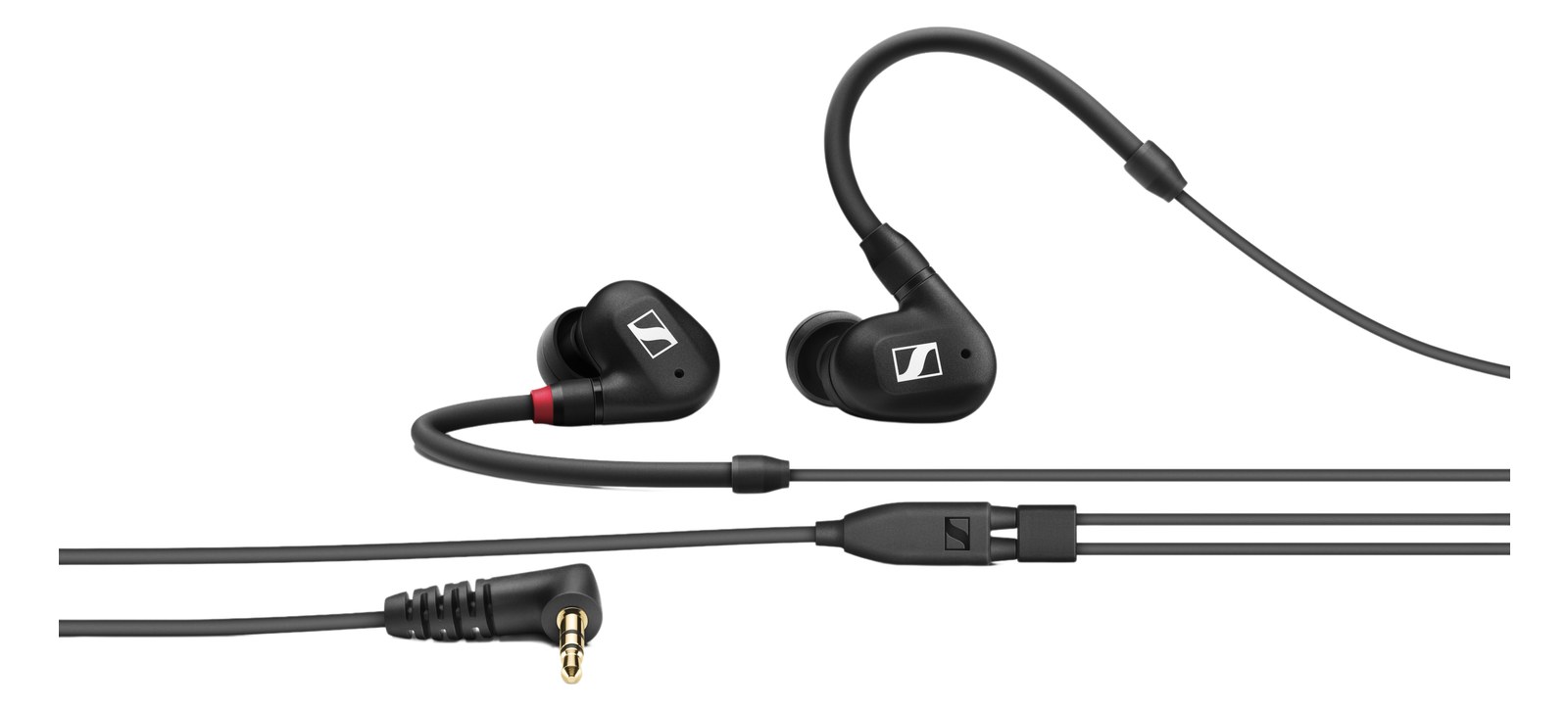
Manufacturer product photography — the drawn faceplate above stays true to panel layout; these show the hardware itself.
About the Etymotic ER4XR
The Etymotic ER4XR is a single balanced armatureA tiny hearing-aid-derived driver used in pro IEMs — fast and detailed, often several per ear, each covering its own frequency range. driver IEMIn-Ear Monitor — earpieces that replace floor wedges, feeding each player their own mix. The reason this whole rack exists. known for its remarkably flat and accurate frequency responseThe range of lows-to-highs a device reproduces and how evenly it does it — flat means nothing is hyped or missing., favored by audio engineers and musicians who prioritize monitoring accuracy over hype. The deep-insertion tri-flange tips provide outstanding noise isolation, which is valuable in loud stage environments. A great choice for engineers who use IEMs as reference monitors and need to hear exactly what the mix is doing.
The ER4XR is Etymotic's extended-response variant of their long-running ER4 line — a single balanced armatureA tiny hearing-aid-derived driver used in pro IEMs — fast and detailed, often several per ear, each covering its own frequency range. driver IEMIn-Ear Monitor — earpieces that replace floor wedges, feeding each player their own mix. The reason this whole rack exists. built around one idea: tell you the truth about your mix. There's no added low-end warmth, no hyped top end, no attempt to make music sound flattering. It sits in a rack rig the same way a measurement microphone sits at a console — as a reference tool. If you're an engineer running your own in-ears to check what your playback or monitor mix is actually doing, this is the kind of earphone that earns its place on a gig.
The deep-insertion tri-flange tips are the spec that matters most on a loud stage. Passive isolation in the range Etymotic achieves with that fit means you're not fighting stage wash to hear your mix — you're hearing the mix almost on its own terms. The single balanced armatureA tiny hearing-aid-derived driver used in pro IEMs — fast and detailed, often several per ear, each covering its own frequency range. driver is inherently efficient and needs no power of its own, so it'll run quietly off any bodypack with no hiss concerns worth noting. The flat response means reference-level decisions — is that low-mid build real or is it my ears? — actually hold up when you pull the earphones and check at the desk.
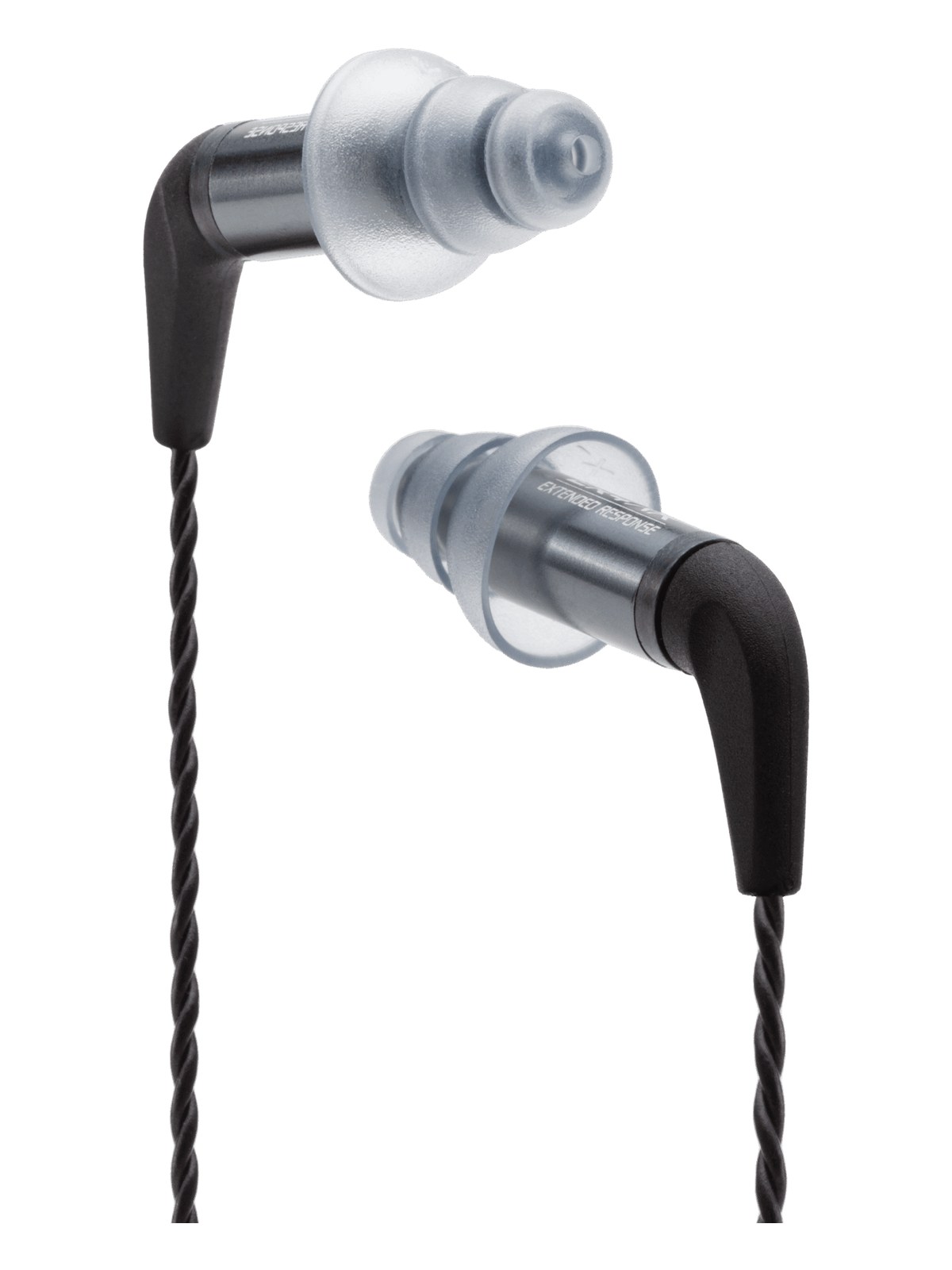
Pick the ER4XR if you want a monitoring reference you can trust more than your room and you're willing to wear a proper deep-fit tip every show. They reward engineers and musicians who have already developed an ear for what flat sounds like and don't need bass emphasis to feel confident in a mix. If you're a performer who wants warmth and body in your in-ears to stay connected to the music emotionally, look elsewhere — something with a more musical voicing will serve you better. These are a working tool, not a listening pleasure.
In the rack
- Take time to seat the tri-flange tips fully at soundcheck — a shallow fit kills the isolation advantage and makes the low end disappear, which will send you chasing phantomThe +48 V a console sends up the mic cable to power condenser mics and active DI boxes — invisible to gear that doesn’t need it. problems in the mix.
- Carry at least one spare set of tri-flange tips in your bag. They're Etymotic-specific sizing and you won't find replacements at the venue.
- If you're using these as a mix reference alongside a set of wedgesA floor monitor speaker angled up at the performer — the thing IEMs replace, and the thing you fall back on when they die. or a louder performing artist's IEMIn-Ear Monitor — earpieces that replace floor wedges, feeding each player their own mix. The reason this whole rack exists. mix, do a quick A/B on a known source before doors — confirm your ears are calibrated to the flat response before you start making mix decisions.
- The cable exits from the earphone body in a way that works better looped over the ear than hanging straight down on a sweaty stage — train that habit early so the fit stays consistent through a full show.
Extended response single-driver IEMIn-Ear Monitor — earpieces that replace floor wedges, feeding each player their own mix. The reason this whole rack exists..
I/O Ports (0)
No ports.
Related gear


Related articles
Guides from our library that cover planning around earphones / iems gear.
What an IEM rig actually is, the components that go into one, and how to plan your first one without overspending or blowing a circuit.
A plain-English plan for bands switching from floor wedges to in-ear monitors — what to buy, what to expect at the first rehearsal, and how to not hate it.
Why sealed IEMs make you feel disconnected from the room — and exactly how to put the audience back into your mix with one or two well-placed mics.
A feedback squeal in a sealed ear can hit 130 dB SPL instantly. Where the limiter goes, what thresholds make sense, and the daily soundcheck habit that verifies it actually catches.