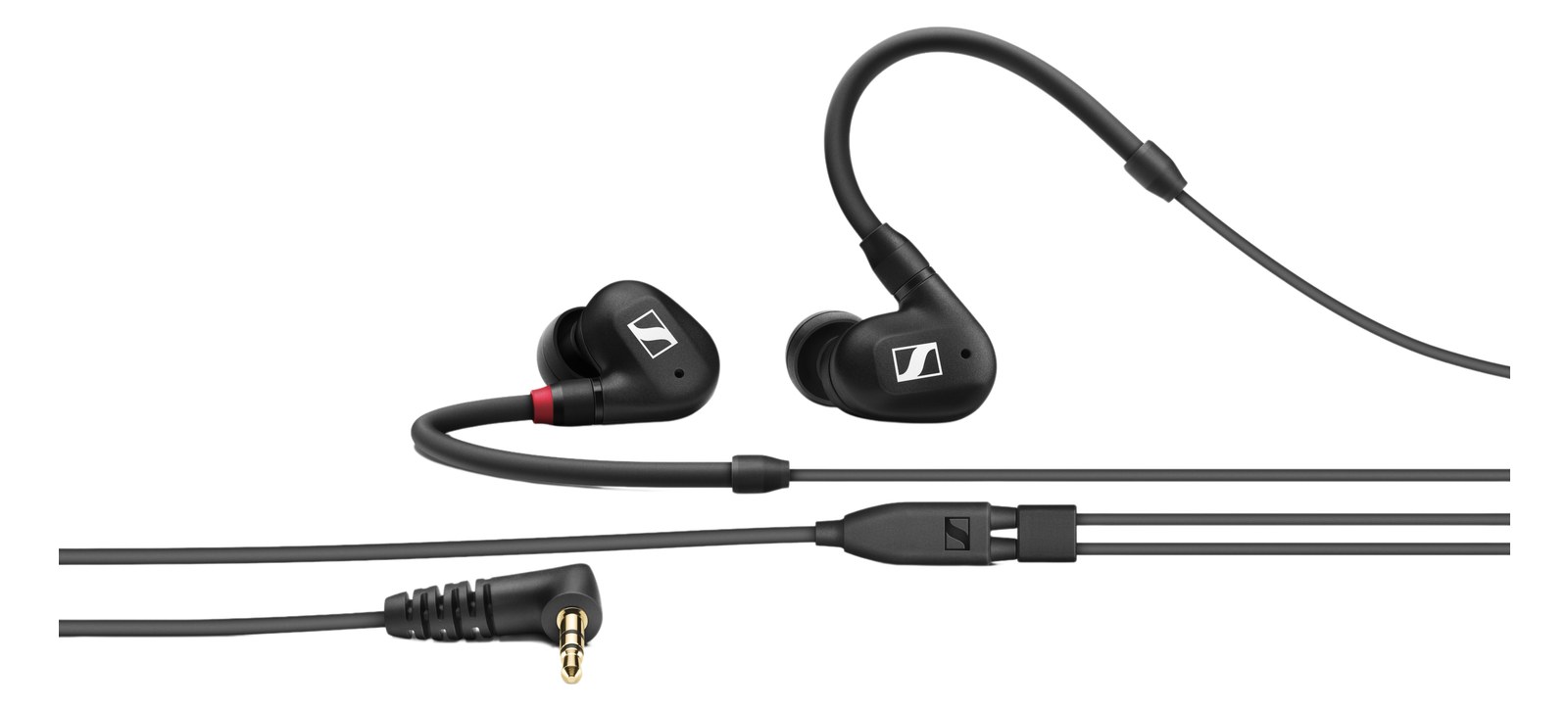
The Westone AM Pro X30 is designed specifically for performing musicians, with ambient sound ports that let in a controlled amount of stage sound alongside your IEM mix. This helps performers who feel disconnected from the live environment when using fully isolating IEMs, providing a more natural monitoring experience. The triple-driver design delivers a balanced frequency response that works well across all instrument types and vocal ranges.
UnverifiedPower requirement is not verified in the catalog
Catalog estimate
~$399Use retailer rows for current price and stock
01 · What it does—and what that changes in your rig.
Product overview
Start with the payoff, then work through how it functions, where it fits, and the details that change a real build.
The payoff
Earphones / IEMs decisions, organized around the whole rig.
The Westone AM Pro X30 sits in a specific and honest niche: it is a triple-driver in-ear monitor built for performing musicians who want the clarity of IEMIn-Ear Monitor — earpieces that replace floor wedges, feeding each player their own mix. The reason this whole rack exists. monitoring without the full acoustic seal that makes some players feel like they are performing in a sensory deprivation tank. The defining feature is the ambient port, a passive vent that allows a controlled amount of stage sound — room ambience, drum bleed, the physical energy of a loud stage — to blend with the fed mix. This is not a workaround or a compromise label; it is a deliberate design philosophy for players who need to stay connected to the room.
Equipment type
Earphones / IEMsCatalog classification
Documented weight
0.02 kgUsed in transport and case planning
Rack placement
Non-rackTracked outside rack rails
Westone product panelOutside rack · Unverified
Function
How it works in the path
Three drivers give the X30 enough range to handle low-end thump, midrange presence, and high-frequency articulation without the single-driver cloudiness that budget IEMsIn-Ear Monitor — earpieces that replace floor wedges, feeding each player their own mix. The reason this whole rack exists. often carry into the low mids. In practice at show time, that balancedCarries the signal on two wires and cancels whatever noise both pick up — why mic cables can run hundreds of feet hum-free. response means a monitor engineer can send a relatively clean, unprocessed mix without over-compensating with EQ to make up for a transducer's weaknesses. The ambient ports do reduce isolation compared to a sealed IEM — expect real-world isolation closer to a musician's earplug than a fully sealed custom — so stage volume and bleed will factor into your mix decisions. Plan your send level accordingly.
Best fit
Where it earns its place in the system
The X30 makes the most sense for musicians who have tried fully isolating IEMsIn-Ear Monitor — earpieces that replace floor wedges, feeding each player their own mix. The reason this whole rack exists. and kept pulling one ear out, or for performers on stages where a little ambient bleed actually helps them play in the pocket. Guitarists, drummers, and acoustic instrumentalists who rely on physical feel and room sound tend to land here. If your artist needs maximum isolation — a vocalist fighting a loud wedgeA floor monitor speaker angled up at the performer — the thing IEMs replace, and the thing you fall back on when they die. wash, or a musician with hearing protection requirements — look at a sealed triple-driver instead. At $399, this is a serious working tool, not a starter IEM, and it rewards a proper custom-tip or comply-foam fit to get the ambient balance performing as designed.
In the rack
Details worth deciding before load-in.
Fit matters more than usual here — the ambient port's blend ratio changes dramatically with seal quality, so dial in tip size and style during soundcheck, not at show time.
Because isolation is lower than a sealed IEMIn-Ear Monitor — earpieces that replace floor wedges, feeding each player their own mix. The reason this whole rack exists., keep your send level conservative on loud stages; the artist is hearing more stage bleed than you might assume, and a hot mix will stack on top of it rather than replace it.
Label the cable end that belongs stage-left and stage-right during initial fit — the over-ear cable memory on Westone monitors locks in quickly, and a reversed pair will feel wrong every night.
If the artist is transitioning from wedgesA floor monitor speaker angled up at the performer — the thing IEMs replace, and the thing you fall back on when they die., use the ambient port as a selling point rather than hiding it: frame the X30 as 'wedge feel, IEMIn-Ear Monitor — earpieces that replace floor wedges, feeding each player their own mix. The reason this whole rack exists. control' and the adoption curve gets much shorter.
03 · What this product asks of the rest of the system.
Compatibility
Treat connector names as the start of the check—not the answer. These are the boundaries that determine a complete working path.
Best fit · Earphones / IEMs
Use it as earphones / iems tracked outside rack rails; follow the manufacturer’s mounting and form-factor guidance.
Plan the companion path
Use documented companion accessories and system pairing; no physical connector map is verified for this catalog item.
Documentation boundary
No physical connector map is documented. Do not infer compatibility from category or product shape alone.
05 · Compare the decision, not just the price.
Alternatives
The rows are organized around fit, power, I/O, and system role so a cheaper unit cannot hide a more expensive workflow.
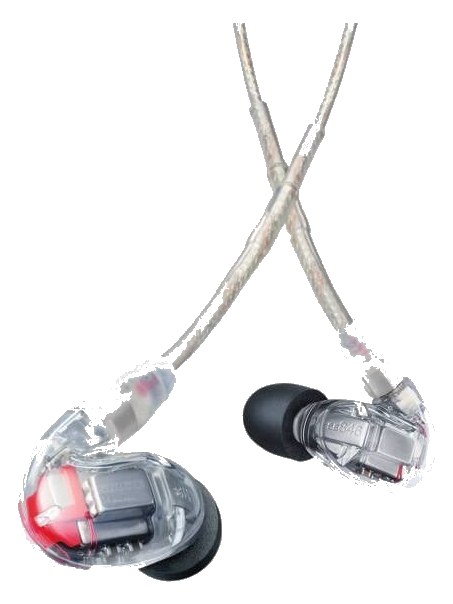
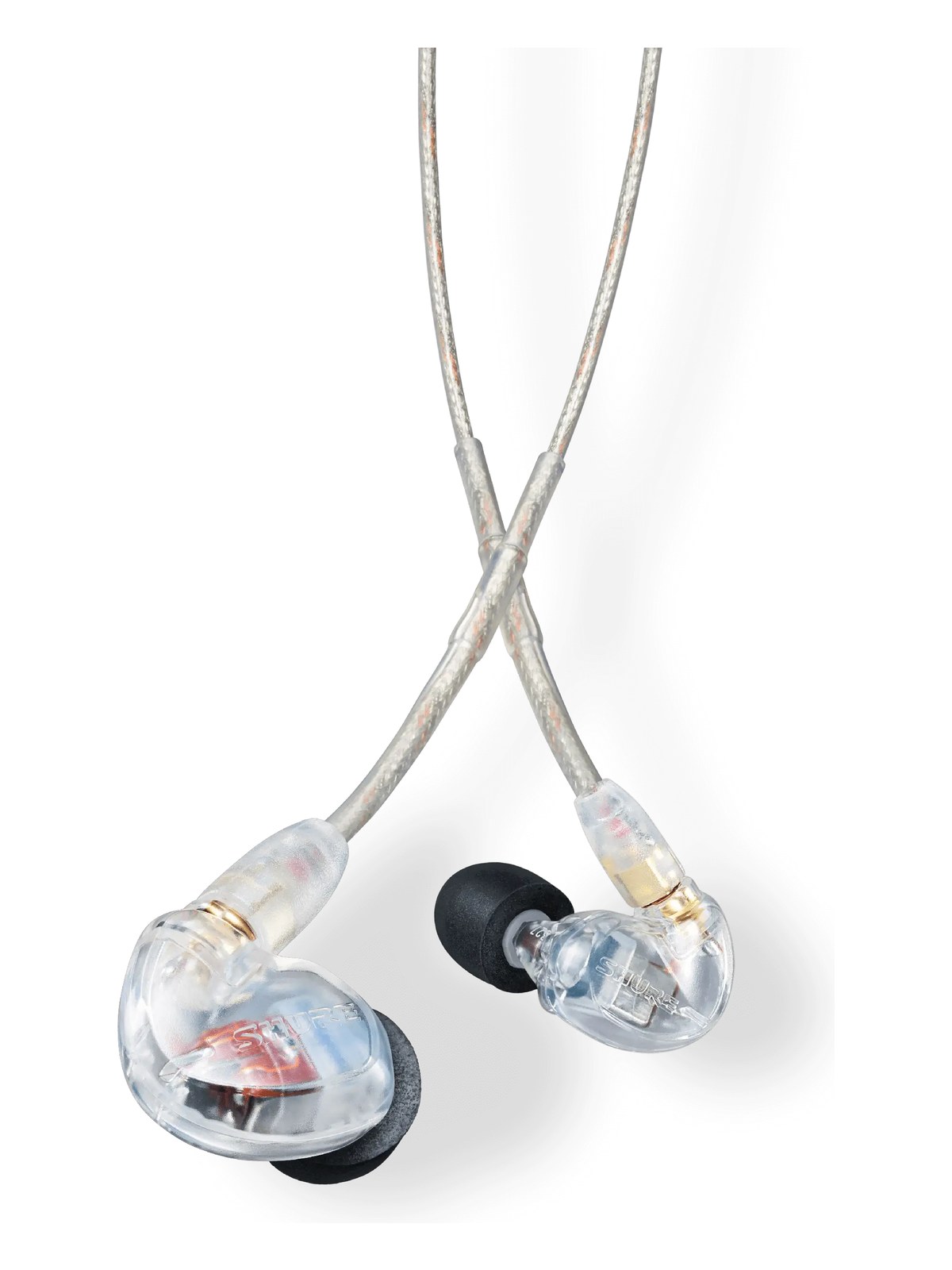
AM Pro X30The Westone AM Pro X30 is designed specifically for performing musicians, with ambient sound ports that let in a controlled amount of stage sound alongside your IEM mix. This helps performers who feel disconnected from the live environment when using fully isolating IEMs, providing a more natural monitoring experience. The triple-driver design delivers a balanced frequency response that works well across all instrument types and vocal ranges.View gear →
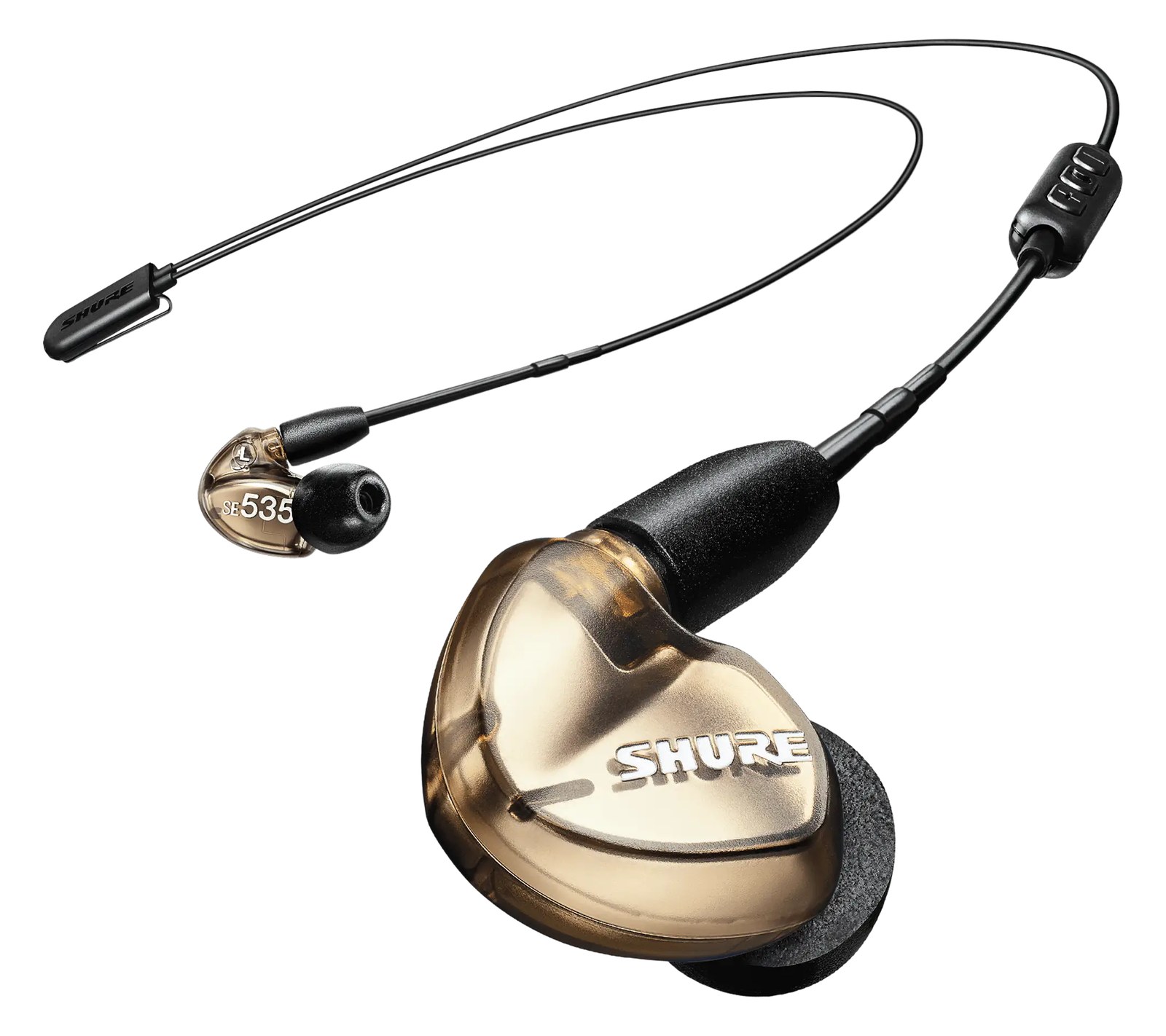
SE846The Shure SE846 is a flagship universal-fit IEM with four balanced armature drivers per side, delivering exceptional detail and low-end extension that rivals many custom-molded options. Interchangeable nozzle inserts let you tune the frequency response to taste, and the detachable MMCX cables make replacement easy on the road. These are a top-tier choice for performers who want premium sound quality without the wait and expense of custom ear molds.View gear →
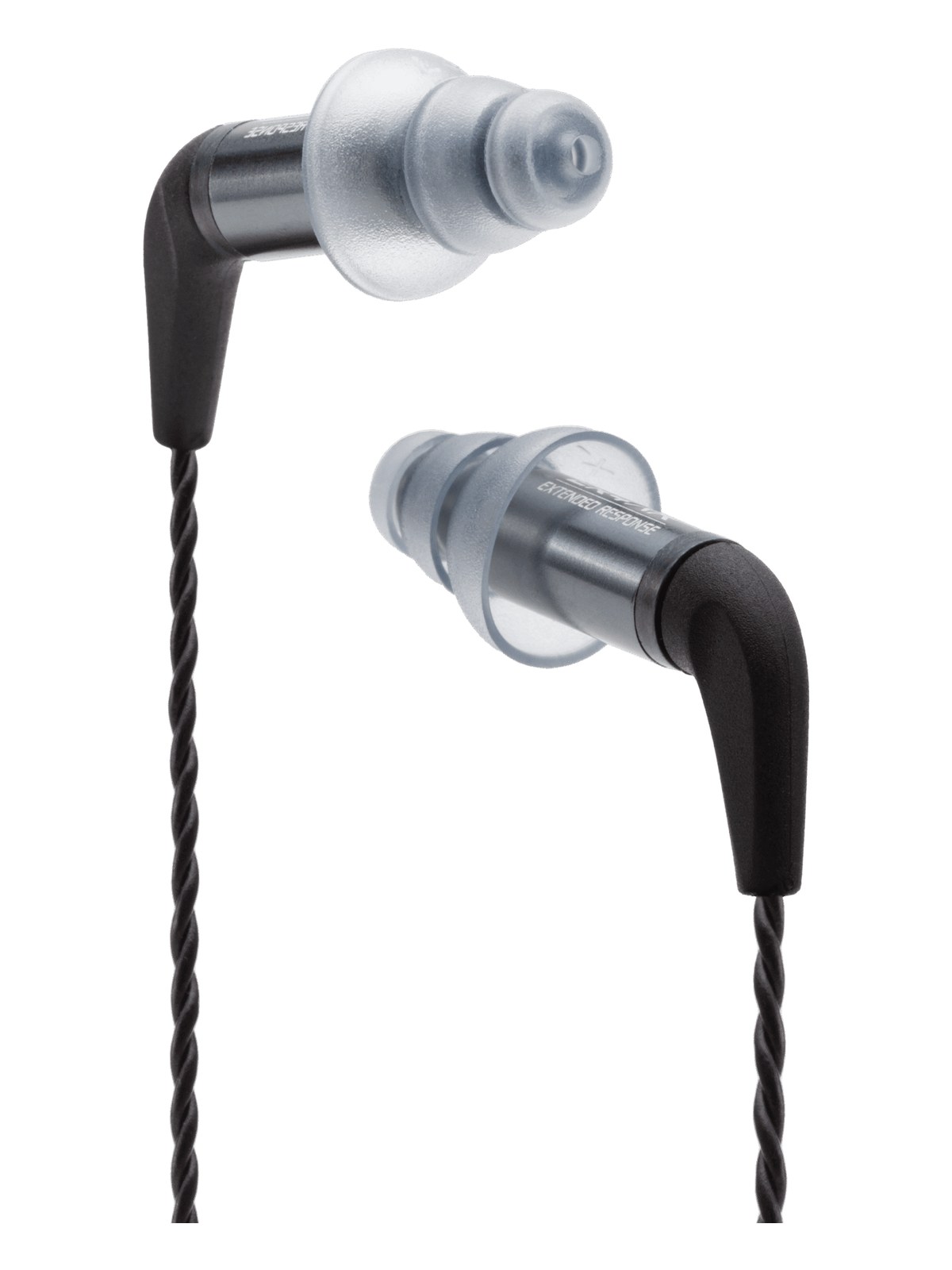
ER4XRThe Etymotic ER4XR is a single balanced armature driver IEM known for its remarkably flat and accurate frequency response, favored by audio engineers and musicians who prioritize monitoring accuracy over hype. The deep-insertion tri-flange tips provide outstanding noise isolation, which is valuable in loud stage environments. A great choice for engineers who use IEMs as reference monitors and need to hear exactly what the mix is doing.View gear →
CustomJH Audio custom IEMs are molded to your exact ear impressions for a perfect, secure fit that provides maximum isolation and comfort during long performances. Jerry Harvey pioneered the modern custom IEM and his designs are used by top-tier touring artists worldwide. The investment in customs pays off through superior comfort, isolation, and sound quality compared to universal-fit alternatives, especially for musicians who perform regularly.View gear →
06 · Resolve the questions that can change the purchase or build plan.
Planning questions
Short, source-backed answers surface rack fit, power, cabling, and connection details before they become surprises.
Where does the Westone AM Pro X30 IEM live in a complete rig?
The catalog assigns it no rack units. Builder tracks it as non-rack gear; follow the manufacturer’s mounting, case, and form-factor guidance.
How much power does the Westone AM Pro X30 IEM draw?
Its power requirement is not yet verified in the catalog.
07 · See this gear inside a complete system plan.
Builder preview
Builder keeps non-rack gear in the same bill of materials, budget, dependency, and connection plan as the rack-mounted system around it.Open in Builder