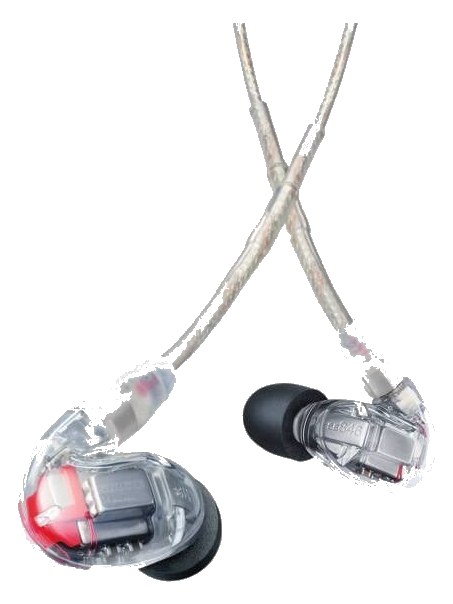
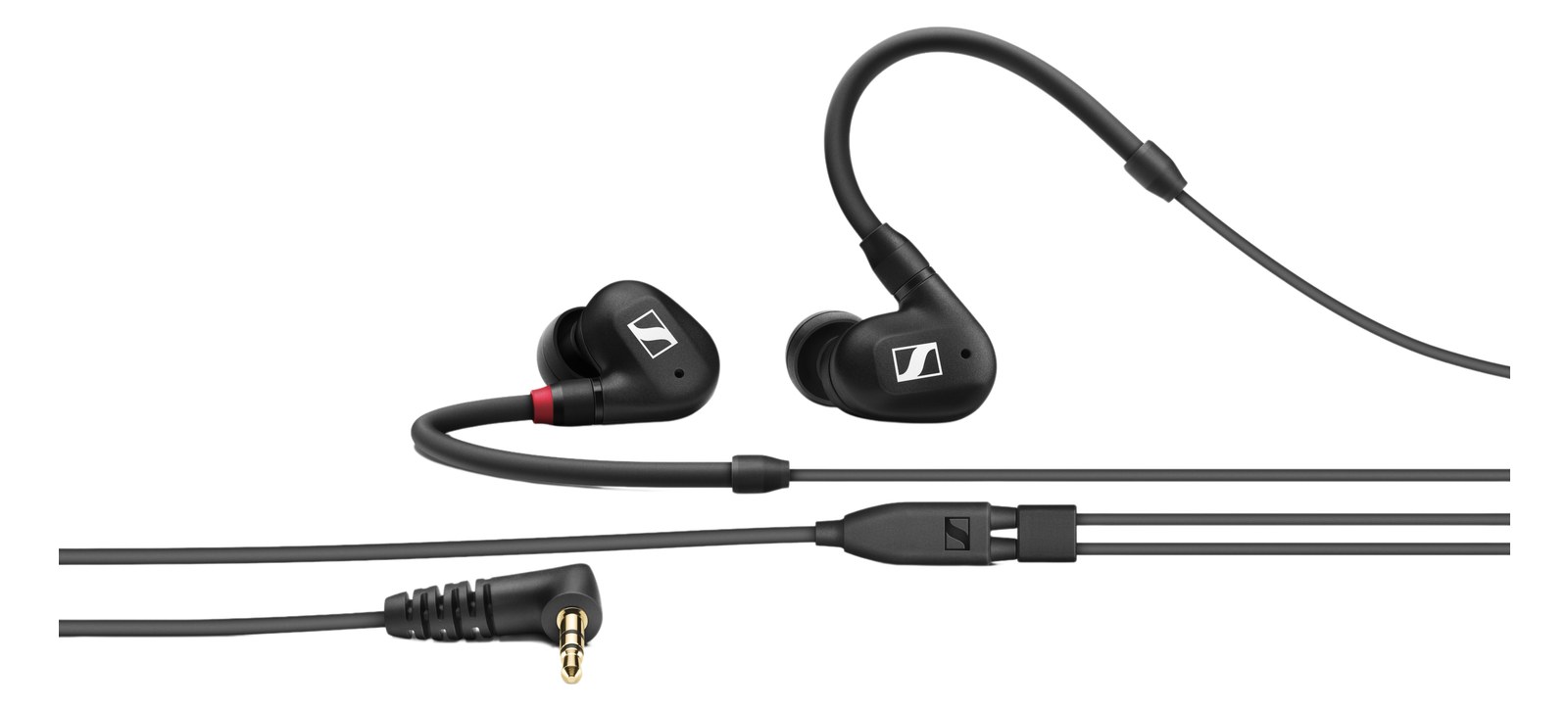
JH Audio custom IEMs are molded to your exact ear impressions for a perfect, secure fit that provides maximum isolation and comfort during long performances. Jerry Harvey pioneered the modern custom IEM and his designs are used by top-tier touring artists worldwide. The investment in customs pays off through superior comfort, isolation, and sound quality compared to universal-fit alternatives, especially for musicians who perform regularly.
UnverifiedPower requirement is not verified in the catalog
Catalog estimate
~$1,199Use retailer rows for current price and stock
01 · What it does—and what that changes in your rig.
Product overview
Start with the payoff, then work through how it functions, where it fits, and the details that change a real build.
The payoff
Earphones / IEMs decisions, organized around the whole rig.
A custom IEMIn-Ear Monitor — earpieces that replace floor wedges, feeding each player their own mix. The reason this whole rack exists. is the last transducer in your entire signal chain — the thing that actually puts the mix in someone's ears — and JH Audio has been building them longer than almost anyone. Jerry Harvey effectively invented the modern custom IEM format while working with Van Halen in the 1990s, and that lineage shows in the product. These are multi-driver monitors molded from an individual musician's ear impressions, which means every pair is a one-off built for one person. They live at the end of your IEM rack's output, driven by a bodypack transmitter, and when they fit correctly they seal out stage wash the way nothing universal can replicate.
Equipment type
Earphones / IEMsCatalog classification
Documented weight
0.03 kgUsed in transport and case planning
Rack placement
Non-rackTracked outside rack rails
JH Audio product panelOutside rack · Unverified
Function
How it works in the path
The practical implications of that seal show up immediately at load-in. Because the fit is airtight against the ear canal, isolation runs high enough that musicians can run lower monitor levels, which reduces ear fatigue over a long tour cycle and protects hearing over years of performing. There are no ports in the catalog record because there is nothing to patch — these connect via the standard two-pin connector found on virtually every IEMIn-Ear Monitor — earpieces that replace floor wedges, feeding each player their own mix. The reason this whole rack exists. bodypack on the market. Weight is negligible at 30 grams. The $1,199 entry price reflects the base of JH Audio's custom line; specific models vary in driver count and price, so confirm the exact configuration you're ordering before budgeting.
Best fit
Where it earns its place in the system
If you have an artist or in-ear musician who performs more than a handful of times a month, customs are worth the conversation. The comfort and isolation advantage over universal-fit monitors compounds with stage volume and show length — a theater run, a touring cycle, or a busy festival season will make the investment feel obvious fast. They are not the right answer for a rental backlineThe band’s on-stage instrument gear — amps, drums, keys. What a venue or festival sometimes supplies so you can travel light. situation, a one-off session player, or anyone who can't get to an audiologist for proper ear impressions. For those cases, a well-fitting universal IEMIn-Ear Monitor — earpieces that replace floor wedges, feeding each player their own mix. The reason this whole rack exists. is the practical choice. Customs are a personal instrument, not a shareable piece of gear.
In the rack
Details worth deciding before load-in.
Budget lead time into your production schedule — ear impressions, shipping, and manufacturing typically add two to four weeks minimum before a pair arrives, and that's before any fit or remold issues.
Keep the original carrying case in the IEMIn-Ear Monitor — earpieces that replace floor wedges, feeding each player their own mix. The reason this whole rack exists. rack drawer or belt pack pouch; customs have no backup on a show day, and a cracked shell from a pocket drop is a bad night.
Label the cable at the bodypack end with the artist's name — standard two-pin cables are interchangeable and identical cables get swapped between packs constantly at changeover.
If an artist reports the seal feels loose after significant weight change or jaw surgery, schedule a remold before it becomes a show-day problem; JH Audio offers remolding services and a degraded seal destroys both isolation and low-end response.
03 · What this product asks of the rest of the system.
Compatibility
Treat connector names as the start of the check—not the answer. These are the boundaries that determine a complete working path.
Best fit · Earphones / IEMs
Use it as earphones / iems tracked outside rack rails; follow the manufacturer’s mounting and form-factor guidance.
Plan the companion path
Use documented companion accessories and system pairing; no physical connector map is verified for this catalog item.
Documentation boundary
No physical connector map is documented. Do not infer compatibility from category or product shape alone.
05 · Compare the decision, not just the price.
Alternatives
The rows are organized around fit, power, I/O, and system role so a cheaper unit cannot hide a more expensive workflow.
CustomJH Audio custom IEMs are molded to your exact ear impressions for a perfect, secure fit that provides maximum isolation and comfort during long performances. Jerry Harvey pioneered the modern custom IEM and his designs are used by top-tier touring artists worldwide. The investment in customs pays off through superior comfort, isolation, and sound quality compared to universal-fit alternatives, especially for musicians who perform regularly.View gear →
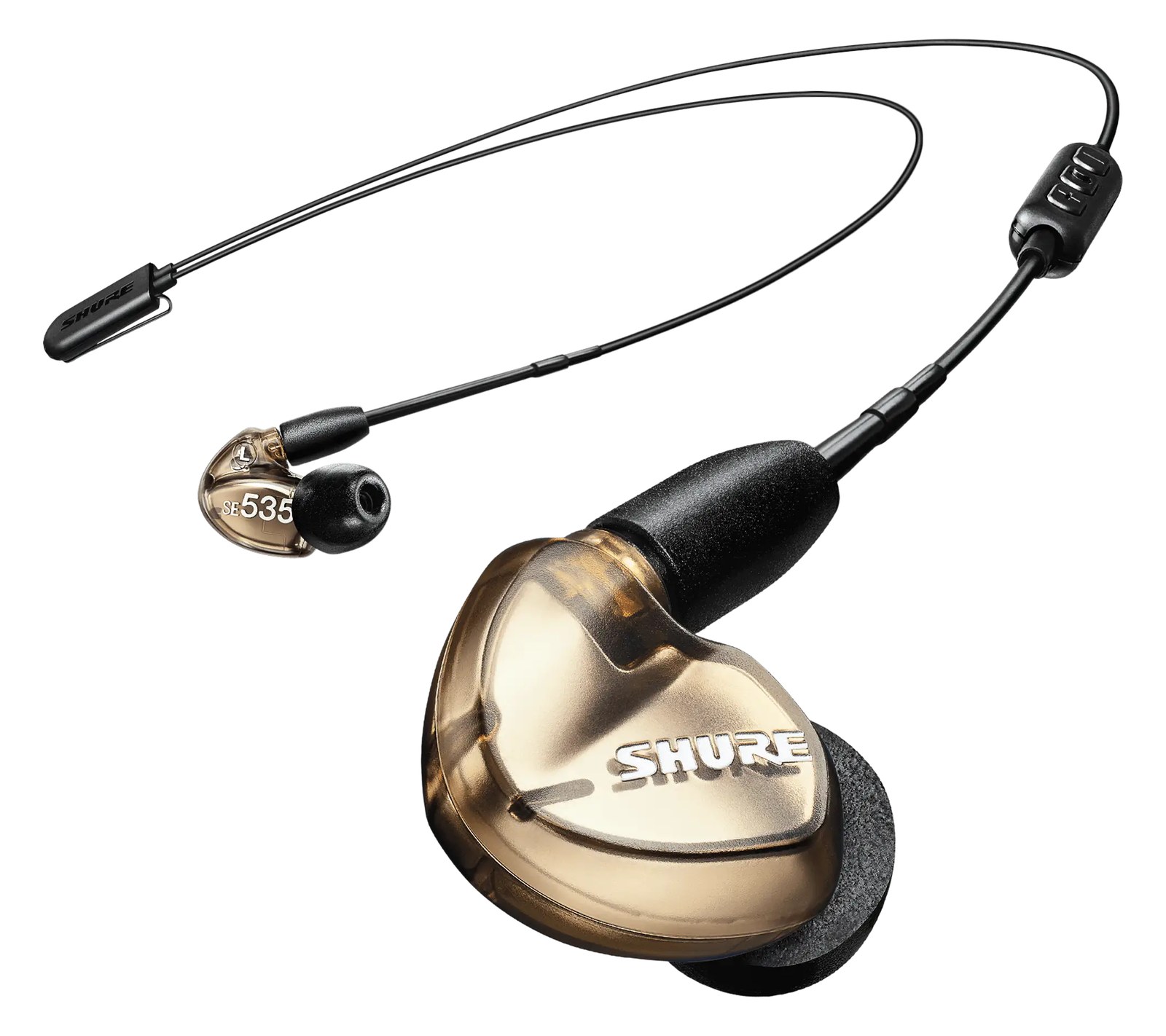
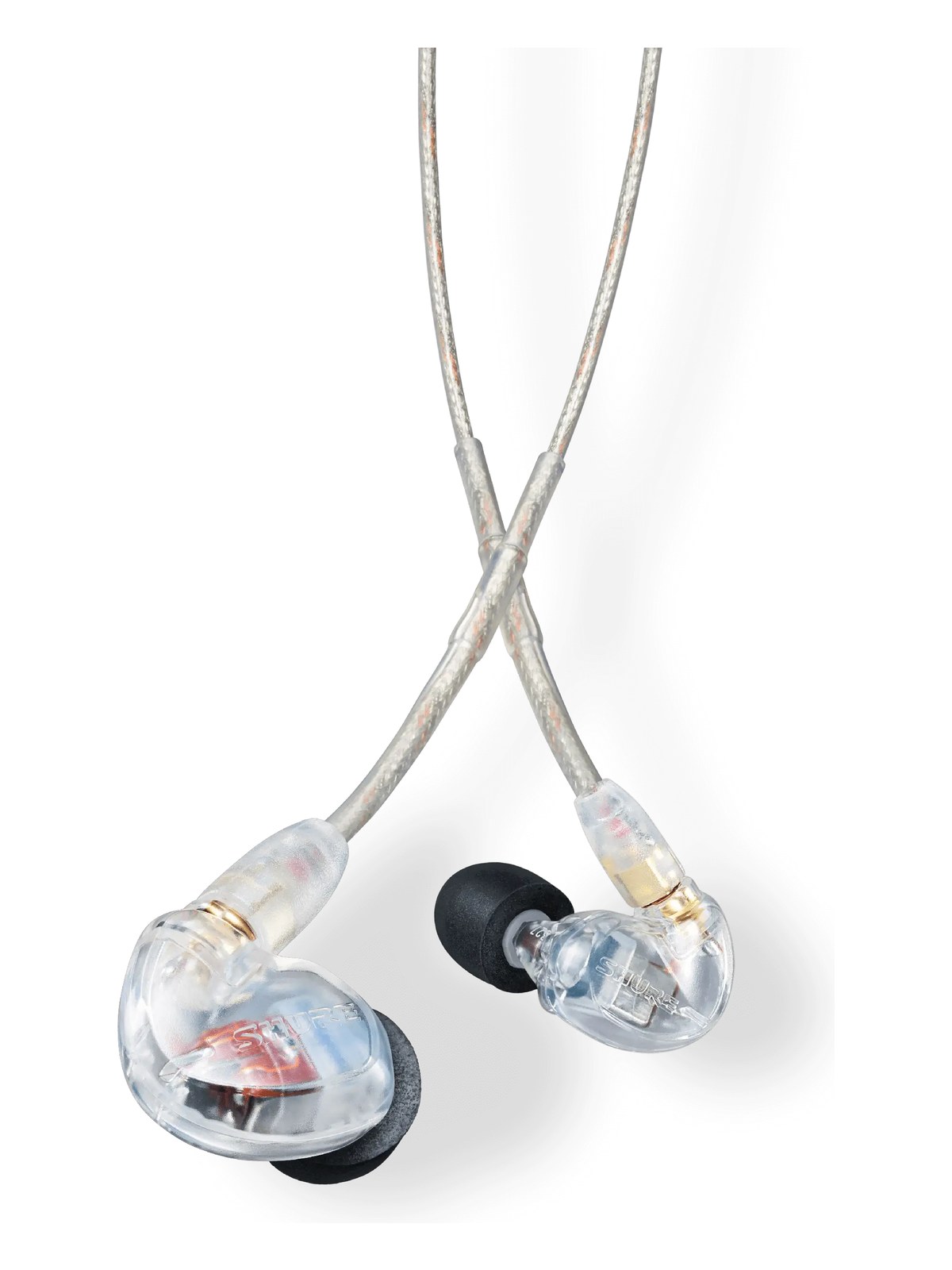
SE846The Shure SE846 is a flagship universal-fit IEM with four balanced armature drivers per side, delivering exceptional detail and low-end extension that rivals many custom-molded options. Interchangeable nozzle inserts let you tune the frequency response to taste, and the detachable MMCX cables make replacement easy on the road. These are a top-tier choice for performers who want premium sound quality without the wait and expense of custom ear molds.View gear →
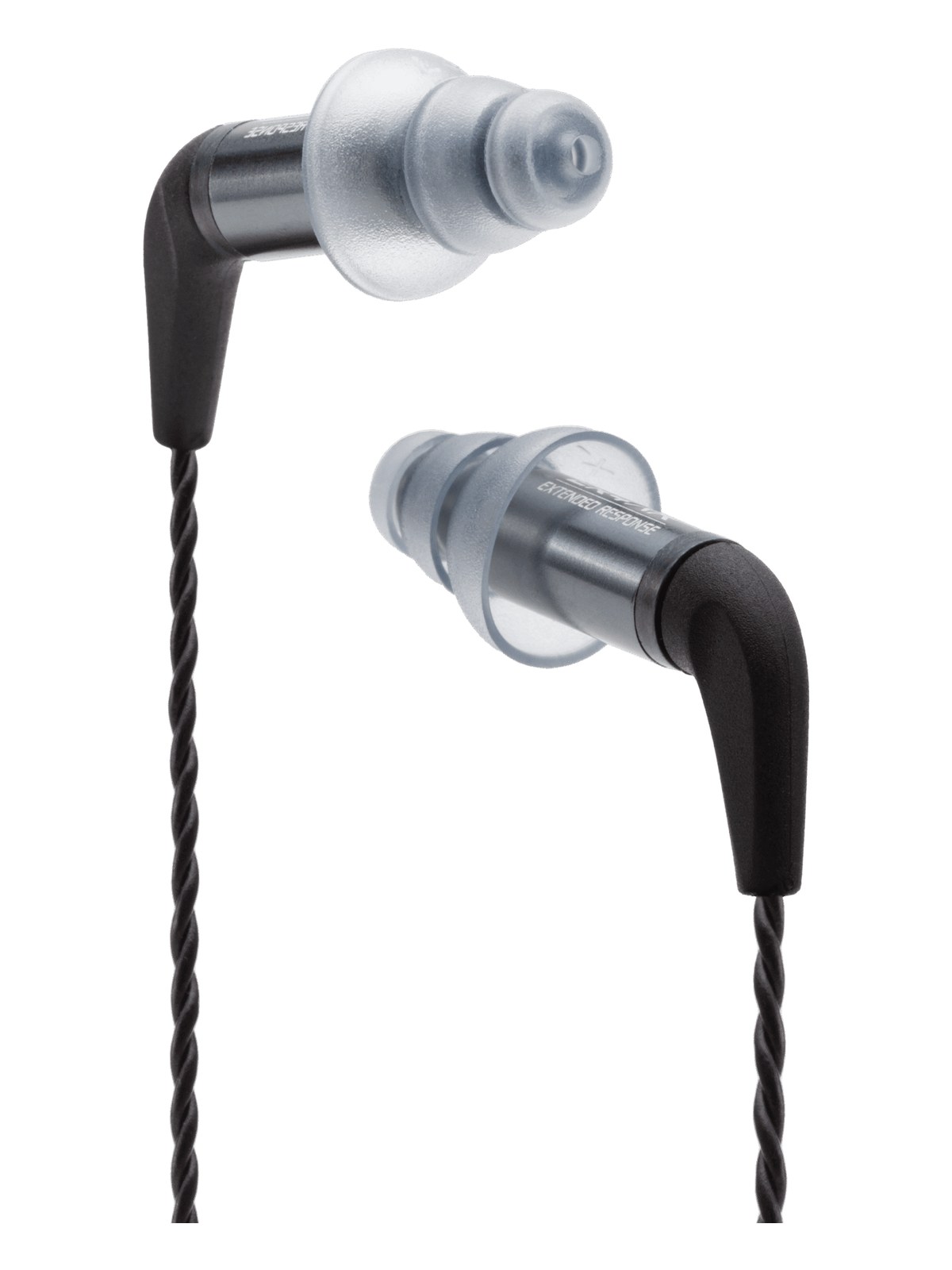
ER4XRThe Etymotic ER4XR is a single balanced armature driver IEM known for its remarkably flat and accurate frequency response, favored by audio engineers and musicians who prioritize monitoring accuracy over hype. The deep-insertion tri-flange tips provide outstanding noise isolation, which is valuable in loud stage environments. A great choice for engineers who use IEMs as reference monitors and need to hear exactly what the mix is doing.View gear →
AM Pro X30The Westone AM Pro X30 is designed specifically for performing musicians, with ambient sound ports that let in a controlled amount of stage sound alongside your IEM mix. This helps performers who feel disconnected from the live environment when using fully isolating IEMs, providing a more natural monitoring experience. The triple-driver design delivers a balanced frequency response that works well across all instrument types and vocal ranges.View gear →
06 · Resolve the questions that can change the purchase or build plan.
Planning questions
Short, source-backed answers surface rack fit, power, cabling, and connection details before they become surprises.
Where does the JH Audio Custom IEMs live in a complete rig?
The catalog assigns it no rack units. Builder tracks it as non-rack gear; follow the manufacturer’s mounting, case, and form-factor guidance.
How much power does the JH Audio Custom IEMs draw?
Its power requirement is not yet verified in the catalog.
07 · See this gear inside a complete system plan.
Builder preview
Builder keeps non-rack gear in the same bill of materials, budget, dependency, and connection plan as the rack-mounted system around it.Open in Builder