
Earphones / IEMs

Shure SE425 IEM Earphones

Shure·Model SE425·shure-se425

Photos

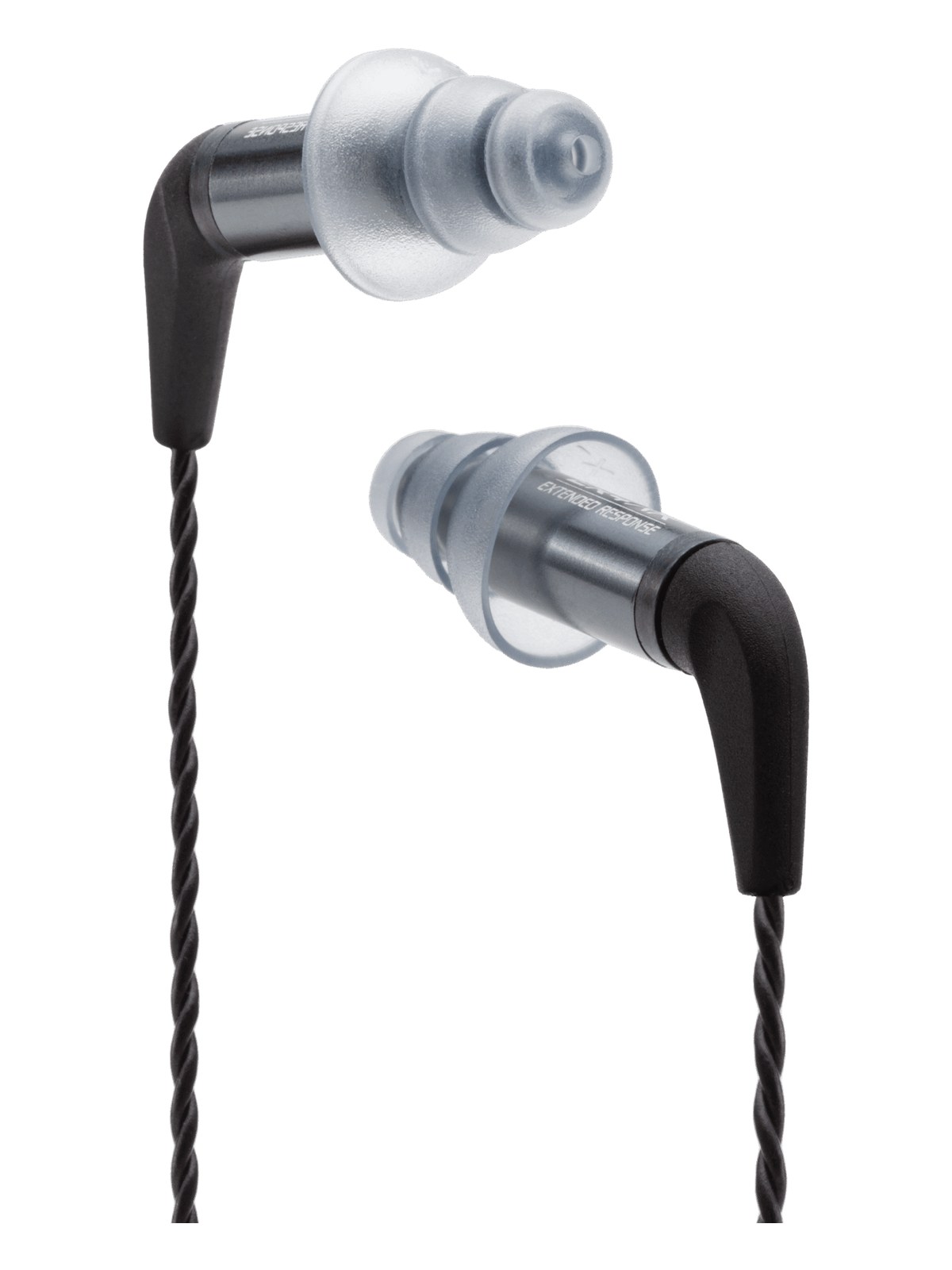
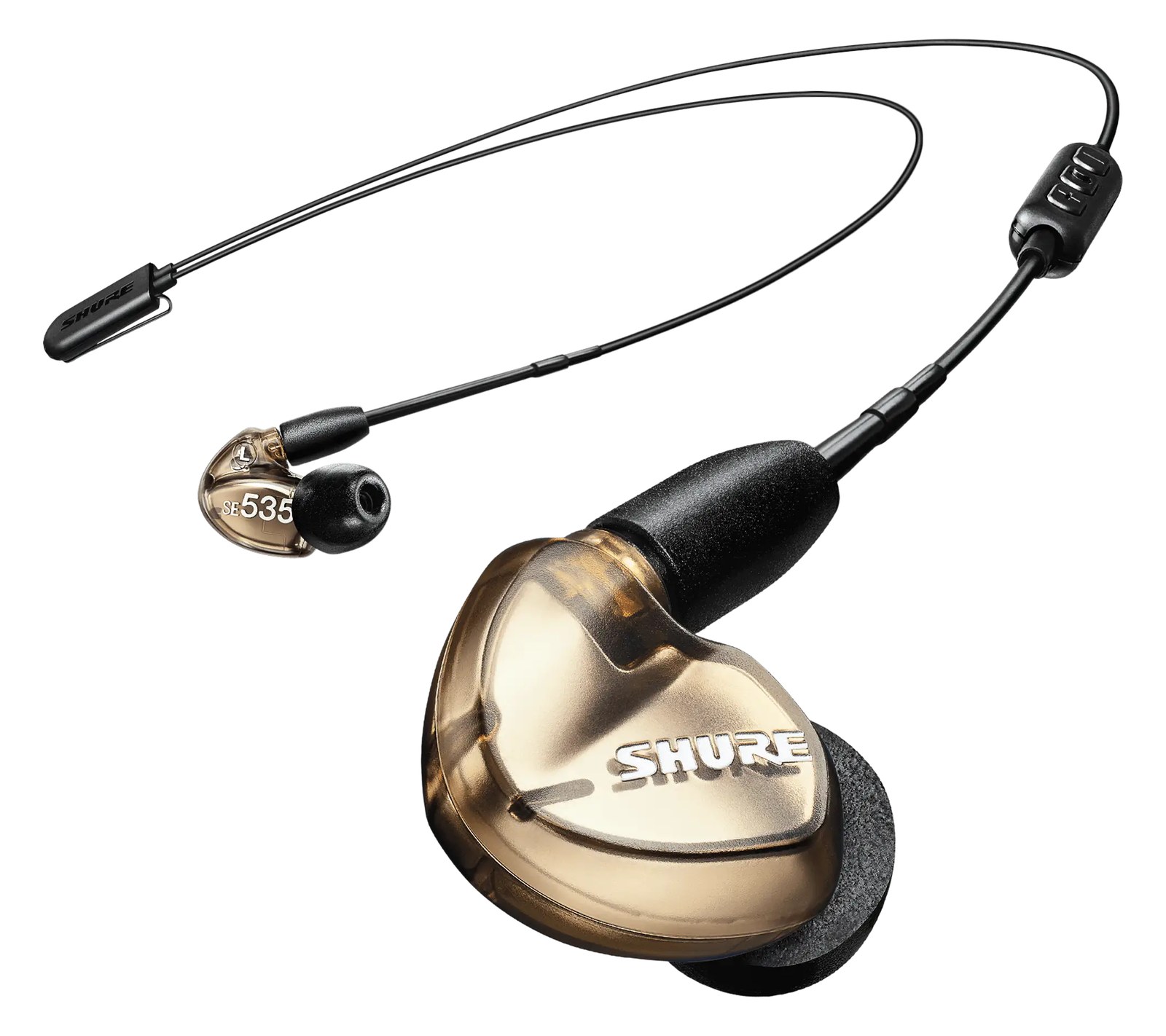
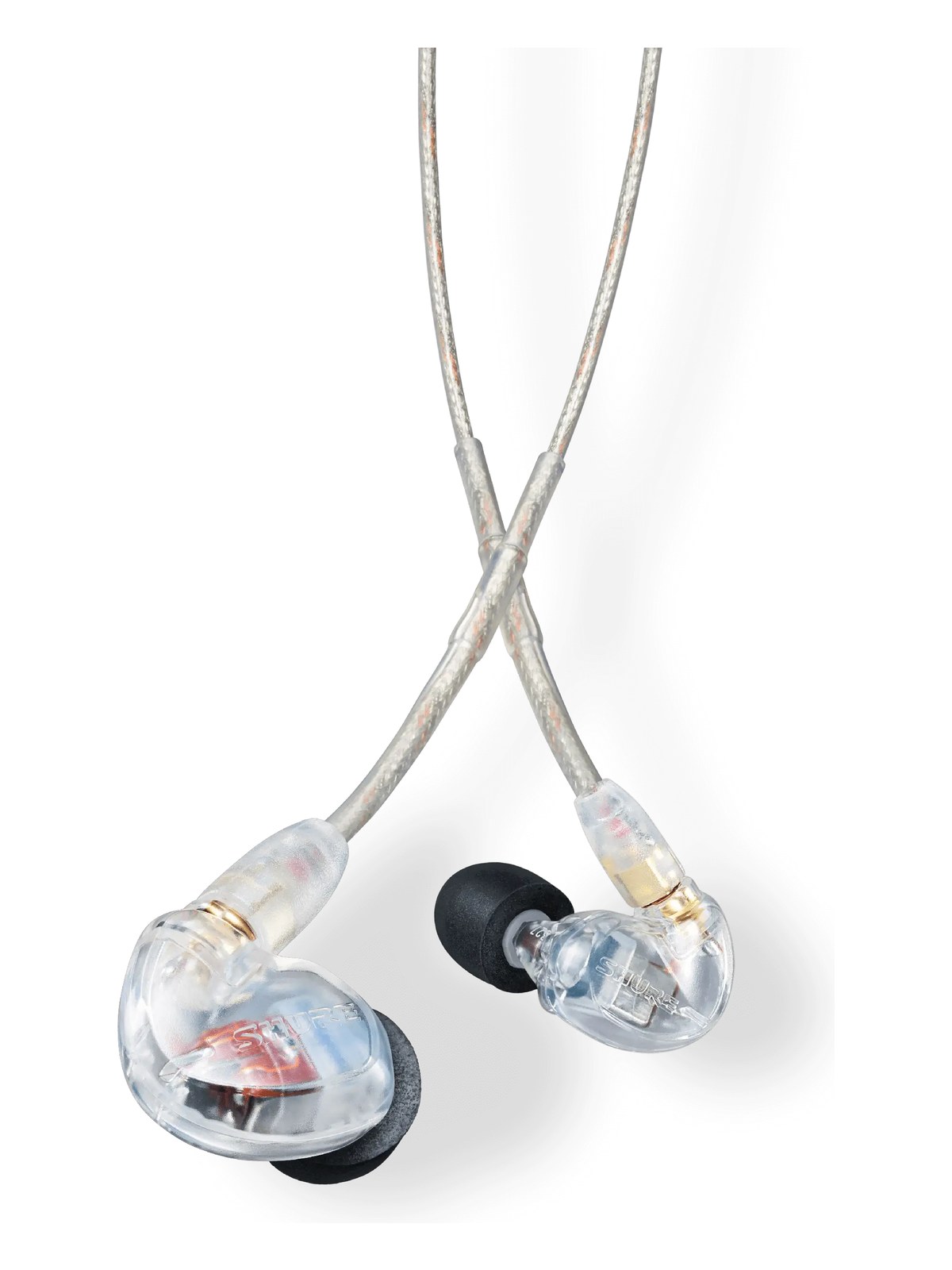
Manufacturer product photography — the drawn faceplate above stays true to panel layout; these show the hardware itself.

Photo: Shure1 / 2

About the Shure SE425

The Shure SE425 is a dual balanced armature universal IEM that hits a sweet spot between price and sound quality. Two-way design separates lows and highs for a clear, balanced presentation that works well across most musical contexts. A common pick for performers stepping up from single-driver earphones who don't need the SE535's extra detail.

The SE425 is the earphone you hand to a performer who has outgrown a single-driver wedge-replacement IEM but doesn't yet need the full detail retrieval of the SE535 or a custom mold. Its dual balanced armature design splits the work between two drivers — one handling lows, one handling highs — which gives it a noticeably cleaner, more separated sound than single-BA options at a price that doesn't require a capital-expenditure conversation. For a singer, acoustic guitarist, or keys player who needs honest low-mid clarity without harshness, this earphone earns its place on the rider.

Balanced armature drivers are passive and draw no power, so the SE425 will work with any bodypack transmitter output regardless of headphone impedance matching concerns at this level. What matters at load-in is fit and isolation. The SE425 is a universal-fit shell, which means foam and silicone tip options do real work here — budget fifteen minutes before soundcheck to get the seal right, because a poor seal collapses the low end and makes the mix sound thin. The over-ear cable routing helps with microphonics, but make sure the cable is routed cleanly under a pack or belt clip to avoid tugging during movement.
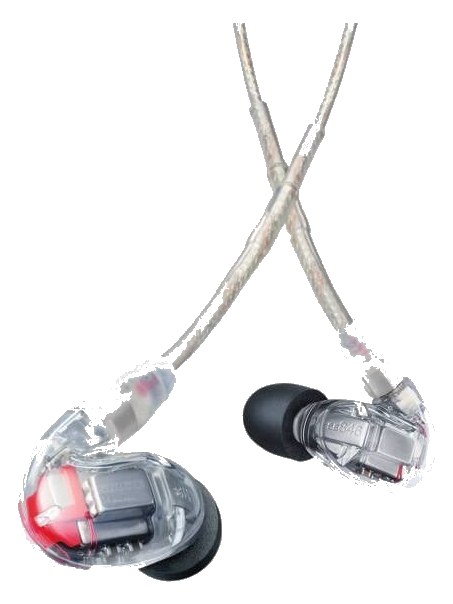
Buy the SE425 for a performer who is consistent in their IEM habits, takes care of gear, and plays in a style where a balanced, slightly warm presentation works — pop, country, musical theater, worship. Think twice if your performer is a drummer or bassist who wants serious sub reinforcement; the dual-BA design is detailed but not a low-frequency powerhouse, and they may quickly want more. Also think twice if fit reliability is a recurring issue on your gig — a universal shell on an active performer who sweats heavily is a genuine risk, and that budget might be better applied toward a custom mold on a less expensive driver platform.

In the rack

  • Carry at least two sets of foam tips per performer in your IEM bag — foam compresses over a run of shows and a degraded tip is the most common reason a performer complains the mix sounds 'off' at show time.
  • Label the cable at the bodypack end with the performer's name using a small flag of gaff tape; the SE425 cable is thin and easy to swap accidentally during a quick changeover.
  • If the performer is new to IEMs, do a brief isolation check before the first show: have them put the earphones in with music playing, then pull them out — the contrast makes them understand immediately why a good seal matters and stops them from yanking the tips too loose during the set.
  • The over-ear cable guide is removable; for performers who wear glasses or have hair management issues, taking it off and letting the cable drop straight can actually reduce the chance of the earphone being knocked out mid-song.

Dual-driver universal-fit IEM.

I/O Ports (0)

No ports.

Related gear

Related articles

Guides from our library that cover planning around earphones / iems gear.