
Shure SE535 IEM Earphones
Shure·Model SE535·shure-se535
Photos
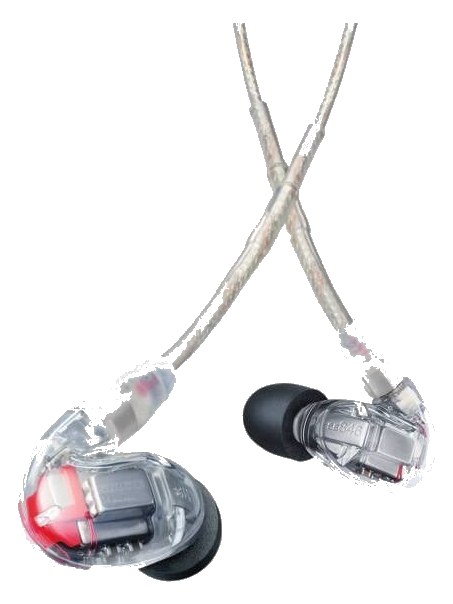
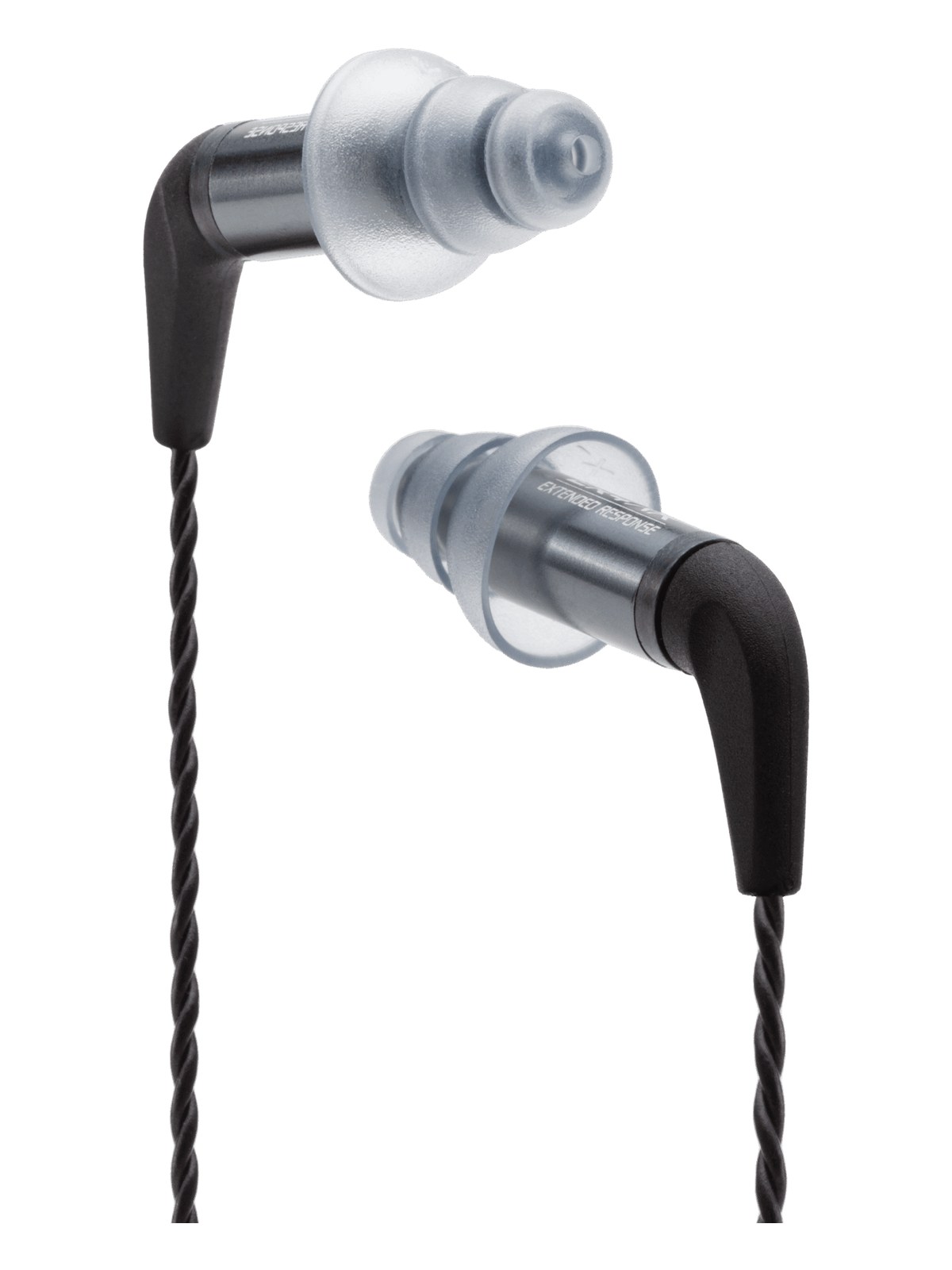
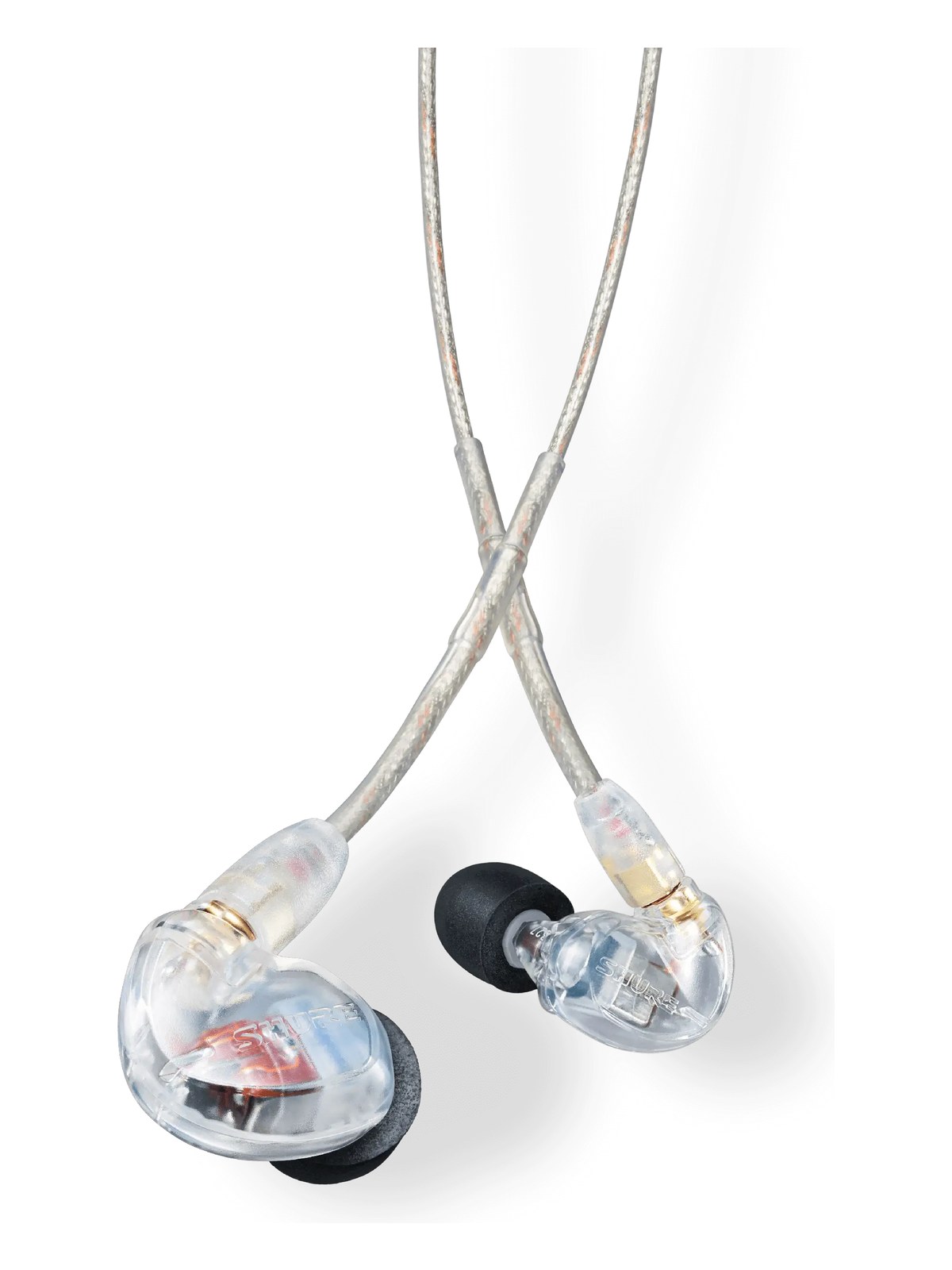
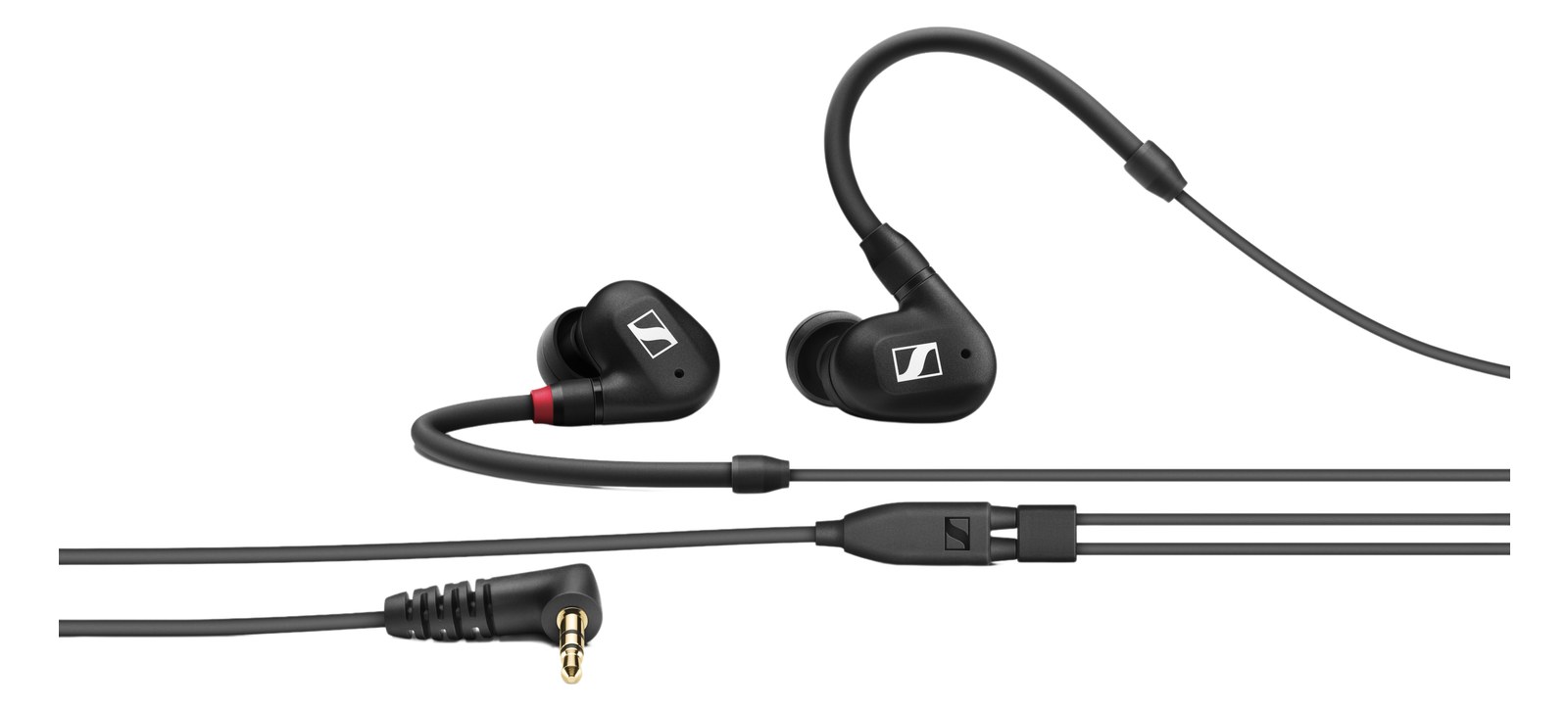
Manufacturer product photography — the drawn faceplate above stays true to panel layout; these show the hardware itself.
About the Shure SE535
The Shure SE535 is a long-running triple-driver universal IEMIn-Ear Monitor — earpieces that replace floor wedges, feeding each player their own mix. The reason this whole rack exists. that's become a staple for performing musicians on a step-up budget. Three balanced armaturesA tiny hearing-aid-derived driver used in pro IEMs — fast and detailed, often several per ear, each covering its own frequency range. per side give a balancedCarries the signal on two wires and cancels whatever noise both pick up — why mic cables can run hundreds of feet hum-free. response with detail across the spectrum, and the over-ear cable routing keeps the cable secure on stage. Detachable MMCX cables make replacement easy when the inevitable cable failure happens on tour.
The SE535 is the earphone that sits at the serious end of Shure's universal-fit lineup — not the entry point, but not boutique custom territory either. Three balanced armatureA tiny hearing-aid-derived driver used in pro IEMs — fast and detailed, often several per ear, each covering its own frequency range. drivers per side handle the workload that a single driver can't cleanly manage, and the result is a monitor that gives a performing musician enough low-end weight and high-end articulation to actually mix themselves on stage. This is the piece of the rig that lives in someone's ears for three hours a night, so it earns its place in the planning conversation.
At load-in, the SE535's practical advantages are the MMCX detachable cable and the over-ear routing. MMCX means a cable failure — which will happen eventually on a working tour — is a five-second fix rather than a trip to a repair shop. The over-ear wrap keeps the cable from swinging loose during energetic performances and distributes cable tension away from the connector. Universal fit means no lead time for impressions, which matters when a new artist joins the production on short notice. The trade-off is that universal sleeves never seal as consistently as a custom shell, so isolation is real but variable night to night depending on how well the artist fits their tips.
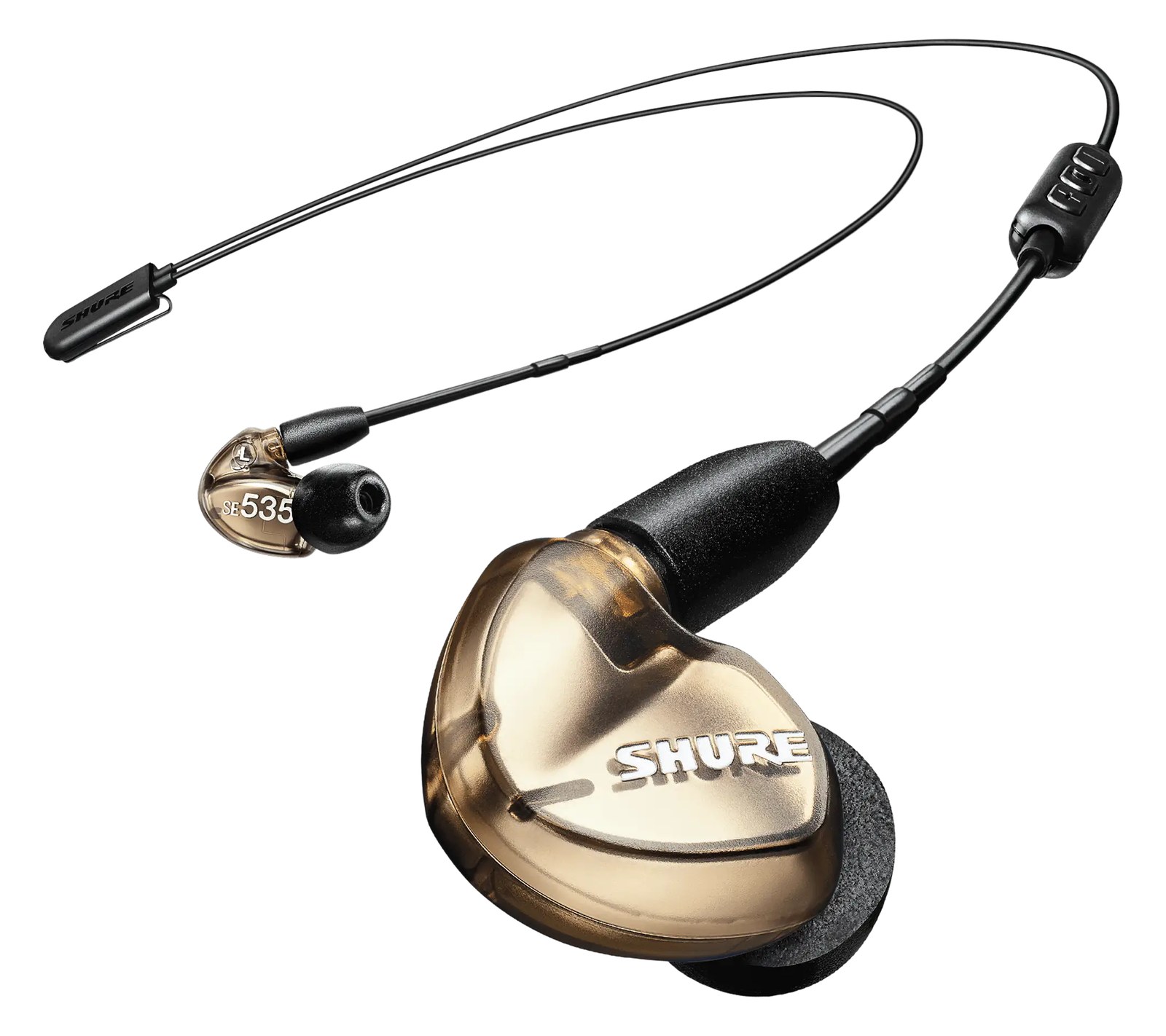
The SE535 makes most sense for a working musician who wants a significant step up from consumer earbuds without committing to the cost and turnaround of custom IEMsIn-Ear Monitor — earpieces that replace floor wedges, feeding each player their own mix. The reason this whole rack exists.. It's a legitimate professional tool and has been on plenty of major-label tours. If the artist is stationary — keyboard player, vocalist with limited movement — the universal fit limitation matters less. If they're a high-movement performer who genuinely can't get a consistent seal, point them toward a custom-molded option instead. For monitor engineers building a house or backup pair to hand a guest artist at short notice, the SE535 is one of the more defensible choices at this price point.
In the rack
- Stock at least one spare MMCX cable in the IEMIn-Ear Monitor — earpieces that replace floor wedges, feeding each player their own mix. The reason this whole rack exists. pouch — they're inexpensive and a cable swap takes less time than explaining to an artist why they're going acoustic.
- Spend real time at soundcheck trying multiple tip materials and sizes; a foam tip that actually seals will transform low-end consistency compared to a silicone tip that's one size off.
- If you're handing these to a guest artist cold, pre-fit a medium foam tip on both sides before they arrive — it's the size that works for the widest range of ears and gives them a usable starting point.
- Label the pouch with the artist's name and preferred tip size after the first show; that information saves five minutes of fumbling at every subsequent load-in.
Triple-driver universal-fit IEMIn-Ear Monitor — earpieces that replace floor wedges, feeding each player their own mix. The reason this whole rack exists..
I/O Ports (0)
No ports.
Related gear


Related articles
Guides from our library that cover planning around earphones / iems gear.
What an IEM rig actually is, the components that go into one, and how to plan your first one without overspending or blowing a circuit.
A plain-English plan for bands switching from floor wedges to in-ear monitors — what to buy, what to expect at the first rehearsal, and how to not hate it.
Why sealed IEMs make you feel disconnected from the room — and exactly how to put the audience back into your mix with one or two well-placed mics.
A feedback squeal in a sealed ear can hit 130 dB SPL instantly. Where the limiter goes, what thresholds make sense, and the daily soundcheck habit that verifies it actually catches.