
IEM Transmitter

LD Systems MEI 1000 G2

LD Systems·Model MEI 1000 G2·ld-systems-mei-1000-g2

Photos

Manufacturer product photography — the drawn faceplate above stays true to panel layout; these show the hardware itself.

Photo: LD SystemsClick to zoom

About the LD Systems MEI 1000 G2

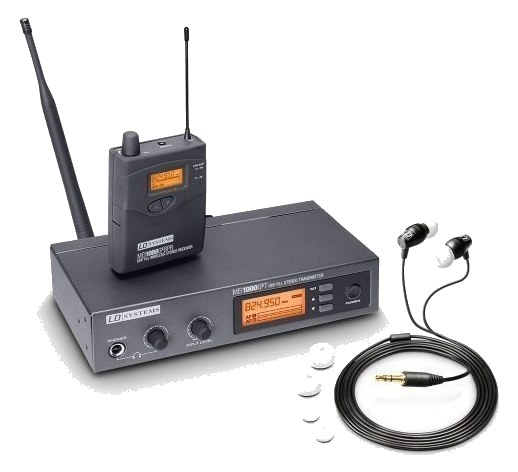
The LD Systems MEI 1000 G2 is the European budget IEM standard: a half-rack stereo transmitter with 96 selectable channels, limiter, and three-band EQ per output. Users searched for it by name before this add - it fills the under-300-dollar tier with a brand touring musicians from the EU already trust. Bodypack sold in system bundles; US supply via Thomann and importers.

The LD Systems MEI 1000 G2 is a half-rack stereo IEM transmitter that lives in a specific and useful lane: the sub-$300 tier where musicians are funding their own monitoring rigs, or where a backline company needs a cost-effective spare system on the truck. It ships as part of a bundle with a bodypack receiver, covers stereo transmission with 96 selectable channels, and includes a built-in limiter and three-band EQ per output channel. For European touring musicians especially, LD Systems is a known quantity — this isn't a blind roll of the dice on an unfamiliar brand.

At half a rack unit, two of these side by side fill a single 1U slot, which matters when you're packing a four- or six-pack IEM rack into a shallow case. The combo XLR/TRS inputs on both L and R accept whatever your console is sending without an adapter hunt at load-in. The single BNC antenna output means you're working with the onboard antenna or running to a passive remote — there's no built-in diversity on the transmitter side, so antenna placement becomes more consequential than with higher-end systems. Ten watts typical draw keeps it easy on a standard power strip or conditioner.
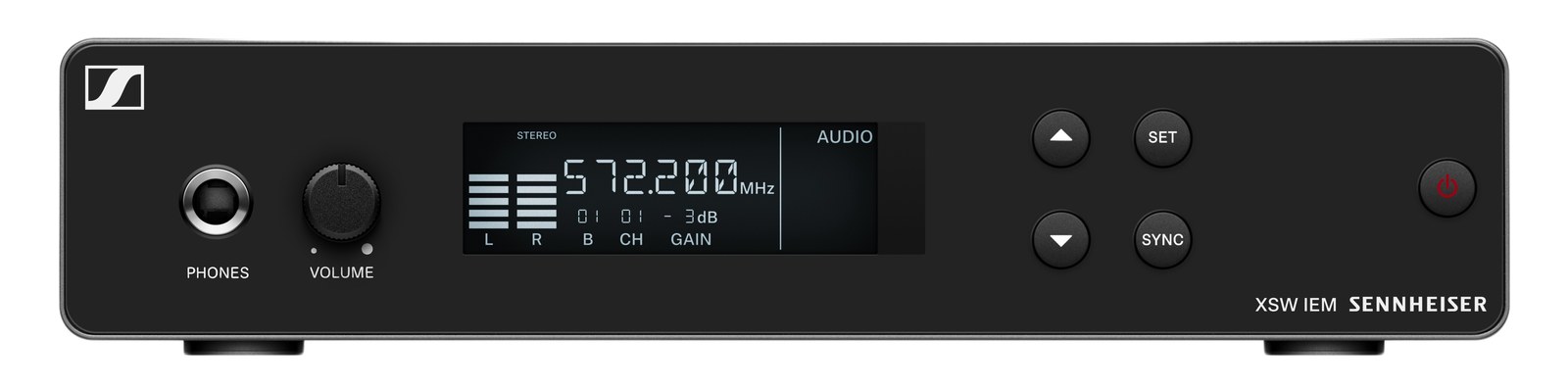
This unit is the right call for a solo performer, a small-budget theater pit, or a rehearsal facility that wants wireless IEM without committing to Sennheiser G4 or Shure PSM money. If you're in a festival environment sharing RF spectrum with a dozen other systems, or if you need guaranteed same-day domestic support and parts, look higher up the food chain. US supply runs through Thomann and importers, which means warranty service and replacement bodies take longer to arrive than gear sourced domestically — factor that in if downtime is a real professional risk for you.

In the rack

  • Pair two units side by side in a 1U half-rack shelf with a shared power strip directly behind them — at 240mm deep they'll sit flush in most standard road cases without a depth adapter.
  • Use the onboard three-band EQ to roll off low end before it hits the bodypack rather than relying entirely on the earphone to handle a full-range mix; IEM mixes always benefit from a sculpted low shelf at the transmitter stage.
  • Run a BNC extension to mount the antenna at ear height on a mic stand or rack edge rather than leaving it on the back of the unit — with no transmitter-side diversity, line-of-sight to the bodypack matters more than it would on a dual-antenna system.
  • If you're building a multi-pack IEM rack, scan and assign channels before the show day using the 96-channel bank to confirm no frequency conflicts with house RF — don't rely on factory defaults when sharing a stage with other wireless systems.

European budget IEM staple - 96 channels, half-rack, searched-for by users.

I/O Ports (5)

PortConnectorDirectionSignalChannels
Input LCOMBO XLR TRSinputanalog audio
Input RCOMBO XLR TRSinputanalog audio
Antenna (RF Out)BNCoutputantenna
Phones (front, 6.3mm)TRS QUARTERoutputanalog audio
Power
  • DC In (12-18V) (DC BARREL)

Deciding between two?

Rack space, watts, weight and every connector, side by side.

Related gear

Related articles

Guides from our library that cover planning around iem transmitter gear.