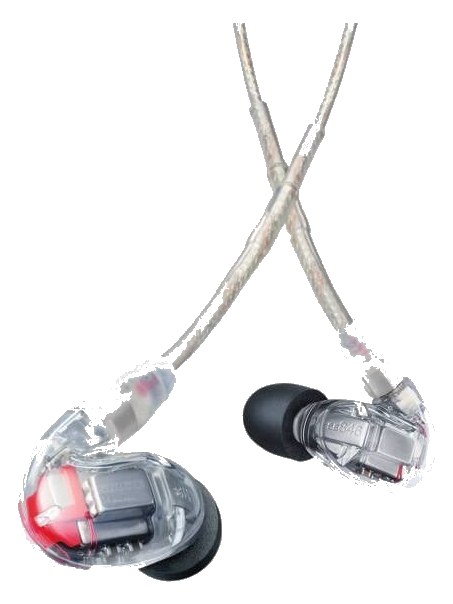
The 64 Audio A12t is the custom-molded version of the U12t, built to your impressions for the best possible isolation and fit. With twelve drivers per side and 64 Audio's apex tech, it's widely used by major-tour touring acts who need accurate, fatigue-free monitoring night after night.
UnverifiedPower requirement is not verified in the catalog
Catalog estimate
~$1,999Use retailer rows for current price and stock
01 · What it does—and what that changes in your rig.
Product overview
Start with the payoff, then work through how it functions, where it fits, and the details that change a real build.
The payoff
Earphones / IEMs decisions, organized around the whole rig.
The A12t is where the IEMIn-Ear Monitor — earpieces that replace floor wedges, feeding each player their own mix. The reason this whole rack exists. side of your rig terminates — literally the last thing in the signal chain before it hits your ears. It's a custom-molded, twelve-driver-per-side in-ear monitor built to impressions taken from your specific ear canals, and it's the flagship of 64 Audio's custom lineup. The role it plays is straightforward: convert whatever your monitor worldThe side-stage domain of the monitor engineer — console, IEM racks, and everything feeding the band’s ears instead of the audience. or personal mix engine is sending into something accurate enough to make real-time mix decisions on, night after night, without listener fatigue eating into your focus by the third song.
Equipment type
Earphones / IEMsCatalog classification
Documented weight
0.03 kgUsed in transport and case planning
Rack placement
Non-rackTracked outside rack rails
64 Audio product panelOutside rack · Unverified
Function
How it works in the path
Twelve balancedCarries the signal on two wires and cancels whatever noise both pick up — why mic cables can run hundreds of feet hum-free.-armature drivers per side means 64 Audio can cover the frequency range with dedicated low, mid, and high driver groups, which translates to a level of separation and low-end control that a three- or four-driver IEMIn-Ear Monitor — earpieces that replace floor wedges, feeding each player their own mix. The reason this whole rack exists. simply can't match at loud stage volumes. The apex module — 64 Audio's pneumatic vent — bleeds a controlled amount of low-frequency pressure to reduce ear fatigue without wrecking the isolation. In practice, this matters most during long festival days or multi-set theater runs where your ears are taking a beating. The custom shell, built to your impressions, should give you a passive seal in the range of 25 dB of isolation when fitted correctly, which keeps stage bleed from masking your mix.
Best fit
Where it earns its place in the system
If you're a touring musician or monitor engineer who lives in IEMsIn-Ear Monitor — earpieces that replace floor wedges, feeding each player their own mix. The reason this whole rack exists. for full shows and needs the monitoring to be a transparent, reliable tool rather than a consumer listening experience, the A12t is a defensible choice at its price. If you're doing occasional fly datesA gig you fly to instead of driving — the whole rig has to shrink into checkable cases and carry-ons., renting backlineThe band’s on-stage instrument gear — amps, drums, keys. What a venue or festival sometimes supplies so you can travel light., or your budget isn't there yet, the universal U12t uses the same driver array and apex tech and lets you use third-party custom tips later. The A12t also makes no sense if you haven't yet dialed in a consistent, trusted signal path upstream — the monitors will only reveal what your mix world gives them.
In the rack
Details worth deciding before load-in.
Get your impressions taken by an audiologist who works regularly with musicians — closed-jaw impressions are the standard, but some engineers prefer slightly open-jaw; confirm with 64 Audio's guidelines before your appointment.
Build in a two-to-three week break-in period before a critical run of shows — not for the drivers, but for your ears and your mix to recalibrate to how accurate and extended the low end actually is.
Keep a universal IEMIn-Ear Monitor — earpieces that replace floor wedges, feeding each player their own mix. The reason this whole rack exists. as a backup in your gig bag. If a custom shell cracks mid-tour, no amount of money gets you a replacement before showtime.
Because the A12t will reveal your entire signal chain, use its first few shows to audit your mix engine output, cable quality, and bodypack settings — problems you were masking with a less resolving monitor will surface quickly.
03 · What this product asks of the rest of the system.
Compatibility
Treat connector names as the start of the check—not the answer. These are the boundaries that determine a complete working path.
Best fit · Earphones / IEMs
Use it as earphones / iems tracked outside rack rails; follow the manufacturer’s mounting and form-factor guidance.
Plan the companion path
Use documented companion accessories and system pairing; no physical connector map is verified for this catalog item.
Documentation boundary
No physical connector map is documented. Do not infer compatibility from category or product shape alone.
05 · Compare the decision, not just the price.
Alternatives
The rows are organized around fit, power, I/O, and system role so a cheaper unit cannot hide a more expensive workflow.
A12tThe 64 Audio A12t is the custom-molded version of the U12t, built to your impressions for the best possible isolation and fit. With twelve drivers per side and 64 Audio's apex tech, it's widely used by major-tour touring acts who need accurate, fatigue-free monitoring night after night.View gear →
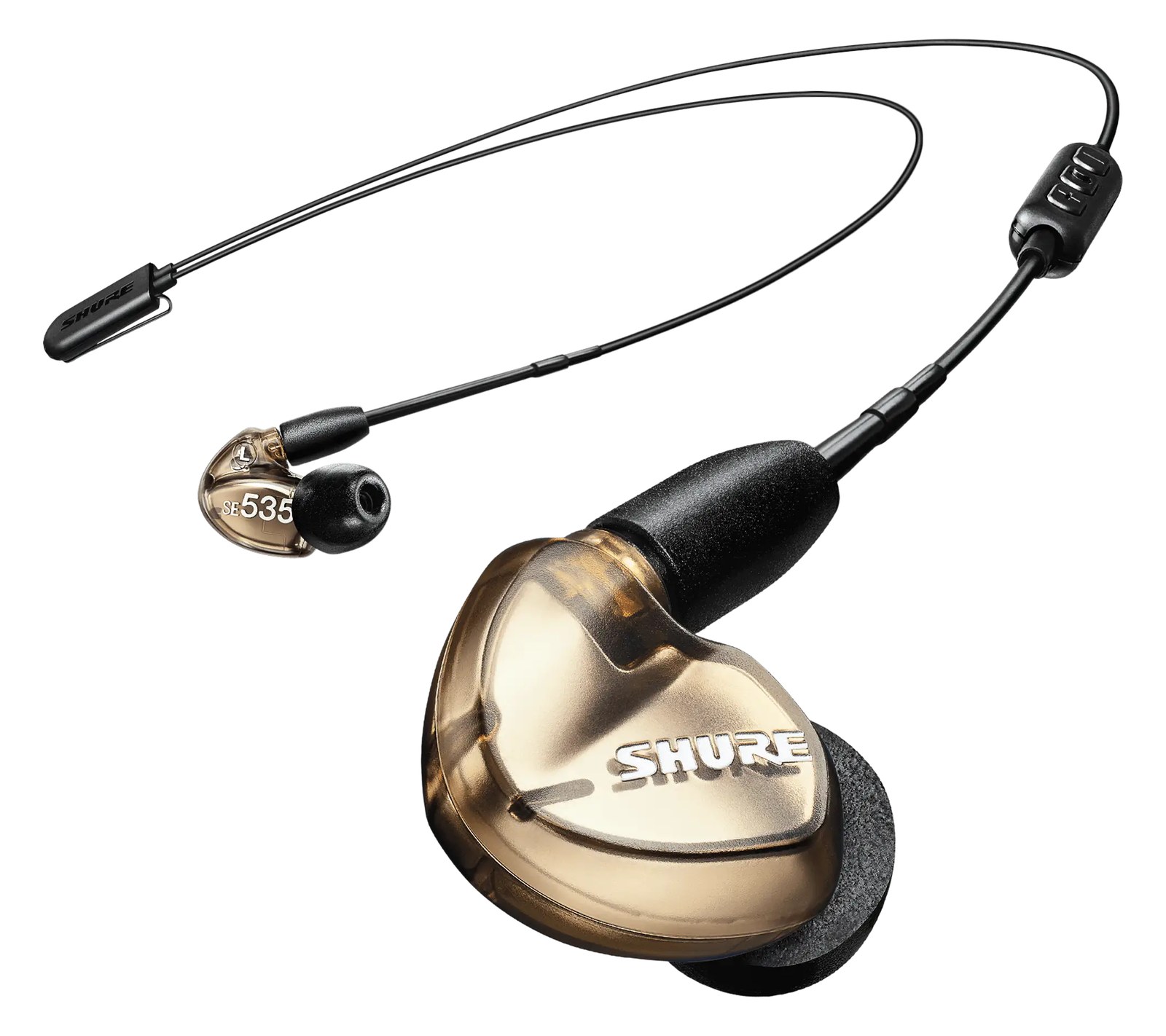
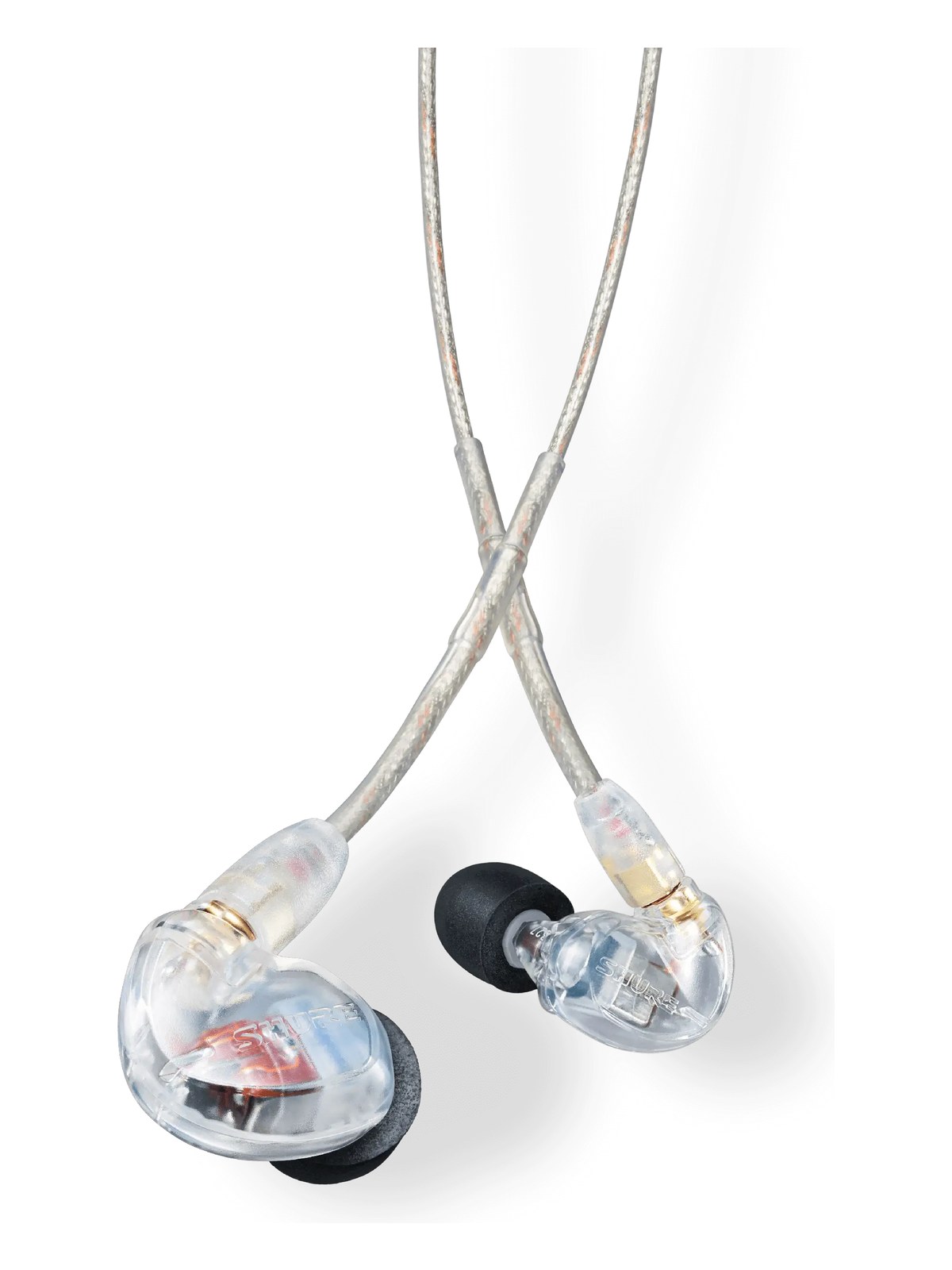
SE846The Shure SE846 is a flagship universal-fit IEM with four balanced armature drivers per side, delivering exceptional detail and low-end extension that rivals many custom-molded options. Interchangeable nozzle inserts let you tune the frequency response to taste, and the detachable MMCX cables make replacement easy on the road. These are a top-tier choice for performers who want premium sound quality without the wait and expense of custom ear molds.View gear →
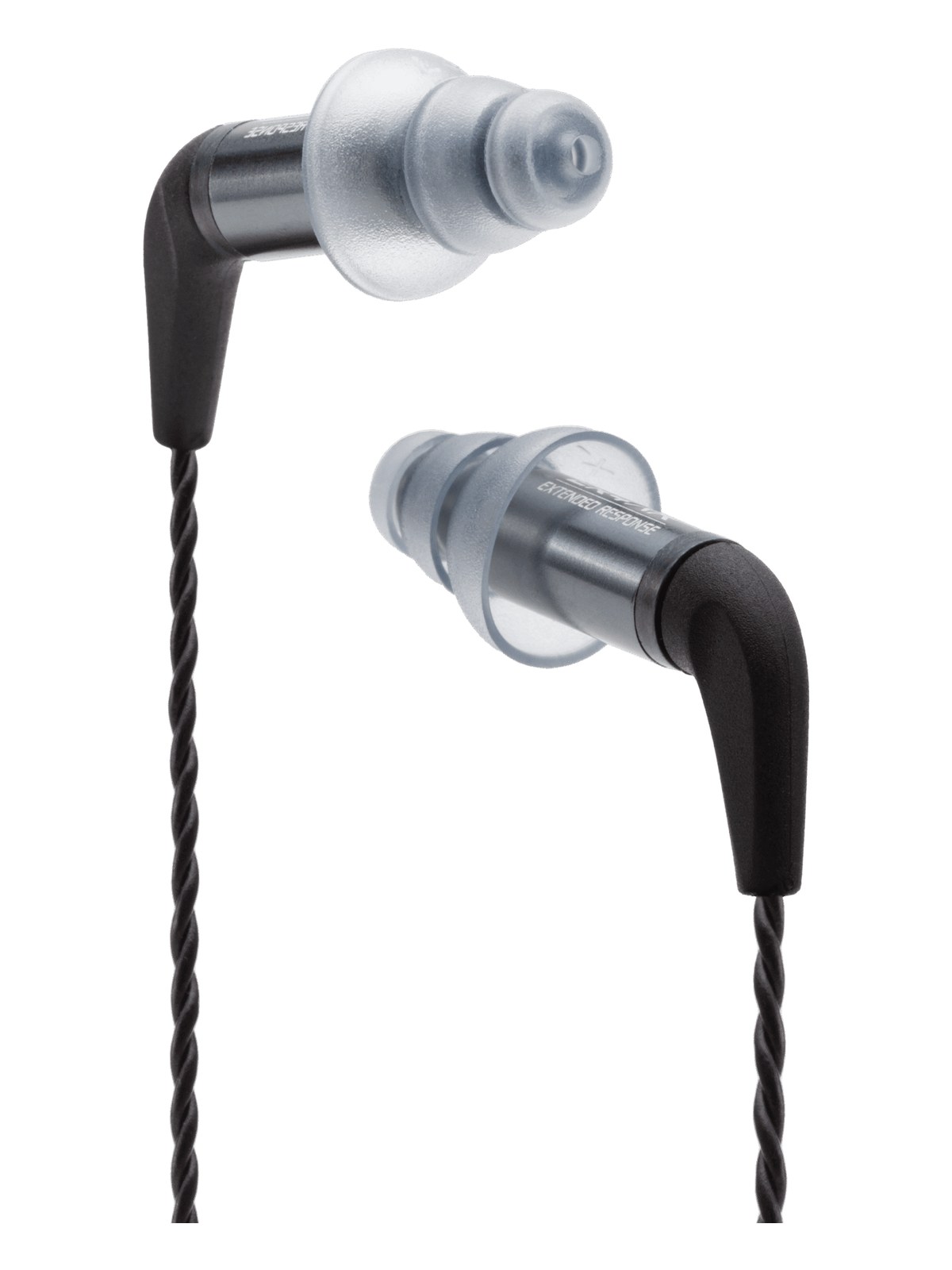
ER4XRThe Etymotic ER4XR is a single balanced armature driver IEM known for its remarkably flat and accurate frequency response, favored by audio engineers and musicians who prioritize monitoring accuracy over hype. The deep-insertion tri-flange tips provide outstanding noise isolation, which is valuable in loud stage environments. A great choice for engineers who use IEMs as reference monitors and need to hear exactly what the mix is doing.View gear →
AM Pro X30The Westone AM Pro X30 is designed specifically for performing musicians, with ambient sound ports that let in a controlled amount of stage sound alongside your IEM mix. This helps performers who feel disconnected from the live environment when using fully isolating IEMs, providing a more natural monitoring experience. The triple-driver design delivers a balanced frequency response that works well across all instrument types and vocal ranges.View gear →
06 · Resolve the questions that can change the purchase or build plan.
Planning questions
Short, source-backed answers surface rack fit, power, cabling, and connection details before they become surprises.
Where does the 64 Audio A12t Custom IEM live in a complete rig?
The catalog assigns it no rack units. Builder tracks it as non-rack gear; follow the manufacturer’s mounting, case, and form-factor guidance.
How much power does the 64 Audio A12t Custom IEM draw?
Its power requirement is not yet verified in the catalog.
07 · See this gear inside a complete system plan.
Builder preview
Builder keeps non-rack gear in the same bill of materials, budget, dependency, and connection plan as the rack-mounted system around it.Open in Builder