
64 Audio U12t Universal IEM
64 Audio·Model U12t·64audio-u12t
Photos
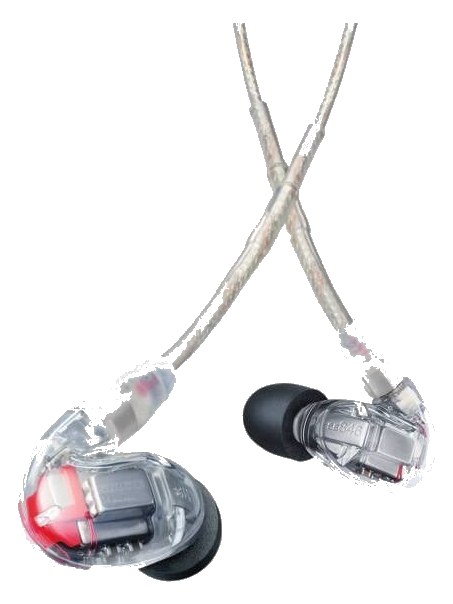
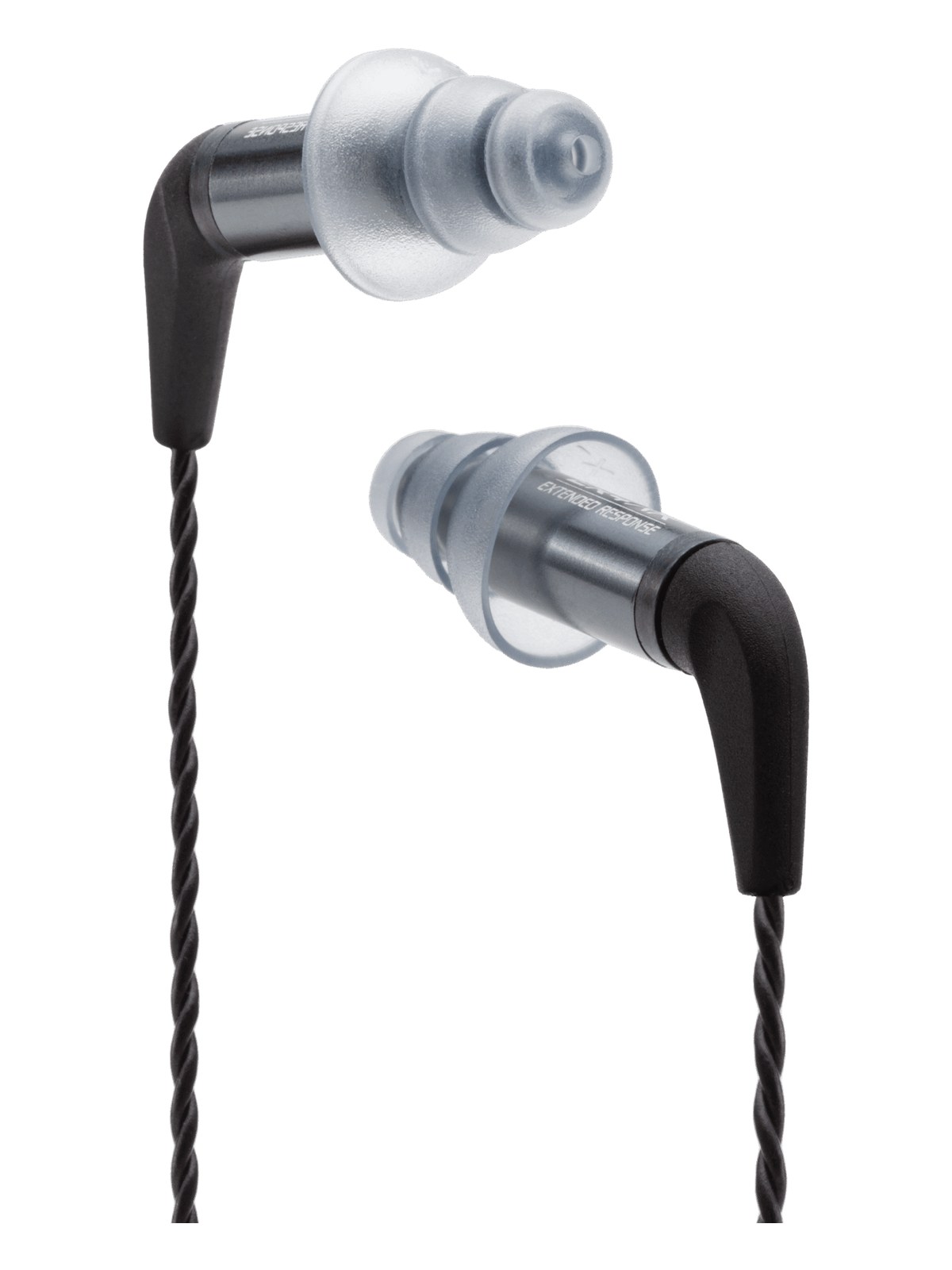
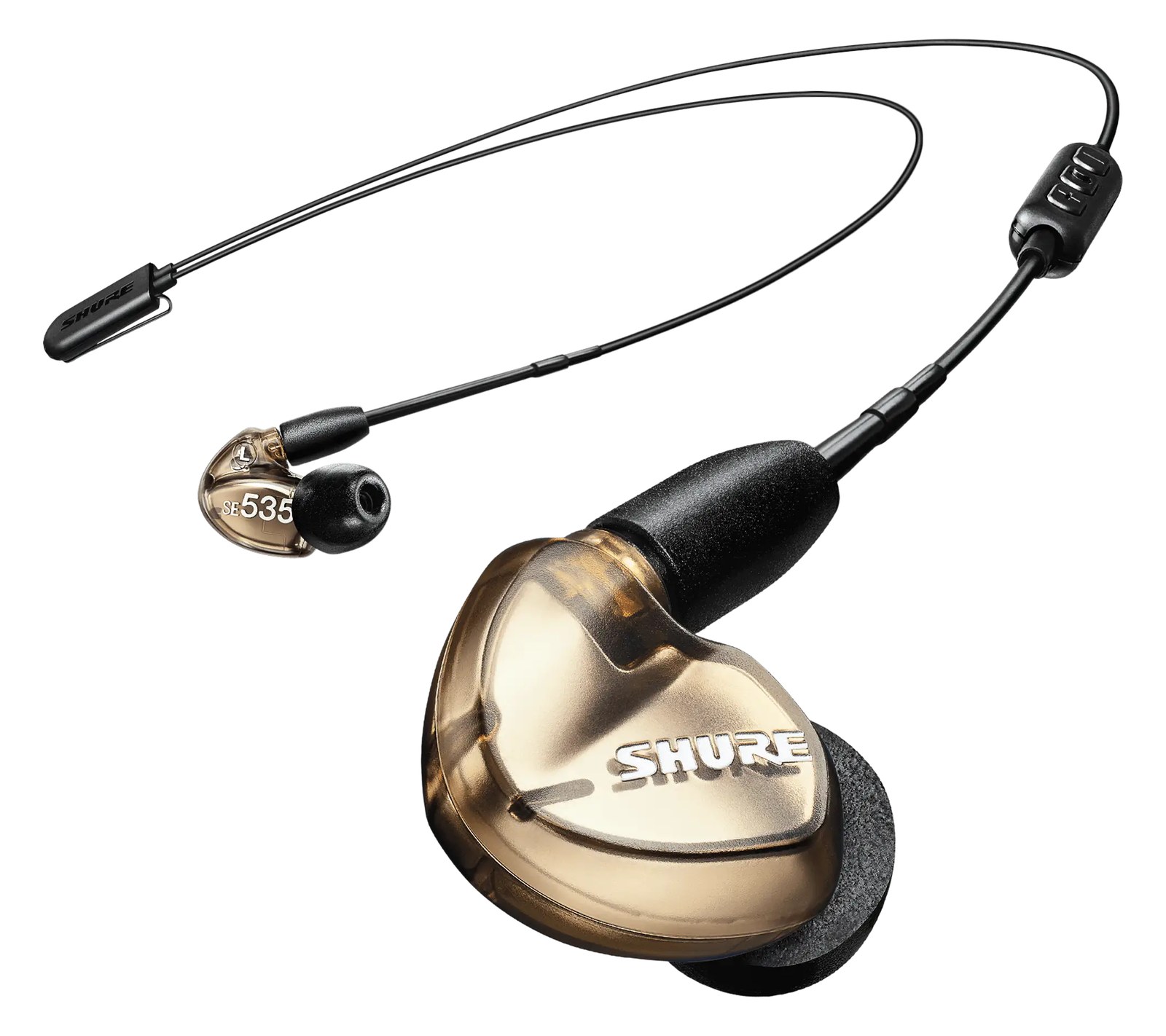
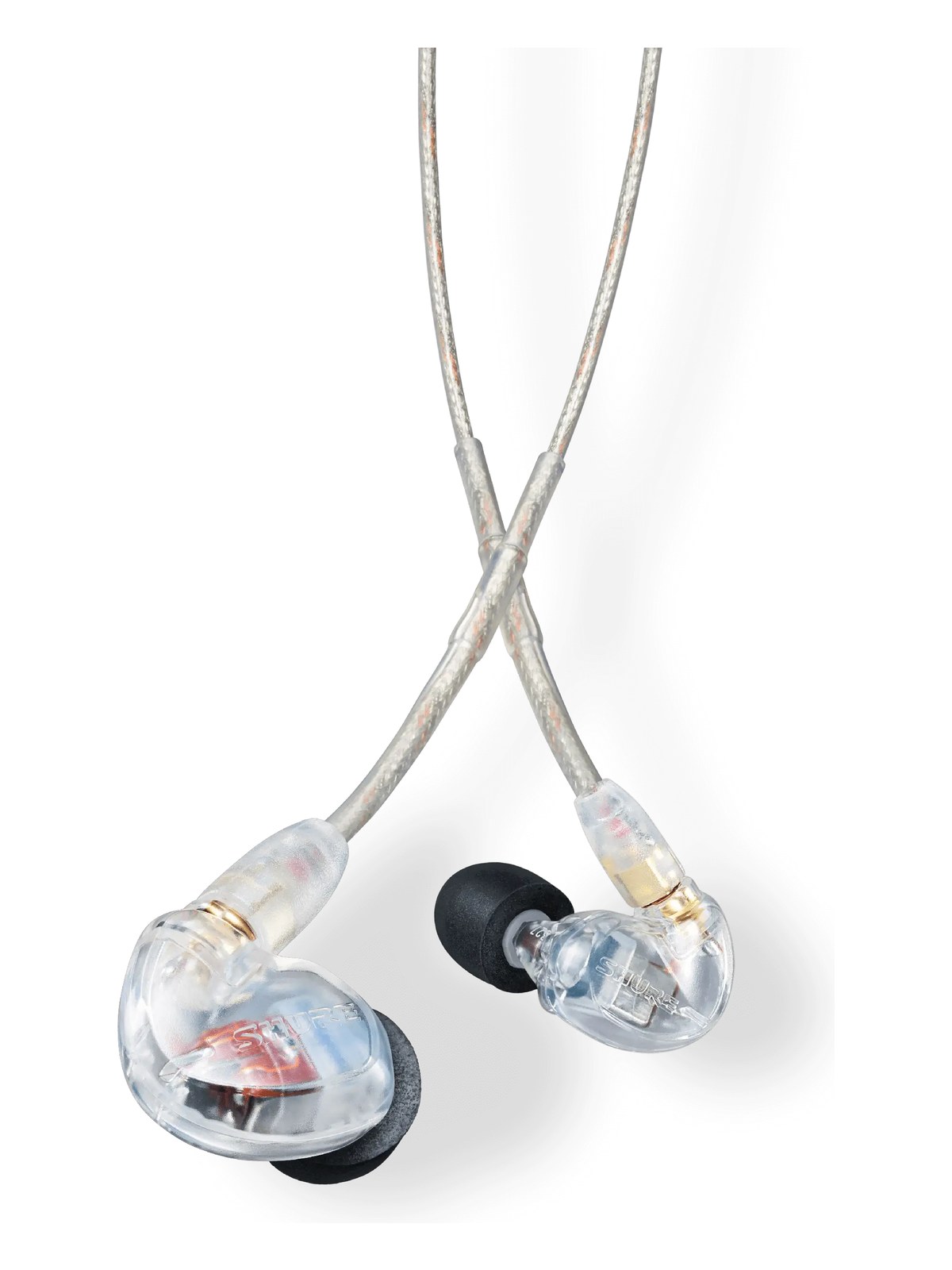
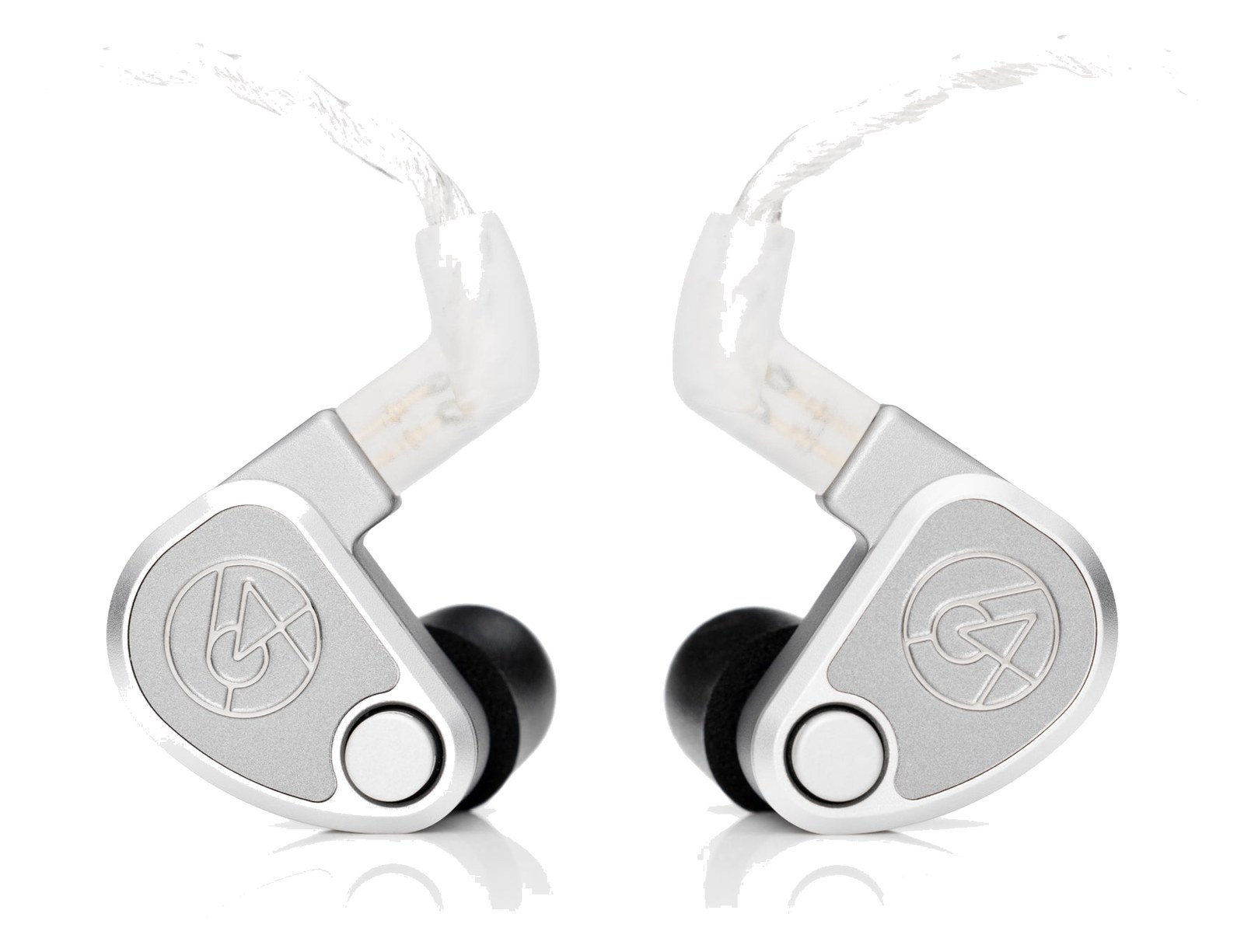
Manufacturer product photography — the drawn faceplate above stays true to panel layout; these show the hardware itself.
About the 64 Audio U12t
The 64 Audio U12t is the universal-fit flagship of 64 Audio's lineup, with twelve balanced armaturesA tiny hearing-aid-derived driver used in pro IEMs — fast and detailed, often several per ear, each covering its own frequency range. per side and the company's apex pressure-relief modules that reduce listener fatigue on long sessions. A favorite of touring engineers and front-of-houseFront Of House — the main mix the audience hears, and the console position out in the room where it gets mixed. pros who want reference-level monitoring without going custom.
The U12t is the universal-fit version of what a lot of touring engineers would call their reference point for in-ear monitoring. Twelve balanced armatureA tiny hearing-aid-derived driver used in pro IEMs — fast and detailed, often several per ear, each covering its own frequency range. drivers per side, tuned across a wide frequency range, give it the kind of resolution that lets you hear mix decisions clearly rather than reacting to what the monitor is doing to the sound. It sits at the top of 64 Audio's universal lineup, and its main job in a rig is simple: be honest. Whether you're dialing in a personal mix from a console auxAn auxiliary mix output — each aux is its own independent blend of the channels, typically one per monitor mix or effects send. or troubleshooting a feed problem at line checkThe quick pre-show pass confirming every input reaches the console, one line at a time. Not a soundcheck — just does it work., the U12t shows you what's actually there.
The apex pressure-relief modules are worth taking seriously if you're running long show days. Earphones that seal tightly can build occlusion pressure over hours, and that fatigue compounds — you start making mix decisions based on discomfort rather than the audio. The apex venting bleeds a small amount of that pressure without compromising the useful isolation. At 30 grams the monitors themselves are essentially weightless in a gig bag, and because they draw no power and have no rack footprint, they add nothing to your load-in calculus beyond keeping the case safe. Fit and seal quality, as with any universal IEMIn-Ear Monitor — earpieces that replace floor wedges, feeding each player their own mix. The reason this whole rack exists., will determine how much of the driver count you actually hear.
This is a monitor for someone who has already solved the fit problem — either their ear geometry works well with universal shells, or they've found a foam or silicone tip combination that seals reliably under stage movement and sweat. If you've had inconsistent seal experiences with universals, $1,999 is a significant bet on an outcome that isn't guaranteed; a custom-fit shell from 64 Audio or a competitor using the same driver architecture would be the more defensible spend. For engineers who know universals work for them and want a single pair that moves across multiple rigs and artists without compromise, the U12t is a credible first choice.
In the rack
- Carry at least two different tip materials — foam for maximum seal and isolation in loud stage environments, silicone for quicker removal during talkbackThe engineer’s mic into the performers’ ears or monitors — talk to the band without leaving the console.-heavy production days. The U12t rewards a good seal more than most universals because the driver count only pays off when low-end isn't leaking out.
- Log which cable termination your console's headphone output or IEMIn-Ear Monitor — earpieces that replace floor wedges, feeding each player their own mix. The reason this whole rack exists. transmitter uses before tour — the U12t ships with a standard 2-pin connector, and swapping to a right-angle or locking variant before the first show is easier than doing it in a dark wing at half-hour.
- If you're using these to reference a mix rather than as an artist's performance monitor, A/B against your studio reference regularly on the same source material. The U12t's top-end resolution can read differently in a loud stage environment than in a quiet room, and keeping that calibration fresh prevents reference drift over a long run.
- Store them in a hard case inside your personal bag, not in the rack itself. There's no rack mount application here — the catalog flag is vestigial — and a coiled cable bouncing around a rack drawer is how you damage the 2-pin connector mid-tour.
Twelve-driver universal flagship with apex tech.
I/O Ports (0)
No ports.
Related gear


Related articles
Guides from our library that cover planning around earphones / iems gear.
What an IEM rig actually is, the components that go into one, and how to plan your first one without overspending or blowing a circuit.
A plain-English plan for bands switching from floor wedges to in-ear monitors — what to buy, what to expect at the first rehearsal, and how to not hate it.
Why sealed IEMs make you feel disconnected from the room — and exactly how to put the audience back into your mix with one or two well-placed mics.
A feedback squeal in a sealed ear can hit 130 dB SPL instantly. Where the limiter goes, what thresholds make sense, and the daily soundcheck habit that verifies it actually catches.