
Audio-Technica ATH-E70 IEM
Audio-Technica·Model ATH-E70·audio-technica-ath-e70
Photos
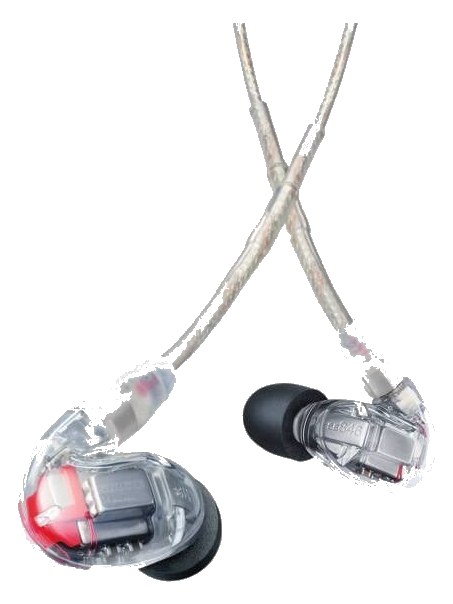
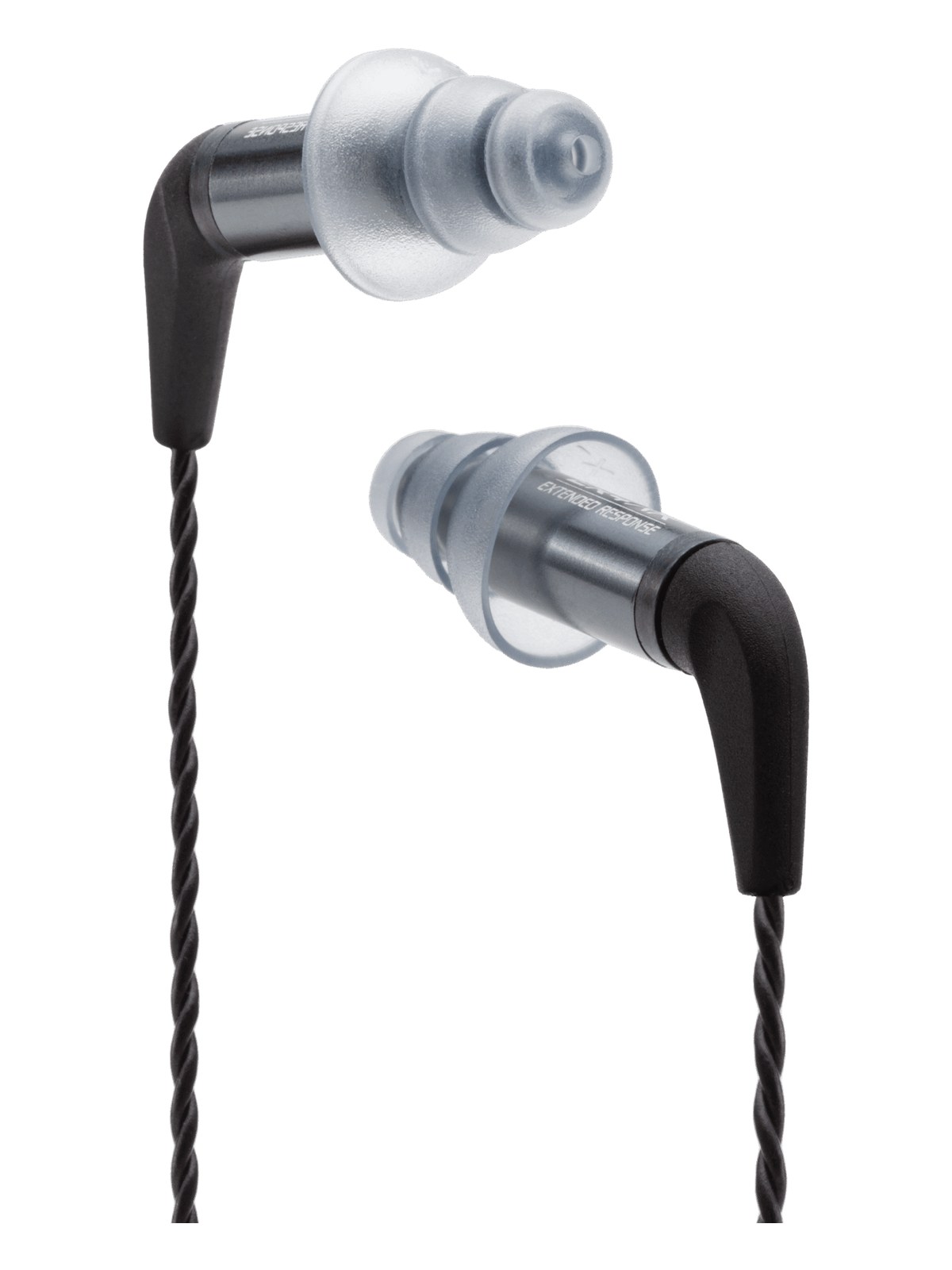
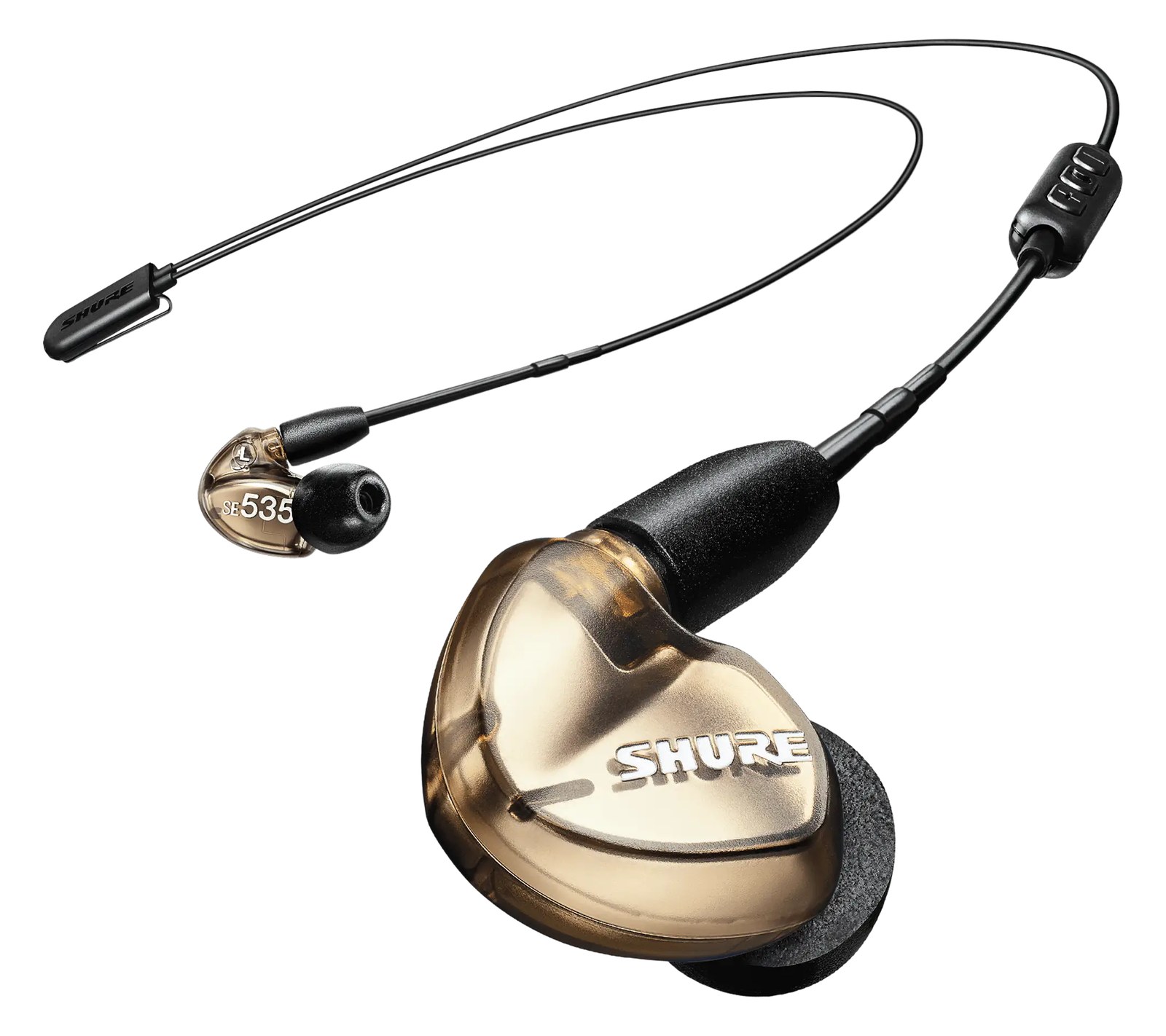
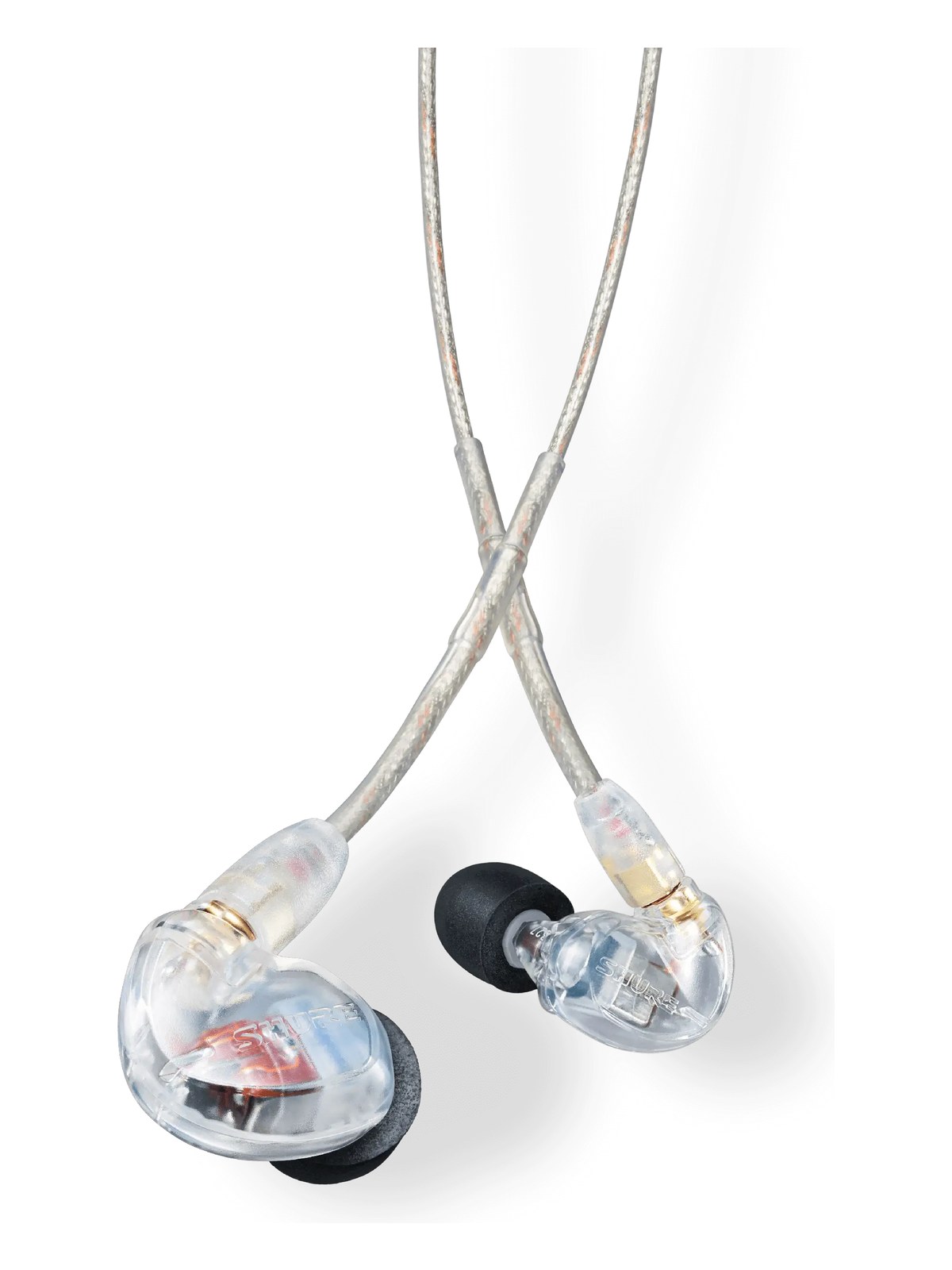
Manufacturer product photography — the drawn faceplate above stays true to panel layout; these show the hardware itself.
About the Audio-Technica ATH-E70
The Audio-Technica ATH-E70 is a triple balanced armatureA tiny hearing-aid-derived driver used in pro IEMs — fast and detailed, often several per ear, each covering its own frequency range. universal IEMIn-Ear Monitor — earpieces that replace floor wedges, feeding each player their own mix. The reason this whole rack exists. aimed at the pro audio market. A balancedCarries the signal on two wires and cancels whatever noise both pick up — why mic cables can run hundreds of feet hum-free., accurate frequency responseThe range of lows-to-highs a device reproduces and how evenly it does it — flat means nothing is hyped or missing. and replaceable A2DC cables make it a solid choice for engineers and musicians who use IEMs as monitoring references.
The ATH-E70 is Audio-Technica's flagship entry in their E-series professional IEMIn-Ear Monitor — earpieces that replace floor wedges, feeding each player their own mix. The reason this whole rack exists. line — a triple balanced armatureA tiny hearing-aid-derived driver used in pro IEMs — fast and detailed, often several per ear, each covering its own frequency range. universal fit earphone built for the musician or engineer who needs an honest window into the mix rather than a hyped consumer listening experience. It slots into a rig not as a rack unitThe standard slice of rack height: 1U = 1.75″. A 3U box takes three slices; half-rack gear pairs two units side by side in one. but as the final link in the entire signal chain: everything you've built, routed, and mixed ultimately lands here, in the ear. At $399 it sits in a competitive tier where it competes with established names like the Shure SE535 and Westone Audio AM Pro series, so it earns its place on merit rather than brand loyalty alone.
Triple balanced armatureA tiny hearing-aid-derived driver used in pro IEMs — fast and detailed, often several per ear, each covering its own frequency range. drivers mean the E70 resolves detail across the frequency range without the low-end bloat that can mask kick-drum definition or muddy a crowded monitor mix. On a loud stage that matters — you're not compensating for the earphone, you're actually hearing what your send looks like. The A2DC detachable connector is a genuine practical win: cables take the abuse at live shows, and swapping a worn cable at load-in costs a fraction of replacing the whole earphone. Universal fit means no custom impressions, which is either a feature (replaceable quickly, shareable in a pinch) or a limitation depending on how seriously your artist takes isolation.
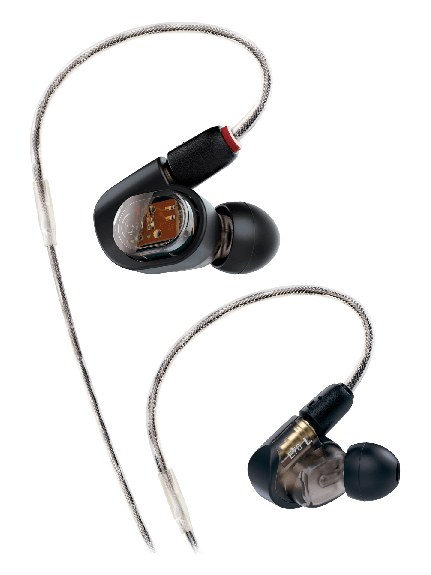
These belong in the hands of an engineer using IEMsIn-Ear Monitor — earpieces that replace floor wedges, feeding each player their own mix. The reason this whole rack exists. as a reference tool, or a musician who wants accurate monitoring without committing to a custom mold. If your artist prioritizes deep isolation and maximum comfort for a two-hour show, a custom-fit IEM built on a similar driver configuration will outperform any universal at that stage length. And if your budget needs to cover a wireless pack as well, factor that in — the E70 is a passive earphone that needs a bodypack receiver to go wireless, so total system cost runs higher than the earphone price alone suggests.
In the rack
- Carry at least one spare A2DC cable in your IEMIn-Ear Monitor — earpieces that replace floor wedges, feeding each player their own mix. The reason this whole rack exists. kit bag — they're inexpensive, and a cable failure mid-show on a universal IEM is a two-minute fix if you're prepared and a showstopper if you're not.
- When using these as a reference to dial in a mix, verify your bodypack output level is consistent show to show; the E70's accuracy is only useful if your gainHow much the preamp amplifies the incoming signal. Too low and you’re hunting through hiss; too high and peaks clip. structure into the earphone is stable.
- Universal fit isolation varies significantly by ear tip — spend time before the first show finding the right tip material and size for your artist, and bring backups of whichever tip works best.
- If you're the engineer wearing these to check mixes, keep a dedicated labeled cable on your pair so driver-matching stays consistent and you're not second-guessing what changed between soundcheck and show.
Triple-driver pro IEMIn-Ear Monitor — earpieces that replace floor wedges, feeding each player their own mix. The reason this whole rack exists..
I/O Ports (0)
No ports.
Related gear


Related articles
Guides from our library that cover planning around earphones / iems gear.
What an IEM rig actually is, the components that go into one, and how to plan your first one without overspending or blowing a circuit.
A plain-English plan for bands switching from floor wedges to in-ear monitors — what to buy, what to expect at the first rehearsal, and how to not hate it.
Why sealed IEMs make you feel disconnected from the room — and exactly how to put the audience back into your mix with one or two well-placed mics.
A feedback squeal in a sealed ear can hit 130 dB SPL instantly. Where the limiter goes, what thresholds make sense, and the daily soundcheck habit that verifies it actually catches.