
Wireless Guitar

Audio-Technica ATW-R3210 3000 Series Receiver

Audio-Technica·Model ATW-R3210·audio-technica-atw-r3210

Photos

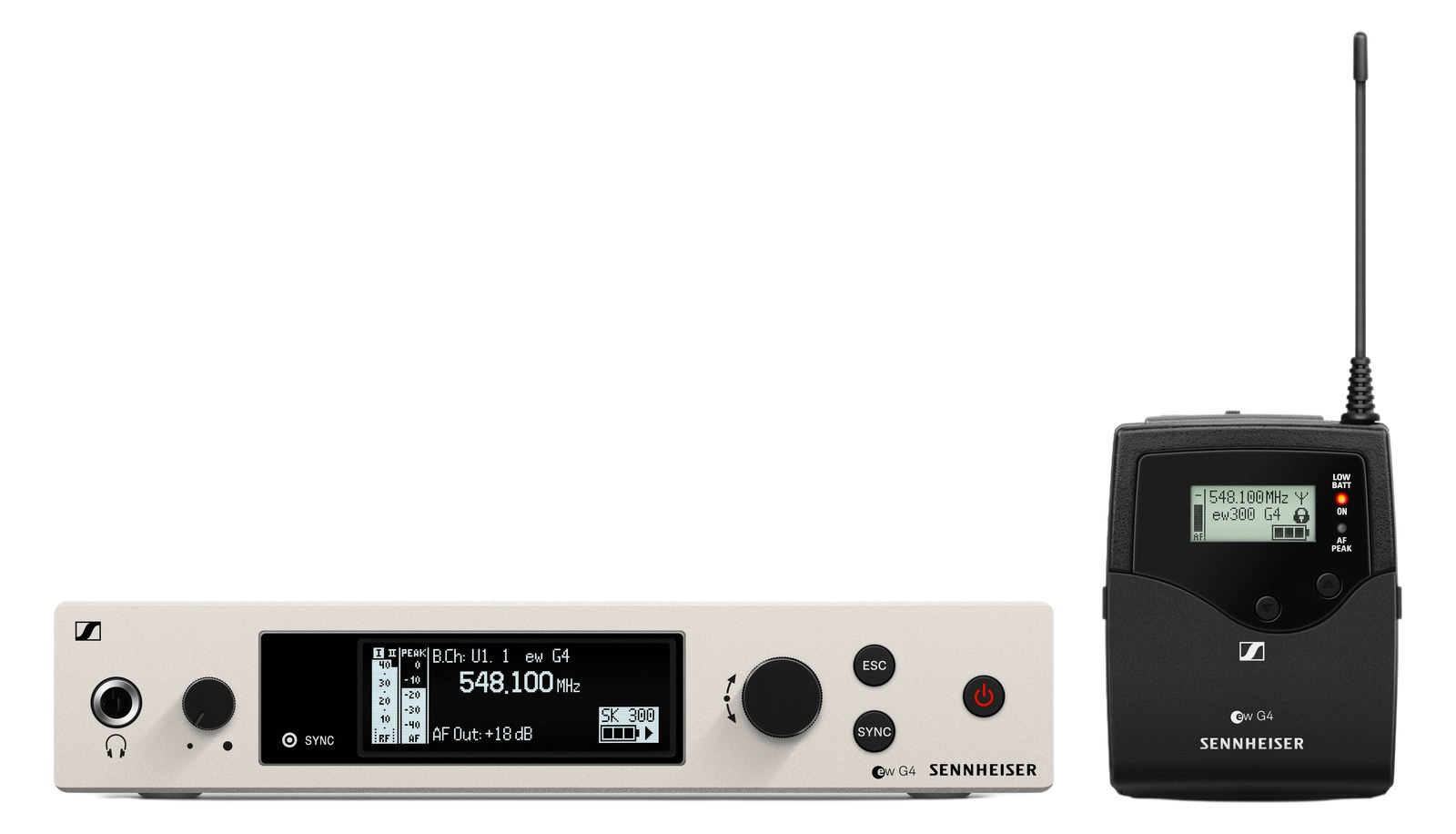
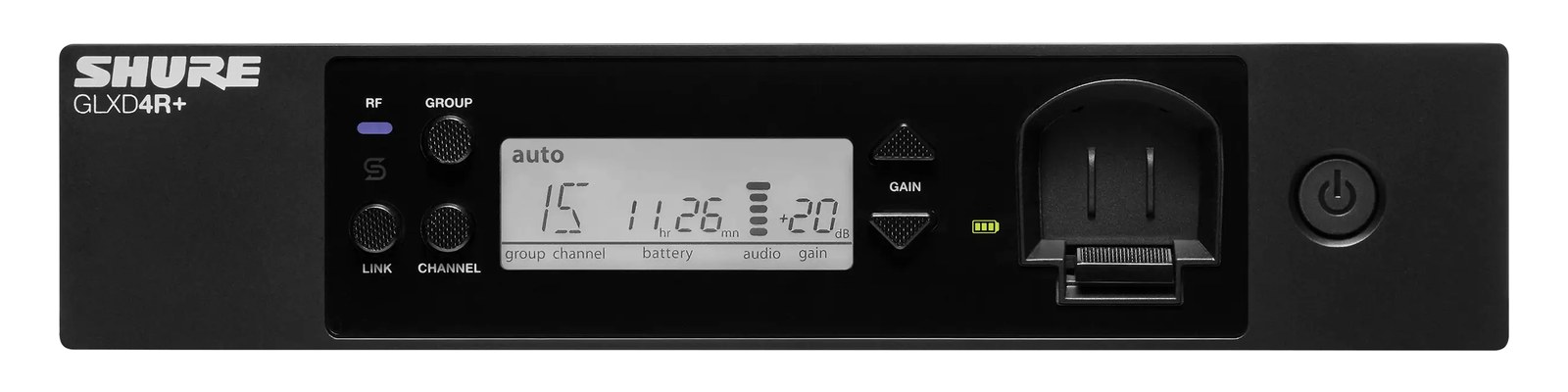
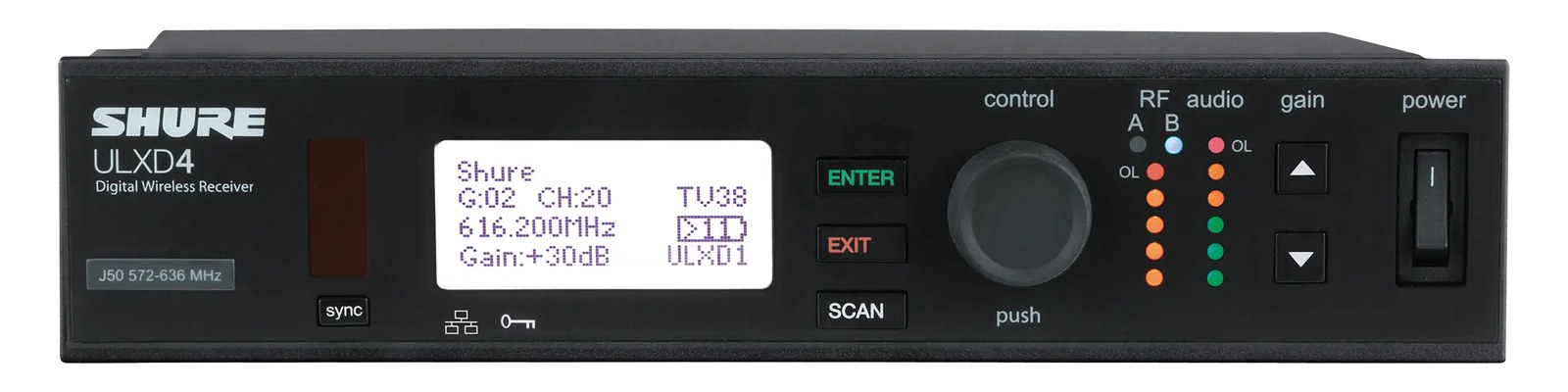
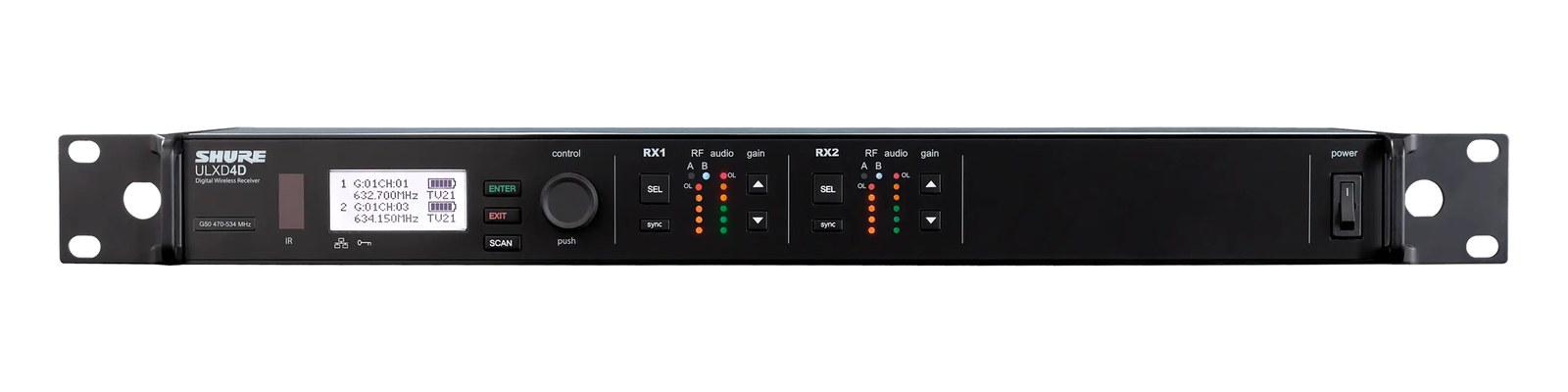
Manufacturer product photography — the drawn faceplate above stays true to panel layout; these show the hardware itself.

Photo: Audio-TechnicaClick to zoom

About the Audio-Technica ATW-R3210

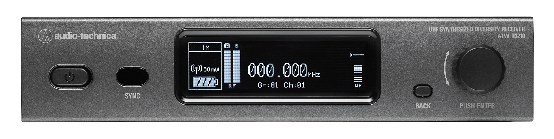
The Audio-Technica ATW-R3210 is a network-enabled true diversity UHF receiver with Dante output capability, making it a versatile option for rigs that are transitioning to networked audio. The 3000 Series offers professional performance at a competitive price point, and the half-rack form factor keeps your deployment efficient. Network control via Ethernet enables remote monitoring and management of your wireless channels from a laptop or tablet.

The ATW-R3210 is Audio-Technica's network-ready entry point into their 3000 Series wireless ecosystem — a true diversity UHF receiver aimed squarely at the working musician or touring engineer who wants reliable RF performance without climbing to the price tier of the 5000 Series. It sits in a half-rack 1U shell, meaning you can pair two units side by side in a single rack space, which matters when you're trying to run multiple channels of wireless guitar or bass without burning through a whole rack. The XLR output feeds straight to your snake or stage box, and the Ethernet port opens the door to both Dante audio-over-IP and remote network control.

At 7 watts nominal draw and 0.6 kg, this receiver is easy on your rack's power budget and weight limit — relevant when you're already hauling a full IEM rig alongside it. The two BNC antenna inputs support standard passive or active antenna distribution, so slotting this into an existing antenna system is straightforward. The Dante capability is the spec that deserves attention: if your production is moving toward a networked stagebox or you're feeding a console that speaks Dante, this receiver can live on that network rather than running an analog multicore. Remote monitoring via a laptop or tablet at FOH is genuinely useful when the rack is locked in a downstage case you can't easily reach mid-show.
This receiver is a strong fit for a small-to-mid touring rig where you want professional RF diversity, a path toward networked audio, and the flexibility to run multiple channels without a dedicated full-rack unit per channel. If you're running a dense RF environment with ten or more channels, you'll want to evaluate the 5000 Series for its more granular frequency coordination tools. If Dante is completely irrelevant to your workflow and you're purely analog, you may be paying for infrastructure you won't use — but the core wireless performance still justifies the price on its own terms.

In the rack

  • Pair two ATW-R3210 units in a single 1U space using a half-rack bracket or dual-mount kit — label each bay clearly at install so there's no confusion swapping transmitter packs at changeover.
  • If you're using Dante, assign static IPs at the first system build and document them in your show file; DHCP address changes between venues are a fast way to lose your network audio path at the worst moment.
  • Run your antenna distribution from a centrally located active distro rather than splitting passively across multiple receivers — the 3000 Series will benefit from consistent, clean RF signal especially in crowded festival or theater environments.
  • Keep the Ethernet port active even on analog-only gigs: network monitoring lets you check RF quality and battery status from a laptop without walking to the rack during soundcheck.

3000 Series network-enabled receiver. True diversity UHF with Dante output.

I/O Ports (6)

PortConnectorDirectionSignalChannels
Bal Out (XLR)XLR MALEoutputanalog audio
Unbal Out (6.3mm mono)TS QUARTERoutputanalog audio
Antenna ABNCinputantenna
Antenna BBNCinputantenna
Ethernet (retired — no such jack)RJ45bidirectionaldata
Power
  • DC In (12V) (DC BARREL)

Deciding between two?

Rack space, watts, weight and every connector, side by side.

Related gear

Related articles

Guides from our library that cover planning around wireless guitar gear.