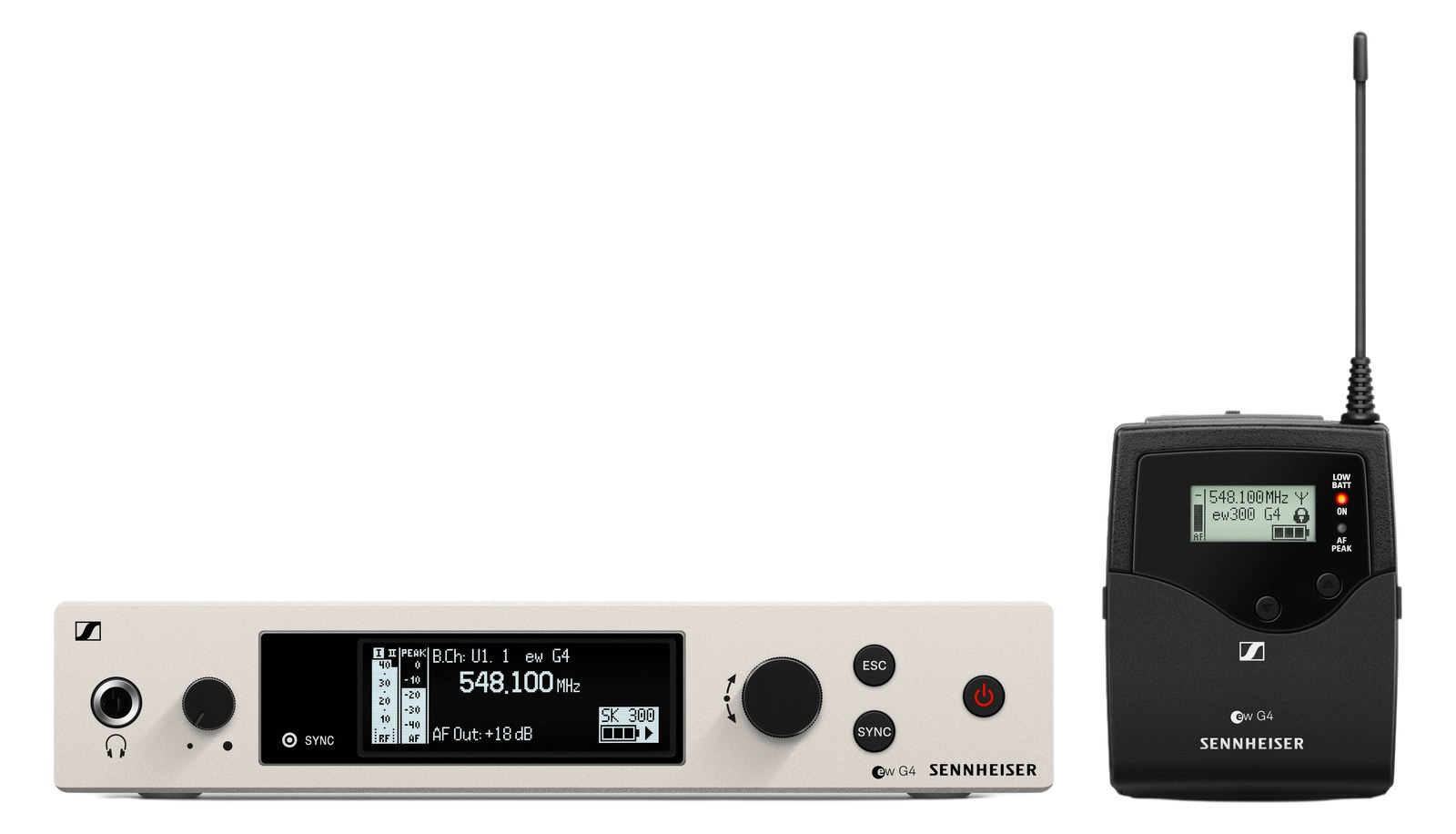
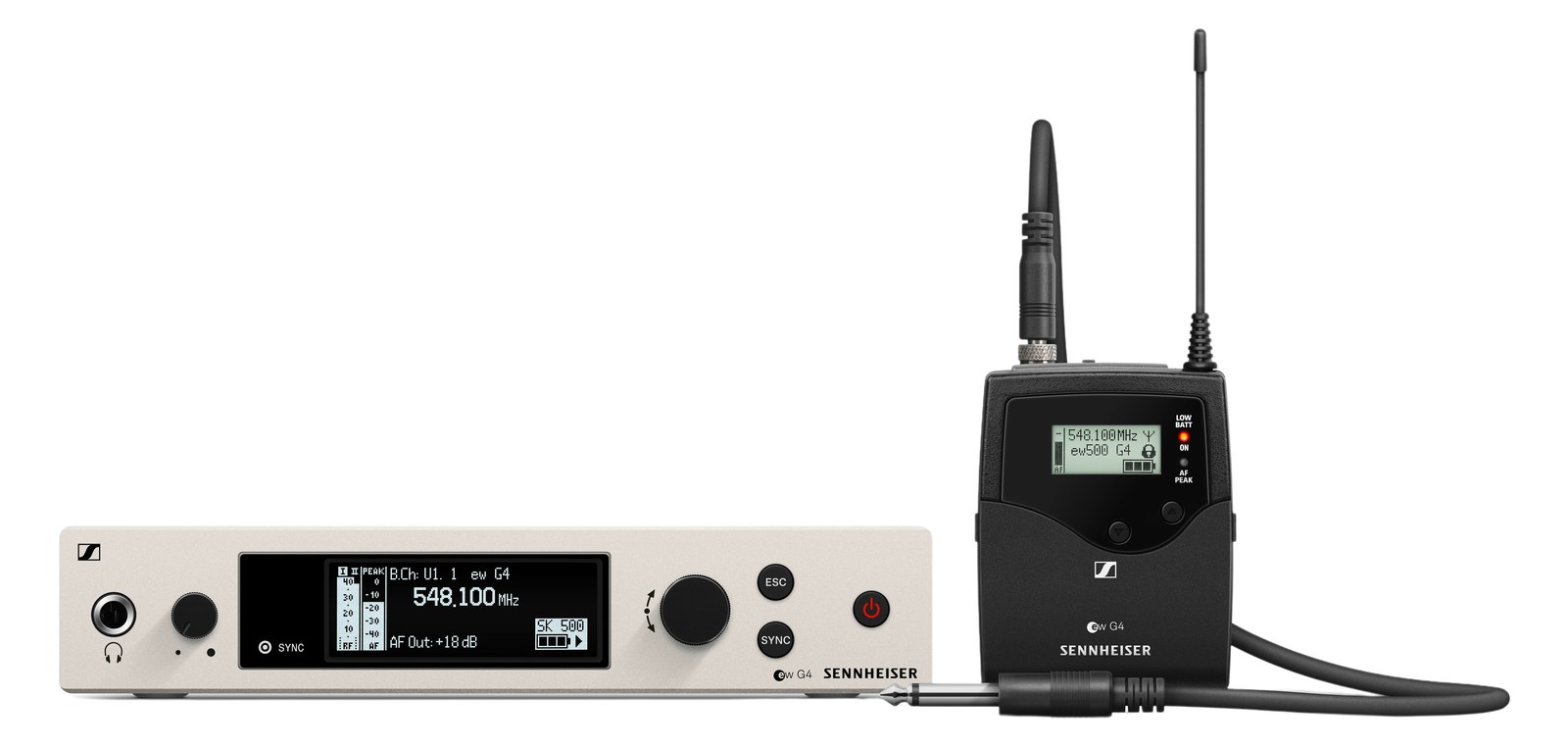
The Sennheiser EW 300 G4-CI1 is a solid mid-range wireless instrument system with true diversity UHF reception and Sennheiser's well-proven G4 platform reliability. It is a popular choice for guitarists and bassists who want a wireless system that is straightforward to set up and delivers clean, reliable audio. The half-rack receiver pairs efficiently with other half-rack units in your rack build.
~$699Use retailer rows for current price and stock
01 · What it does—and what that changes in your rig.
Product overview
Start with the payoff, then work through how it functions, where it fits, and the details that change a real build.
The payoff
Wireless Guitar decisions, organized around the whole rig.
The EW 300 G4-CI1 is Sennheiser's mid-tier answer to the wireless instrument question — a UHFThe TV-band radio range (roughly 470–608 MHz in the US) where serious wireless mics and IEMs live — better behaved than crowded 2.4 GHz.true diversityA receiver with two antennas and two radio sections that continuously picks the stronger one — the difference between a dropout and a show. receiver built around the G4 platform that has earned a reputation for dependable, consistent performance across thousands of touring and theater rigs. It pairs with a beltpack transmitter and the CI1 straight instrument cable, letting a guitarist or bassist cut the cord without fussing with a clip or capsule. The half-rackThe standard slice of rack height: 1U = 1.75″. A 3U box takes three slices; half-rack gear pairs two units side by side in one. form factor is the key detail for rack builders: this receiver occupies half a 1U slot, which means you can pair it with another half-rack unit and lose only a single rack space total.
Documented outputs
22 destination connections
Documented inputs
3Based on documented inputs
Rack space
1U · half-rackBuilder checks available rail space
Photo: Sennheiser1U · half-rack · 6W
Function
How it works in the path
True diversityA receiver with two antennas and two radio sections that continuously picks the stronger one — the difference between a dropout and a show. means two antennas and two receiver paths, with the unit selecting the stronger signal in real time — that matters on a busy stage where a guitar player is moving around and bodies are absorbing RFRadio Frequency — the wireless part of wireless. RF planning is why big rigs scan, coordinate, and combine antennas instead of hoping.. The BNCThe twist-lock coax connector used for word clock and antenna runs — it locks, so it can’t be pulled out mid-show. antenna inputs let you run remote antennas via coax if the rack is positioned offstage or in a pit where line-of-sight is poor. Both a balancedCarries the signal on two wires and cancels whatever noise both pick up — why mic cables can run hundreds of feet hum-free.XLRThe standard 3-pin locking connector for mics and balanced line signals — pin 1 is the shield, pins 2 and 3 carry the balanced pair. output and an unbalancedA single signal wire plus ground (guitar cables, RCA) — collects noise with length, so keep the runs short. quarter-inch output are on the rear, so you can feed a console's line input directly or route into an amp's effects return depending on how the show is wired. At 6–8 watts, it's a light power draw and won't stress a conditioner even in a densely loaded rack.
Best fit
Where it earns its place in the rack
This system earns its place when you need something proven and low-maintenance — a working guitarist or bassist who wants to set scan-and-sync at soundcheck and not think about it again. If you're running multiple wireless channels in a single rack, the half-rackThe standard slice of rack height: 1U = 1.75″. A 3U box takes three slices; half-rack gear pairs two units side by side in one. format stacks efficiently, but you'll need a proper half-rack shelf or a pairing unit to fill the space cleanly. Players who need extended range in challenging RFRadio Frequency — the wireless part of wireless. RF planning is why big rigs scan, coordinate, and combine antennas instead of hoping. environments or who are touring arenas might look at the EW 500 G4 or Digital 6000 series for more headroomThe margin between your normal level and where things clip — headroom is what absorbs the snare hit you didn’t see coming.. For club, theater, and festival work at this price point, the G4 CI1 is a hard system to argue against.
In the rack
Details worth deciding before load-in.
Pair it with another half-rackThe standard slice of rack height: 1U = 1.75″. A 3U box takes three slices; half-rack gear pairs two units side by side in one. unit — a second CI1 for a bassist, or a half-rack IEMIn-Ear Monitor — earpieces that replace floor wedges, feeding each player their own mix. The reason this whole rack exists. receiver — so the 1U slot is fully used and nothing is rattling in a half-empty bay.
If the rack lives at the side of the stage or in a pit, run BNCThe twist-lock coax connector used for word clock and antenna runs — it locks, so it can’t be pulled out mid-show. coax to remote antennas positioned with clear sightlines to the player; the stock paddleA directional antenna (paddle, LPDA, helical) aimed at the stage — focuses coverage where the performers are and rejects RF from elsewhere. antennas on the rear panel are nearly useless when the rack is behind a flat or in a wing.
Use the balancedCarries the signal on two wires and cancels whatever noise both pick up — why mic cables can run hundreds of feet hum-free.XLRThe standard 3-pin locking connector for mics and balanced line signals — pin 1 is the shield, pins 2 and 3 carry the balanced pair. output whenever you're running more than a few meters to the console — the quarter-inch output is convenient for direct-to-amp use, but XLR handles cable runs and rejects interference better in a live environment.
Run the frequency scan with all other wireless and IEMIn-Ear Monitor — earpieces that replace floor wedges, feeding each player their own mix. The reason this whole rack exists. gear powered on; the G4's auto-scan is fast, but it only avoids interference it can see at scan time, so the full RFRadio Frequency — the wireless part of wireless. RF planning is why big rigs scan, coordinate, and combine antennas instead of hoping. picture needs to be live when you commit to frequencies.
02 · Know the whole path before you buy.
Signal path
Learn the route as a block diagram: source, product function, transport, and destination. Select any block to see what enters, what changes, and what leaves.
Interactive block diagramAuto-looping · hover, focus, or tap to hold a stage
Port-type signalProduct functionSystem boundary
Follow one signal from source to destination
Each block answers the same three questions: what arrives, what changes here, and what leaves.
01 · Source · selected
bnc + dc barrel
RJ45
XLR male + ¼-inch TRS
01 · Source
3 documented inputs
bnc + dc barrel
Arrives as
3 documented inputs
Connector
bnc + dc barrel
Signal
antenna
03 · What this product asks of the rest of the system.
Compatibility
Treat connector names as the start of the check—not the answer. These are the boundaries that determine a complete working path.
Best fit · Wireless Guitar
Use it when 1U · half-rack and 210 mm of depth fit the case.
Plan the companion path
Complete the path with upstream and downstream gear that matches connector, direction, signal type, protocol, and wiring standard.
Connector boundary
Documented connectors: XLR male, ¼-inch TRS, bnc, RJ45. Match connector, direction, and signal type—not shape alone.
04 · Every connector, grouped by job.
I/O ports
Switch the product view and the documented port inventory updates with it—hardware and data stay side by side.
Every connector, grouped by job.
Switch panels to keep the hardware view and the documented port list in sync.
Front panelRear panel
All documented ports for Sennheiser EW 300 G4-CI1 Wireless Guitar
Port
Panel
Connector
Direction
Signal
Channels
XLR Out
rear
XLR male
output
analog audio
—
1/4" Out
rear
¼-inch TRS
output
analog audio
—
Antenna A
rear
bnc
input
antenna
—
Antenna B
rear
bnc
input
antenna
—
Ethernet (RJ-45)
rear
RJ45
bidirectional
data
—
DC In (12V)
rear
dc barrel
input
power
—
Showing 6 of 6 documented physical ports.
05 · Compare the decision, not just the price.
Alternatives
The rows are organized around fit, power, I/O, and system role so a cheaper unit cannot hide a more expensive workflow.
EW 300 G4-CI1The Sennheiser EW 300 G4-CI1 is a solid mid-range wireless instrument system with true diversity UHF reception and Sennheiser's well-proven G4 platform reliability. It is a popular choice for guitarists and bassists who want a wireless system that is straightforward to set up and delivers clean, reliable audio. The half-rack receiver pairs efficiently with other half-rack units in your rack build.View gear →
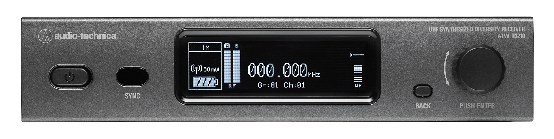
ATW-R3210The Audio-Technica ATW-R3210 is a network-enabled true diversity UHF receiver with Dante output capability, making it a versatile option for rigs that are transitioning to networked audio. The 3000 Series offers professional performance at a competitive price point, and the half-rack form factor keeps your deployment efficient. Network control via Ethernet enables remote monitoring and management of your wireless channels from a laptop or tablet.View gear →
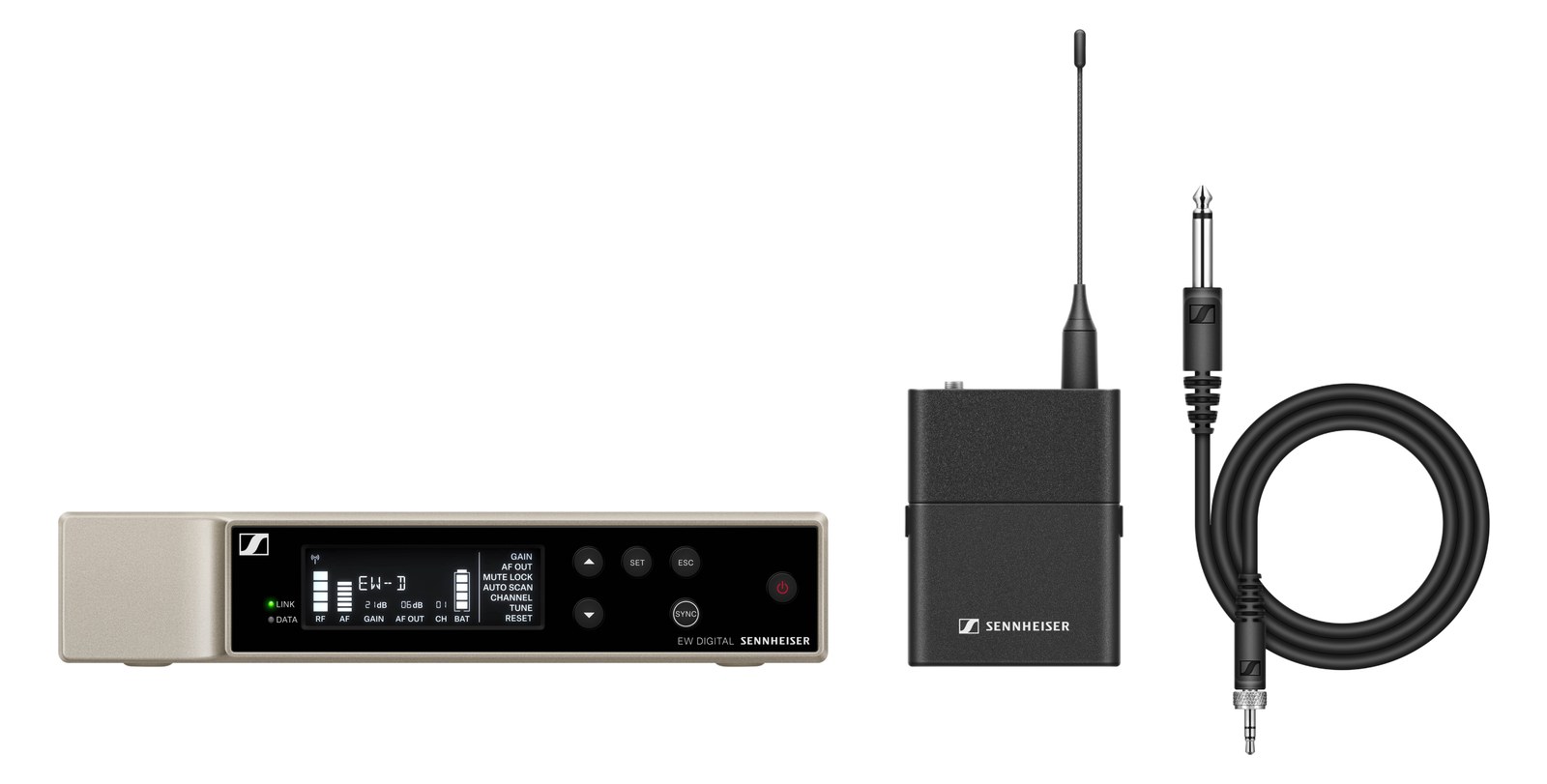
EW-D CI1The Sennheiser EW-D CI1 brings digital wireless to the instrument market at an accessible price point, with ultra-low 1.9ms latency that is imperceptible to even the most sensitive guitarists. The digital transmission eliminates companding artifacts that analog wireless systems introduce, delivering a cleaner, more transparent tone. With support for up to 90 simultaneous channels, it scales well for productions with multiple wireless instruments.View gear →
06 · Resolve the questions that can change the purchase or build plan.
Planning questions
Short, source-backed answers surface rack fit, power, cabling, and connection details before they become surprises.
How will the Sennheiser EW 300 G4-CI1 Wireless Guitar affect rack fit and case depth?
It occupies 1U · half-rack. Its documented depth is 210 mm.
How much power does the Sennheiser EW 300 G4-CI1 Wireless Guitar draw?
Typical draw is 6W and documented maximum draw is 8W.
What connections does the Sennheiser EW 300 G4-CI1 Wireless Guitar have?
6 documented physical ports, including XLR Out, 1/4" Out, Antenna A, Antenna B, Ethernet (RJ-45), DC In (12V).
Is the Sennheiser EW 300 G4-CI1 Wireless Guitar discontinued?
evolution wireless G4 300/500 series discontinued June 2024 — succeeded by EW-DX. Kept for owners.
07 · See this unit inside a real rack plan.
Builder preview
Placement is only the start. Builder checks space · depth · weight, power headroom, dependencies, and compatible signal paths around this exact catalog item.Open in Builder