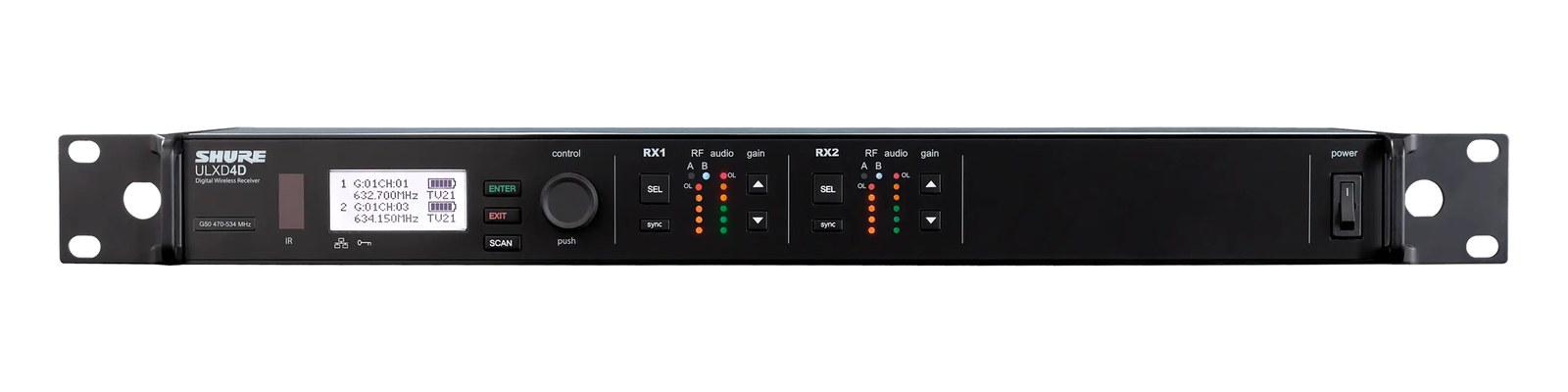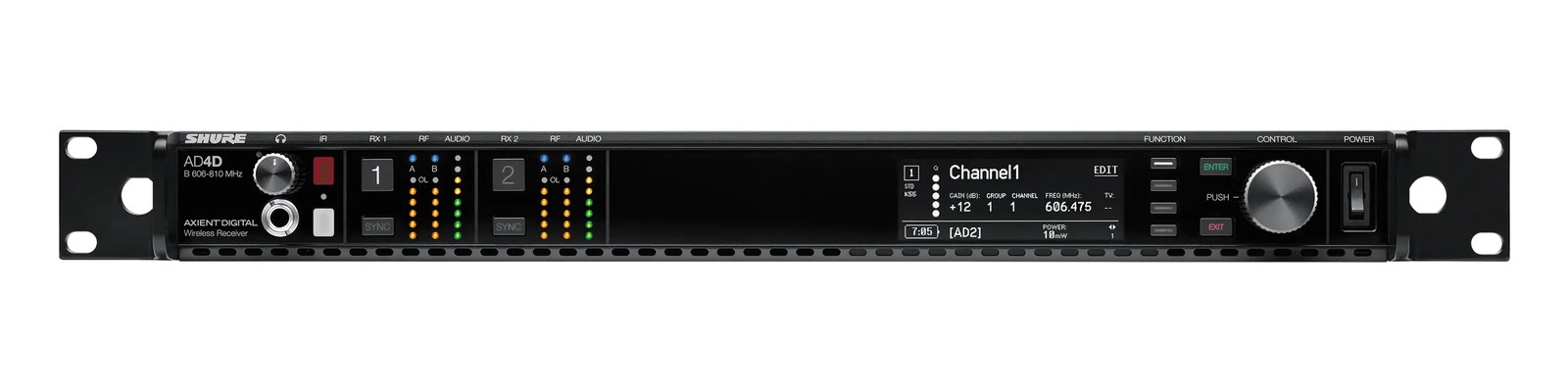

Wireless Guitar

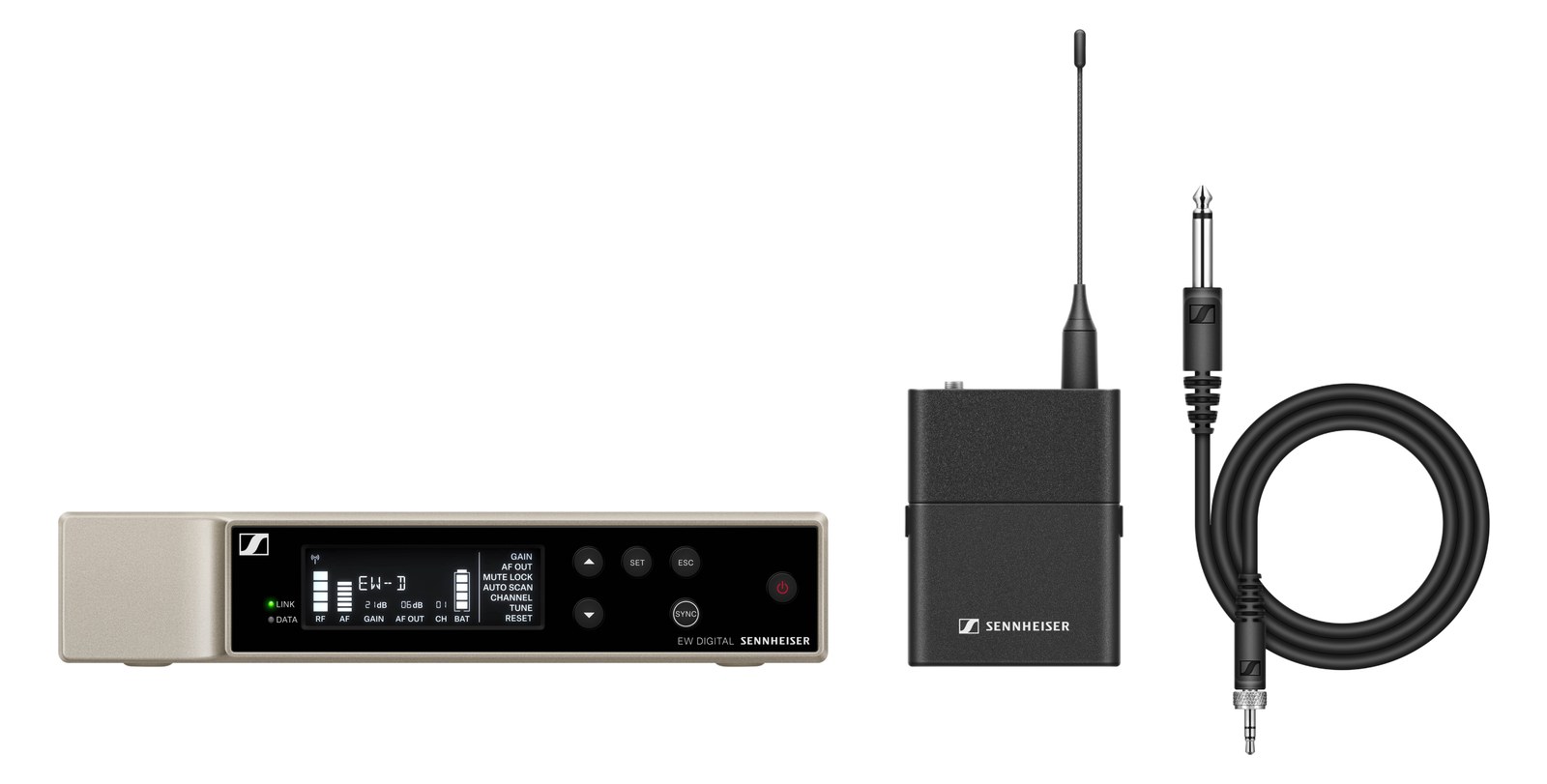
Sennheiser EW-D CI1 Digital Wireless Guitar

Sennheiser·Model EW-D CI1·sennheiser-ew-d-ci1

Photos

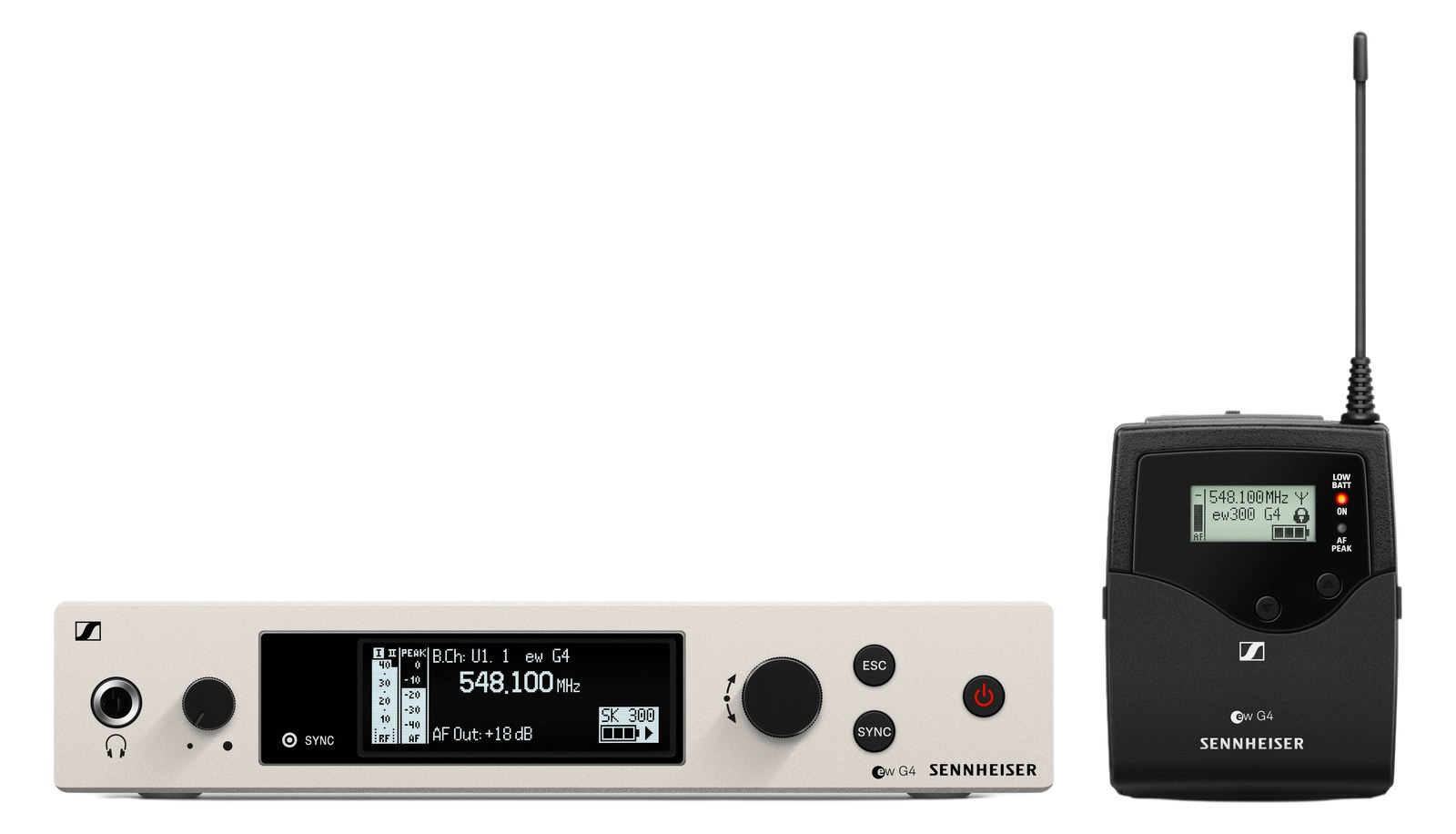
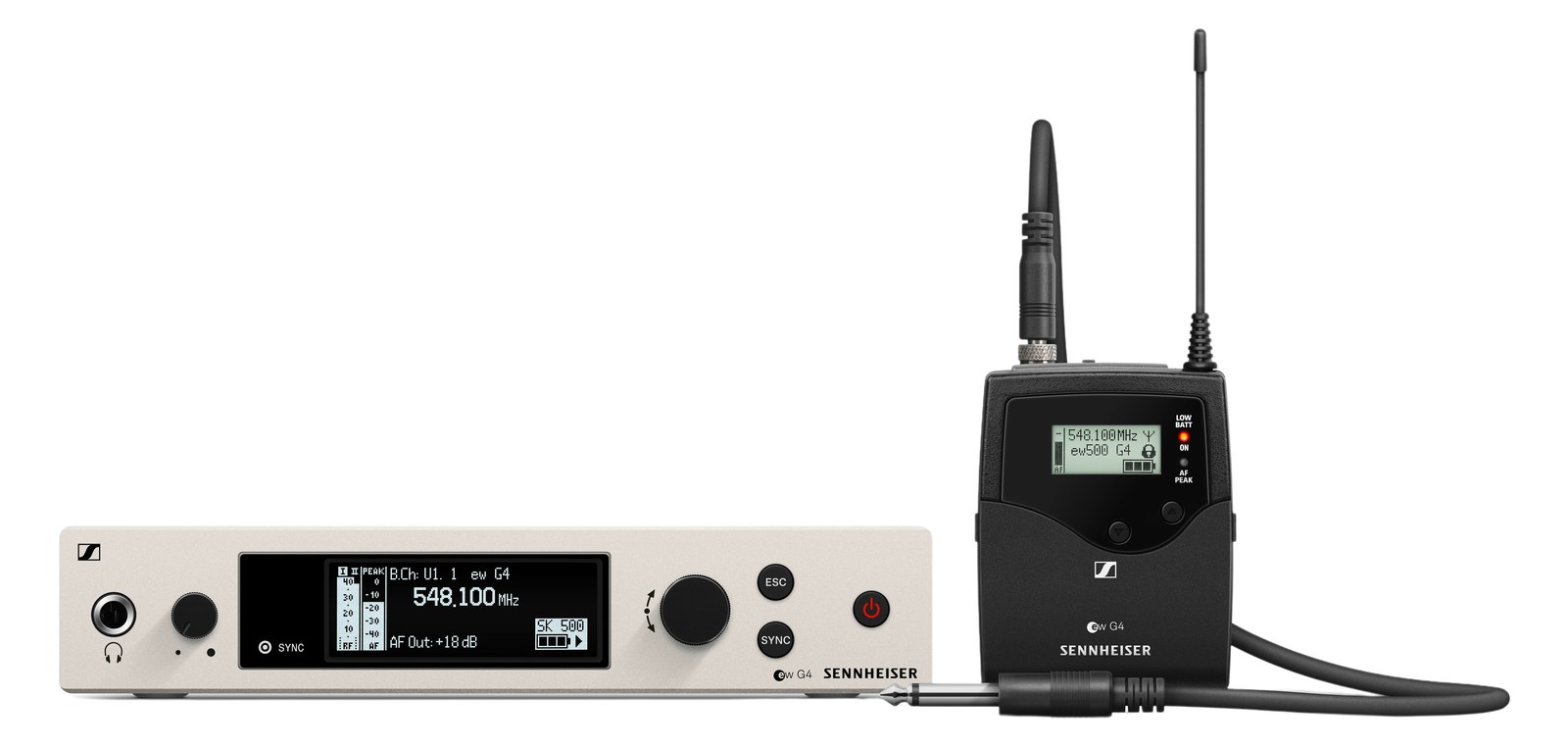
Manufacturer product photography — the drawn faceplate above stays true to panel layout; these show the hardware itself.

Photo: SennheiserClick to zoom

About the Sennheiser EW-D CI1

The Sennheiser EW-D CI1 brings digital wireless to the instrument market at an accessible price point, with ultra-low 1.9ms latency that is imperceptible to even the most sensitive guitarists. The digital transmission eliminates companding artifacts that analog wireless systems introduce, delivering a cleaner, more transparent tone. With support for up to 90 simultaneous channels, it scales well for productions with multiple wireless instruments.

The Sennheiser EW-D CI1 is a half-rack, 1U digital wireless receiver built specifically for instruments — guitars, basses, keyboards, anything with a passive or active output feeding the CI1 belt-pack transmitter. Its job in the rig is straightforward: get a clean, transparent instrument signal off the stage floor and into your chain without the tonal compromise that plagued analog wireless for decades. The digital transmission path means no companding — that familiar squeeze-and-expand artifact that analog systems use to manage noise, and that many players swear they can hear. At $599 it sits at an accessible entry point for true digital wireless performance.

The 1.9ms latency figure is the number players ask about, and practically speaking it's a non-issue — you're already dealing with more acoustic delay than that from the amp being a few feet away. The dual BNC antenna inputs support a standard diversity setup, and with up to 90 simultaneous channels in the EW-D ecosystem, frequency coordination on busy festival stages or multi-act shows is manageable without a spectrum analyzer fight. Power draw peaks at 7 watts, so you're not sweating the power budget. The 200mm depth is shallow enough to fit most touring racks without rear-panel crowding, and the dual outputs — XLR and quarter-inch — let you feed a console and a local amp simultaneously without a split.
This receiver belongs in any working guitarist's or bassist's rack where they've outgrown the compromises of analog wireless and want a reliable, low-drama digital solution at a price that doesn't require a tour budget. If you're running a single instrument with a straightforward signal path, this is clean, practical, and well-supported. Where to look elsewhere: if you need simultaneous multi-channel instrument wireless consolidated into a single, deeper-featured receiver chassis — or if you need integrated networking and remote control for large-scale RF management — you'll want to look at higher-tier Sennheiser systems or competing platforms. The CI1 is a focused tool, not a swiss-army receiver.

In the rack

  • Mount it as a half-rack unit paired with a blank or a second half-rack piece — most rack trays pair two half-rack units on a single 1U bar; confirm your rack ears or tray accommodate the CI1's form factor before load-in.
  • Route antennas to the front or sides of the rack with BNC extension cables rather than relying on the rear-panel inputs directly — keeping antennas clear of the rack's metal frame meaningfully improves RF reliability in crowded stage environments.
  • Use the XLR output when feeding a console and the quarter-inch output for a local amp or tuner, so you're not chasing a signal split downstream with a DI or Y-cable.
  • When coordinating frequencies on a multi-wireless show, build the EW-D CI1 channels alongside any other EW-D receivers in the system using Sennheiser's Wireless Systems Manager software before doors — the 90-channel capacity means spectrum is available, but coordination still needs to be intentional.

EW-D digital wireless instrument receiver. Ultra-low latency, up to 90 channels.

I/O Ports (5)

PortConnectorDirectionSignalChannels
XLR OutXLR MALEoutputanalog audio
1/4" OutTRS QUARTERoutputanalog audio
Antenna ABNCinputantenna
Antenna BBNCinputantenna
Power
  • DC In (12V) (DC BARREL)

Deciding between two?

Rack space, watts, weight and every connector, side by side.

Related gear

Related articles

Guides from our library that cover planning around wireless guitar gear.