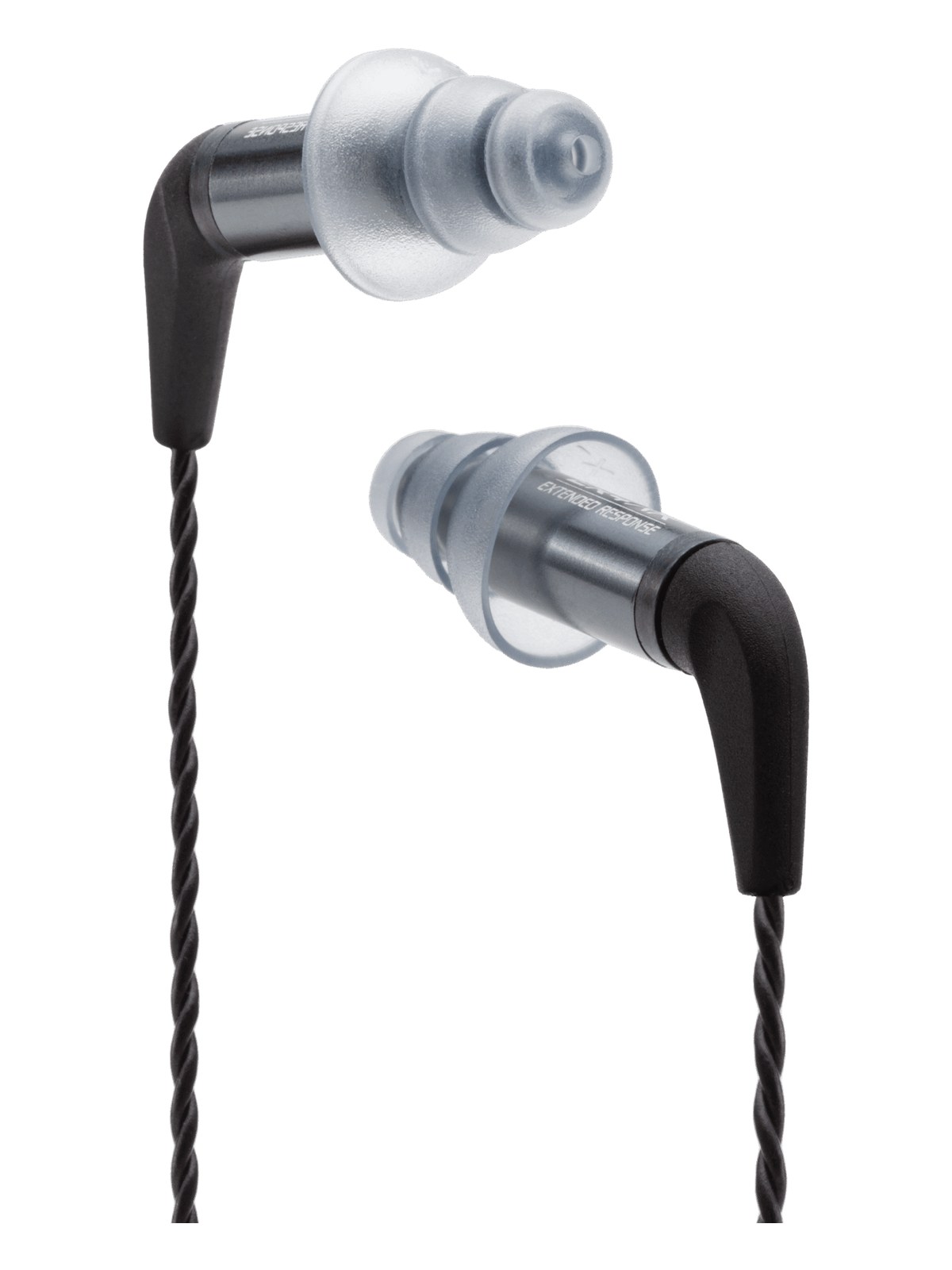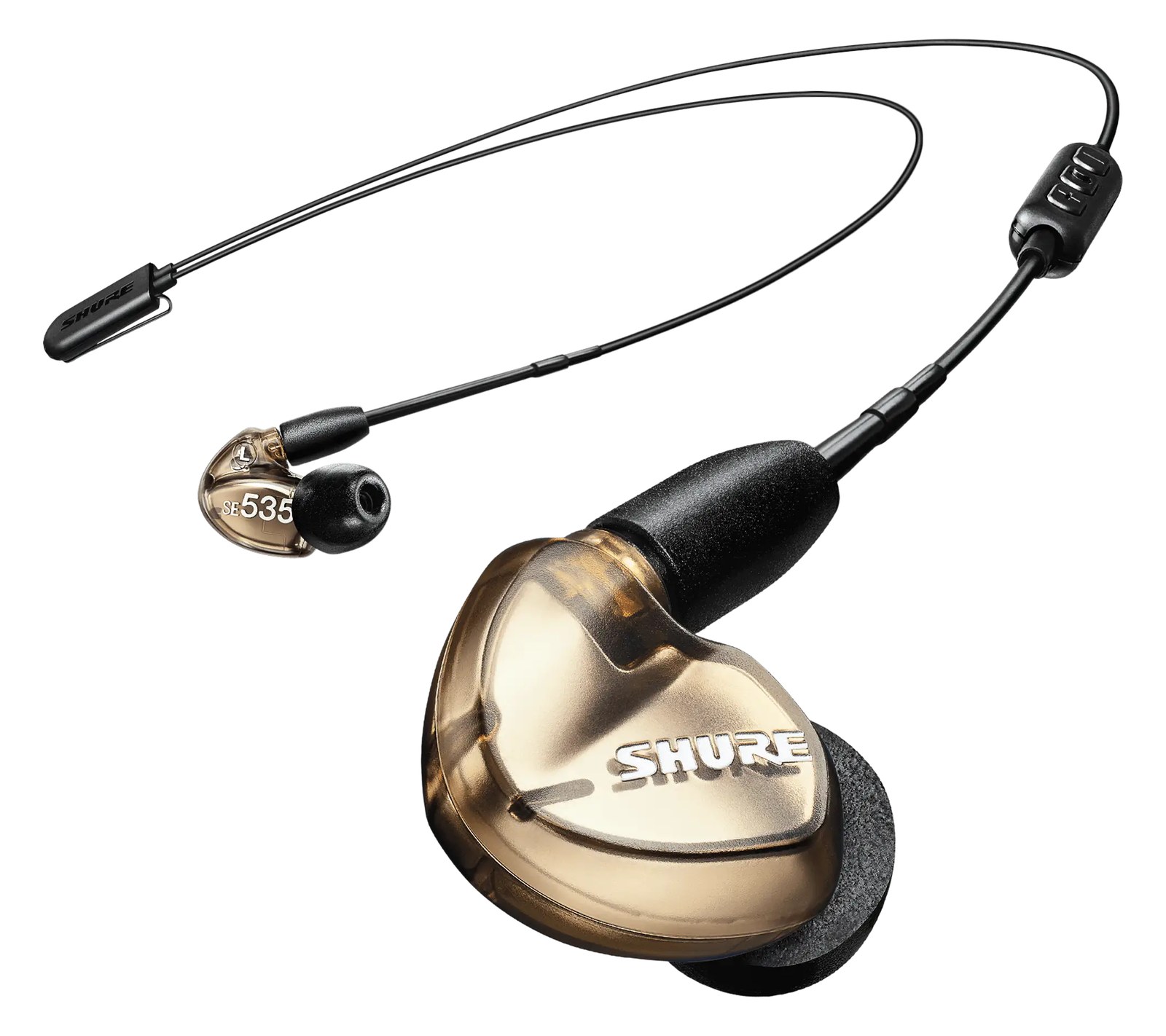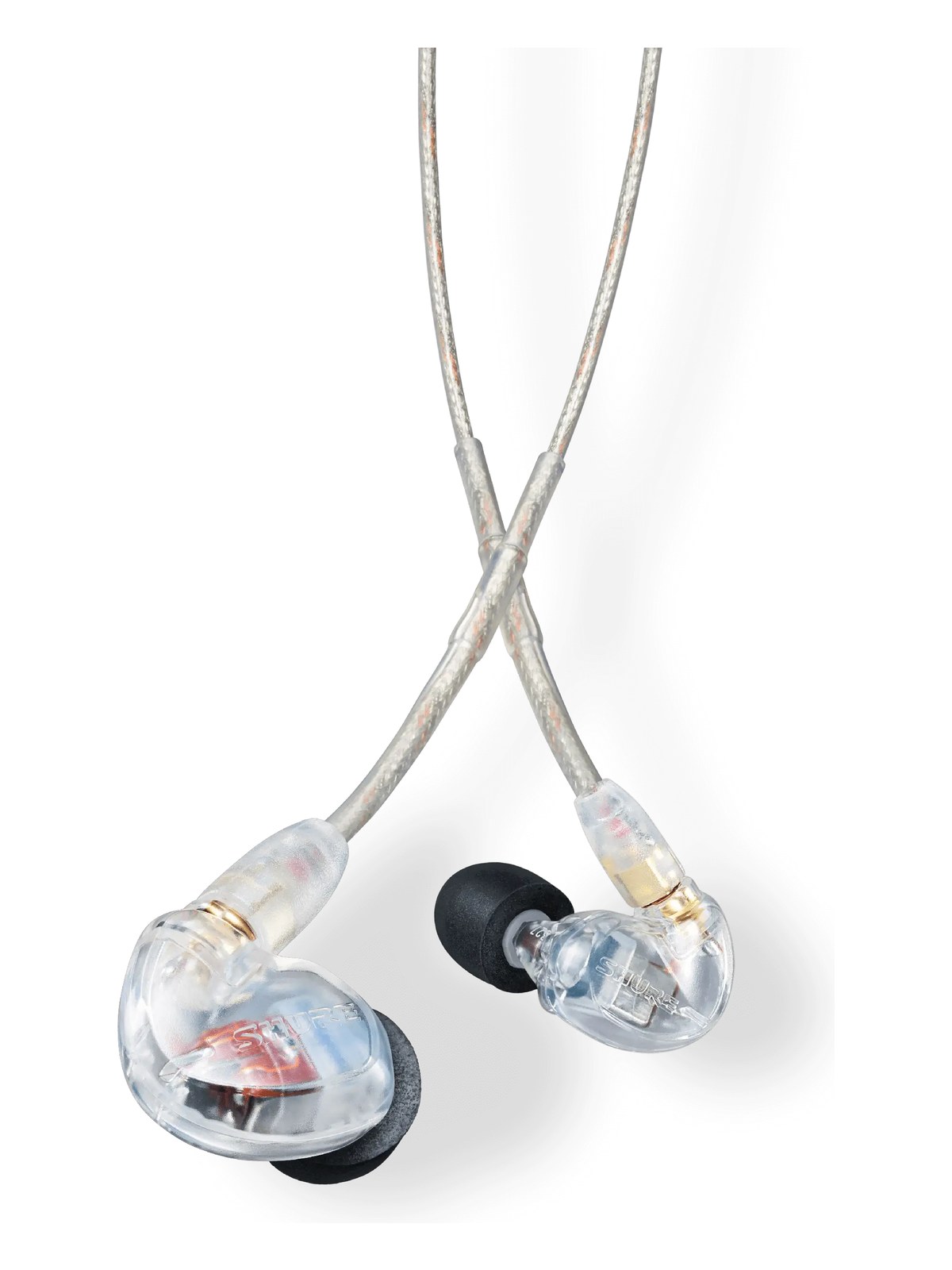

Empire Ears Legend X Universal IEM
Empire Ears·Model Legend X·empire-ears-legend-x
About the Empire Ears Legend X
The Empire Ears Legend X is a hybrid IEMIn-Ear Monitor — earpieces that replace floor wedges, feeding each player their own mix. The reason this whole rack exists. combining dual dynamic driversA miniature version of a normal speaker (coil and diaphragm) inside an earphone — moves more air, so it’s the bass engine in hybrid IEMs. with five balanced armaturesA tiny hearing-aid-derived driver used in pro IEMs — fast and detailed, often several per ear, each covering its own frequency range. per side, giving it some of the most authoritative low-end of any universal IEM on the market. Bass players, drummers, and producers who want to feel kick drums and 808s gravitate to this design.
The Legend X is Empire Ears' flagship hybrid universal IEMIn-Ear Monitor — earpieces that replace floor wedges, feeding each player their own mix. The reason this whole rack exists., and it occupies a specific corner of the monitor worldThe side-stage domain of the monitor engineer — console, IEM racks, and everything feeding the band’s ears instead of the audience.: high-sensitivity, low-end-dominant, meant for musicians who need to feel the low end of a mix as much as hear it. The seven-driver-per-side configuration — dual dynamic driversA miniature version of a normal speaker (coil and diaphragm) inside an earphone — moves more air, so it’s the bass engine in hybrid IEMs. handling the bottom end alongside five balanced armaturesA tiny hearing-aid-derived driver used in pro IEMs — fast and detailed, often several per ear, each covering its own frequency range. covering the mids and highs — gives it a physicality that pure BA designs simply don't reproduce. If your artist has ever complained that their IEMs feel 'thin' or 'disconnected' from the groove, this is the category of monitor that addresses that complaint directly.
At 2,299 dollars, the Legend X sits at the top of the universal IEMIn-Ear Monitor — earpieces that replace floor wedges, feeding each player their own mix. The reason this whole rack exists. market, and the practical implication of that price is fit and seal discipline. Dynamic driversA miniature version of a normal speaker (coil and diaphragm) inside an earphone — moves more air, so it’s the bass engine in hybrid IEMs. at this level are sensitive to insertion depth and ear-canal seal — a mediocre fit will collapse the low-end performance you paid for and leave you wondering what the fuss is about. ImpedanceOpposition to signal flow, in ohms. Low-impedance IEMs are easier to drive loud; mismatches shift level and tone. is low and sensitivity is high, which means any hiss floor in your IEM transmitter or headphone amp output will be audible. Pair it with a clean output stage; this is not the monitor to hang off a noisy aux sendAn auxiliary mix output — each aux is its own independent blend of the channels, typically one per monitor mix or effects send..
The Legend X makes sense for bass players, drummers, and any artist whose primary complaint with IEMsIn-Ear Monitor — earpieces that replace floor wedges, feeding each player their own mix. The reason this whole rack exists. is that they kill the feel of the low end. It is also a legitimate choice for monitor engineers who mix on ears and want a reference with real sub information. It does not make sense as a 'safe' universal choice for a riderThe document attached to a booking that lists what the band needs — inputs, monitors, power, backline (and the green-room snacks). spec — the v-shaped frequency responseThe range of lows-to-highs a device reproduces and how evenly it does it — flat means nothing is hyped or missing. is a deliberate aesthetic, not a neutral tool. Vocalists or guitarists who mix by intelligibility and clarity in the upper mids may find the Legend X works against them rather than for them.
In the rack
- Before show day, confirm your IEMIn-Ear Monitor — earpieces that replace floor wedges, feeding each player their own mix. The reason this whole rack exists. transmitter's headphone output impedanceOpposition to signal flow, in ohms. Low-impedance IEMs are easier to drive loud; mismatches shift level and tone. — the Legend X's high sensitivity will expose any output noise floorThe constant background hiss a device produces on its own. Everything you pass through it sits on top — lower is better.. A bodypack with a known-clean output (Shure, Sennheiser G4/G4-series, or dedicated headphone amp) is non-negotiable at this price point.
- Carry two sets of ear tips in your bag — a secure, deep-insertion tip for stage use and a wider-bore tip for reference listening at front-of-houseFront Of House — the main mix the audience hears, and the console position out in the room where it gets mixed.. Seal consistency matters more with dynamic-driver hybrids than with pure BA monitors.
- If you're using these as a mix reference at FOHFront Of House — the main mix the audience hears, and the console position out in the room where it gets mixed. or at a monitor worldThe side-stage domain of the monitor engineer — console, IEM racks, and everything feeding the band’s ears instead of the audience., run a brief sweep of your sub frequencies before doors to confirm the seal is right. A compromised seal on the Legend X doesn't just lose bass — it changes the entire perceived balance of the mix.
- Because these are universal fit, sweat and repeated use will degrade the ear tips faster than the shells. Budget for tip replacement every few production weeks on heavy touring schedules, and keep a spare set of the artist's preferred tip style in your spares kit.
Hybrid dynamic + BA flagship IEMIn-Ear Monitor — earpieces that replace floor wedges, feeding each player their own mix. The reason this whole rack exists..
I/O Ports (0)
No ports.
Related gear


Related articles
Guides from our library that cover planning around earphones / iems gear.
What an IEM rig actually is, the components that go into one, and how to plan your first one without overspending or blowing a circuit.
A plain-English plan for bands switching from floor wedges to in-ear monitors — what to buy, what to expect at the first rehearsal, and how to not hate it.
Why sealed IEMs make you feel disconnected from the room — and exactly how to put the audience back into your mix with one or two well-placed mics.
A feedback squeal in a sealed ear can hit 130 dB SPL instantly. Where the limiter goes, what thresholds make sense, and the daily soundcheck habit that verifies it actually catches.