
Furman P-1800 PF R Power Conditioner
Furman·Model P-1800 PF R·furman-p1800-pfr
Photos
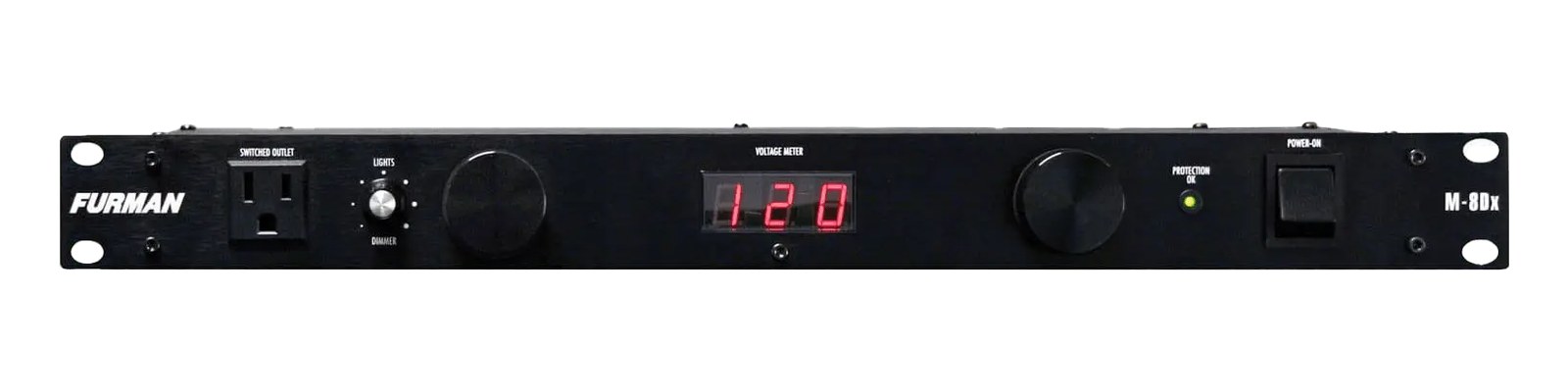
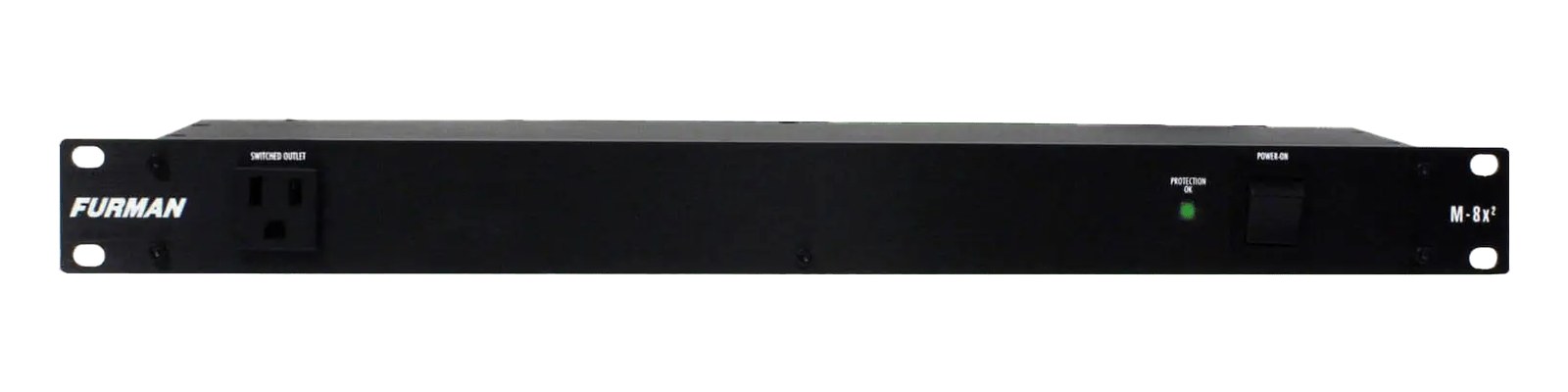
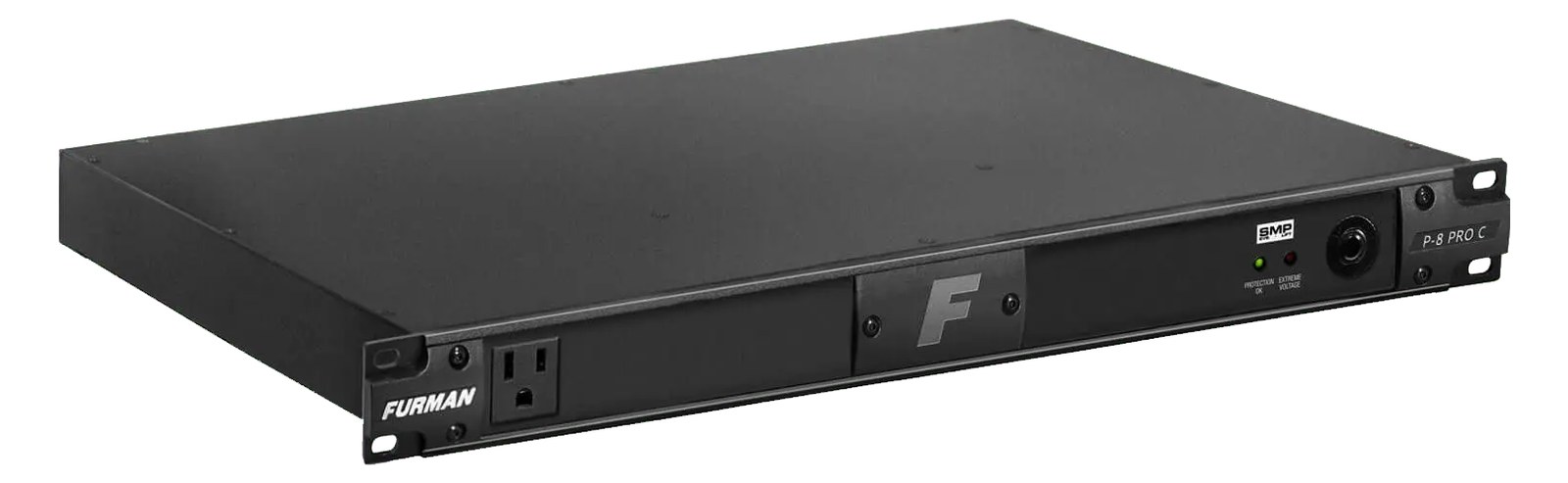
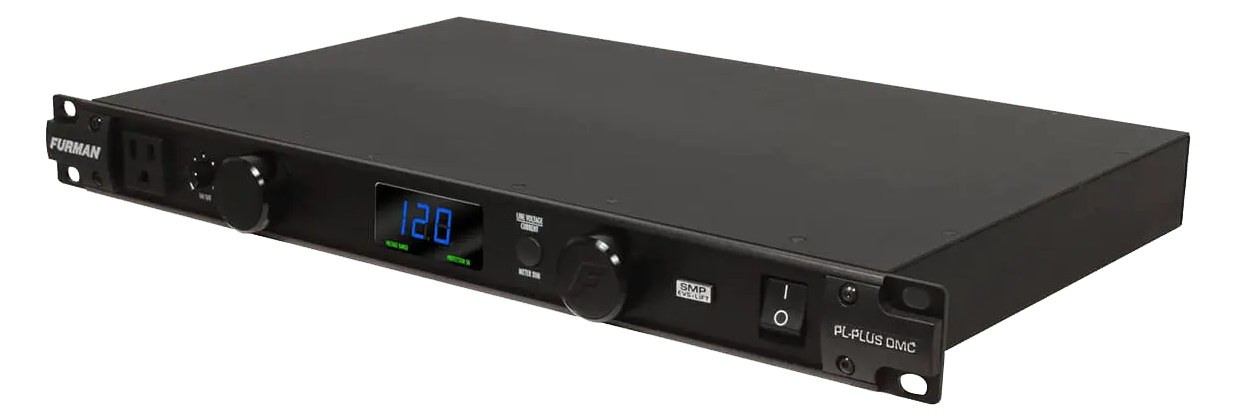
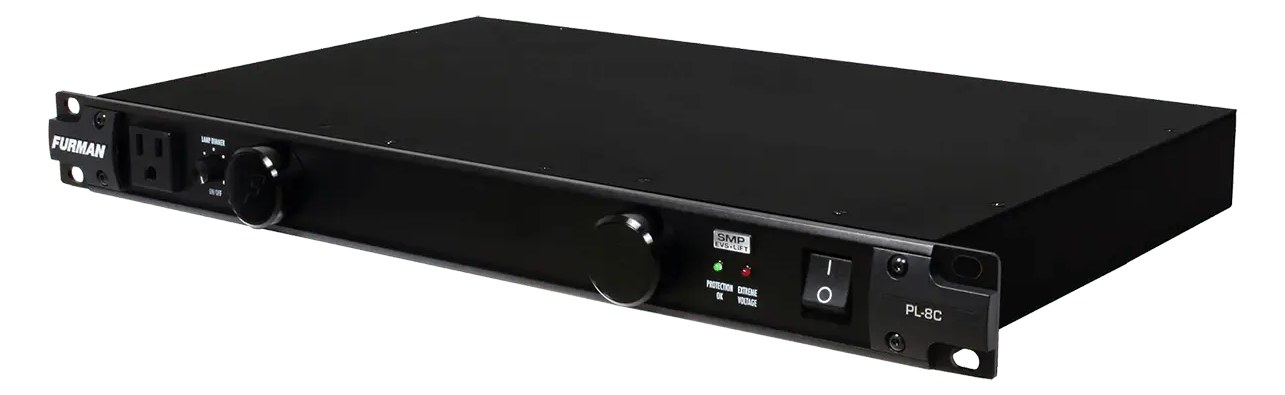
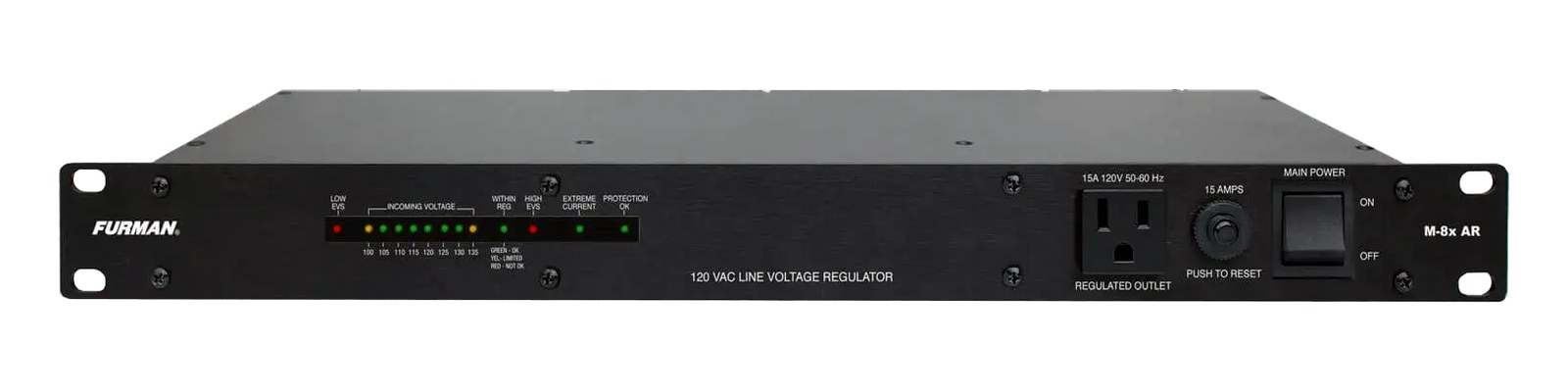
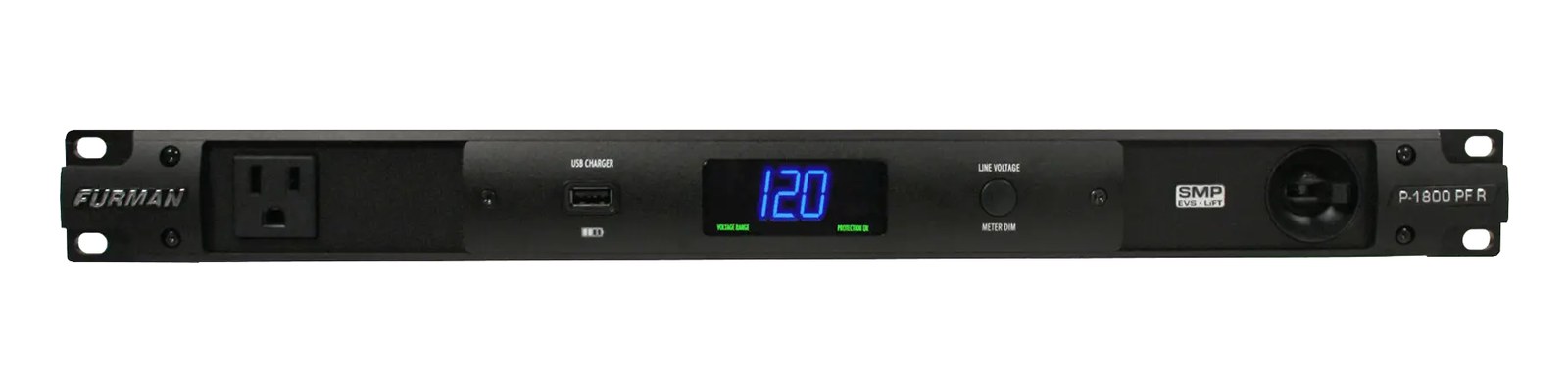
Manufacturer product photography — the drawn faceplate above stays true to panel layout; these show the hardware itself.
About the Furman P-1800 PF R
The P-1800 PF R is Furman's premium power conditionerFilters venue AC, clamps surges, and gives the rack one tidy inlet. Not a voltage regulator and not a battery — just cleaner power. with Series Multi-Stage Protection (SMP) and Linear Filtering Technology (LiFT) that dramatically reduces AC noise reaching your gear. It provides a noticeably quieter noise floorThe constant background hiss a device produces on its own. Everything you pass through it sits on top — lower is better. compared to basic power strips, which matters when running sensitive playback interfaces and IEMIn-Ear Monitor — earpieces that replace floor wedges, feeding each player their own mix. The reason this whole rack exists. transmitters. The investment over a basic conditioner is worth it for rigs where audio quality and equipment protection are priorities.
The P-1800 PF R is Furman's top-tier single-rack-unit power conditionerFilters venue AC, clamps surges, and gives the rack one tidy inlet. Not a voltage regulator and not a battery — just cleaner power., and it earns its place at the foundation of any serious IEMIn-Ear Monitor — earpieces that replace floor wedges, feeding each player their own mix. The reason this whole rack exists. or playback rig. Where a basic conditioner or power strip simply distributes current, this unit actively works on what's coming in — Furman's Series Multi-Stage Protection guards against spikes and surges while Linear Filtering Technology scrubs AC line noise before it ever reaches your gear. That combination matters most when your rack is full of sensitive digital devices: personal monitor mixers, wireless transmitter racks, playback interfaces, and word-clockThe shared heartbeat keeping every digital box sampling in lockstep. One device leads, the rest follow — or you get clicks and pops. sources that all share the same wall circuit and can pollute each other's headroomThe margin between your normal level and where things clip — headroom is what absorbs the snare hit you didn’t see coming..
Ten outlets across front and rear give you genuine flexibility at load-in — two on the front panel for quick-connect items during setup, eight on the rear for permanent rack residents. At 7.7 kg in a single rack unitThe standard slice of rack height: 1U = 1.75″. A 3U box takes three slices; half-rack gear pairs two units side by side in one., this is a dense piece of kit, and the 305 mm depth means you'll want to confirm your shallow rack before ordering. The unit draws no measurable power of its own, so it adds nothing to your consumption budget. What it won't do is protect against a genuine brownout or voltage drop — that requires a voltage regulatorActively holds the output at a steady 120 V while venue power sags or spikes — a step beyond filtering, one short of a battery. or UPSUninterruptible Power Supply — a battery that rides the rig through brownouts and generator hiccups so computers never reboot mid-song., which is a different product category entirely. Know that boundary going in.
If you're running a flypack or touring IEMIn-Ear Monitor — earpieces that replace floor wedges, feeding each player their own mix. The reason this whole rack exists. rig where the wall power is genuinely unknown every night — festival sites, club backlinesThe band’s on-stage instrument gear — amps, drums, keys. What a venue or festival sometimes supplies so you can travel light., TV stages with shared dimmer circuits — the P-1800 PF R is a defensible spend at $599. The LiFT filtering makes a real, audible difference in noise floorThe constant background hiss a device produces on its own. Everything you pass through it sits on top — lower is better. on analog-sensitive gear. If your rig lives in a fixed install with clean, conditioned building power already upstream, a more modest Furman unit would likely serve just as well for less money. Budget rigs and simple utility racks with nothing particularly sensitive don't need this level of conditioning.
In the rack
- Use the two front-panel outlets for your laptop or personal monitor tablet during soundcheck, then free them up — don't let them become permanent connections that block panel access.
- This unit is 305 mm deep; measure your rack's usable internal depth before assuming it fits, especially in shallow fly cases where depth is frequently the limiting constraint.
- Run it as the first device powered in your startup sequence and the last powered down — everything else in the rack should live inside its protection window from the moment power flows.
- If you're sharing a distroOne pair of antennas feeding many receivers through an amplified splitter — replaces the forest of whips and keeps RF levels consistent. with lighting or video on a festival stage, position this unit's input as far downstream from dimmer packs as the cable run allows; LiFT helps, but less noise entering is always better than filtering noise that got in.
15A power conditionerFilters venue AC, clamps surges, and gives the rack one tidy inlet. Not a voltage regulator and not a battery — just cleaner power. with SMP and LiFT. Premium filtering.
I/O Ports (14)
- AC In (NEMA) (NEMA 5 15)
- AC Out Rear (8x NEMA) (NEMA 5 15)
- AC Out Rear 1 (NEMA 5 15)
- AC Out Rear 2 (NEMA 5 15)
- AC Out Rear 3 (NEMA 5 15)
- AC Out Rear 4 (NEMA 5 15)
- AC Out Rear 5 (NEMA 5 15)
- AC Out Rear 6 (NEMA 5 15)
- AC Out Rear 7 (NEMA 5 15)
- AC Out Rear 8 (NEMA 5 15)
- AC Out Front (1x NEMA) (NEMA 5 15)
- AC Out Front 1 (NEMA 5 15)
- AC Out Front 2 (retired — one front outlet) (NEMA 5 15)
- USB Charger (front) (USB A)
Deciding between two?
Rack space, watts, weight and every connector, side by side.
Related gear


Community rigs using this gear (1)
Browse all rigs →Related articles
Guides from our library that cover planning around power conditioner gear.
How to budget power for an audio rack, why a power conditioner is not a UPS, and the practical math that keeps you from blowing a 15A circuit mid-show.
Furman PL-Plus DMC mini-review: front-panel metering, pull-out rack lights, 8 rear outlets — and the one thing a conditioner won't do for your rack.
Hum in an IEM mix hits harder than in wedges. How to design ground loops out of your rack — power, DIs, wireless transmitters, and laptop playback.