
Stage Box

Midas DL32 Digital Stage Box

Midas·Model DL32·midas-dl32

Photos

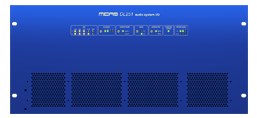
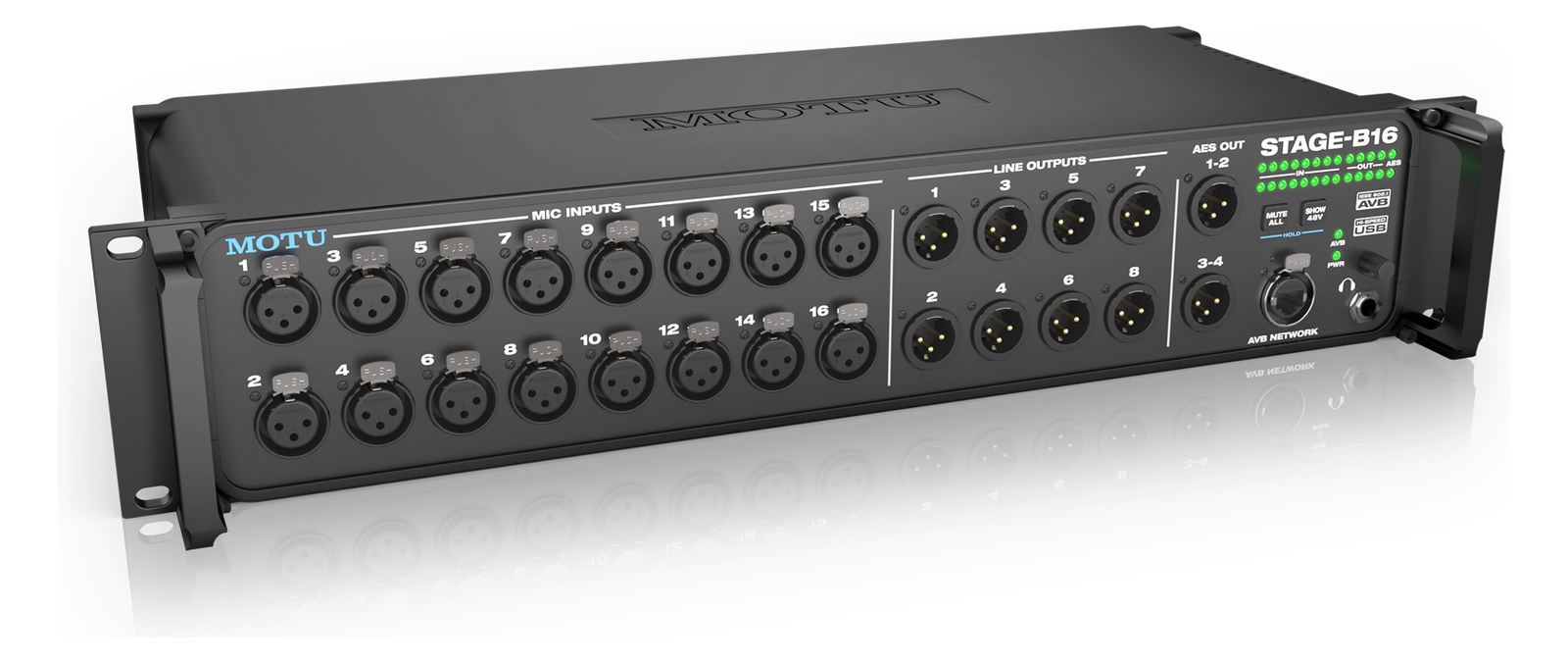
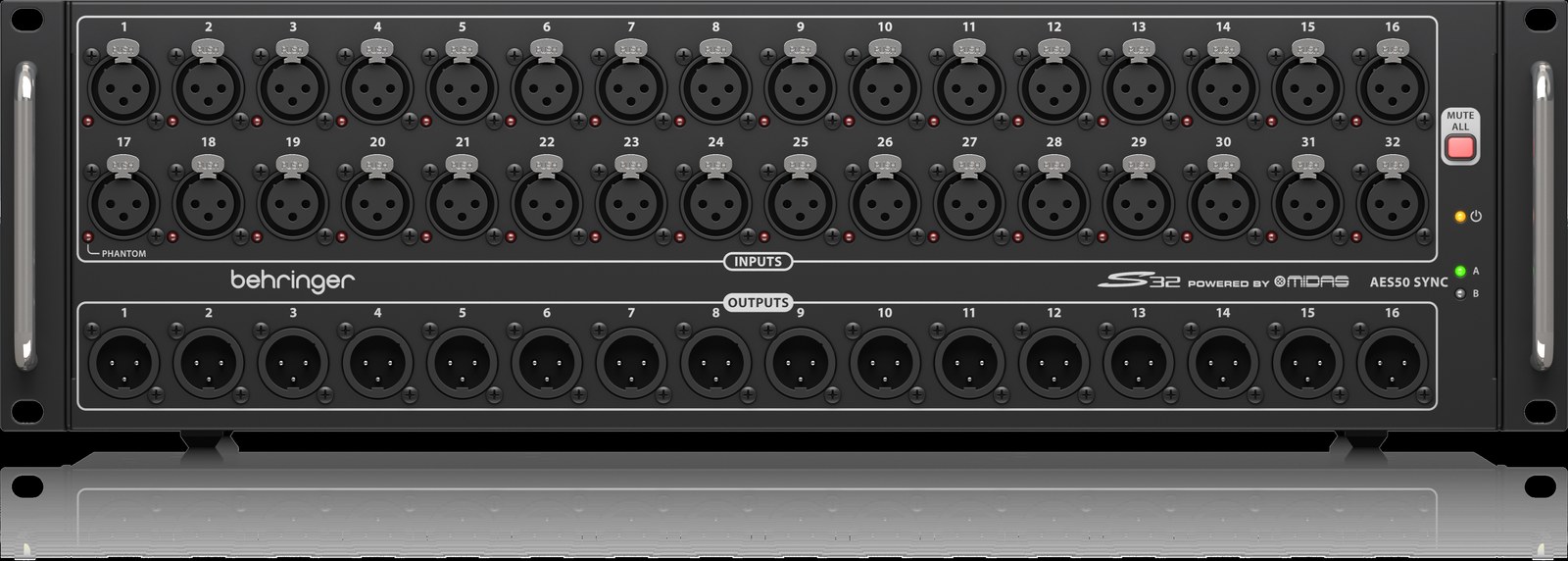
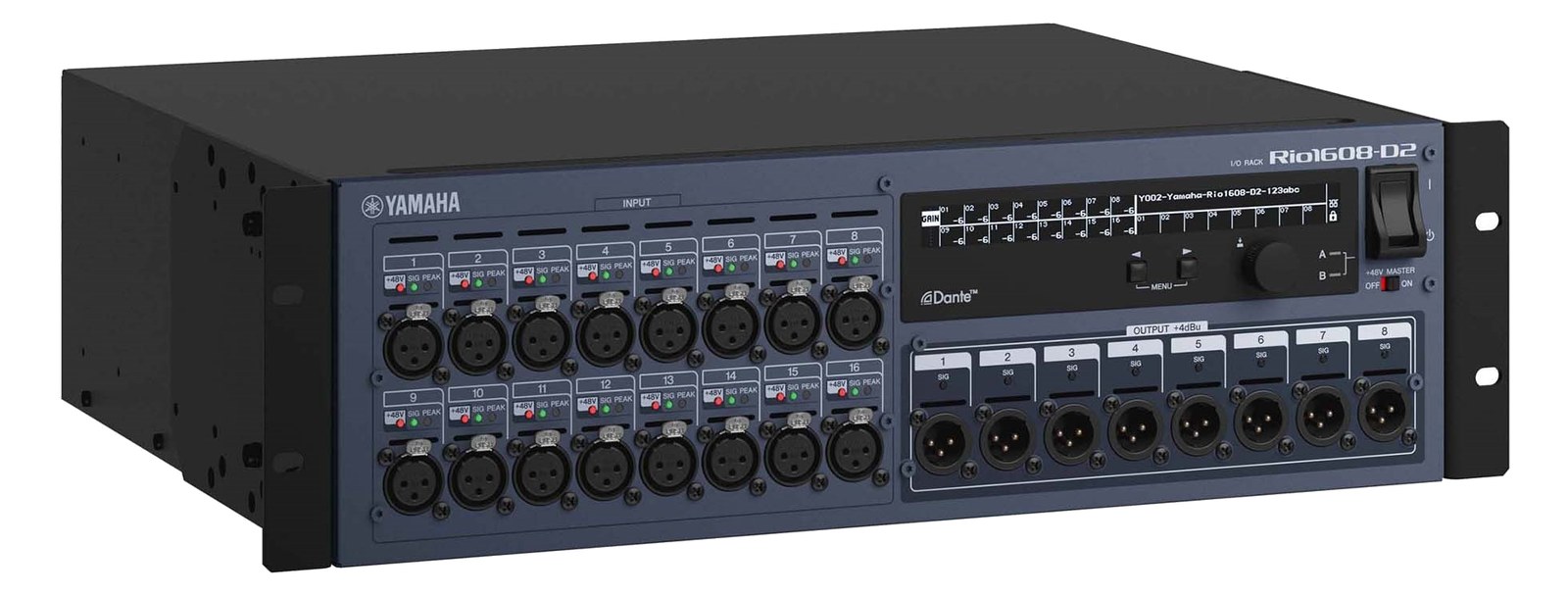
Manufacturer product photography — the drawn faceplate above stays true to panel layout; these show the hardware itself.

Photo: MidasClick to zoom

About the Midas DL32

The Midas DL32 is the big-brother stage box: 32 Midas preamps and 16 XLR outputs at the stage, all travelling back to the console on a single shielded Cat5e via AES50. Two AES50 ports allow primary + redundant links — at large venues with long stage-to-rack runs, losing one cable mid-show to a crew boot shouldn't take out monitors. Replaces a traditional 48-channel analog multicore with one Cat5e. Pairs with M32/M32R, X32, and Wing consoles.

The DL32 is the stage-end of a digital split: 32 Midas mic preamps and 16 analog outputs sitting at the lip of the stage, with everything — all 48 bidirectional channels — riding back to the console rack on a single shielded Cat5e via AES50. That one cable replaces the analog multicore entirely. In an IEM or monitor rig context, the 16 outputs are the workhorse: IEM transmitters, wedge amplifiers, and talkback feeds all connect directly at the stage without any extra analog infrastructure at the console end. It pairs natively with the M32, M32R, X32, and Wing families.

At 6U and 10.9 kg, the DL32 lives in a stage rack, not a FOH rack — plan accordingly. The 249 mm depth is manageable in a shallow road case, but those 32 XLR inputs and 16 outputs facing the rear mean cable management needs real thought at load-in. Power draw sits at 45 W steady, spiking to 60 W, so it's light on your stage power budget. The second AES50 port is the spec that matters most at show time: run it as a redundant path back to the console and a cable casualty under a stage-crossing boot becomes a non-event rather than a show-stopper.
This box makes sense if you're running an M32R or Wing-based monitor rig and want all your preamps and output connectivity consolidated at the stage with only one data cable going to FOH or the monitor position. If you're running fewer than 16 inputs and don't need dedicated analog outputs at the stage, a smaller box like the DL16 is worth a look and saves you rack space and money. The DL32 is also overkill if your console doesn't speak AES50 natively — you'll need an additional interface, which defeats the simplicity argument entirely.

In the rack

  • Run both AES50 ports back to the console — Port A as primary, Port B as redundant — even if it means pulling a second Cat5e. The cost of a spare cable at load-in is nothing compared to a dropped monitor mix mid-show.
  • Label your stage outputs at the DL32 rear panel with laminate tape before the rack goes into the case: 'IEM TX 1,' 'Wedge Amp L,' etc. At load-in under stage lighting, reading Sharpie on a black XLR is how mistakes happen.
  • Budget for a proper stage rack with a hinged rear door — accessing 32 inputs and 16 outputs mid-show requires that rear panel to be reachable quickly without pulling the whole unit.
  • If your console is at a monitor position and you're also feeding FOH via AES50, confirm your console's AES50 port assignments before doors: the DL32's 48-channel bidirectional bandwidth means the routing flexibility is there, but it has to be mapped deliberately in the console's patch, not assumed.

32-input / 16-output Midas stage box. Dual AES50 carries 48 channels each.

I/O Ports (59)

PortConnectorDirectionSignalChannels
Stage In 1XLR FEMALEinputanalog audio
Stage In 2XLR FEMALEinputanalog audio
Stage In 3XLR FEMALEinputanalog audio
Stage In 4XLR FEMALEinputanalog audio
Stage In 5XLR FEMALEinputanalog audio
Stage In 6XLR FEMALEinputanalog audio
Stage In 7XLR FEMALEinputanalog audio
Stage In 8XLR FEMALEinputanalog audio
Stage In 9XLR FEMALEinputanalog audio
Stage In 10XLR FEMALEinputanalog audio
Stage In 11XLR FEMALEinputanalog audio
Stage In 12XLR FEMALEinputanalog audio
Stage In 13XLR FEMALEinputanalog audio
Stage In 14XLR FEMALEinputanalog audio
Stage In 15XLR FEMALEinputanalog audio
Stage In 16XLR FEMALEinputanalog audio
Stage In 17XLR FEMALEinputanalog audio
Stage In 18XLR FEMALEinputanalog audio
Stage In 19XLR FEMALEinputanalog audio
Stage In 20XLR FEMALEinputanalog audio
Stage In 21XLR FEMALEinputanalog audio
Stage In 22XLR FEMALEinputanalog audio
Stage In 23XLR FEMALEinputanalog audio
Stage In 24XLR FEMALEinputanalog audio
Stage In 25XLR FEMALEinputanalog audio
Stage In 26XLR FEMALEinputanalog audio
Stage In 27XLR FEMALEinputanalog audio
Stage In 28XLR FEMALEinputanalog audio
Stage In 29XLR FEMALEinputanalog audio
Stage In 30XLR FEMALEinputanalog audio
Stage In 31XLR FEMALEinputanalog audio
Stage In 32XLR FEMALEinputanalog audio
Stage Out 1XLR MALEoutputanalog audio
Stage Out 2XLR MALEoutputanalog audio
Stage Out 3XLR MALEoutputanalog audio
Stage Out 4XLR MALEoutputanalog audio
Stage Out 5XLR MALEoutputanalog audio
Stage Out 6XLR MALEoutputanalog audio
Stage Out 7XLR MALEoutputanalog audio
Stage Out 8XLR MALEoutputanalog audio
Stage Out 9XLR MALEoutputanalog audio
Stage Out 10XLR MALEoutputanalog audio
Stage Out 11XLR MALEoutputanalog audio
Stage Out 12XLR MALEoutputanalog audio
Stage Out 13XLR MALEoutputanalog audio
Stage Out 14XLR MALEoutputanalog audio
Stage Out 15XLR MALEoutputanalog audio
Stage Out 16XLR MALEoutputanalog audio
AES50 AETHERCONbidirectionaldigital audio48
AES50 B (redundant)ETHERCONbidirectionaldigital audio48
Ultranet (P-16)RJ45outputdigital audio16
ADAT Out ATOSLINKoutputdigital audio8
ADAT Out BTOSLINKoutputdigital audio8
AES/EBU Out 1-2AES3 XLRoutputdigital audio2
AES/EBU Out 3-4AES3 XLRoutputdigital audio2
MIDI InMIDI DIN5inputdata
MIDI OutMIDI DIN5outputdata
USB-B (firmware)USB Bbidirectionaldata
Power
  • Power (IEC) (IEC C14)

Deciding between two?

Rack space, watts, weight and every connector, side by side.

Related gear

Related articles

Guides from our library that cover planning around stage box gear.