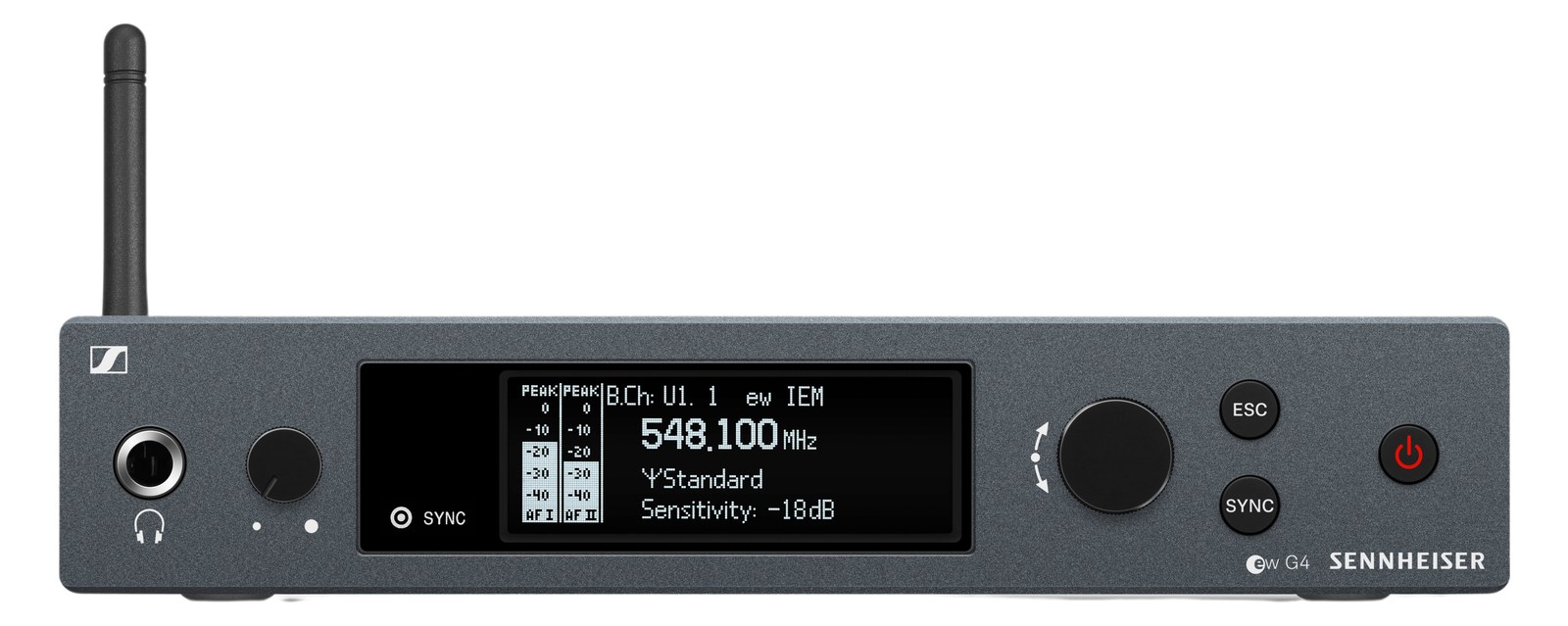

IEM Receiver

Sennheiser EW IEM G4 Bodypack

Sennheiser·Model EK IEM G4·sennheiser-ew-iem-g4-ek

Photos

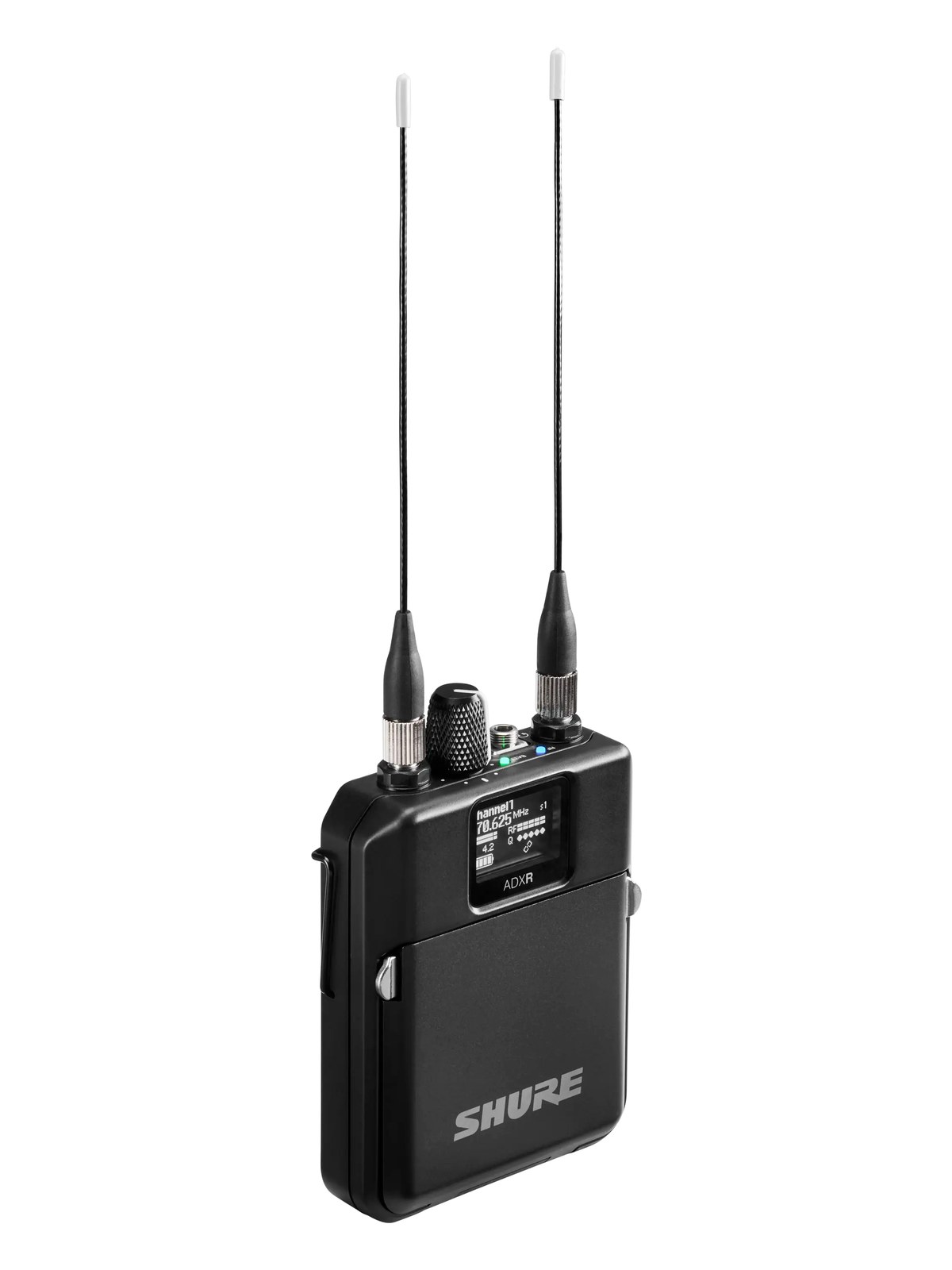
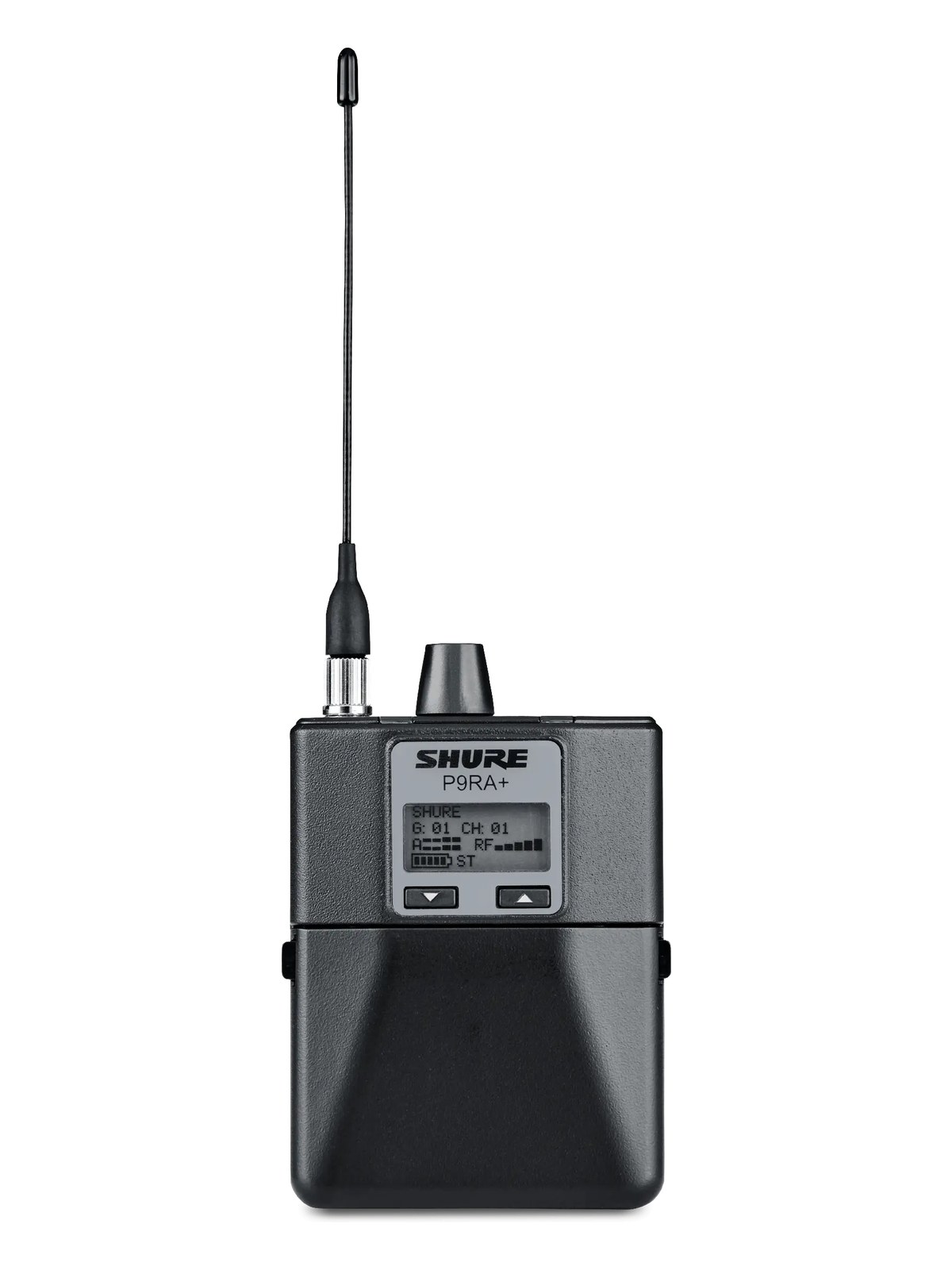
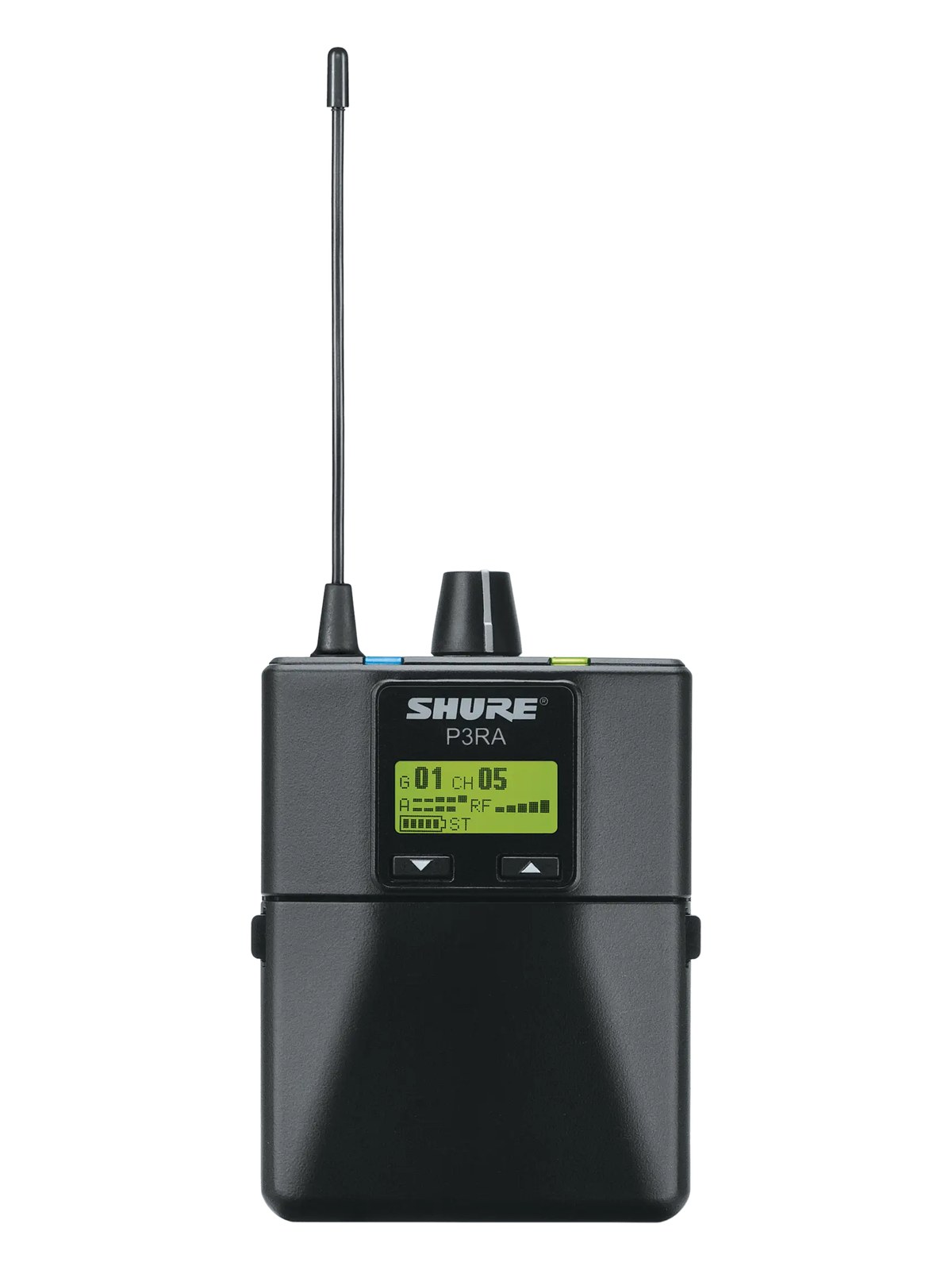
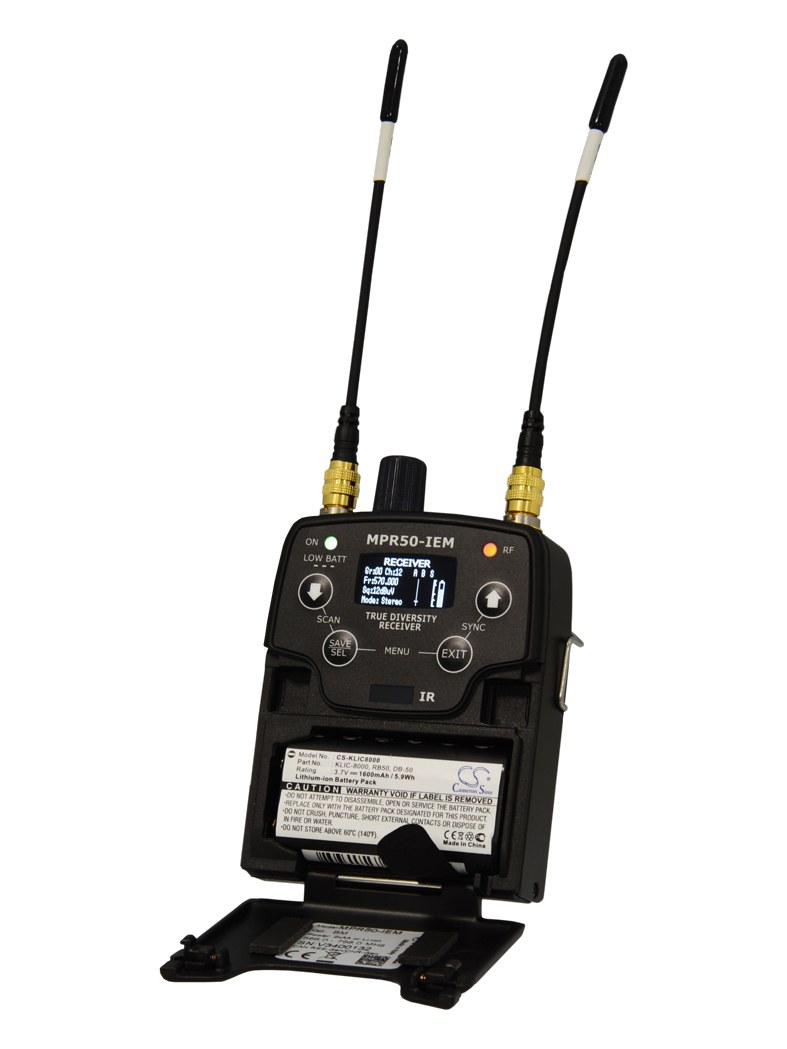
Manufacturer product photography — the drawn faceplate above stays true to panel layout; these show the hardware itself.

Photo: Sennheiser1 / 2

About the Sennheiser EK IEM G4

The EK IEM G4 bodypack is the receiver half of Sennheiser's mainstay analog IEM system. It pairs with the SR IEM G4 transmitter and is a workhorse choice for working musicians, theaters, and houses of worship. One per performer.

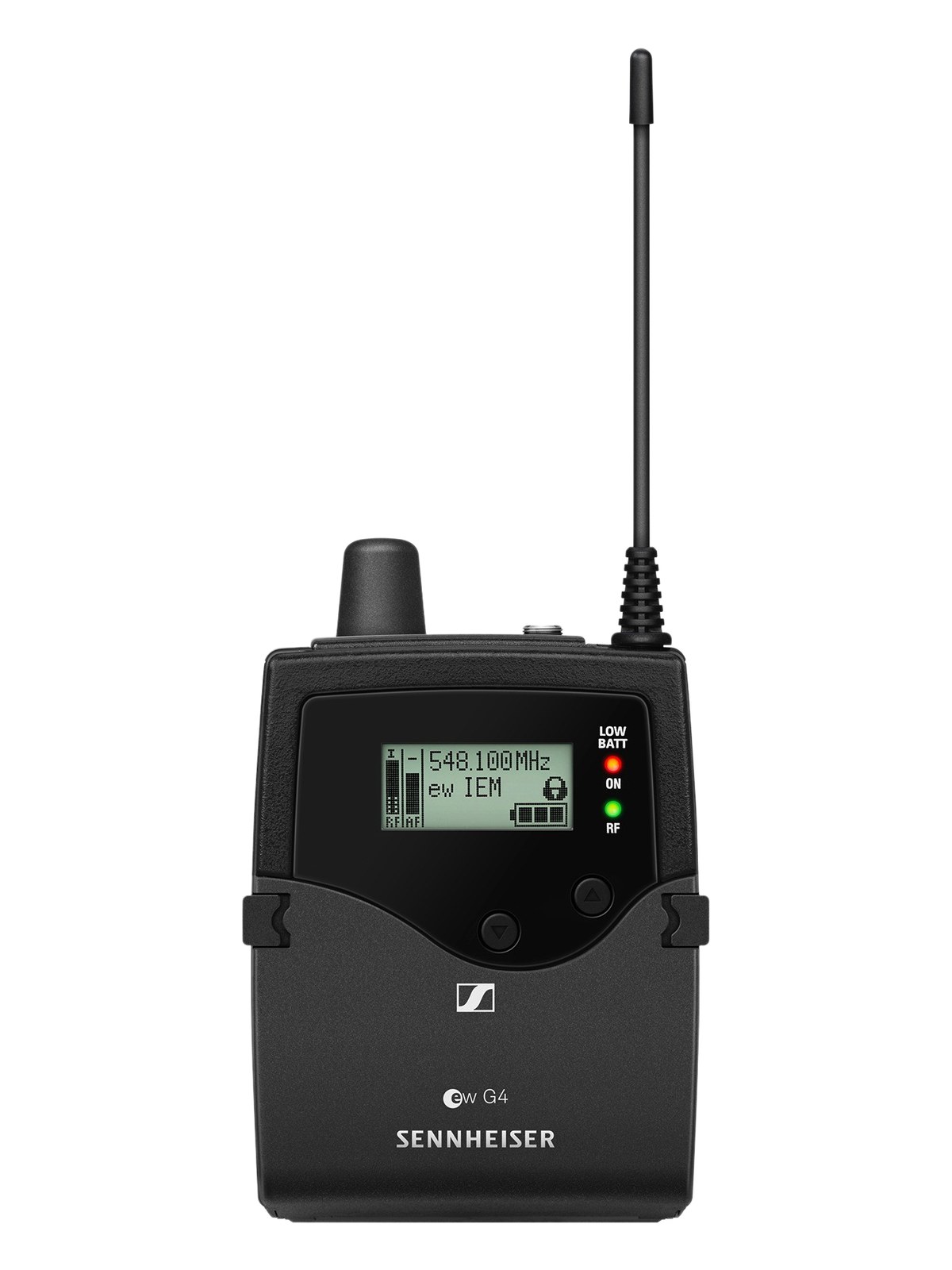
The EK IEM G4 is the performer-side half of Sennheiser's EW IEM G4 system — the bodypack receiver that clips to a belt or slips into a pocket and puts the mix in the ears. It does exactly one job: receive the RF signal from the SR IEM G4 rack transmitter and convert it to headphone-level audio on a 3.5mm TRS jack. That simplicity is the point. For working musicians, theater performers, and worship teams who need a reliable analog IEM system without a steep learning curve or a steep price, the G4 platform has been the default answer for years.

At 110 grams, the bodypack is light enough that performers genuinely forget it's there. The 3.5mm output feeds any standard in-ear monitors or earbuds — though in a professional context you'll nearly always see it paired with a proper IEM driver via a 3.5mm-to-MMCX or 3.5mm-to-2-pin adapter cable. The unit draws no power from your rack because it runs on AA batteries on the performer's body; your rack budget and power planning only needs to account for the SR transmitter. The bodypack itself has an onboard volume wheel, which lets performers trim their own level — a blessing for monitor engineers and a minor headache if you need volume locked.
This is the right choice when you're building a straightforward analog IEM rig and performers need a trusted, road-proven receiver at a reasonable per-unit cost. Where it falls short: if your venue or tour has significant RF congestion, the G4's fixed frequency bank structure demands careful coordination, and digital systems like the Sennheiser EW-DX or Shure PSM 300 offer tighter spectrum management. Also, if performers need true stereo isolation with a wet/dry mix blend on the body, this system does not offer that — it's stereo-capable when paired correctly, but the onboard controls are minimal.

In the rack

  • Buy spare AA batteries in bulk and tape a two-pack to each transmitter channel in the rack — a dead bodypack battery mid-show is avoidable and embarrassing.
  • Label every bodypack with the performer's name and the matching transmitter channel using colored gaff tape or a label maker; in a six-person IEM rig they are visually identical and swaps cause chaos at changeover.
  • If a performer reports intermittent dropouts, check the 3.5mm jack first — it's the most mechanically stressed point on the unit and a bent plug from a cable tug is the most common culprit before you start suspecting RF.
  • Coordinate frequencies for all G4 bodypacks together with any G4 wireless mic receivers in the same rack; they share the same band and Sennheiser's free Wireless Systems Manager software will find a clean multi-channel plan faster than manual scanning.

Bodypack for the EW IEM G4 system.

I/O Ports (1)

PortConnectorDirectionSignalChannels
Headphone Out (3.5mm)TRS EIGHTHoutputanalog audio

Related gear

Related articles

Guides from our library that cover planning around iem receiver gear.