
Wisycom MPR50-IEM Bodypack
Wisycom·Model MPR50-IEM·wisycom-mpr50-iem
Photos
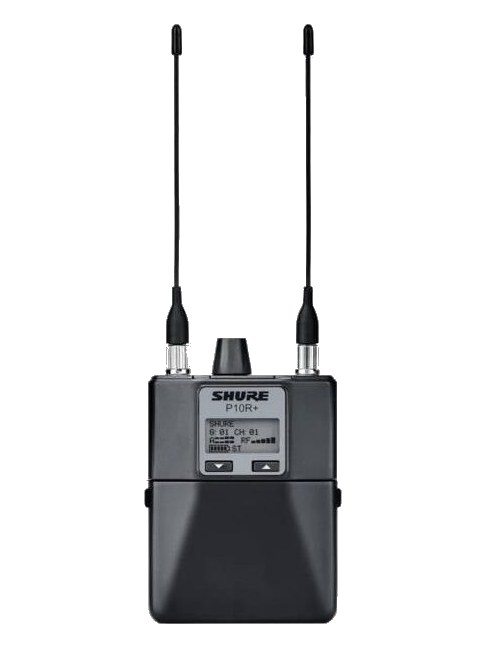
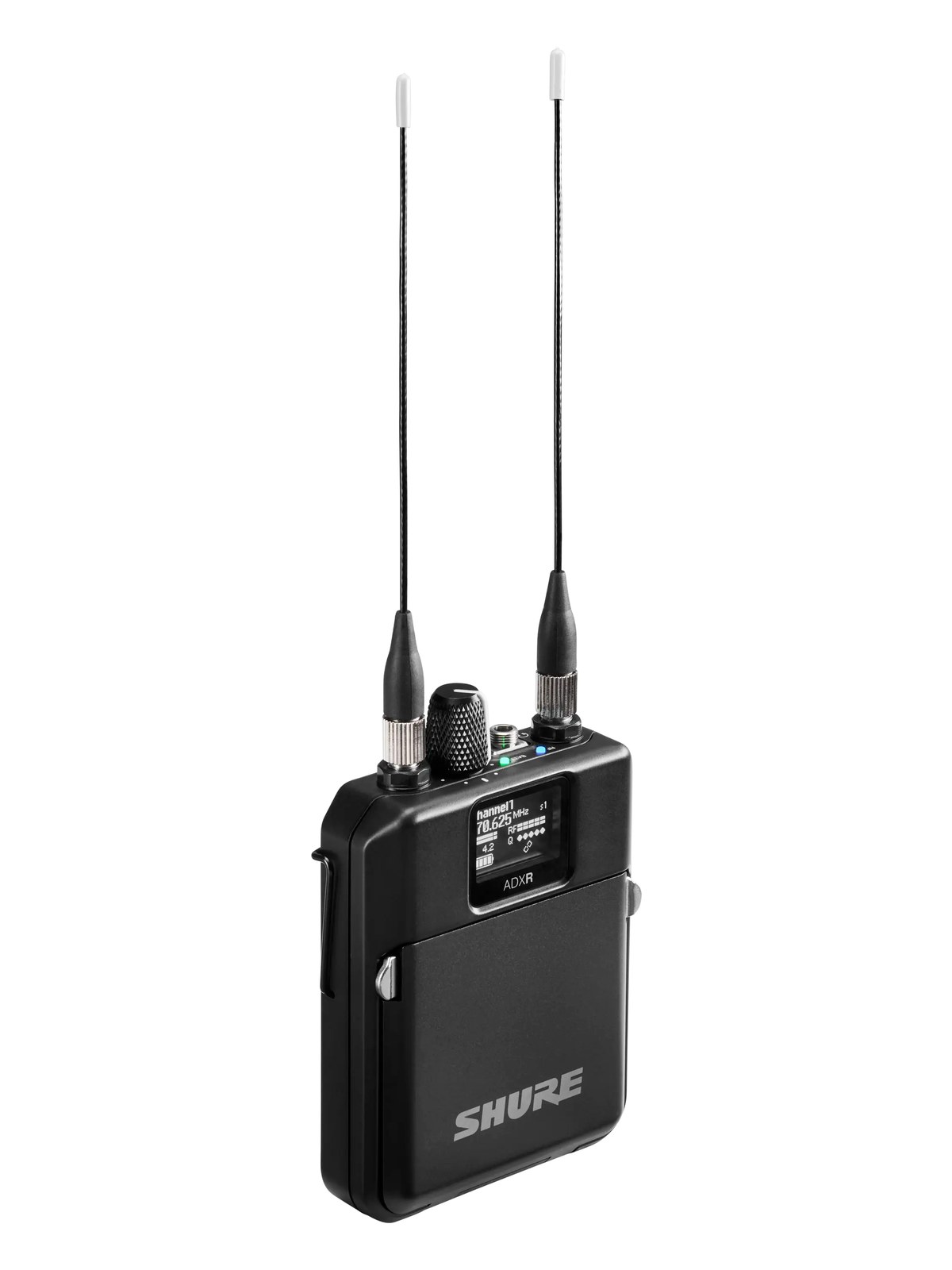
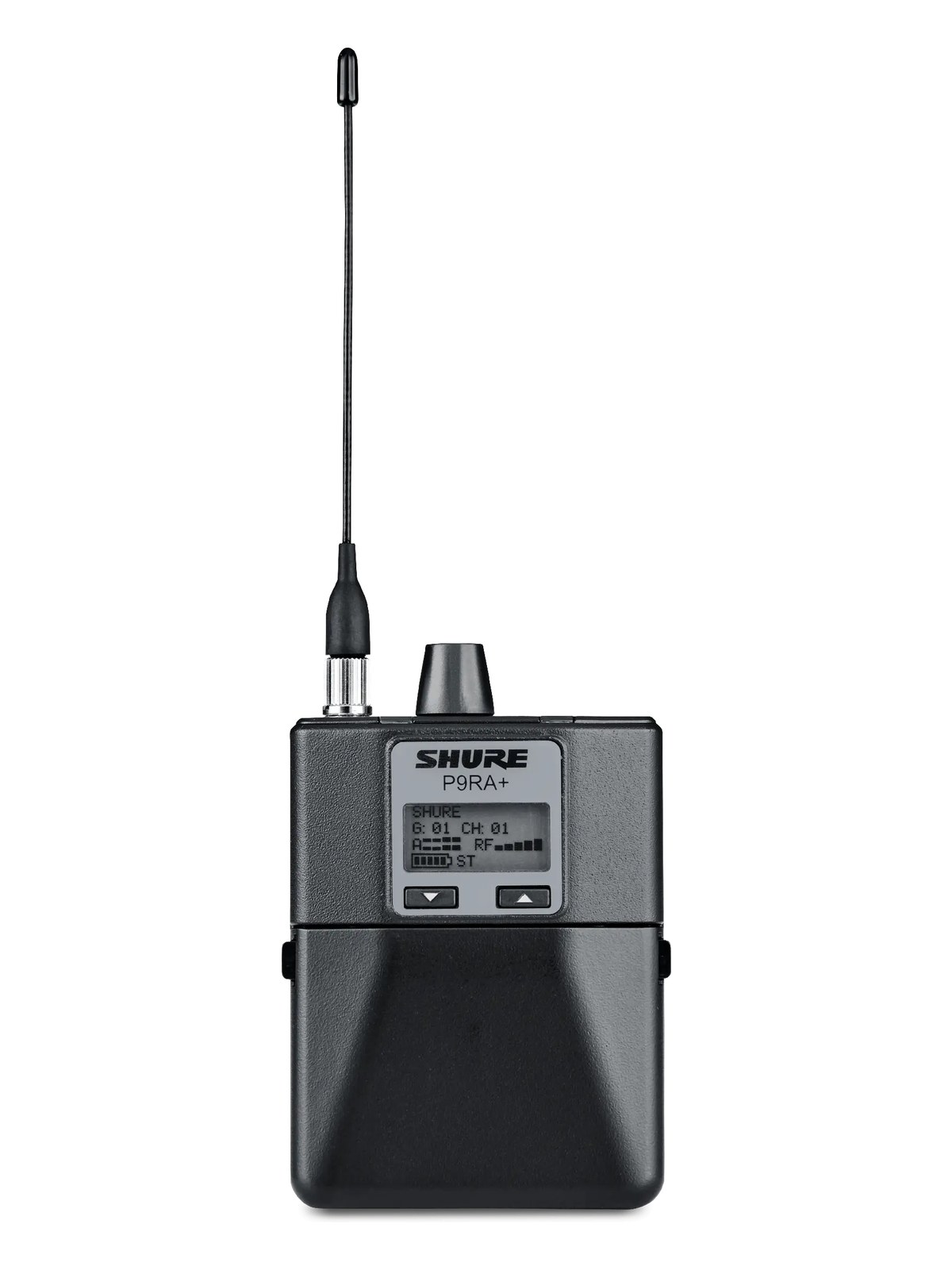
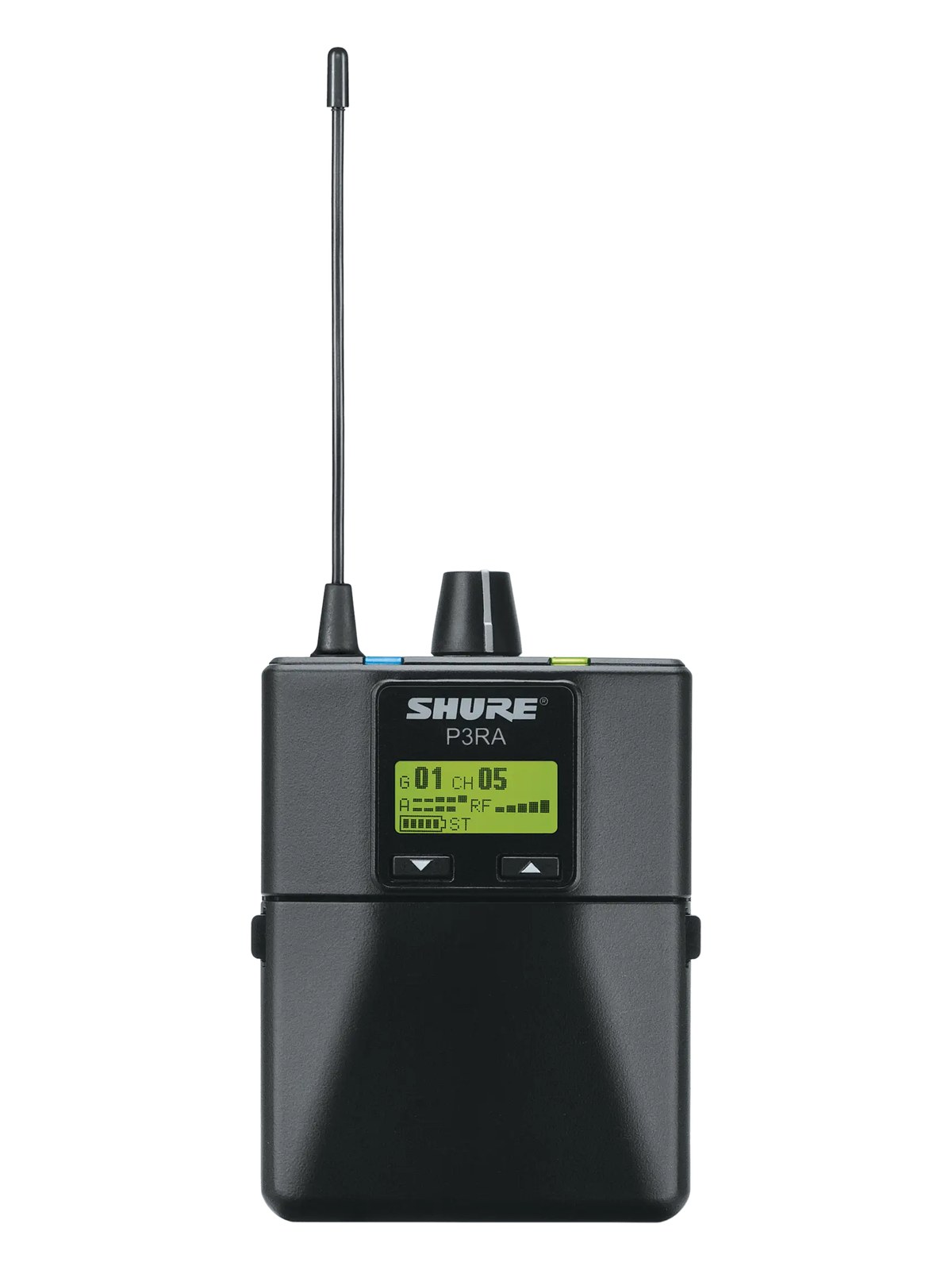
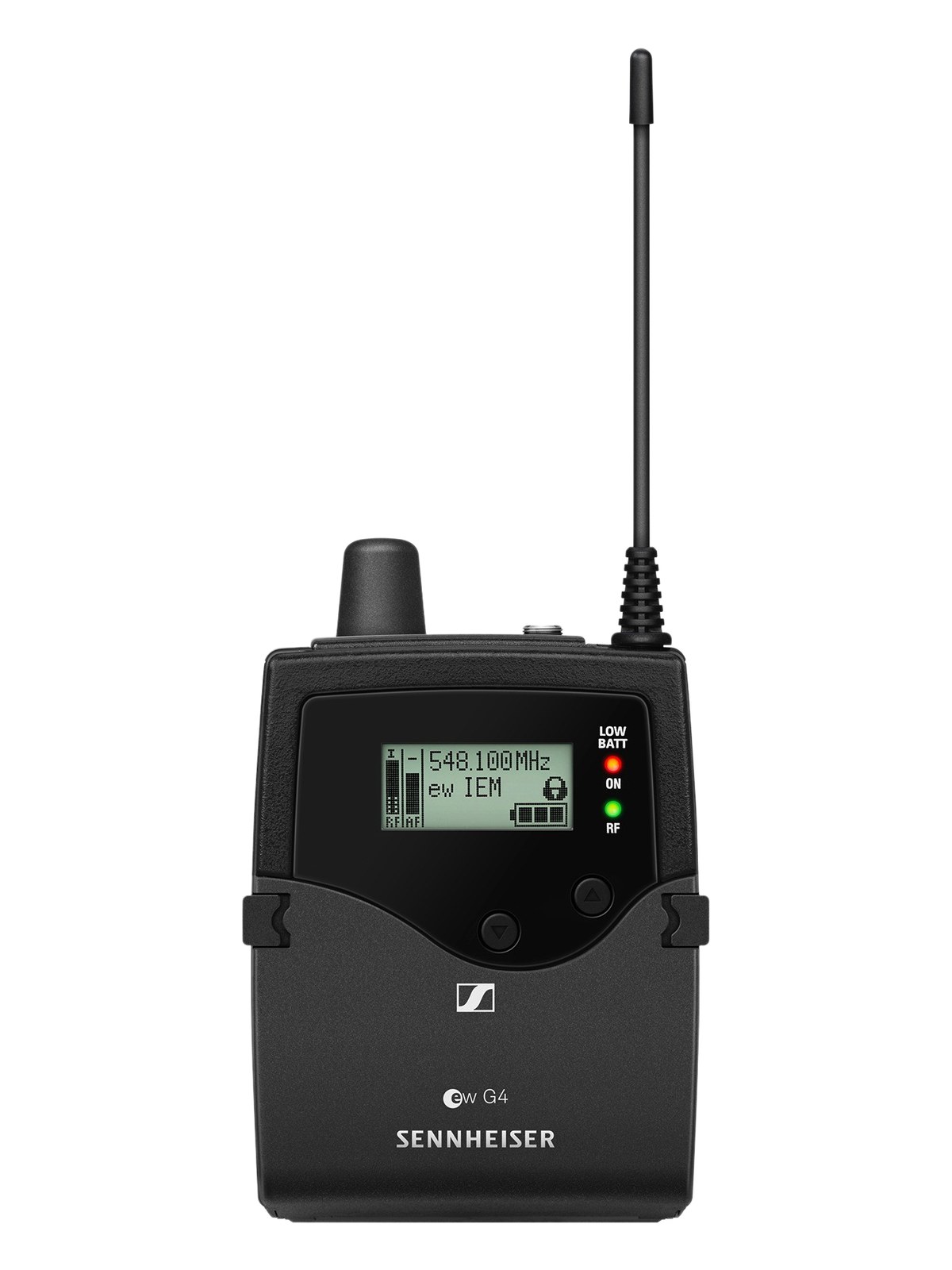
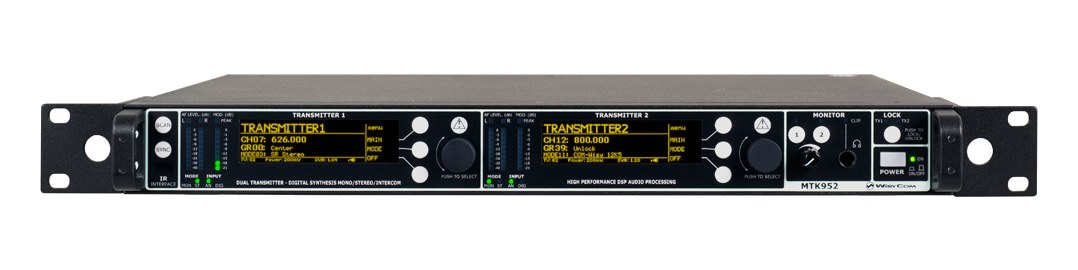
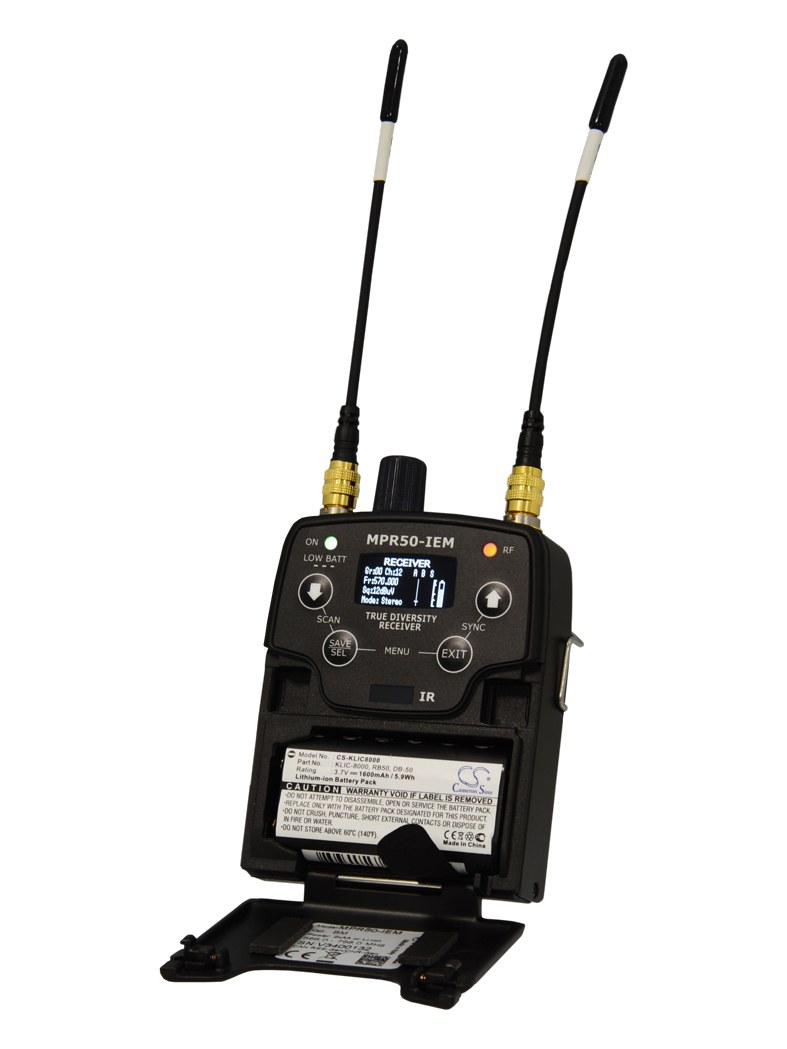
Manufacturer product photography — the drawn faceplate above stays true to panel layout; these show the hardware itself.
About the Wisycom MPR50-IEM
The Wisycom MPR50-IEMIn-Ear Monitor — earpieces that replace floor wedges, feeding each player their own mix. The reason this whole rack exists. is a touring-grade bodypack receiver with an exceptionally wide tuning range and class-leading RFRadio Frequency — the wireless part of wireless. RF planning is why big rigs scan, coordinate, and combine antennas instead of hoping. performance. It's the receiver of choice on shows where RF coordinationCalculating a set of wireless frequencies that won’t interfere with each other or local TV — the homework behind a clean RF night. is critical and dropoutsA brief audio gap when the radio link fails — the thing diversity, distros, and coordination all exist to prevent. are unacceptable, paired with the MTK series transmitters. Premium price reflects premium build and frequency agility.
The MPR50-IEMIn-Ear Monitor — earpieces that replace floor wedges, feeding each player their own mix. The reason this whole rack exists. is Wisycom's touring-grade bodypack receiver, the piece the artist clips to their belt while the MTK transmitter sits in your rack. In the IEM signal chain it's the final link — the thing that converts your RFRadio Frequency — the wireless part of wireless. RF planning is why big rigs scan, coordinate, and combine antennas instead of hoping. transmission into audio at the ear — and on a technically demanding show it's the link most likely to fail if you've cut corners. Wisycom built the MPR50 for environments where the stage is dense with RF traffic, the schedule allows no troubleshooting time, and a dropoutA brief audio gap when the radio link fails — the thing diversity, distros, and coordination all exist to prevent. is genuinely not an option. At $1,799 it's priced accordingly.
The wide tuning range is the spec that earns its keep at load-in. When you arrive at a festival and the RF coordinationCalculating a set of wireless frequencies that won’t interfere with each other or local TV — the homework behind a clean RF night. comes back looking nothing like your advance, a receiver that can chase a retune across a broad swath of spectrum without hitting a wall is worth a great deal. The unit weighs 140 grams, which matters on a dancer or an artist who's already wearing a pack, a belt, and a transmitter. The single 3.5mm output is standard for IEMIn-Ear Monitor — earpieces that replace floor wedges, feeding each player their own mix. The reason this whole rack exists. bodypacks — you're plugging earphones in, not routing to a console — so the port list is exactly what it should be and nothing more.
This receiver belongs in a rig where RF coordinationCalculating a set of wireless frequencies that won’t interfere with each other or local TV — the homework behind a clean RF night. is handled seriously, where the MTK transmitter is already on the input list, and where the person wearing it is either a featured artist or a performer whose mix cannot drop. If you're running a small club rig, a rehearsal room, or a corporate show with modest RFRadio Frequency — the wireless part of wireless. RF planning is why big rigs scan, coordinate, and combine antennas instead of hoping. demands, the price point is hard to justify against well-regarded alternatives in the mid-tier. If you're on a touring rig, a festival, or any show where the RF environment is genuinely hostile, the MPR50 earns its place by not making you think about it during the show.
In the rack
- Pair exclusively with a Wisycom MTK series transmitter — the RFRadio Frequency — the wireless part of wireless. RF planning is why big rigs scan, coordinate, and combine antennas instead of hoping. performance the MPR50 is built around depends on that transmitter matching; mixing manufacturers undermines the system's core advantage.
- When retuning at a festival, push the full range of the MPR50 before you ask the transmitter side to change hardware — the receiver's tuning latitude often absorbs coordination conflicts that would otherwise require swapping gear.
- Keep a spare unit in the case with the same frequency and gainHow much the preamp amplifies the incoming signal. Too low and you’re hunting through hiss; too high and peaks clip. settings already programmed; at 140 grams it's easy to carry, and a pre-configured backup costs you nothing at changeover.
- Check the earphone impedanceOpposition to signal flow, in ohms. Low-impedance IEMs are easier to drive loud; mismatches shift level and tone. match against the headphone output before the artist's first walk — the 3.5mm out is analog and the drive level matters more than people expect when the artist is running high-isolation customs.
Wide-tuning pro bodypack receiver, MTK pairing.
I/O Ports (1)
| Port | Connector | Direction | Signal | Channels |
|---|---|---|---|---|
| Headphone Out (3.5mm) | TRS EIGHTH | output | analog audio | — |
Related gear


Related articles
Guides from our library that cover planning around iem receiver gear.
What an IEM rig actually is, the components that go into one, and how to plan your first one without overspending or blowing a circuit.
Why your wireless mics and IEMs need a frequency plan, what intermodulation means in practice, and how to coordinate channels for a clean show.