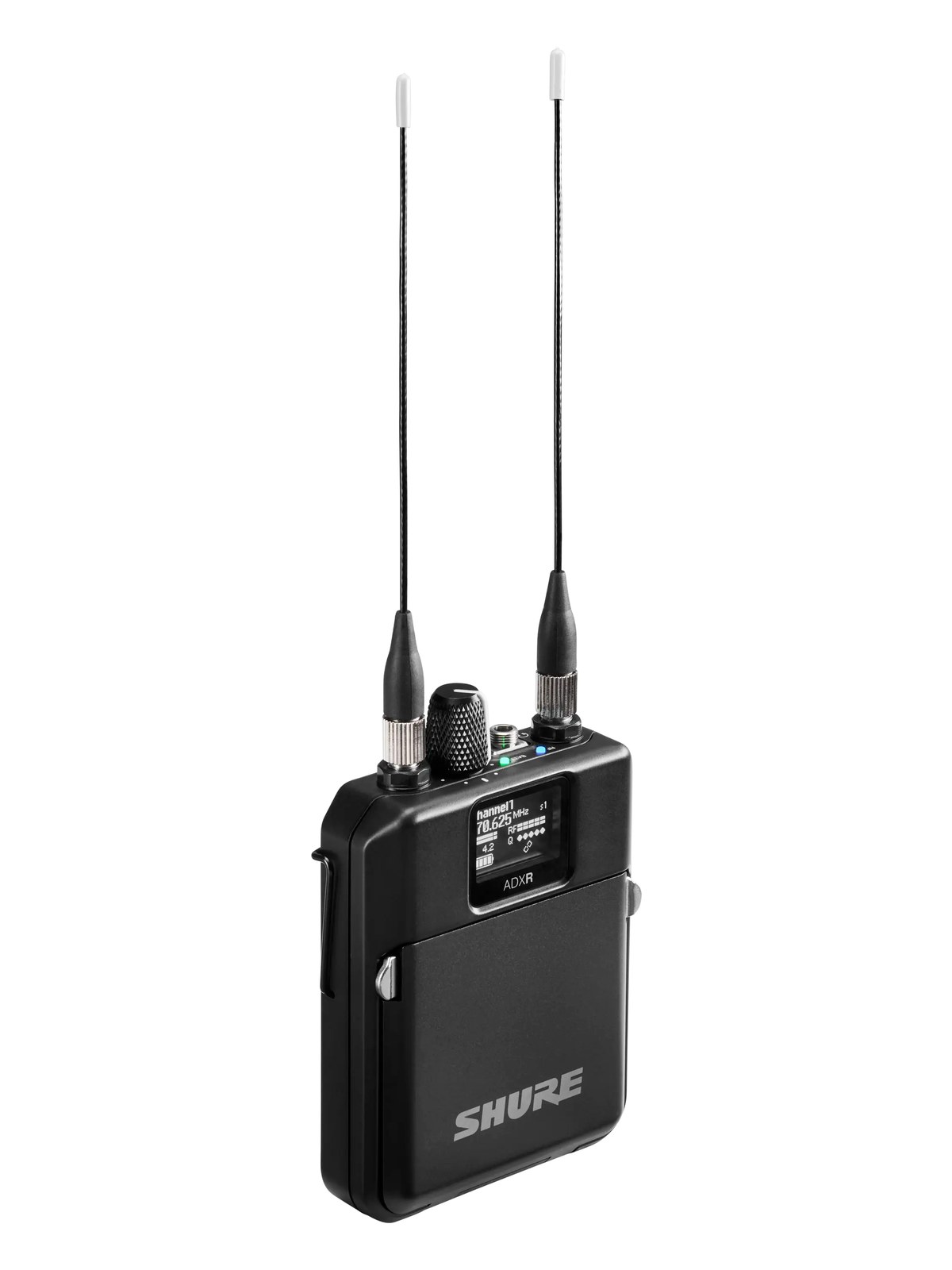
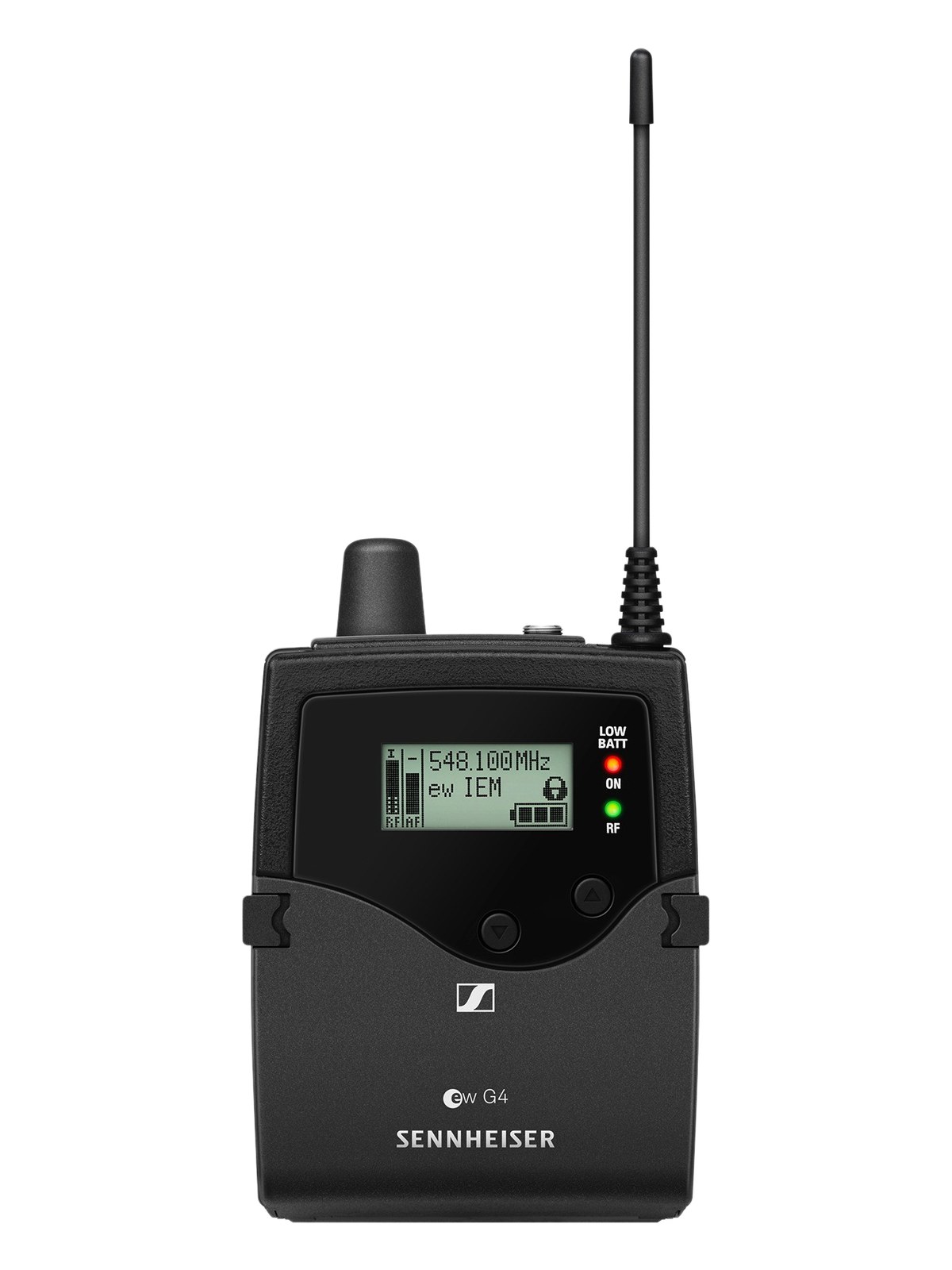
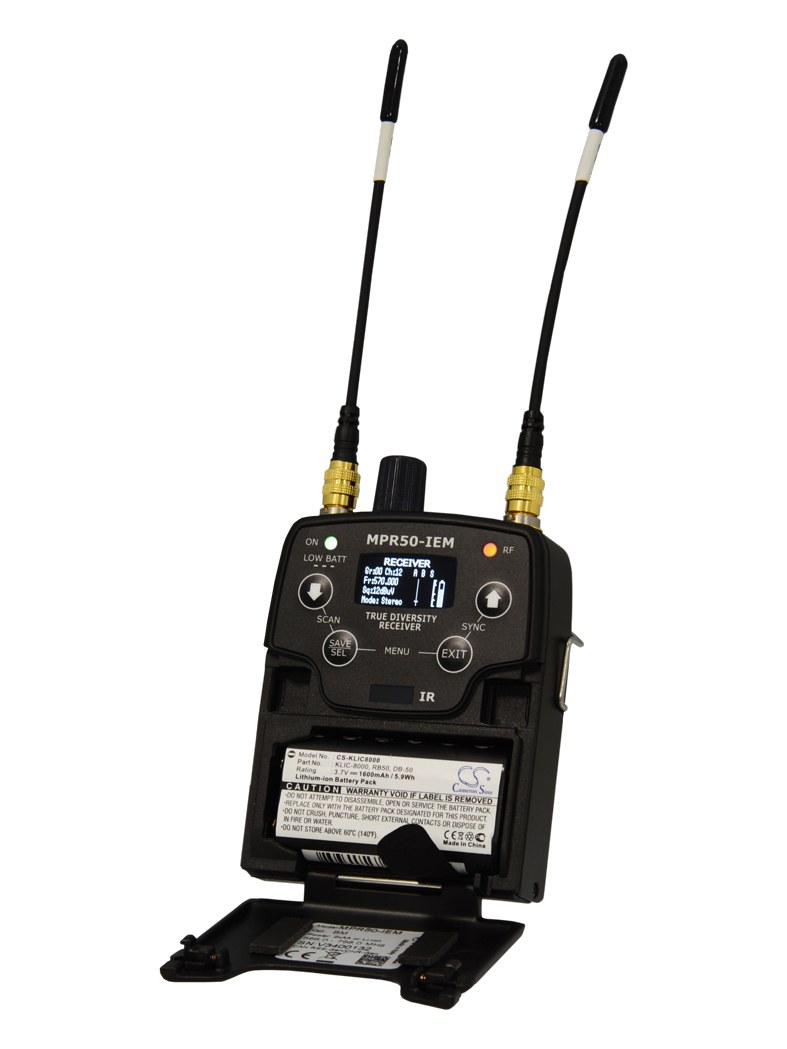
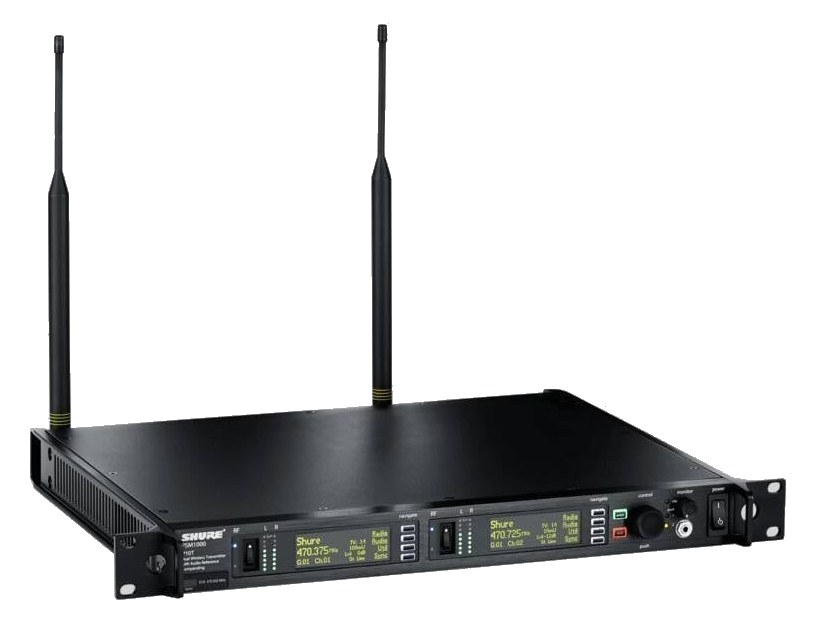
The Shure ADXR is the bodypack half of Axient Digital PSM: true digital diversity reception across a huge 166 MHz window, with the audio quality and RF density that finally moved flagship ears past analog. It pairs with the ADTD and ADTQ transmitters added alongside it, completing the requested ADPSM ecosystem in the catalog. Rechargeable Shure battery workflow included.
UnverifiedPower requirement is not verified in the catalog
Catalog estimate
~$1,837Use retailer rows for current price and stock
01 · What it does—and what that changes in your rig.
Product overview
Start with the payoff, then work through how it functions, where it fits, and the details that change a real build.
The payoff
IEM Receiver decisions, organized around the whole rig.
The ADXR is the performer-side half of Shure's Axient Digital PSM system — the bodypack receiver that a vocalist or musician clips to their belt and plugs their ears into. It doesn't live in your rack; it lives on the artist. What it represents in your rig planning is the downstream endpoint of whatever ADTD or ADTQ transmitter you're running, and it's the piece that ultimately determines whether your talent is hearing a clean, full-range mix or fighting RFRadio Frequency — the wireless part of wireless. RF planning is why big rigs scan, coordinate, and combine antennas instead of hoping.dropoutA brief audio gap when the radio link fails — the thing diversity, distros, and coordination all exist to prevent. mid-song. At this tier, Shure is targeting the same ears that used to run PSM1000 analog and want a reason to cross over to digital.
Documented outputs
1One destination connection
Documented inputs
0Based on documented inputs
Rack space
Outside rackPlan a shelf, tray, or stage position
Photo: ShureOutside rack · Unverified
Function
How it works in the path
The 166 MHz tuning window is the practical headline: in a dense RFRadio Frequency — the wireless part of wireless. RF planning is why big rigs scan, coordinate, and combine antennas instead of hoping. environment — festival stages, arenas, broadcast events — that range gives your coordinator serious room to find clean spectrum and coordinate across multiple packs without boxing themselves into a corner. True digital diversityA receiver with two antennas and two radio sections that continuously picks the stronger one — the difference between a dropout and a show. means the receiver is actively comparing antenna signals and selecting the stronger path continuously, which translates to fewer dropoutsA brief audio gap when the radio link fails — the thing diversity, distros, and coordination all exist to prevent. in real conditions where a performer is moving around a stage rather than standing still for a soundcheck. Power draw is zero from your rack's perspective because this unit runs on Shure's rechargeable battery system, not a rack feed. Weight at 200g is a non-issue for the performer.
Best fit
Where it earns its place in the system
If you're building or expanding an Axient Digital PSM rig and your transmitters are already ADTD or ADTQ, the ADXR is simply the correct bodypack — there's no meaningful decision to make there, the ecosystem locks together. If you're starting fresh and your budget or RFRadio Frequency — the wireless part of wireless. RF planning is why big rigs scan, coordinate, and combine antennas instead of hoping. environment doesn't demand Axient Digital, PSM300 or PSM900 systems will get you to the gig for less. The ADXR makes its case where RF coordinationCalculating a set of wireless frequencies that won’t interfere with each other or local TV — the homework behind a clean RF night. complexity is high, where multiple units need to coexist cleanly, and where the artist or production company expects a flagship-tier listening experience. If you're running club-sized rooms with a single ear package, this level of investment is probably ahead of the problem you actually have.
Shure ADXR Bodypack Receiver — rear with charging contactsPhoto: Shure
In the rack
Details worth deciding before load-in.
Log each ADXR's frequency and pack ID in your show file alongside the transmitter it pairs with — at a festival changeover you'll want that information instant, not hunted.
Build a charging rotation into your day: pull packs off stage after soundcheck, charge through the support act, redistribute before doors. With Shure's rechargeable workflow, that discipline is the whole battery plan.
Keep a spare ADXR in your case if you're carrying multiple units — at $1,837 it's a real line item, but a failed bodypack with no spare is a pulled monitor mix or a panicked IEMIn-Ear Monitor — earpieces that replace floor wedges, feeding each player their own mix. The reason this whole rack exists.-to-wedgeA floor monitor speaker angled up at the performer — the thing IEMs replace, and the thing you fall back on when they die. swap mid-show.
Coordinate the ADXR's frequency assignments through your RFRadio Frequency — the wireless part of wireless. RF planning is why big rigs scan, coordinate, and combine antennas instead of hoping. coordinator's scan before you commit to a show frequency plan — the 166 MHz window is only an advantage if you're using a disciplined intermodIntermodulation — ghost frequencies created when transmitters mix in each other’s electronics. Why multi-channel wireless is calculated, not guessed. analysis, not just picking clear-looking channels by eye.
02 · Know the whole path before you buy.
Signal path
Learn the route as a block diagram: source, product function, transport, and destination. Select any block to see what enters, what changes, and what leaves.
Interactive block diagramAuto-looping · hover, focus, or tap to hold a stage
Port-type signalProduct functionSystem boundary
Follow one signal from source to destination
Each block answers the same three questions: what arrives, what changes here, and what leaves.
01 · This unit · selected
trs eighth
01 · This unit
Shure ADXR Bodypack Receiver
Power requirements are not yet verified in the catalog.
Arrives through
No documented input
This stage
Performs the documented product role
Power
Unverified
03 · What this product asks of the rest of the system.
Compatibility
Treat connector names as the start of the check—not the answer. These are the boundaries that determine a complete working path.
Best fit · IEM Receiver
Use it as iem receiver tracked outside rack rails; follow the manufacturer’s mounting and form-factor guidance.
Plan the companion path
Complete the path with upstream and downstream gear that matches connector, direction, signal type, protocol, and wiring standard.
Connector boundary
Documented connectors: trs eighth. Match connector, direction, and signal type—not shape alone.
04 · Every connector, grouped by job.
I/O ports
Switch the product view and the documented port inventory updates with it—hardware and data stay side by side.
Every connector, grouped by job.
Switch panels to keep the hardware view and the documented port list in sync.
Front panelRear panel
All documented ports for Shure ADXR Bodypack Receiver
Port
Panel
Connector
Direction
Signal
Channels
Phones Out
rear
trs eighth
output
analog audio
—
Showing 1 of 1 documented physical ports.
05 · Compare the decision, not just the price.
Alternatives
The rows are organized around fit, power, I/O, and system role so a cheaper unit cannot hide a more expensive workflow.
ADXRThe Shure ADXR is the bodypack half of Axient Digital PSM: true digital diversity reception across a huge 166 MHz window, with the audio quality and RF density that finally moved flagship ears past analog. It pairs with the ADTD and ADTQ transmitters added alongside it, completing the requested ADPSM ecosystem in the catalog. Rechargeable Shure battery workflow included.View gear →
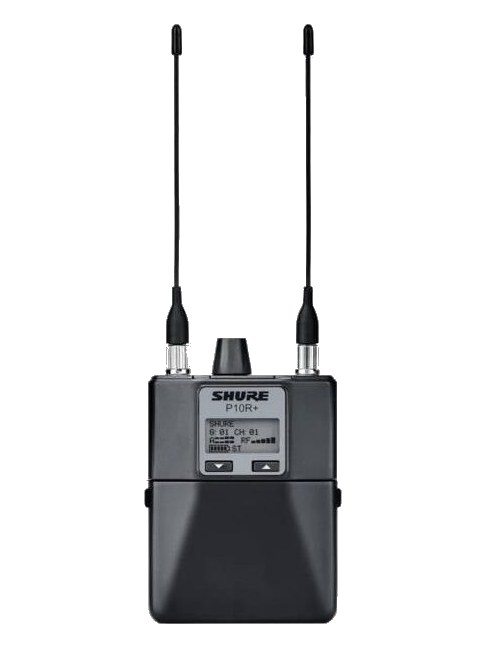
P10R+The P10R+ is the bodypack receiver that pairs with the PSM1000 transmitter, worn by performers to receive their monitor mix wirelessly. It features an ultra-wide tuning range and supports both stereo and MixMode operation, giving musicians fine control over their in-ear blend. You will need one per performer on the PSM1000 system.View gear →
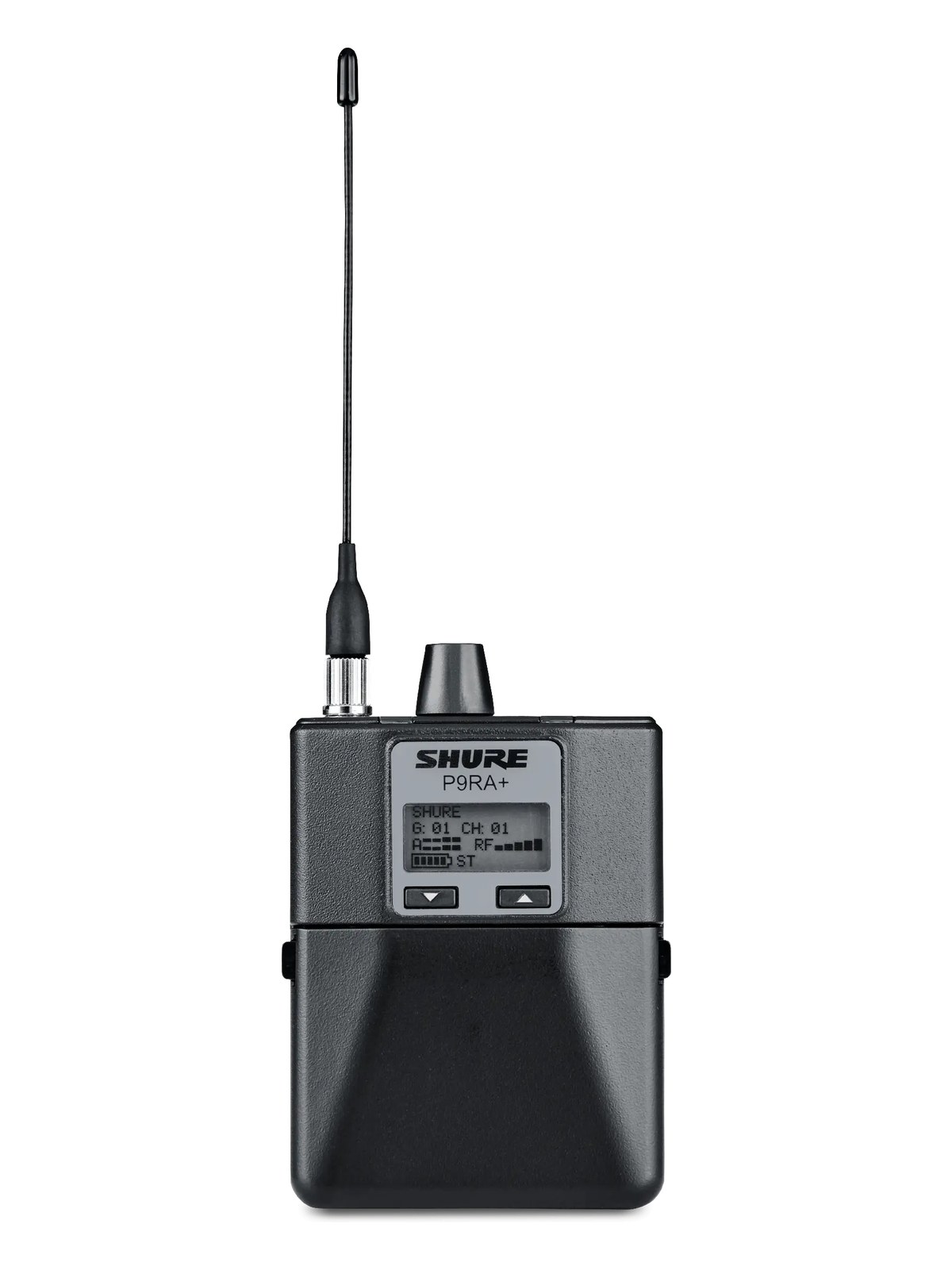
P9RA+The P9RA is the diversity bodypack receiver paired with the PSM900 transmitter. It uses Shure's Audio Reference Companding to deliver 24-bit-quality audio over an analog wireless link, and the dual-antenna diversity design helps maintain a stable signal as the performer moves around the stage. One per performer on a PSM900 system.View gear →
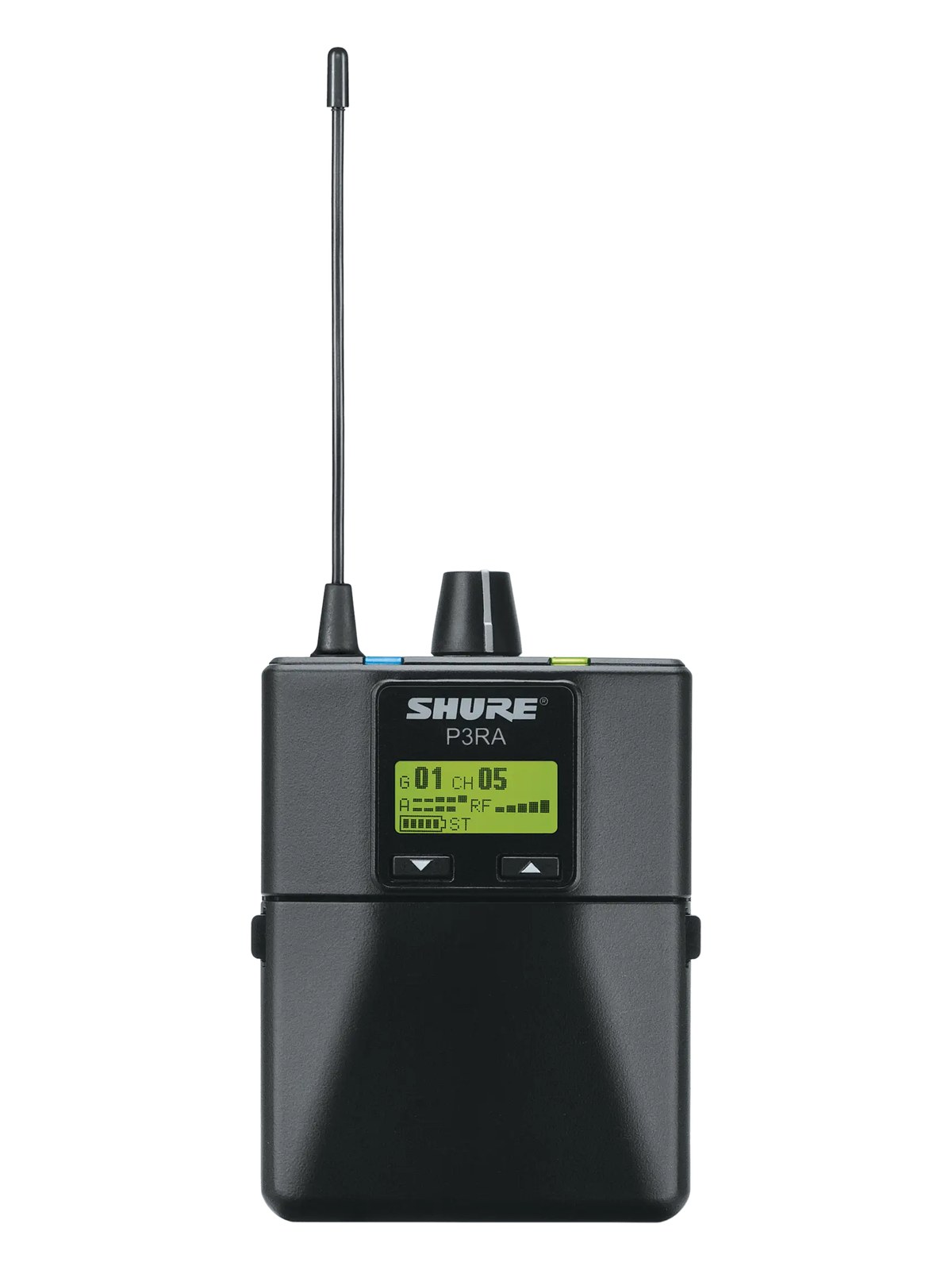
P3RAThe P3RA is the metal-bodied bodypack receiver for the PSM300 system. It strikes a useful balance for working musicians who need solid wireless monitoring without the premium price of the higher-end Shure systems. A common choice for B-rigs, smaller venues, and bands building out IEMs for the first time. One per performer.View gear →
06 · Resolve the questions that can change the purchase or build plan.
Planning questions
Short, source-backed answers surface rack fit, power, cabling, and connection details before they become surprises.
Where does the Shure ADXR Bodypack Receiver live in a complete rig?
The catalog assigns it no rack units. Builder tracks it as non-rack gear; follow the manufacturer’s mounting, case, and form-factor guidance.
How much power does the Shure ADXR Bodypack Receiver draw?
Its power requirement is not yet verified in the catalog.
What connections does the Shure ADXR Bodypack Receiver have?
1 documented physical ports, including Phones Out.
07 · See this gear inside a complete system plan.
Builder preview
Builder keeps non-rack gear in the same bill of materials, budget, dependency, and connection plan as the rack-mounted system around it.Open in Builder