The Sennheiser IE 400 Pro is a step-up universal IEM built around a single broadband dynamic driver. The single-driver design gives it a coherent, even presentation across the spectrum that some musicians prefer over multi-driver designs. Tight low-end response and a focused midrange make it a great choice for vocalists and players who like a more natural sound.
UnverifiedPower requirement is not verified in the catalog
Catalog estimate
~$349Use retailer rows for current price and stock
01 · What it does—and what that changes in your rig.
Product overview
Start with the payoff, then work through how it functions, where it fits, and the details that change a real build.
The payoff
Earphones / IEMs decisions, organized around the whole rig.
The IE 400 Pro is Sennheiser's step-up universal IEMIn-Ear Monitor — earpieces that replace floor wedges, feeding each player their own mix. The reason this whole rack exists. aimed at working performers who want a reliable, musical reference on stage without the cost or complexity of a custom fit. Built around a single broadband dynamic driverA miniature version of a normal speaker (coil and diaphragm) inside an earphone — moves more air, so it’s the bass engine in hybrid IEMs. — what Sennheiser calls their TrueResponse transducer — it sits in the middle of the IE Pro line, above the entry-level IE 100 Pro and below the flagship IE 500 Pro. Its role in a rig is straightforward: it's the ear-side of your monitoring chain, and everything from your wireless pack to your mix decisions lives or dies by how honestly this thing translates.
Equipment type
Earphones / IEMsCatalog classification
Documented weight
0.02 kgUsed in transport and case planning
Rack placement
Non-rackTracked outside rack rails
Photo: SennheiserOutside rack · Unverified
Function
How it works in the path
A single dynamic driverA miniature version of a normal speaker (coil and diaphragm) inside an earphone — moves more air, so it’s the bass engine in hybrid IEMs. means phase coherence is inherent — there's no crossoverSplits audio into frequency bands so each speaker only gets what it can handle — lows to the subs, highs to the horns. network introducing timing or phase anomalies between frequency ranges. In practice, that translates to a presentation that many vocalists describe as natural rather than hyped: kick and bass have weight without bloat, the midrange where most of a vocal sits is focused and readable, and the top end doesn't shout. At 20 grams with a over-ear cable routing, it's light enough that you'll forget it's there by the second song. The passive isolation you get from the fit matters enormously at stage volumes — choose your ear tips carefully at soundcheck, not as an afterthought.
Best fit
Where it earns its place in the system
This earphone makes the most sense for vocalists, guitarists, or any performer who finds multi-driver IEMsIn-Ear Monitor — earpieces that replace floor wedges, feeding each player their own mix. The reason this whole rack exists. fatiguing or artificially detailed over a long set. If you're a drummer or bassist who needs visceral sub-bass slam, a dynamic driverA miniature version of a normal speaker (coil and diaphragm) inside an earphone — moves more air, so it’s the bass engine in hybrid IEMs. at this price point may still leave you wanting more low-end extension than a universal fit can physically deliver. And if you're a serious IEM user doing multiple shows a week, budget for a backup pair — at $349 a side, losing one ear on show day is a bad day.
In the rack
Details worth deciding before load-in.
Spend real time on tip selection during soundcheck: foam tips will give you meaningfully more passive isolation than silicone in loud stage environments, which directly affects how much low-end you perceive and how your engineer needs to shape your mix.
The over-ear cable routing reduces microphonics during movement, but make sure the cable is routed cleanly under your pack's belt clip — a loose cable dragging across a bodypack will introduce handling noise your engineer can't fix from the desk.
If you're sharing a wireless system with another performer, label your earpieces clearly and keep a printed frequency coordinationCalculating a set of wireless frequencies that won’t interfere with each other or local TV — the homework behind a clean RF night. sheet in your gig bag — the IE 400 Pro will pair with any standard wireless receiver, but swapping ears mid-show is a hygiene and fit problem you don't want.
Keep a second cable in your kit bag. The IE 400 Pro uses a proprietary Sennheiser socket, so a generic MMCX or 2-pin cable won't save you at 7:55pm — stock the correct replacement before the tour starts.
03 · What this product asks of the rest of the system.
Compatibility
Treat connector names as the start of the check—not the answer. These are the boundaries that determine a complete working path.
Best fit · Earphones / IEMs
Use it as earphones / iems tracked outside rack rails; follow the manufacturer’s mounting and form-factor guidance.
Plan the companion path
Use documented companion accessories and system pairing; no physical connector map is verified for this catalog item.
Documentation boundary
No physical connector map is documented. Do not infer compatibility from category or product shape alone.
05 · Compare the decision, not just the price.
Alternatives
The rows are organized around fit, power, I/O, and system role so a cheaper unit cannot hide a more expensive workflow.
IE 400 ProThe Sennheiser IE 400 Pro is a step-up universal IEM built around a single broadband dynamic driver. The single-driver design gives it a coherent, even presentation across the spectrum that some musicians prefer over multi-driver designs. Tight low-end response and a focused midrange make it a great choice for vocalists and players who like a more natural sound.View gear →
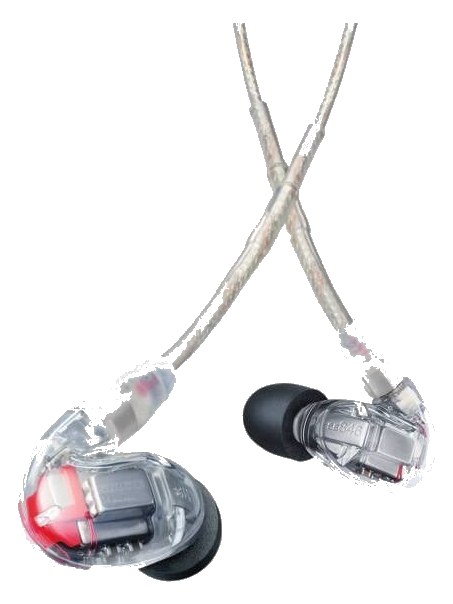
SE846The Shure SE846 is a flagship universal-fit IEM with four balanced armature drivers per side, delivering exceptional detail and low-end extension that rivals many custom-molded options. Interchangeable nozzle inserts let you tune the frequency response to taste, and the detachable MMCX cables make replacement easy on the road. These are a top-tier choice for performers who want premium sound quality without the wait and expense of custom ear molds.View gear →
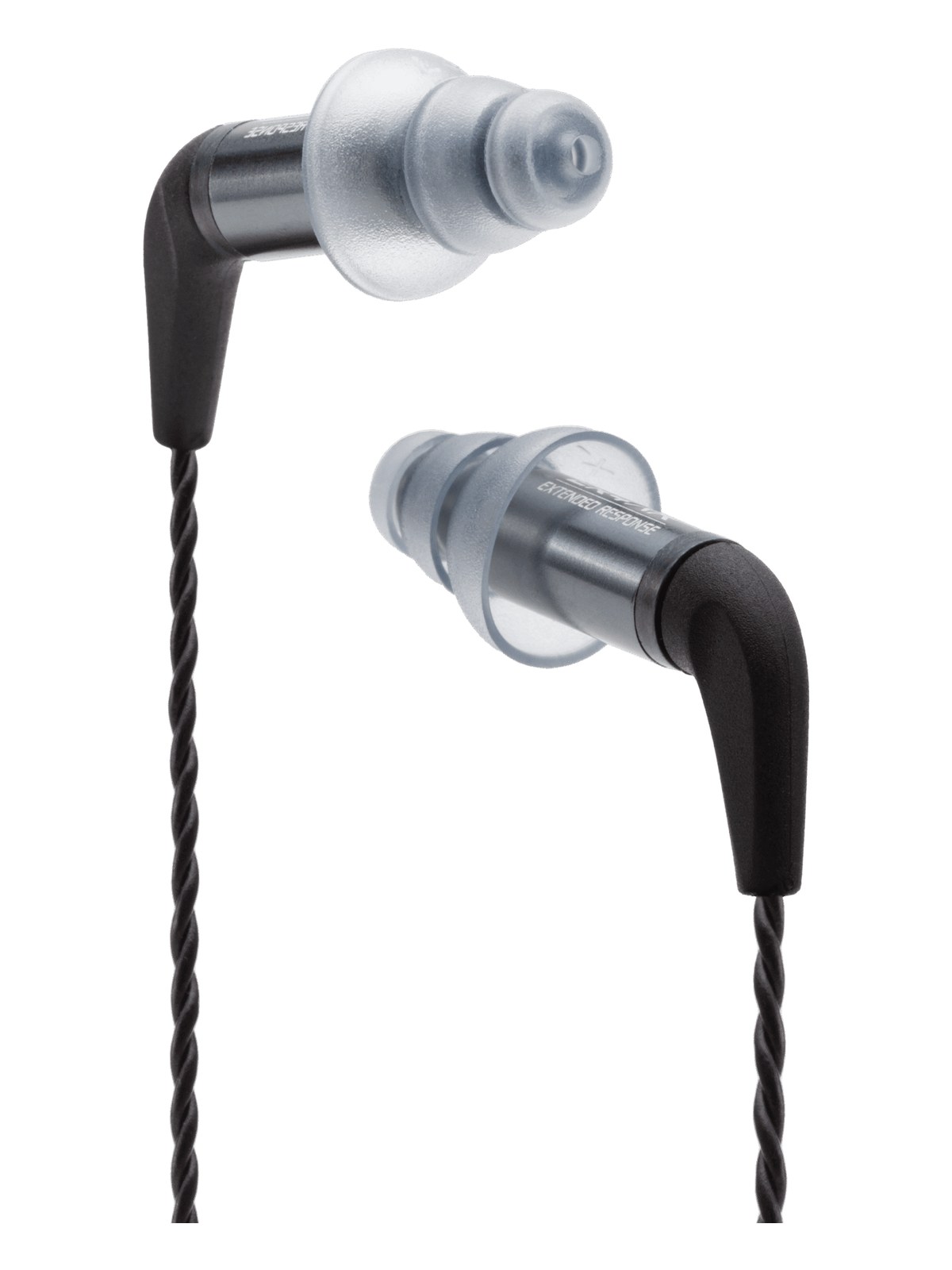
ER4XRThe Etymotic ER4XR is a single balanced armature driver IEM known for its remarkably flat and accurate frequency response, favored by audio engineers and musicians who prioritize monitoring accuracy over hype. The deep-insertion tri-flange tips provide outstanding noise isolation, which is valuable in loud stage environments. A great choice for engineers who use IEMs as reference monitors and need to hear exactly what the mix is doing.View gear →
AM Pro X30The Westone AM Pro X30 is designed specifically for performing musicians, with ambient sound ports that let in a controlled amount of stage sound alongside your IEM mix. This helps performers who feel disconnected from the live environment when using fully isolating IEMs, providing a more natural monitoring experience. The triple-driver design delivers a balanced frequency response that works well across all instrument types and vocal ranges.View gear →
06 · Resolve the questions that can change the purchase or build plan.
Planning questions
Short, source-backed answers surface rack fit, power, cabling, and connection details before they become surprises.
Where does the Sennheiser IE 400 Pro IEM live in a complete rig?
The catalog assigns it no rack units. Builder tracks it as non-rack gear; follow the manufacturer’s mounting, case, and form-factor guidance.
How much power does the Sennheiser IE 400 Pro IEM draw?
Its power requirement is not yet verified in the catalog.
07 · See this gear inside a complete system plan.
Builder preview
Builder keeps non-rack gear in the same bill of materials, budget, dependency, and connection plan as the rack-mounted system around it.Open in Builder