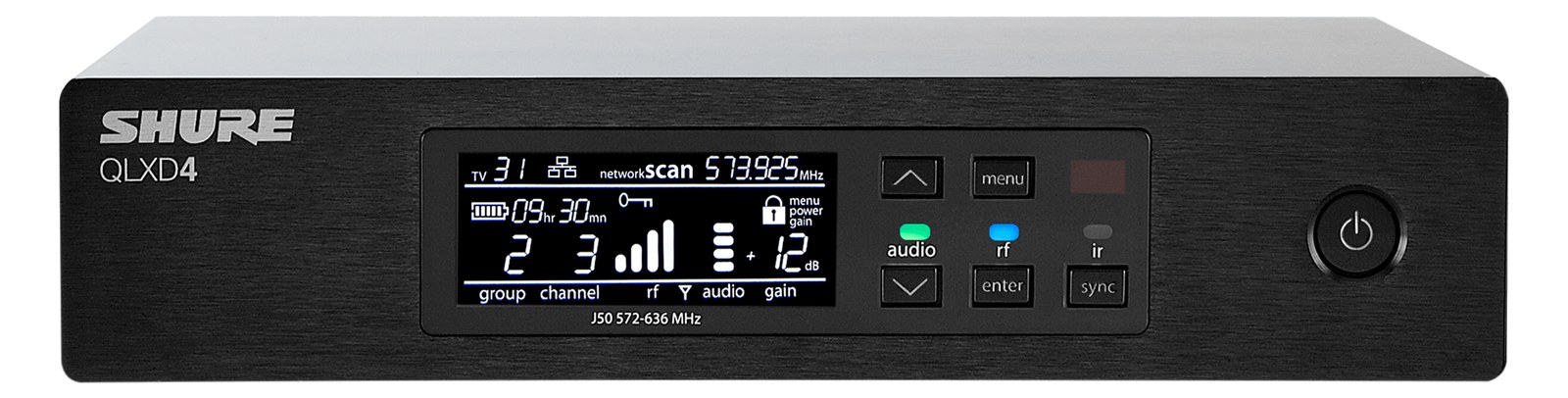

Sennheiser XSW 1-835 Receiver
Sennheiser·Model XSW 1-835·sennheiser-xsw1-835
Photos
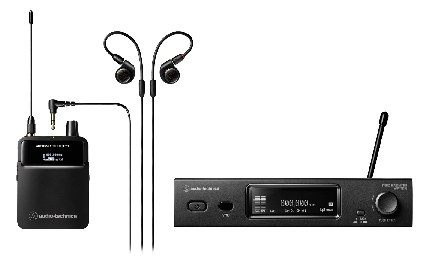
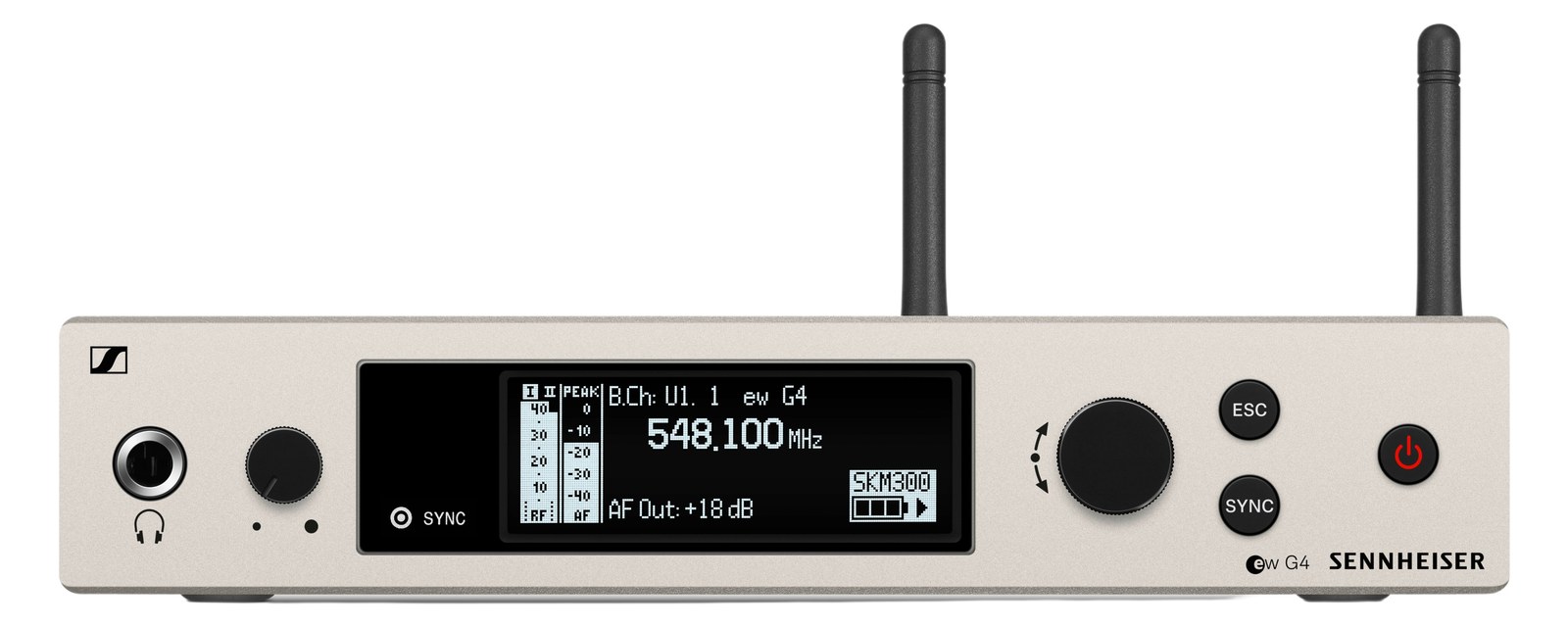
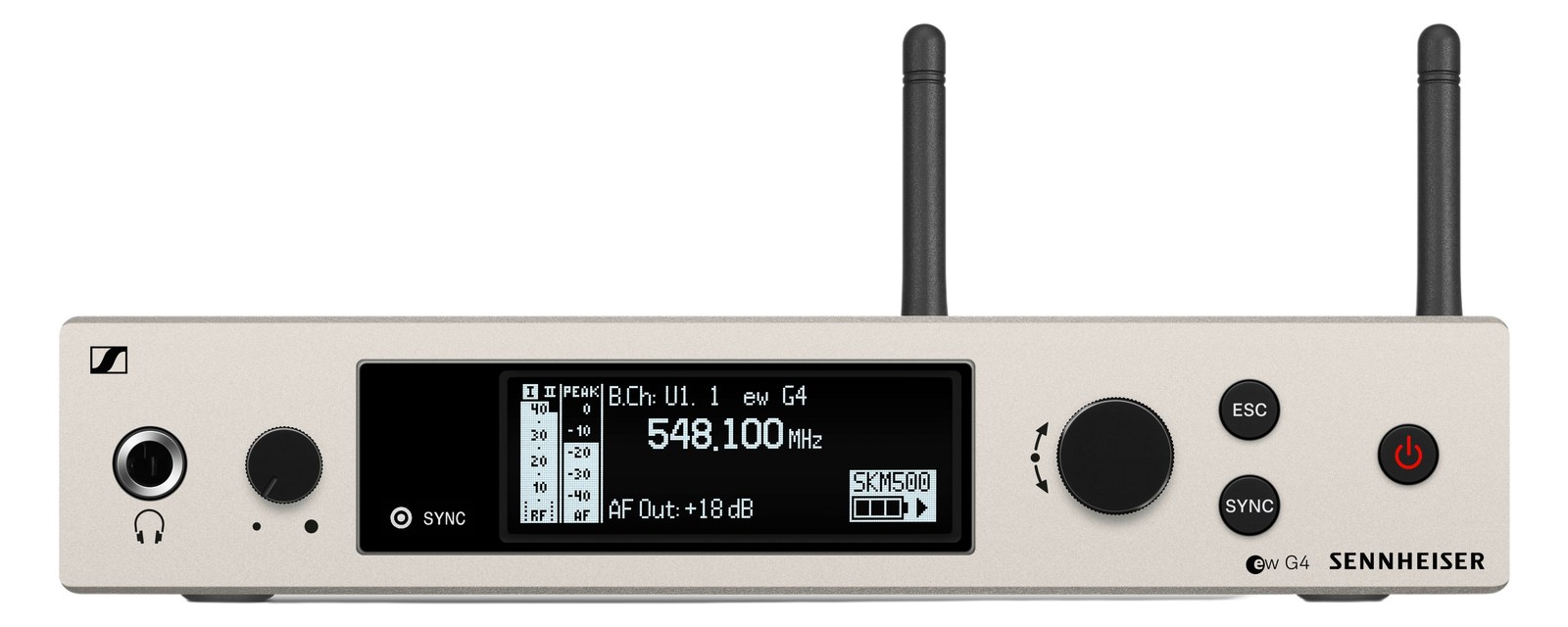
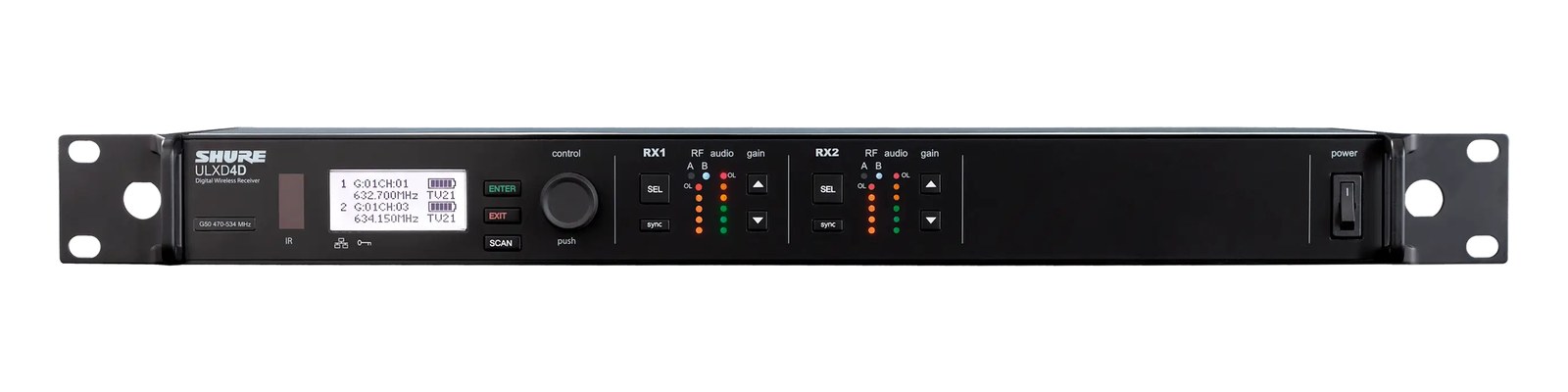
Manufacturer product photography — the drawn faceplate above stays true to panel layout; these show the hardware itself.
About the Sennheiser XSW 1-835
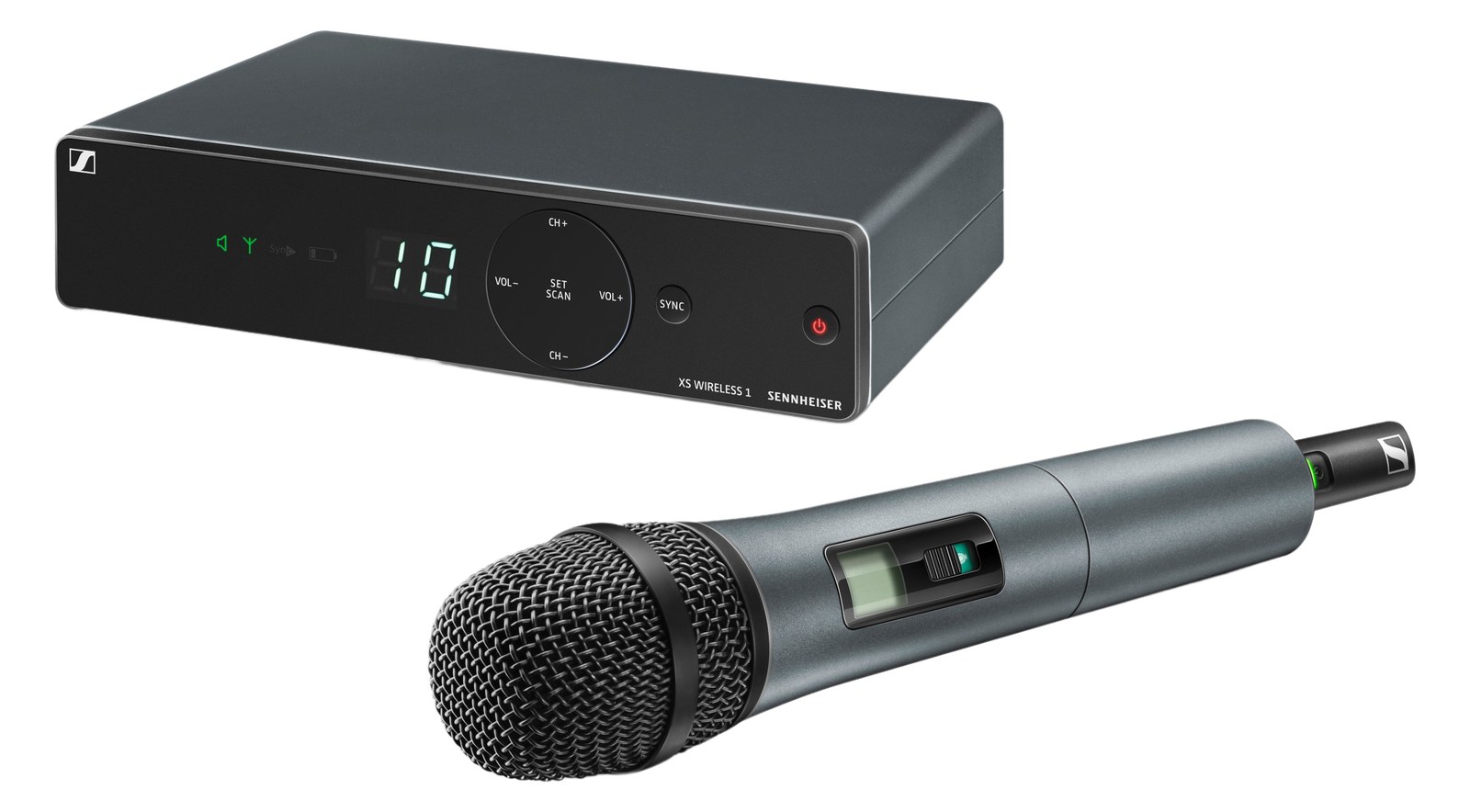
The Sennheiser XSW 1-835 brings Sennheiser vocal wireless under $350: a half-rackThe standard slice of rack height: 1U = 1.75″. A 3U box takes three slices; half-rack gear pairs two units side by side in one. receiver with an e835-capsule handheld, automatic frequency management, and the build quality that separates it from no-name budget RFRadio Frequency — the wireless part of wireless. RF planning is why big rigs scan, coordinate, and combine antennas instead of hoping.. It is the demand-data gap fill — users searched the XSW line by name before this add. The honest first step of the Sennheiser wireless ladder.
The XSW 1-835 is Sennheiser's entry point into their wireless vocal lineup — a half-rackThe standard slice of rack height: 1U = 1.75″. A 3U box takes three slices; half-rack gear pairs two units side by side in one. receiver paired with a handheld transmitter loaded with an e835-style dynamic capsule. In a rack context it occupies one half of a 1U slot, leaving room for a second half-rack unit alongside it, which matters when you're building a dense playback or IEMIn-Ear Monitor — earpieces that replace floor wedges, feeding each player their own mix. The reason this whole rack exists. rig with limited real estate. Its role is straightforward: give a lead vocalist or presenter a dependable, named-brand UHFThe TV-band radio range (roughly 470–608 MHz in the US) where serious wireless mics and IEMs live — better behaved than crowded 2.4 GHz. wireless link without the trust deficit that comes with unbranded budget RFRadio Frequency — the wireless part of wireless. RF planning is why big rigs scan, coordinate, and combine antennas instead of hoping. systems. At $349, it's the honest bottom rung of the Sennheiser wireless ladder — not a compromise product, but a deliberately scoped one.
The practical spec story is lean but solid. Dual BNCThe twist-lock coax connector used for word clock and antenna runs — it locks, so it can’t be pulled out mid-show. antenna inputs support an external active or passive antenna distributionOne pair of antennas feeding many receivers through an amplified splitter — replaces the forest of whips and keeps RF levels consistent. setup, so you're not locked into the stubs forever if your venue demands better coverage. The XLRThe standard 3-pin locking connector for mics and balanced line signals — pin 1 is the shield, pins 2 and 3 carry the balanced pair. output feeds any console mic preampThe gain stage that lifts a mic’s tiny signal up to line level — the first thing a signal hits, and a big part of how a console sounds. directly, and the quarter-inch TRSTip-Ring-Sleeve — a 1/4″ jack with three contacts carrying a balanced signal or a stereo pair. A guitar plug with one extra ring. jack gives you a backup path to a direct box or powered monitor in a pinch. At 5 watts typical draw with an 8-watt ceiling, it's nearly invisible on your power budget — you could run four of these before you've drawn as much as a single workstation. Automatic frequency management takes scan-and-sync off your pre-show checklist, which matters at a compressed load-in. The 200mm depth keeps it from crowding rear cable runs in shallower racks.
This receiver belongs in a rig where you need one or two reliable wireless vocal channels, the budget ceiling is real, and the gig doesn't demand the coordination headroomThe margin between your normal level and where things clip — headroom is what absorbs the snare hit you didn’t see coming. of a true touring system. House-of-worship rigs, small-venue monitor engineers running a compact rack, and corporate AV setups will find it earns its slot honestly. Where it stops making sense: dense RFRadio Frequency — the wireless part of wireless. RF planning is why big rigs scan, coordinate, and combine antennas instead of hoping. environments requiring coordinated multi-channel scanning across eight or more frequencies, or situations where you need digital encryption or significant transmitter output control. If you're already running EW-D or G4 300-series channels, adding an XSW 1-835 to the same antenna distributionOne pair of antennas feeding many receivers through an amplified splitter — replaces the forest of whips and keeps RF levels consistent. gets complicated — keep frequency families consistent and plan your coordination accordingly.
In the rack
- Pair two XSW 1-835 receivers in a single 1UThe standard slice of rack height: 1U = 1.75″. A 3U box takes three slices; half-rack gear pairs two units side by side in one. slot using a half-rack mounting kit — Sennheiser offers a dual rackmount tray that holds two XSW receivers side by side, keeping the front panel clean and labeled.
- Run the BNCThe twist-lock coax connector used for word clock and antenna runs — it locks, so it can’t be pulled out mid-show. outputs to a passive antenna splitter and relocate your antennas to the front edge of the stage or a boom stand at head height — the stub antennas on the rear of a closed rack are a dropoutA brief audio gap when the radio link fails — the thing diversity, distros, and coordination all exist to prevent. waiting to happen.
- Use the XLRThe standard 3-pin locking connector for mics and balanced line signals — pin 1 is the shield, pins 2 and 3 carry the balanced pair. output as your primary console feed and leave the TRSTip-Ring-Sleeve — a 1/4″ jack with three contacts carrying a balanced signal or a stereo pair. A guitar plug with one extra ring. jack connected to a spare DIDirect Injection box — converts an instrument’s unbalanced signal to a balanced mic-level XLR so it can run long cables without noise. or commsProduction intercom — the wired or wireless party line connecting FOH, monitors, stage managers, and lighting during a show. input as a hot backup; if your XLR connector develops an intermittent at show time, you have an immediate fallback without rerouting cable.
- Scan and lock frequencies during load-in before any other RFRadio Frequency — the wireless part of wireless. RF planning is why big rigs scan, coordinate, and combine antennas instead of hoping.-heavy gear is powered up — the automatic frequency management works best with a quiet RF environment, and coordinating it last is a losing game in busy venues.
Budget Sennheiser vocal wireless — the XSW gap the demand data flagged.
I/O Ports (4)
| Port | Connector | Direction | Signal | Channels |
|---|---|---|---|---|
| Antenna A | BNC | input | antenna | — |
| Antenna B | BNC | input | antenna | — |
| XLR Out | XLR MALE | output | analog audio | — |
| Jack Out | TRS QUARTER | output | analog audio | — |
Related gear


Community rigs using this gear (2)
Browse all rigs →Related articles
Guides from our library that cover planning around wireless mic gear.
Why sealed IEMs make you feel disconnected from the room — and exactly how to put the audience back into your mix with one or two well-placed mics.
Why your wireless mics and IEMs need a frequency plan, what intermodulation means in practice, and how to coordinate channels for a clean show.
When you need a combiner vs a distro, active vs passive, cable choice and length math, and how to scale a 4-pack rig into an 8 or 12-pack without intermod nightmares.