
Sennheiser EW-D EM Receiver
Sennheiser·Model EW-D EM·sennheiser-ew-dp-em
Photos
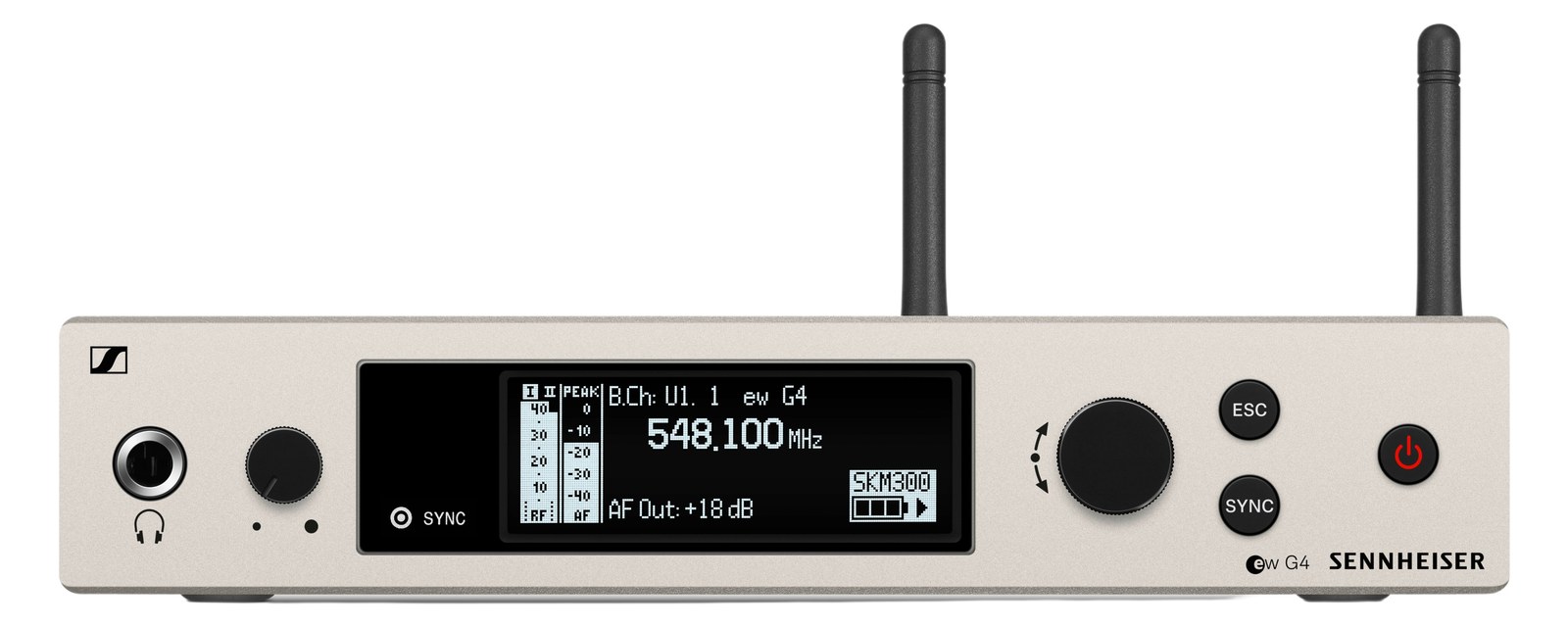
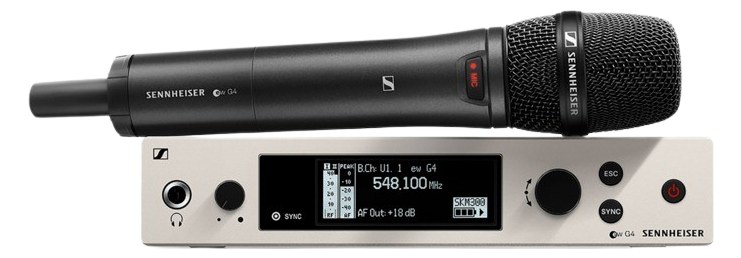
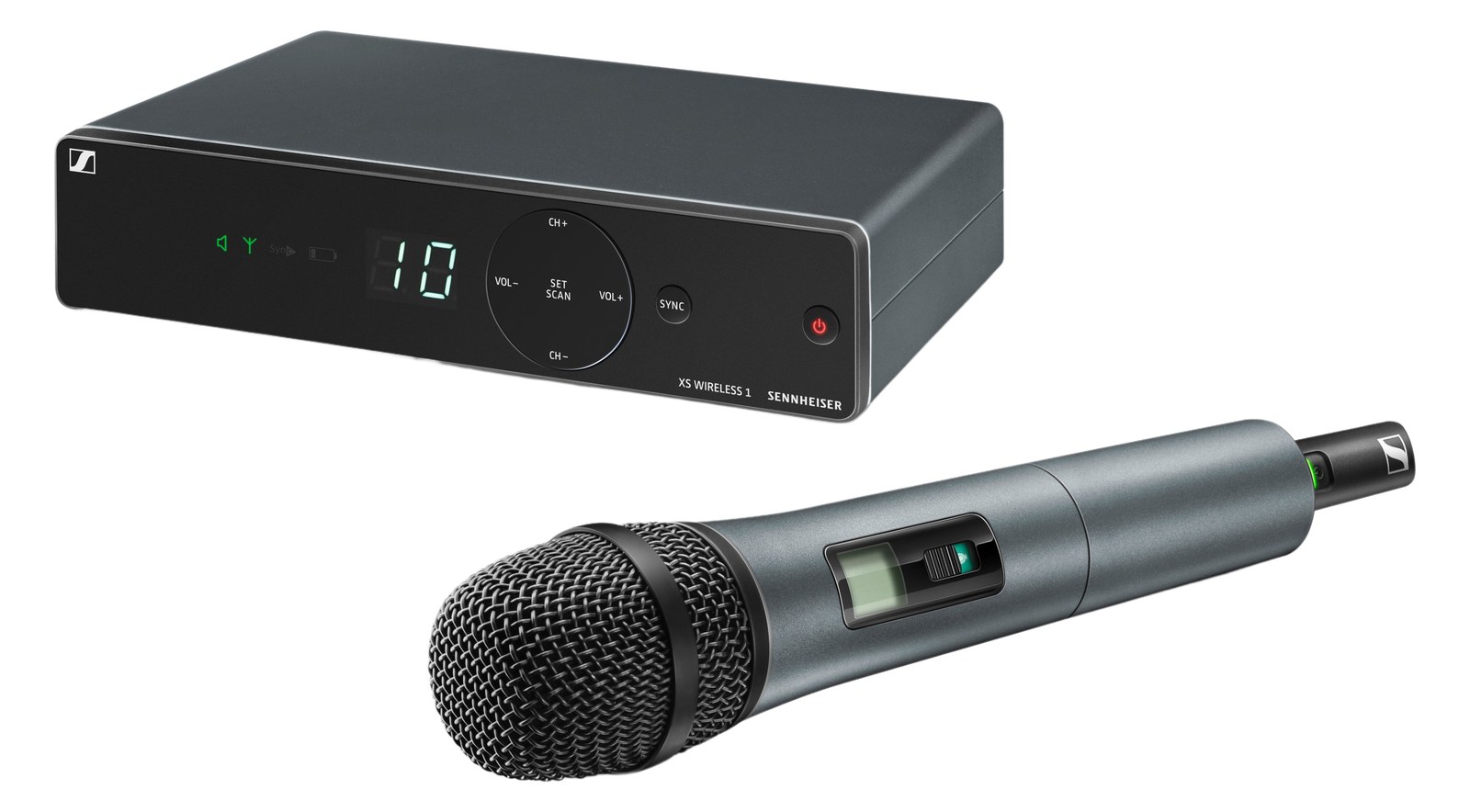
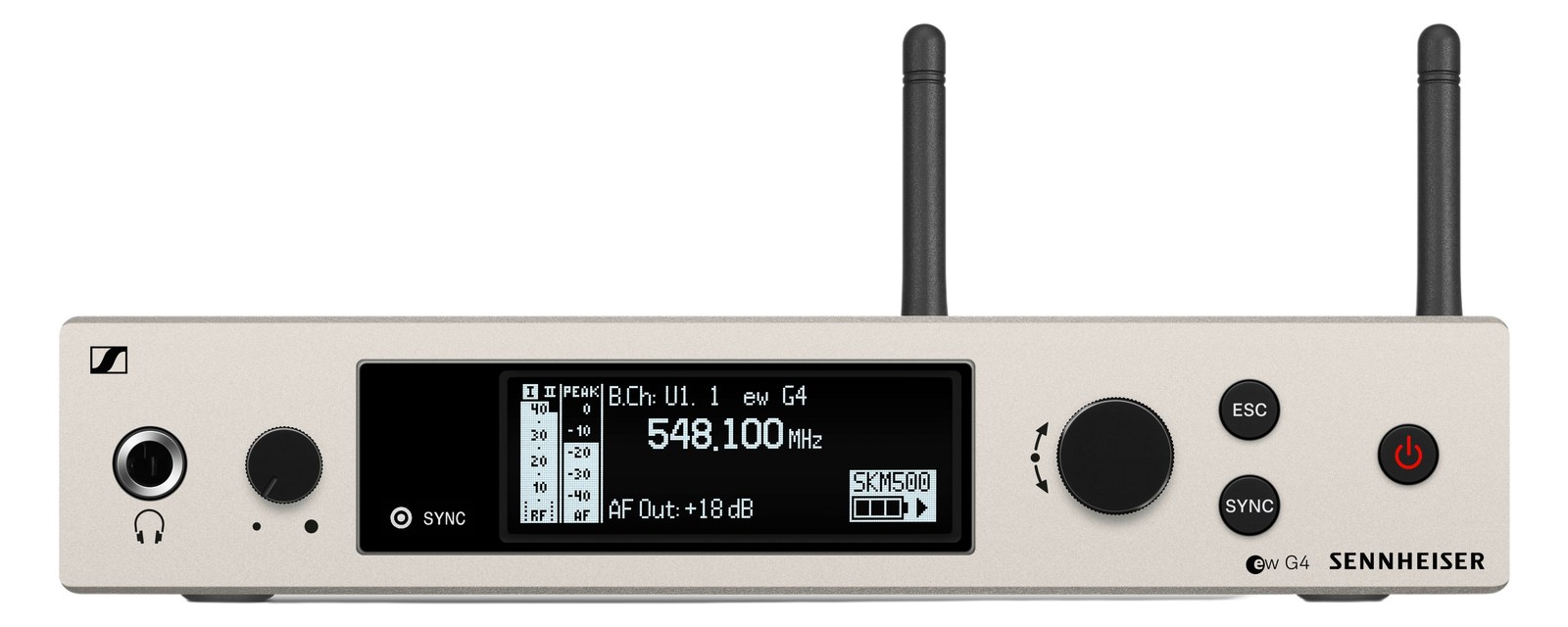
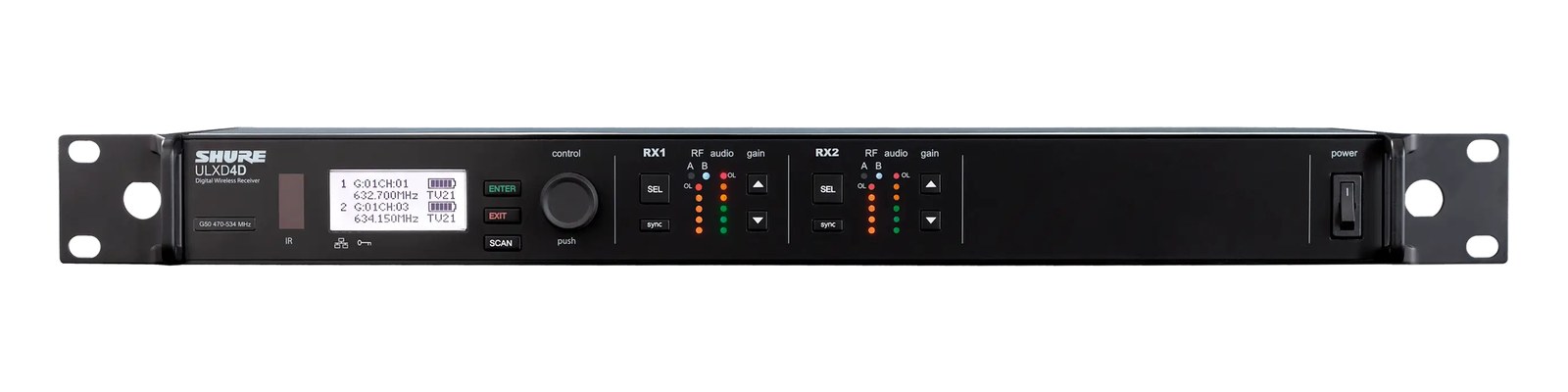
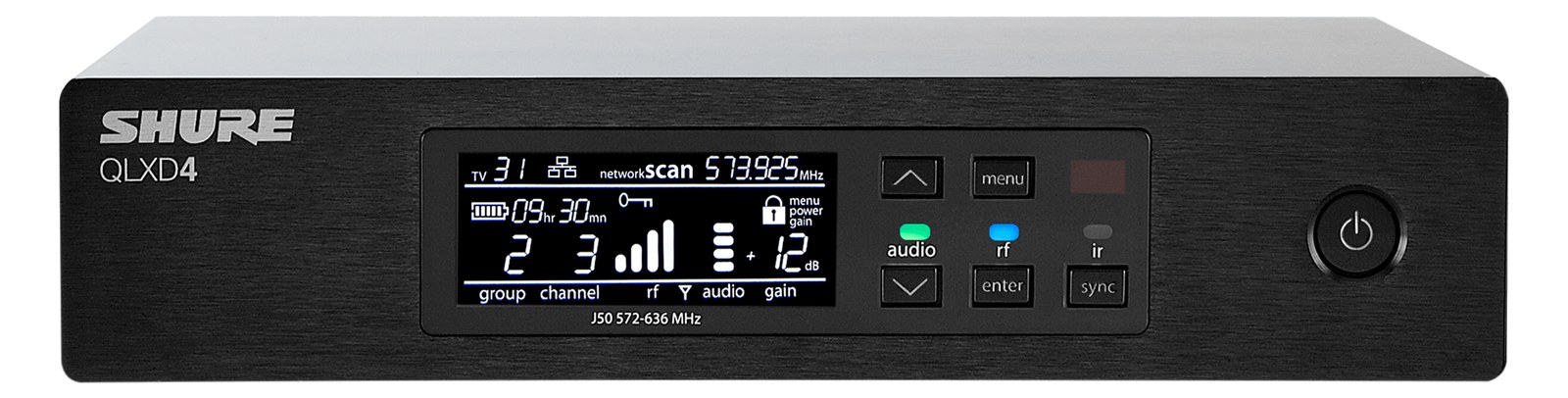
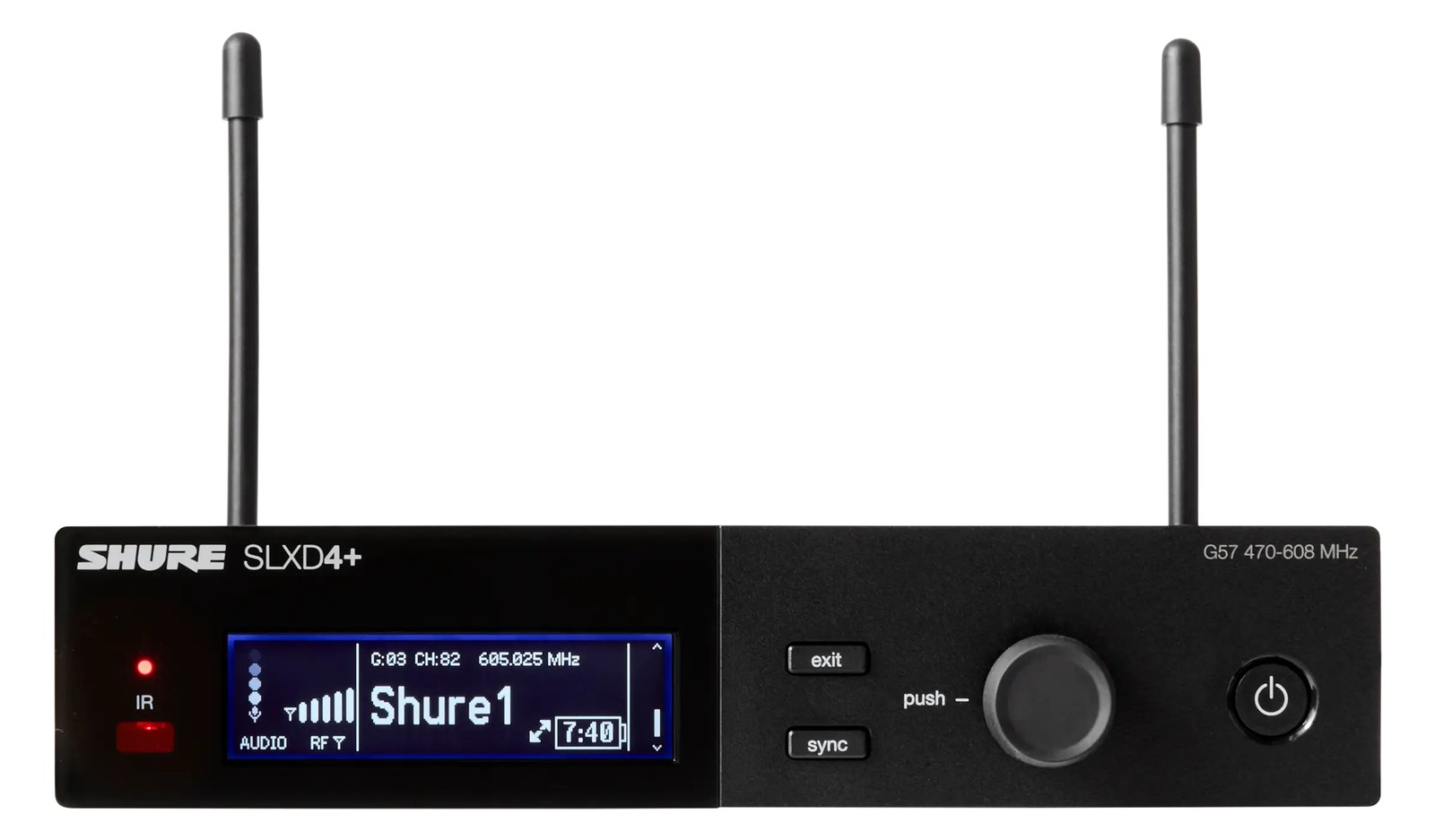
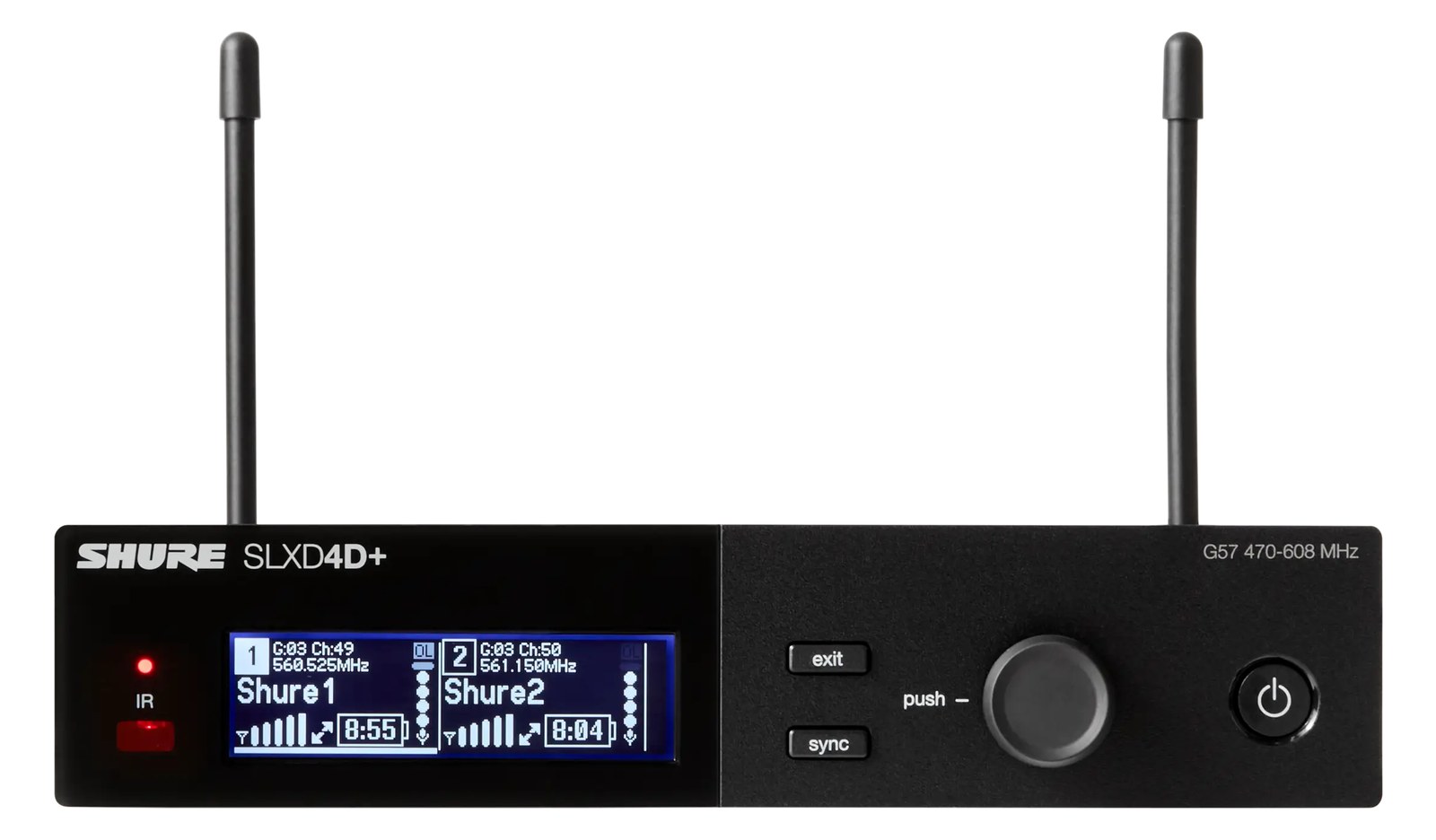
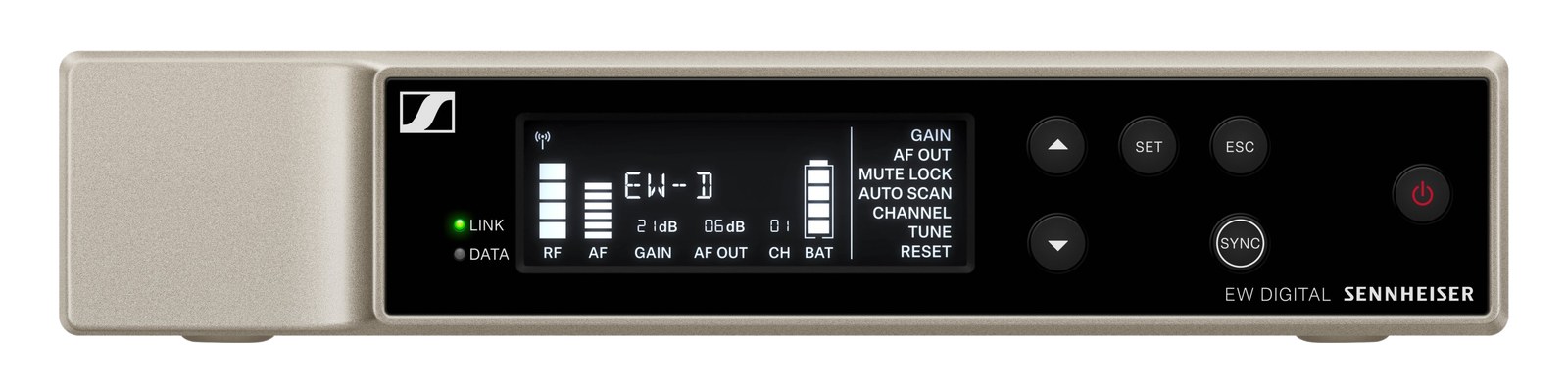
Manufacturer product photography — the drawn faceplate above stays true to panel layout; these show the hardware itself.
About the Sennheiser EW-D EM
The EW-D EM is Sennheiser's digital wireless rack receiver, paired with EW-D handheld or bodypack transmitters. The all-digital signal path delivers low-latencyThe delay between sound entering and leaving a digital system. IEM rigs fight to keep the whole chain down to a few milliseconds., low-noise wireless without the compandingCOMpressing-exPANDing: analog wireless squeezes audio’s dynamics to fit the radio link, then mirrors them back out. Done badly, it breathes. artifacts of analog systems. A solid choice for musicians moving up from the analog G4 line.
The EW-D EM is Sennheiser's digital IEMIn-Ear Monitor — earpieces that replace floor wedges, feeding each player their own mix. The reason this whole rack exists. bodypack receiver — the piece that clips to the performer's belt and closes the loop between your mix and their ears. It pairs with the EW-D SK transmitter body in Sennheiser's EW-D series, running a fully digital signal path that sidesteps the compandingCOMpressing-exPANDing: analog wireless squeezes audio’s dynamics to fit the radio link, then mirrors them back out. Done badly, it breathes. artifacts you've probably heard on older analog systems: that slight pumping, that compressed-feeling top end. For a musician who's been tolerating a G4 IEM and wondering why their mix sounds slightly wrong even when the send is right, this is the corrective step.
The bodypack weighs just 130 grams, which matters the moment a performer starts moving — a heavy pack on a thin belt kills compliance fast. Power draw is zero from your rack, since the receiver runs on its own batteries at the performer's body, so you're not budgeting it against your distroOne pair of antennas feeding many receivers through an amplified splitter — replaces the forest of whips and keeps RF levels consistent. at all. The single output is a 3.5mm TRSTip-Ring-Sleeve — a 1/4″ jack with three contacts carrying a balanced signal or a stereo pair. A guitar plug with one extra ring. headphone jack, standard for IEMIn-Ear Monitor — earpieces that replace floor wedges, feeding each player their own mix. The reason this whole rack exists. bodypacks, so any stereo IEM with the common MMCX or two-pin connector and a 3.5mm cable will terminate here cleanly. It occupies half a rack unitThe standard slice of rack height: 1U = 1.75″. A 3U box takes three slices; half-rack gear pairs two units side by side in one., meaning you'll need a half-rack shelf or a companion unit to fill the 1U slot.
This receiver is the right call for a touring musician or a mid-size production moving deliberately out of analog wireless monitoring — the digital path genuinely earns the upgrade, and the price sits at a reasonable entry point for that conversation. It's not the move if you're running a large multi-channel IEMIn-Ear Monitor — earpieces that replace floor wedges, feeding each player their own mix. The reason this whole rack exists. rig and need channel density; you'll want to look at rack-mounted multichannel solutions for that. And if your transmitter side is still G4, the EW-D EM won't pair with it — the EW-D system is its own ecosystem, so commit to the transmitter side at the same time.
In the rack
- Budget a half-rackThe standard slice of rack height: 1U = 1.75″. A 3U box takes three slices; half-rack gear pairs two units side by side in one. shelf or pair this with a second half-rack unit — running it loose in a 1U gap with a shelf bracket is cleaner than leaving it floating and risking connector stress on the 3.5mm output.
- Label the receiver's frequency and channel at the pack itself with a small P-touch strip, not just in your system notes — at changeover, the performer or a runner grabbing the wrong pack is a real scenario.
- At load-in, verify the digital pairing with the SK transmitter before line checkThe quick pre-show pass confirming every input reaches the console, one line at a time. Not a soundcheck — just does it work., not during it — EW-D linking is straightforward but catching a pairing miss costs you a check slot if you find it late.
- Carry a spare 3.5mm TRSTip-Ring-Sleeve — a 1/4″ jack with three contacts carrying a balanced signal or a stereo pair. A guitar plug with one extra ring. IEMIn-Ear Monitor — earpieces that replace floor wedges, feeding each player their own mix. The reason this whole rack exists. cable in the receiver pouch; the jack is the highest-wear point on the whole chain and a cable failure reads as a system failure until you eliminate it.
EW-D EM half-rackThe standard slice of rack height: 1U = 1.75″. A 3U box takes three slices; half-rack gear pairs two units side by side in one. true-diversityA receiver with two antennas and two radio sections that continuously picks the stronger one — the difference between a dropout and a show. rack receiver (Evolution Wireless Digital).
I/O Ports (6)
| Port | Connector | Direction | Signal | Channels |
|---|---|---|---|---|
| Headphone Out (retired — no such jack) | TRS EIGHTH | output | analog audio | — |
| AF Out (XLR) | XLR MALE | output | analog audio | — |
| AF Out Bal/Unbal (6.3mm) | TRS QUARTER | output | analog audio | — |
| ANT 1 RF In | BNC | input | antenna | — |
| ANT 2 RF In | BNC | input | antenna | — |
- DC In (12V) (DC BARREL)
Deciding between two?
Rack space, watts, weight and every connector, side by side.
Related gear


Related articles
Guides from our library that cover planning around wireless mic gear.
Why sealed IEMs make you feel disconnected from the room — and exactly how to put the audience back into your mix with one or two well-placed mics.
Why your wireless mics and IEMs need a frequency plan, what intermodulation means in practice, and how to coordinate channels for a clean show.
When you need a combiner vs a distro, active vs passive, cable choice and length math, and how to scale a 4-pack rig into an 8 or 12-pack without intermod nightmares.