
Sennheiser EW 300 G4-865-S Wireless Mic
Sennheiser·Model EW 300 G4-865-S·sennheiser-ew300-g4-865s
Photos
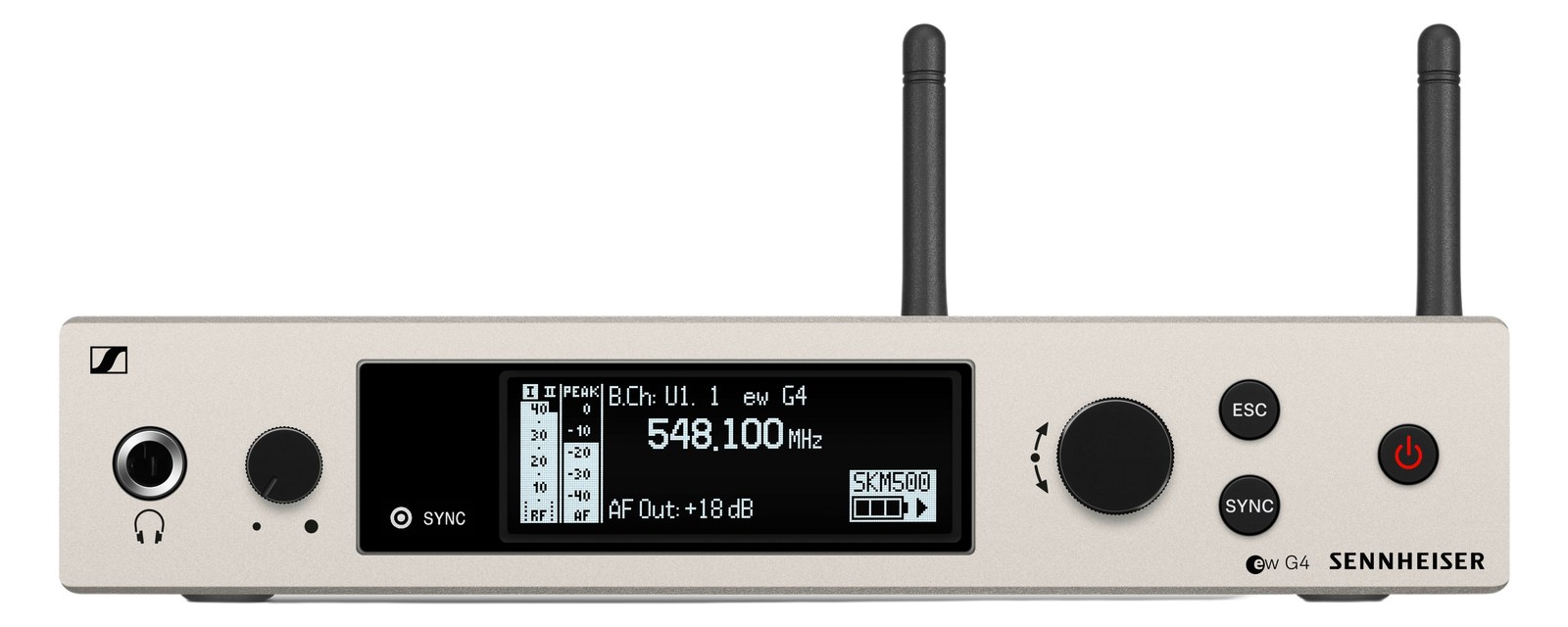
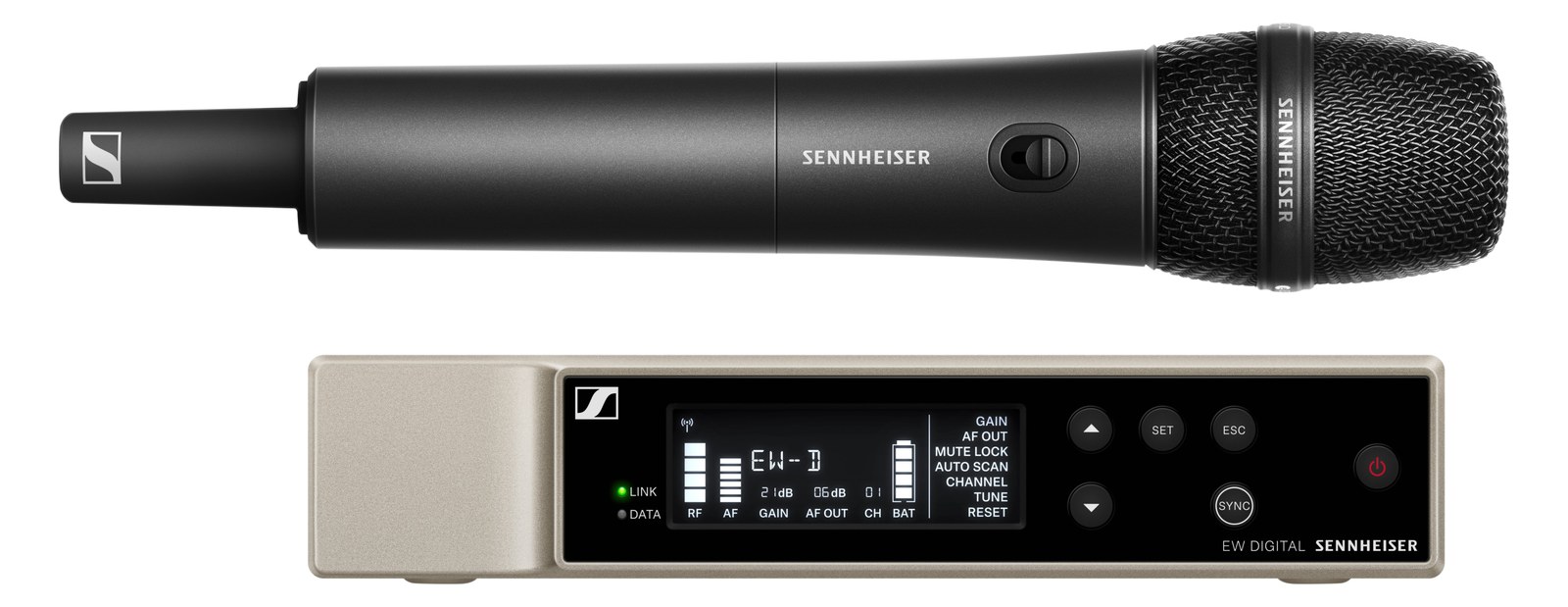
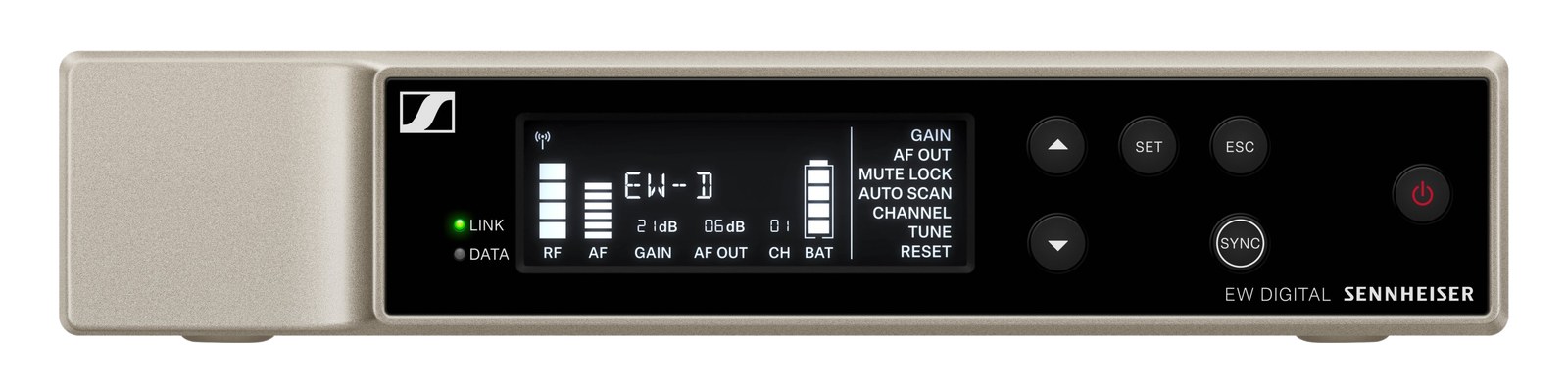
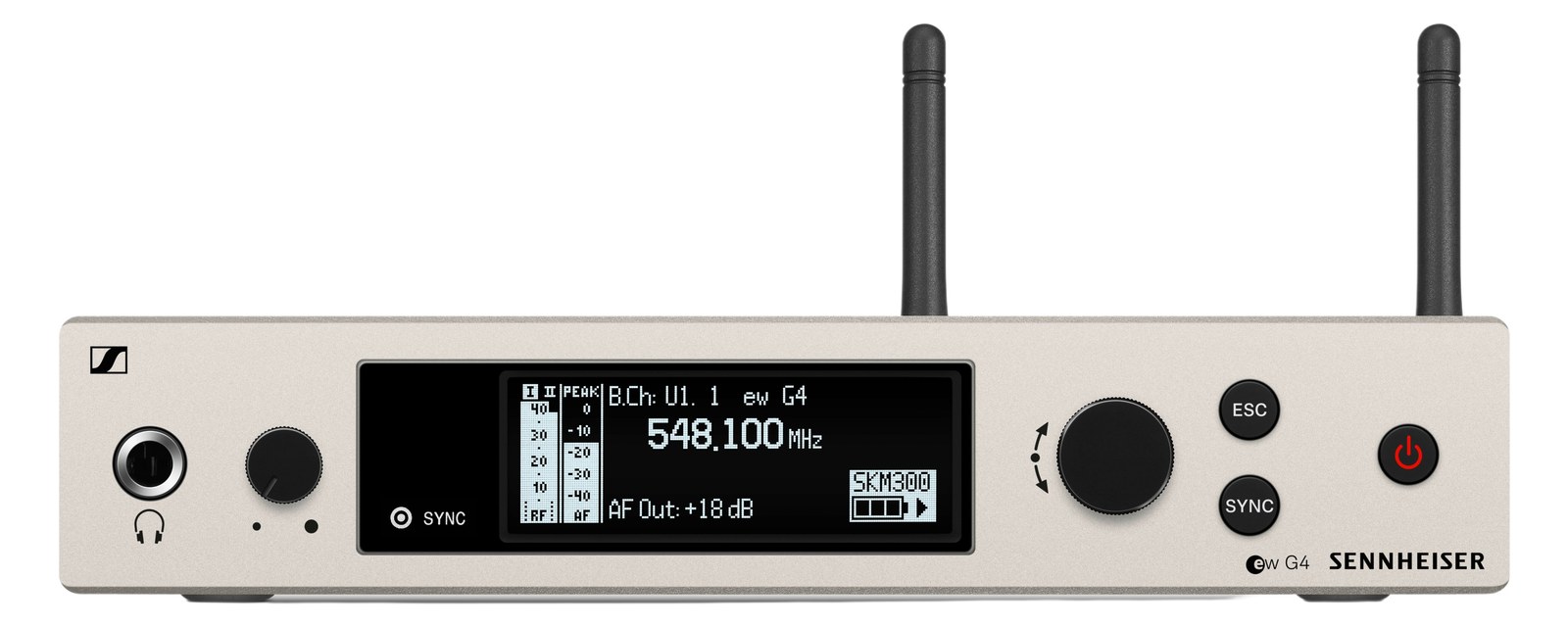
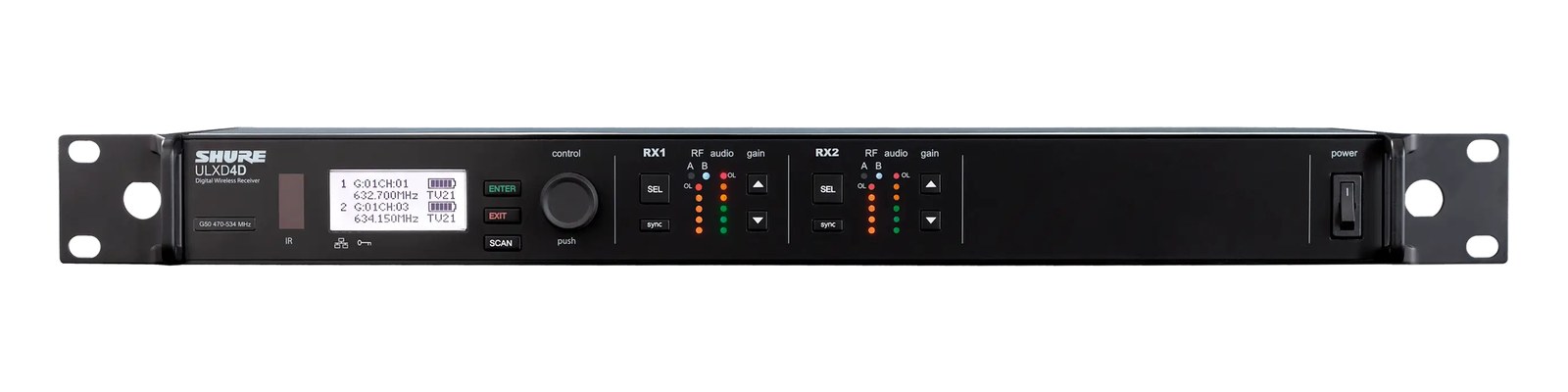
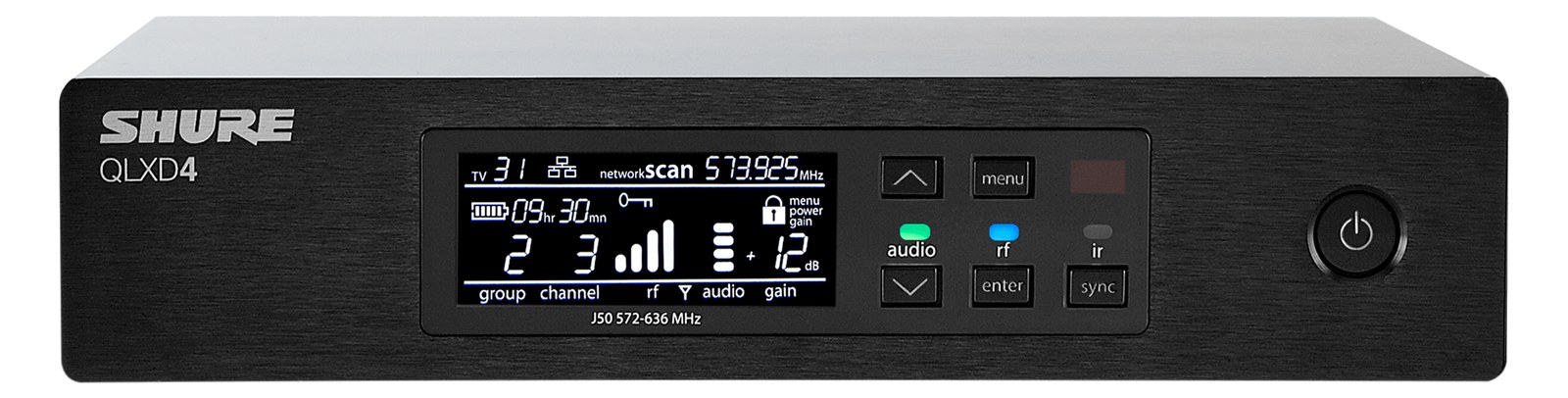
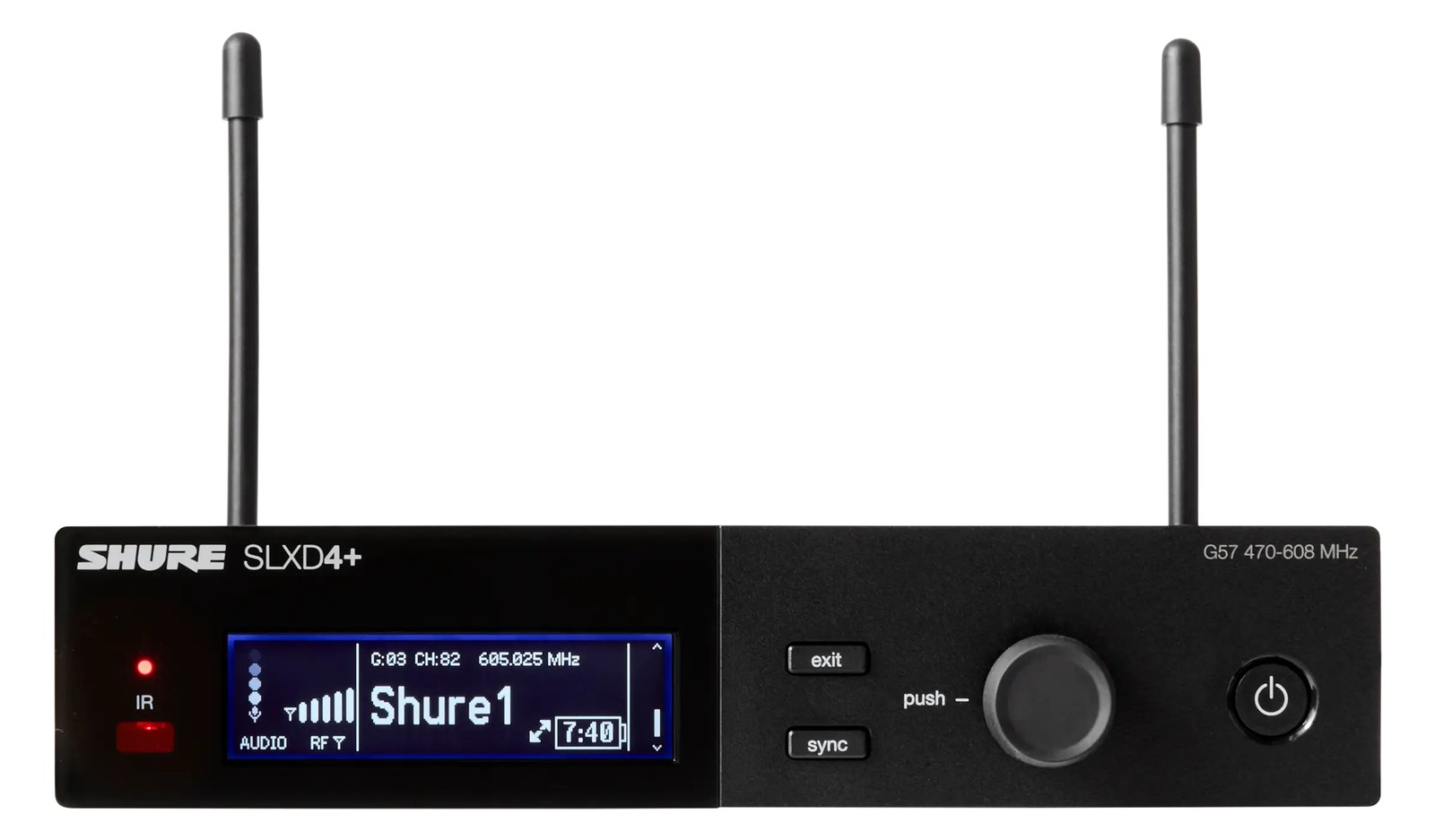
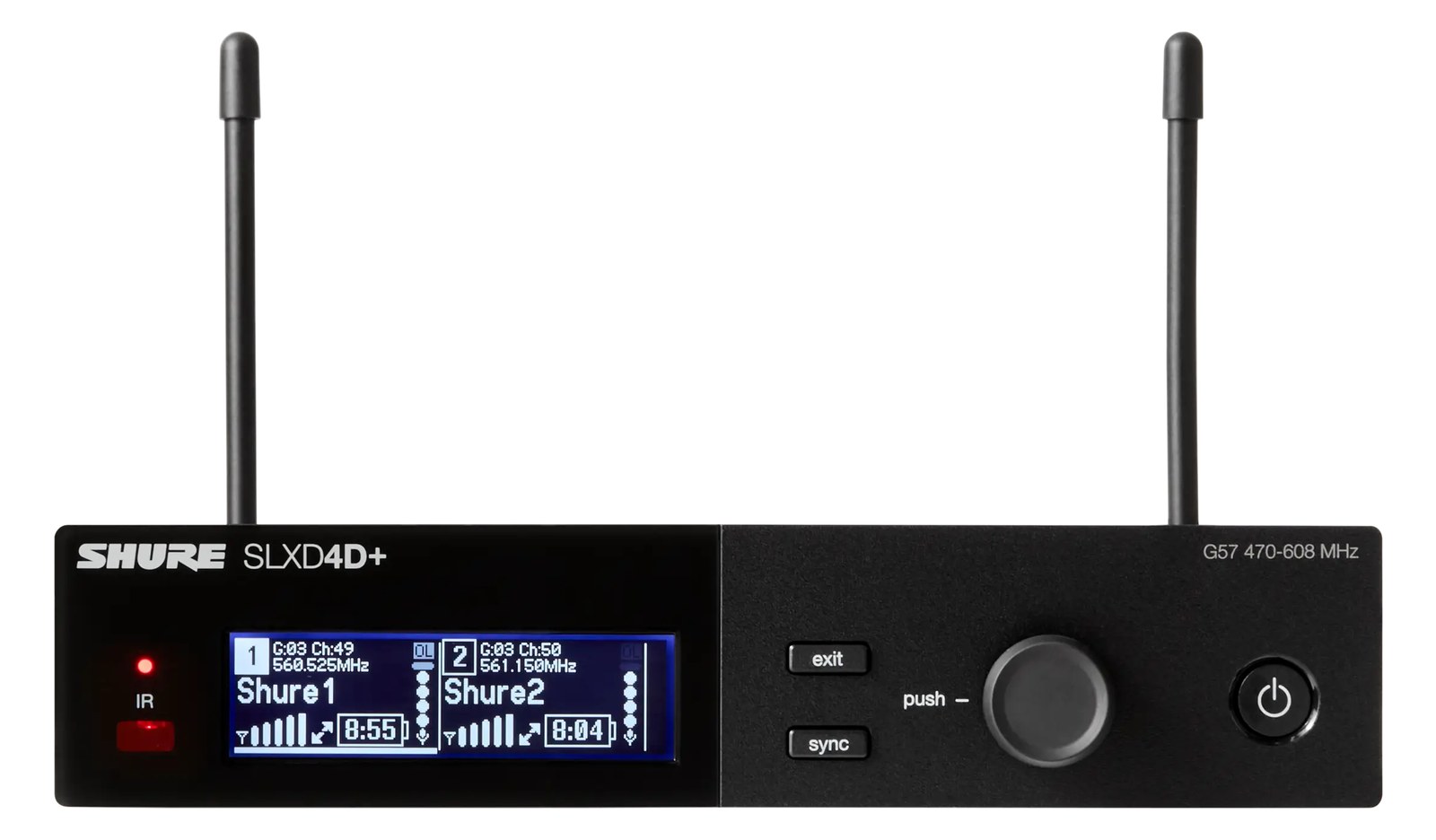
Manufacturer product photography — the drawn faceplate above stays true to panel layout; these show the hardware itself.
About the Sennheiser EW 300 G4-865-S
The EW 300 G4-865-S pairs a condenser capsule handheld transmitter with the G4 receiver platform, delivering the brighter and more detailed sound of a condenser microphone in a wireless package. Condenser capsules excel at capturing vocal clarity and presence, making this system well-suited for vocalists who want a more studio-like sound on stage. The G4 platform provides reliable UHFThe TV-band radio range (roughly 470–608 MHz in the US) where serious wireless mics and IEMs live — better behaved than crowded 2.4 GHz. performance with straightforward setup.
The EW 300 G4-865-S is Sennheiser's mid-tier answer to the vocalist who wants condenser clarity without a cable tethering them to the stage. The 865-S transmitter carries a supercardioid condenser capsule — not the more common dynamic you'll find in the entry-level G4 systems — so the receiver is only half the story here. In the rack it occupies half a 1UThe standard slice of rack height: 1U = 1.75″. A 3U box takes three slices; half-rack gear pairs two units side by side in one. slot, which means you're pairing it with a second half-rack unit or using a tray. It outputs on both XLRThe standard 3-pin locking connector for mics and balanced line signals — pin 1 is the shield, pins 2 and 3 carry the balanced pair. and quarter-inch, hands the RFRadio Frequency — the wireless part of wireless. RF planning is why big rigs scan, coordinate, and combine antennas instead of hoping. in through two BNCThe twist-lock coax connector used for word clock and antenna runs — it locks, so it can’t be pulled out mid-show. antenna inputs, and draws a modest 6–8 watts.
That condenser capsule has real consequences at show time. You'll get more high-frequency detail and air than a dynamic-based wireless system, which is a genuine asset for singers with developed technique — but it also means the capsule is less forgiving of sloppy mic handling, proximity abuse, or loud stage washes bleeding into an open mic. Antenna placement matters the same as any UHFThe TV-band radio range (roughly 470–608 MHz in the US) where serious wireless mics and IEMs live — better behaved than crowded 2.4 GHz. system; the two BNCThe twist-lock coax connector used for word clock and antenna runs — it locks, so it can’t be pulled out mid-show. inputs let you run external antennas or a proper antenna distroOne pair of antennas feeding many receivers through an amplified splitter — replaces the forest of whips and keeps RF levels consistent. when coverage is critical. The G4 platform's front-panel display and locking menu are road-proven and fast to navigate at a dark stage-left position.
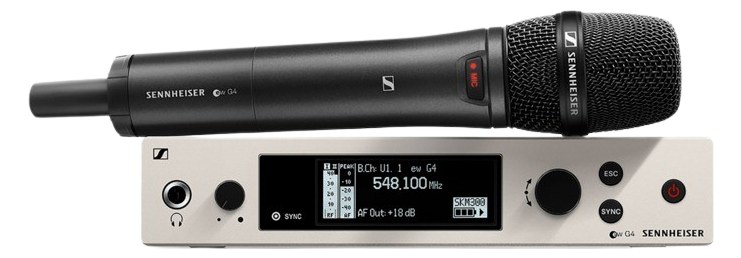
This system earns its place in a vocal-forward monitor or FOHFront Of House — the main mix the audience hears, and the console position out in the room where it gets mixed. rig where the singer's articulation and upper-register presence need to translate without aggressive EQ compensation. If your vocalist is a heavy-handed handler, plays loud stages, or the budget needs to stretch across four channels, the dynamic-capsule G4 systems or a competing mid-range option may serve better — the condenser's sensitivity is a feature until the stage environment makes it a liability. For a lead vocalist in a controlled environment, though, the 865-S capsule delivers a noticeably more open sound than what most wireless rigs carry.
In the rack
- Because it's half-rackThe standard slice of rack height: 1U = 1.75″. A 3U box takes three slices; half-rack gear pairs two units side by side in one., plan your rack panel before load-in — a Sennheiser GA 3 rack tray or a matched half-rack partner avoids a loose, rattling slot that will annoy you by the third show.
- Run external antennas on the BNCThe twist-lock coax connector used for word clock and antenna runs — it locks, so it can’t be pulled out mid-show. inputs any time the receiver will be more than 10–15 meters from the performance area or obstructed by a metal rack lid; the built-in antennas are fine for short throws but the BNC inputs exist for a reason.
- Pad the gainHow much the preamp amplifies the incoming signal. Too low and you’re hunting through hiss; too high and peaks clip. structure at the receiver before you hand the mic to a vocalist for soundcheck — condenser capsules hit hotter than dynamics, and arriving at the preampThe gain stage that lifts a mic’s tiny signal up to line level — the first thing a signal hits, and a big part of how a console sounds. with too much level is a fast way to waste a line checkThe quick pre-show pass confirming every input reaches the console, one line at a time. Not a soundcheck — just does it work..
- If you're running multiple G4 systems, use Sennheiser's Wireless Systems Manager software to pre-coordinate frequencies before the show and push them to the receivers rather than hunting on the front panel during a busy load-in.
Evolution Wireless G4 condenser handheld mic system receiver.
I/O Ports (6)
| Port | Connector | Direction | Signal | Channels |
|---|---|---|---|---|
| XLR Out | XLR MALE | output | analog audio | — |
| 1/4" Out | TRS QUARTER | output | analog audio | — |
| Antenna A | BNC | input | antenna | — |
| Antenna B | BNC | input | antenna | — |
| Ethernet (RJ-45) | RJ45 | bidirectional | data | — |
- DC In (12V) (DC BARREL)
Deciding between two?
Rack space, watts, weight and every connector, side by side.
Related gear


Related articles
Guides from our library that cover planning around wireless mic gear.
Why sealed IEMs make you feel disconnected from the room — and exactly how to put the audience back into your mix with one or two well-placed mics.
Why your wireless mics and IEMs need a frequency plan, what intermodulation means in practice, and how to coordinate channels for a clean show.
When you need a combiner vs a distro, active vs passive, cable choice and length math, and how to scale a 4-pack rig into an 8 or 12-pack without intermod nightmares.