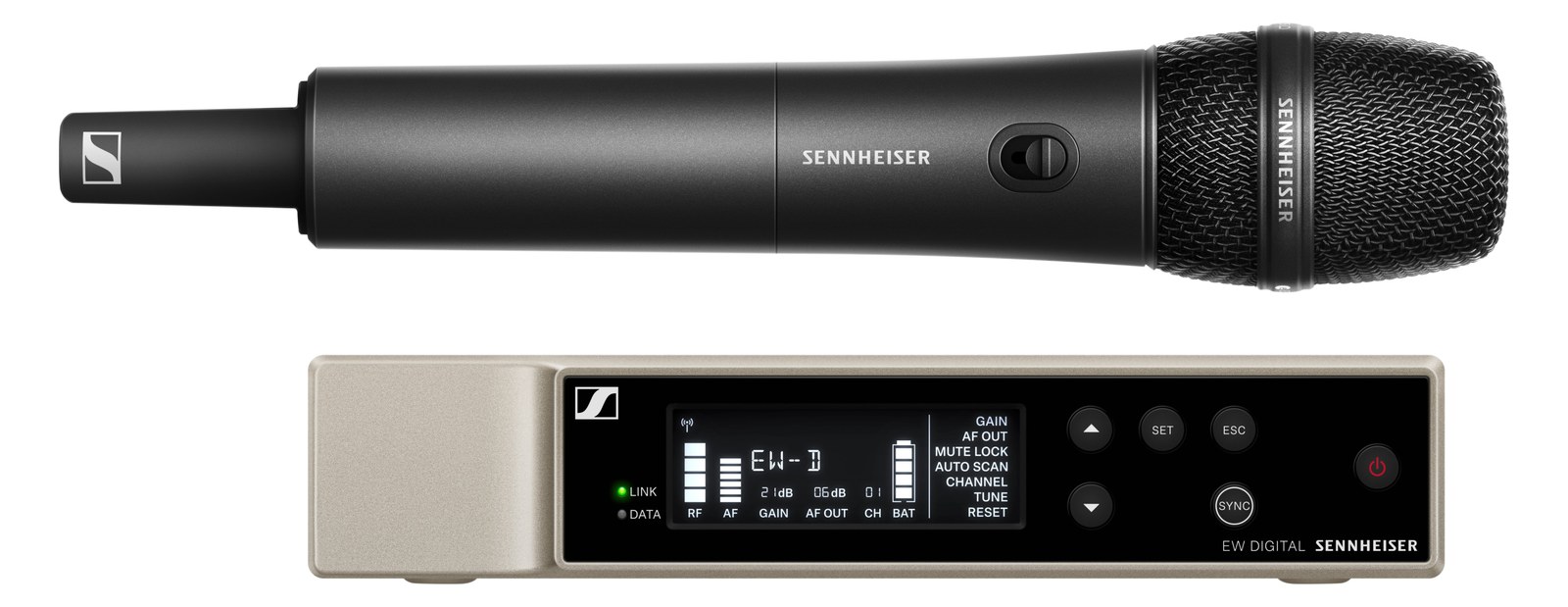
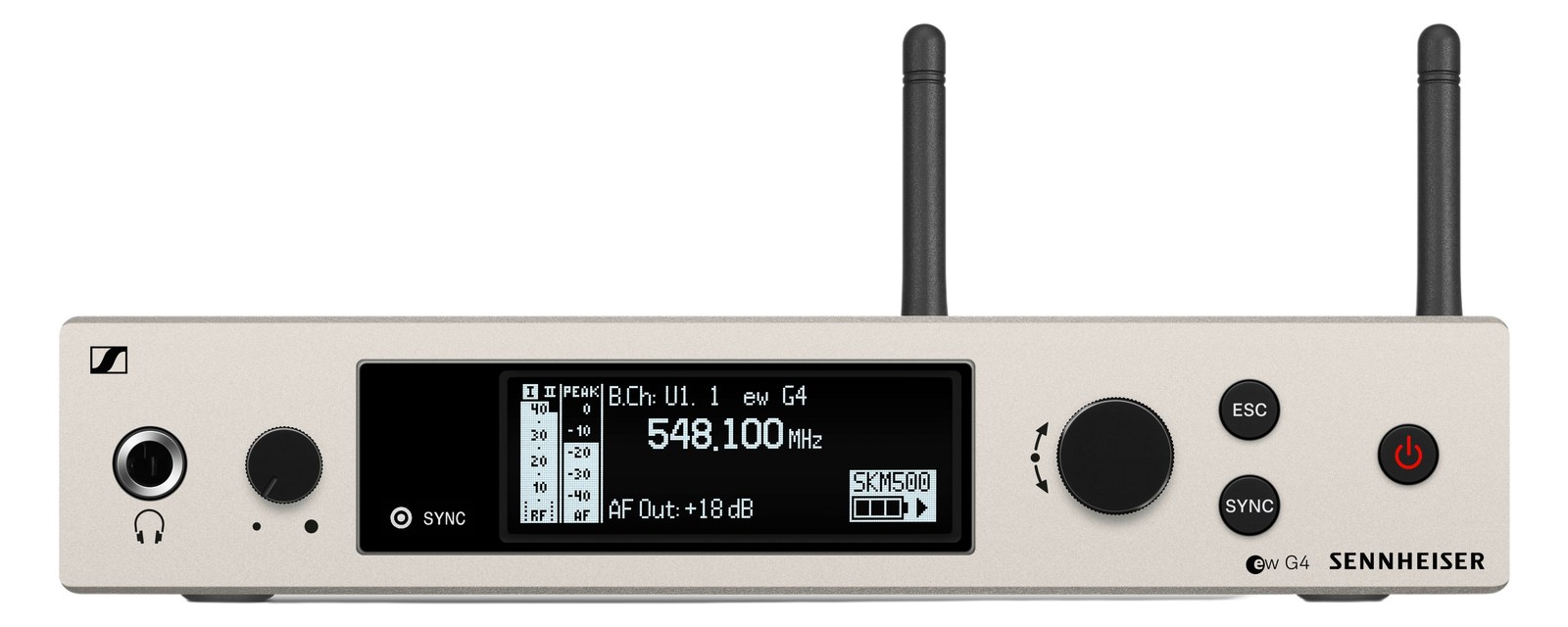
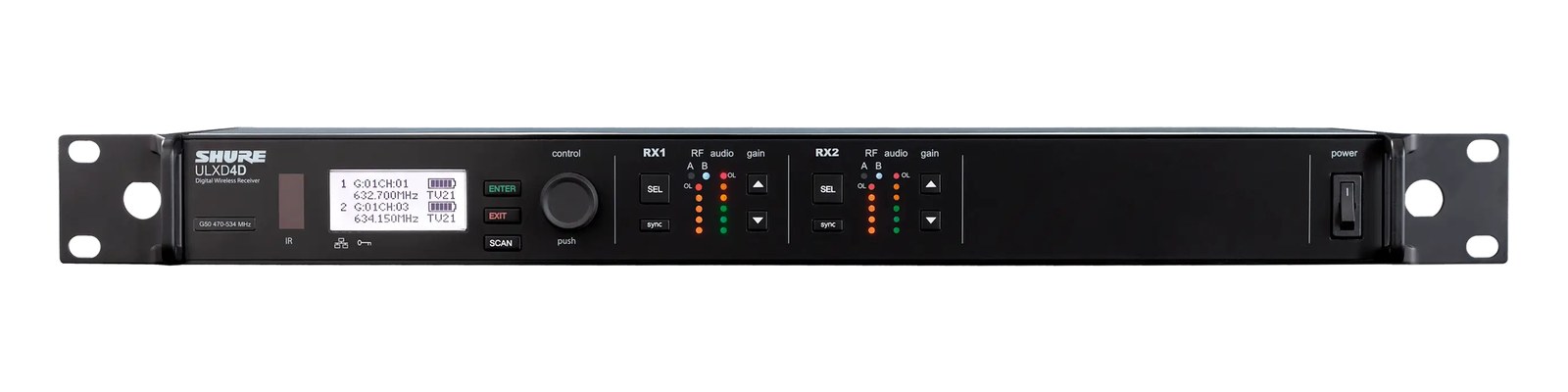
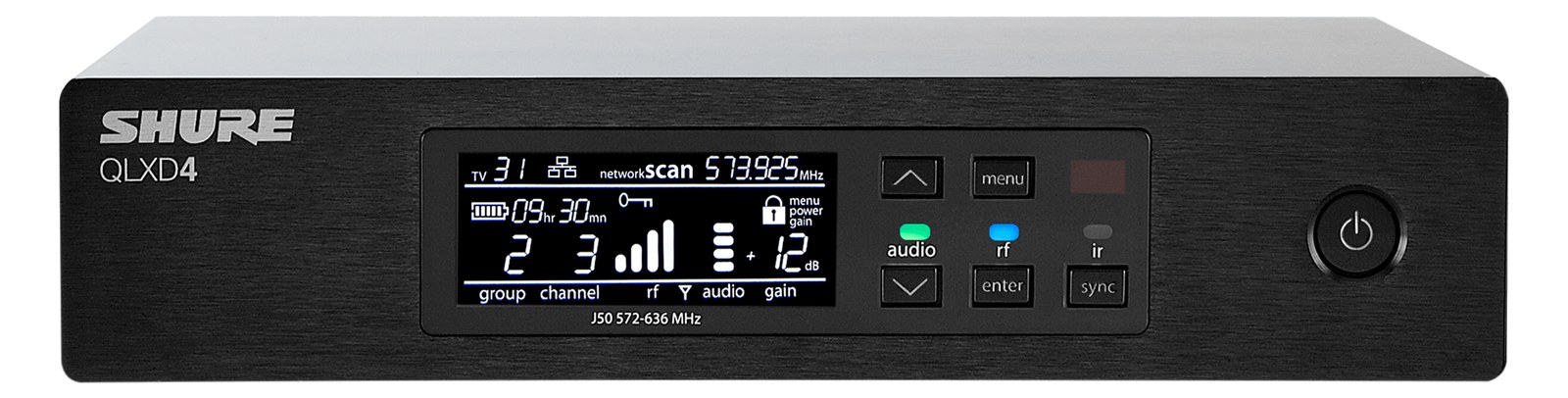
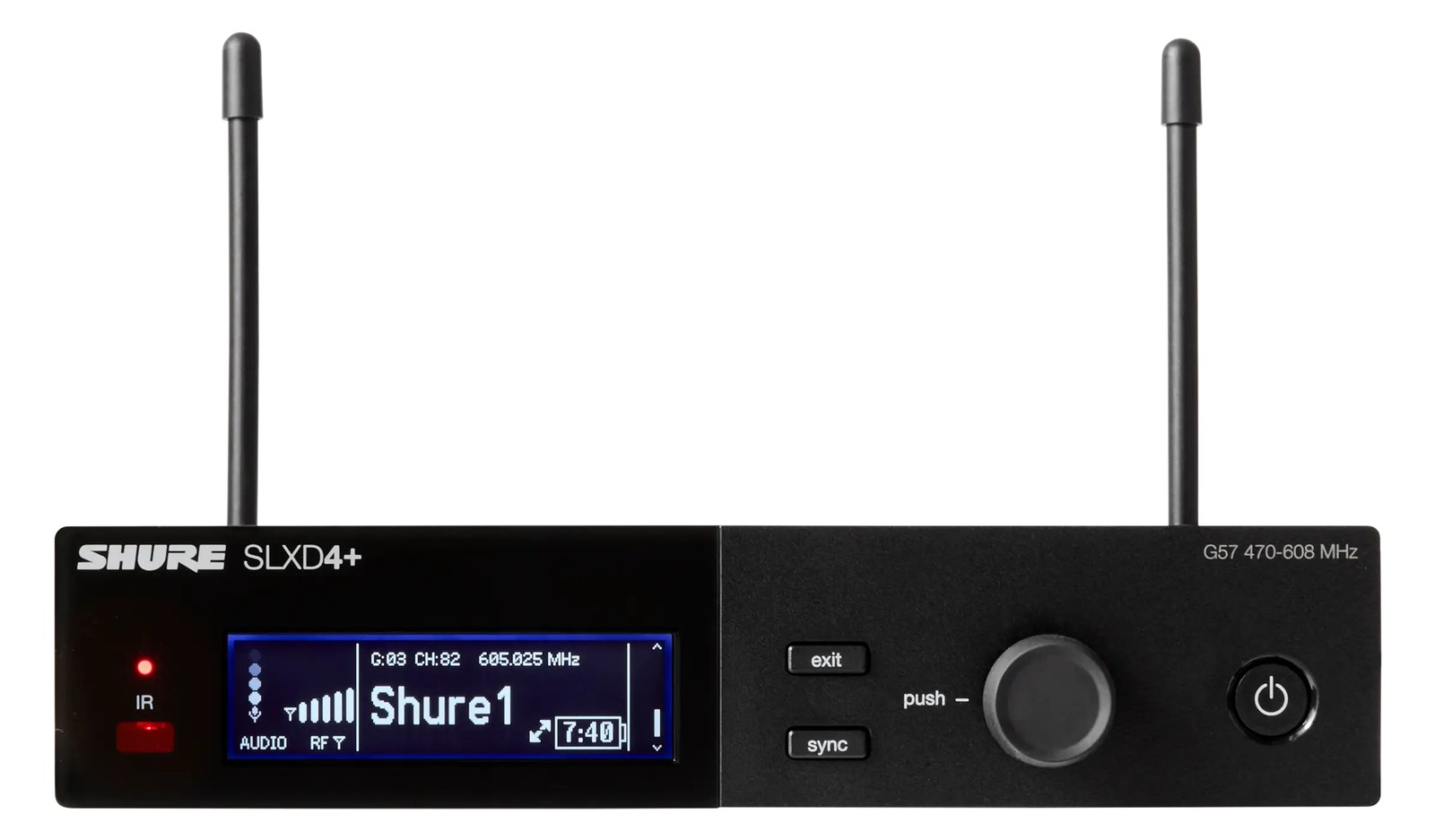
The Sennheiser EW-D 835-S brings digital wireless clarity to the handheld mic world at an accessible price, with ultra-low 1.9ms latency that is essentially imperceptible during live performance. The digital transmission delivers clean, artifact-free audio that sounds notably better than analog wireless at this price point. It is an excellent upgrade path for users moving from older analog wireless systems to modern digital platforms.
~$549Use retailer rows for current price and stock
01 · What it does—and what that changes in your rig.
Product overview
Start with the payoff, then work through how it functions, where it fits, and the details that change a real build.
The payoff
Wireless Mic decisions, organized around the whole rig.
The EW-D 835-S is Sennheiser's entry point into their EW-D digital wireless platform, pairing a half-rackThe standard slice of rack height: 1U = 1.75″. A 3U box takes three slices; half-rack gear pairs two units side by side in one. receiver with an 835-S handheld transmitter carrying the familiar dynamic capsule that engineers already trust on wired stages. It lives in the wireless mic category but pulls double duty as an upgrade path — if you're running older analog UHFThe TV-band radio range (roughly 470–608 MHz in the US) where serious wireless mics and IEMs live — better behaved than crowded 2.4 GHz. systems and dealing with intermodIntermodulation — ghost frequencies created when transmitters mix in each other’s electronics. Why multi-channel wireless is calculated, not guessed. headaches or FM radio encroachment, this is the kind of swap you make and don't look back from. At $549 for the system, it sits in a competitive bracket where digital wireless has become genuinely viable rather than a premium luxury.
Documented outputs
22 destination connections
Documented inputs
3Based on documented inputs
Rack space
1U · half-rackBuilder checks available rail space
Sennheiser product panel1U · half-rack · 5W
Function
How it works in the path
The 1.9ms latencyThe delay between sound entering and leaving a digital system. IEM rigs fight to keep the whole chain down to a few milliseconds. figure is the spec that matters most in a monitor rig context — anything under 5ms is effectively transparent to a performer, and this clears that bar with room to spare, even when you're stacking it with the latency of a digital console or IEMIn-Ear Monitor — earpieces that replace floor wedges, feeding each player their own mix. The reason this whole rack exists. transmitter. The receiver draws a maximum of 7 watts and occupies half a rack unitThe standard slice of rack height: 1U = 1.75″. A 3U box takes three slices; half-rack gear pairs two units side by side in one., which means you can pair two receivers on a single 1U shelf with a half-rack blank or a second system. Both XLRThe standard 3-pin locking connector for mics and balanced line signals — pin 1 is the shield, pins 2 and 3 carry the balanced pair. and quarter-inch outputs are present, giving you flexibility for going directly into a stage boxThe I/O endpoint on stage: mics plug in there and one digital line (AES50, Dante) carries everything to the console. The snake, digitized. or a local DIDirect Injection box — converts an instrument’s unbalanced signal to a balanced mic-level XLR so it can run long cables without noise. input in a pinch. The dual BNCThe twist-lock coax connector used for word clock and antenna runs — it locks, so it can’t be pulled out mid-show. antenna inputs support standard passive or active antenna distributionOne pair of antennas feeding many receivers through an amplified splitter — replaces the forest of whips and keeps RF levels consistent. systems, so it integrates cleanly into any existing antenna infrastructure.
Best fit
Where it earns its place in the rack
This system makes the most sense for a small-to-mid touring or regional theatre rig where you want digital reliability without committing to a full high-channel-count wireless platform. It's a strong choice for a worship house that runs one or two handhelds and wants to get off aging analog gear without a four-figure investment per channel. Where it isn't the right call: if you're managing eight or more channels and need deep RF coordinationCalculating a set of wireless frequencies that won’t interfere with each other or local TV — the homework behind a clean RF night. tools, scalable danteThe most common audio-over-network standard: dozens of channels of uncompressed digital audio down one ordinary Ethernet cable between Dante boxes. networking, or a shared antenna system already built around a different ecosystem, you'll want to look at more integrated multi-channel platforms. This is a channel-at-a-time solution, and it's honest about that.
In the rack
Details worth deciding before load-in.
Mount two EW-D receivers side by side on a half-rackThe standard slice of rack height: 1U = 1.75″. A 3U box takes three slices; half-rack gear pairs two units side by side in one. shelf to keep wireless channels consolidated — label each bay clearly with performer name, not just channel number, so a sub or PA tech can troubleshoot without you.
Run the antenna outputs to a BNCThe twist-lock coax connector used for word clock and antenna runs — it locks, so it can’t be pulled out mid-show. distribution system rather than connecting antennas directly to the receiver when it's racked deep — 200mm of depth plus cable bend radius can put the rear of the unit against the rack wall, and remote antennas solve that cleanly.
Use the XLRThe standard 3-pin locking connector for mics and balanced line signals — pin 1 is the shield, pins 2 and 3 carry the balanced pair. output as your primary feed to the stage boxThe I/O endpoint on stage: mics plug in there and one digital line (AES50, Dante) carries everything to the console. The snake, digitized. and leave the quarter-inch output normalledA patch bay default path: the top jack feeds the bottom with nothing plugged in. Inserting a cable breaks (full) or taps (half) that path. to nothing; it's a useful emergency tap if you ever need to feed a nearby monitor amp directly, but keeping it unpatched avoids accidental ground loopsHum from gear seeing two ground paths at slightly different voltage — the classic buzz when two racks share audio and power..
When adding this system to an existing analog wireless rig, do a full RFRadio Frequency — the wireless part of wireless. RF planning is why big rigs scan, coordinate, and combine antennas instead of hoping. scan with the EW-D before your first show — the digital system will show you interference you didn't know was there, and you may need to recoordinate your remaining analog channels around it.
02 · Know the whole path before you buy.
Signal path
Learn the route as a block diagram: source, product function, transport, and destination. Select any block to see what enters, what changes, and what leaves.
Interactive block diagramAuto-looping · hover, focus, or tap to hold a stage
Port-type signalProduct functionSystem boundary
Follow one signal from source to destination
Each block answers the same three questions: what arrives, what changes here, and what leaves.
01 · Source · selected
bnc + dc barrel
XLR male + ¼-inch TRS
01 · Source
3 documented inputs
bnc + dc barrel
Arrives as
3 documented inputs
Connector
bnc + dc barrel
Signal
antenna
03 · What this product asks of the rest of the system.
Compatibility
Treat connector names as the start of the check—not the answer. These are the boundaries that determine a complete working path.
Best fit · Wireless Mic
Use it when 1U · half-rack and 200 mm of depth fit the case.
Plan the companion path
Complete the path with upstream and downstream gear that matches connector, direction, signal type, protocol, and wiring standard.
Connector boundary
Documented connectors: XLR male, ¼-inch TRS, bnc, dc barrel. Match connector, direction, and signal type—not shape alone.
04 · Every connector, grouped by job.
I/O ports
Switch the product view and the documented port inventory updates with it—hardware and data stay side by side.
Every connector, grouped by job.
Switch panels to keep the hardware view and the documented port list in sync.
Front panelRear panel
All documented ports for Sennheiser EW-D 835-S Digital Wireless Mic
Port
Panel
Connector
Direction
Signal
Channels
XLR Out
rear
XLR male
output
analog audio
—
1/4" Out
rear
¼-inch TRS
output
analog audio
—
Antenna A
rear
bnc
input
antenna
—
Antenna B
rear
bnc
input
antenna
—
DC In (12V)
rear
dc barrel
input
power
—
Showing 5 of 5 documented physical ports.
05 · Compare the decision, not just the price.
Alternatives
The rows are organized around fit, power, I/O, and system role so a cheaper unit cannot hide a more expensive workflow.
EW-D 835-SThe Sennheiser EW-D 835-S brings digital wireless clarity to the handheld mic world at an accessible price, with ultra-low 1.9ms latency that is essentially imperceptible during live performance. The digital transmission delivers clean, artifact-free audio that sounds notably better than analog wireless at this price point. It is an excellent upgrade path for users moving from older analog wireless systems to modern digital platforms.View gear →
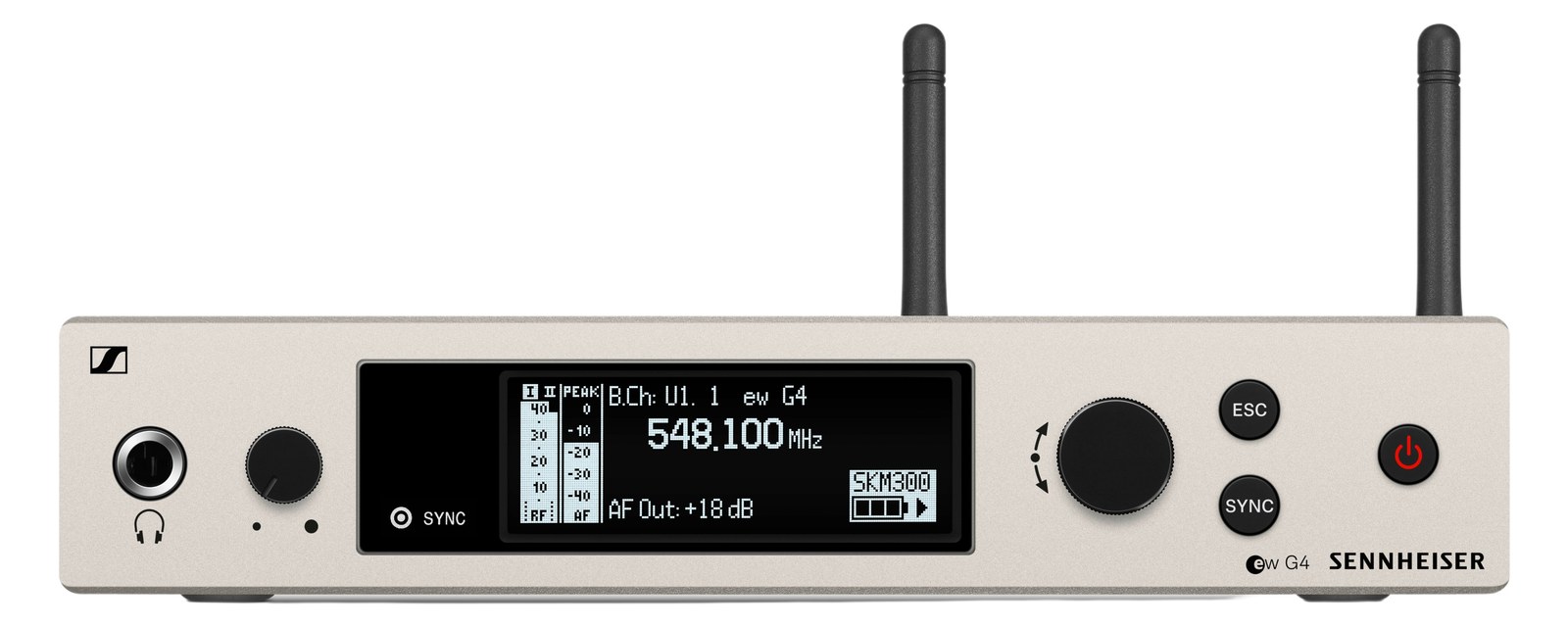
EM 300 G4The Sennheiser EM 300 G4 is the half-rack bodypack/handheld receiver in the Evolution Wireless G4 line — a single-channel receiver typically paired with an SKM 500 G4 handheld or SK 500 G4 bodypack for vocals and wireless instruments. One EM 300 G4 handles one vocalist or musician; chain several in a rack using BNC antenna distribution (RF Venue Distro4, Sennheiser ASA 1) to avoid forest-of-whips antennas sprouting from the rack front.View gear →
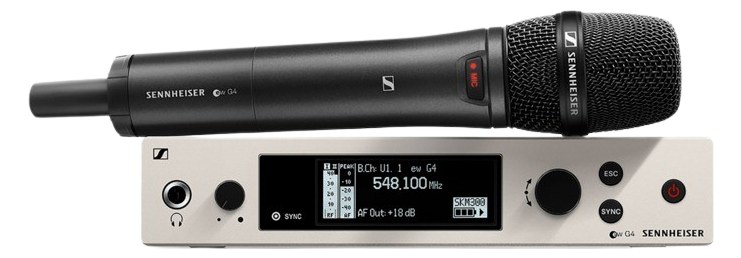
EW 300 G4-865-SThe EW 300 G4-865-S pairs a condenser capsule handheld transmitter with the G4 receiver platform, delivering the brighter and more detailed sound of a condenser microphone in a wireless package. Condenser capsules excel at capturing vocal clarity and presence, making this system well-suited for vocalists who want a more studio-like sound on stage. The G4 platform provides reliable UHF performance with straightforward setup.View gear →
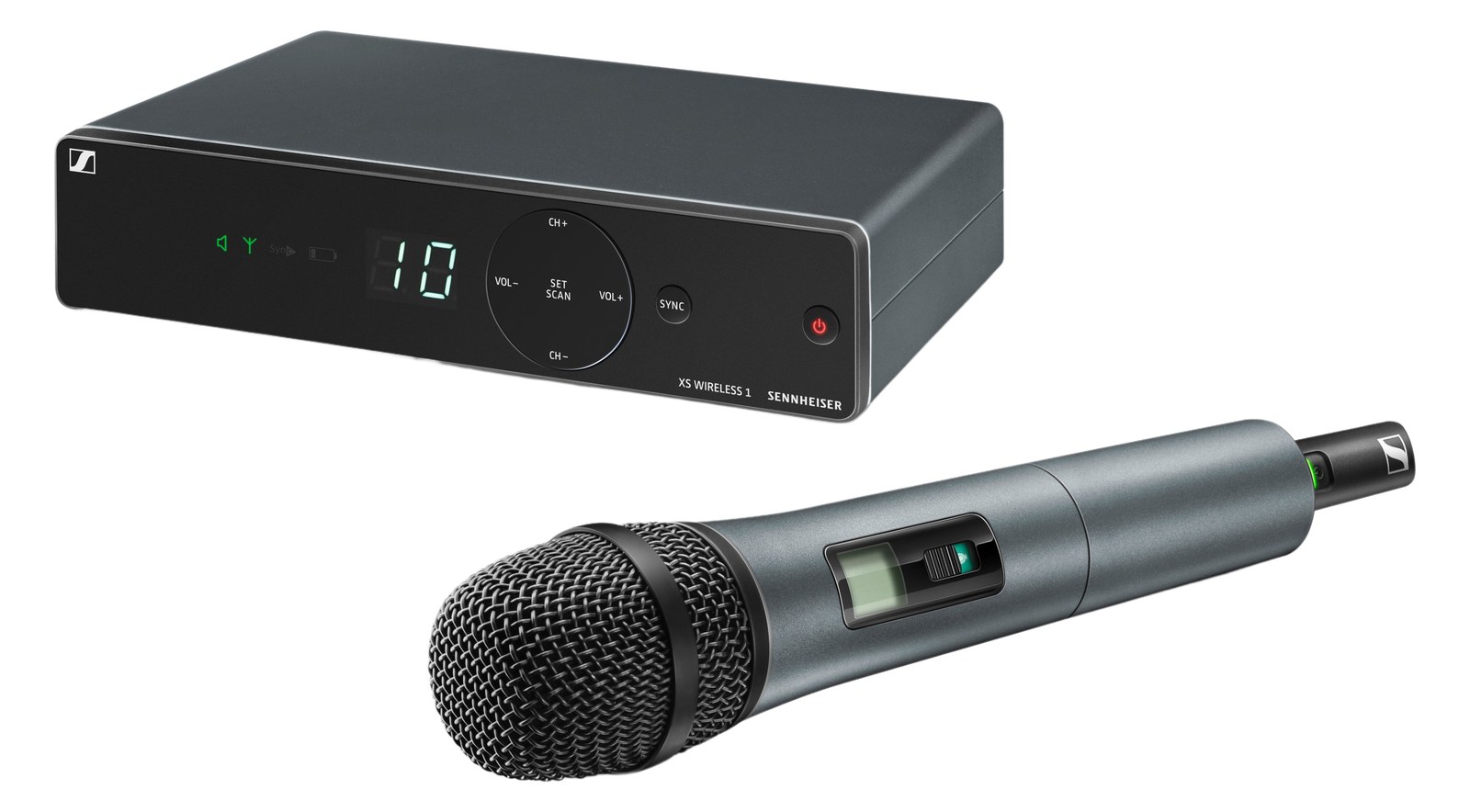
XSW 1-835The Sennheiser XSW 1-835 brings Sennheiser vocal wireless under $350: a half-rack receiver with an e835-capsule handheld, automatic frequency management, and the build quality that separates it from no-name budget RF. It is the demand-data gap fill — users searched the XSW line by name before this add. The honest first step of the Sennheiser wireless ladder.View gear →
06 · Resolve the questions that can change the purchase or build plan.
Planning questions
Short, source-backed answers surface rack fit, power, cabling, and connection details before they become surprises.
How will the Sennheiser EW-D 835-S Digital Wireless Mic affect rack fit and case depth?
It occupies 1U · half-rack. Its documented depth is 200 mm.
How much power does the Sennheiser EW-D 835-S Digital Wireless Mic draw?
Typical draw is 5W and documented maximum draw is 7W.
What connections does the Sennheiser EW-D 835-S Digital Wireless Mic have?
5 documented physical ports, including XLR Out, 1/4" Out, Antenna A, Antenna B, DC In (12V).
07 · See this unit inside a real rack plan.
Builder preview
Placement is only the start. Builder checks space · depth · weight, power headroom, dependencies, and compatible signal paths around this exact catalog item.Open in Builder