
Shure ADTD Axient Digital PSM Dual TX
Shure·Model ADTD·shure-adtd
Photos
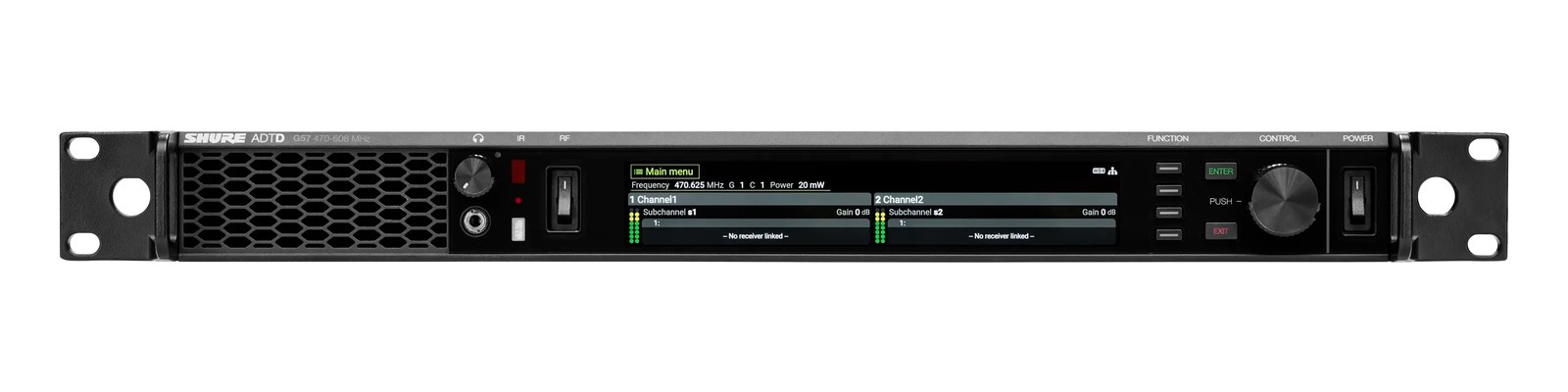
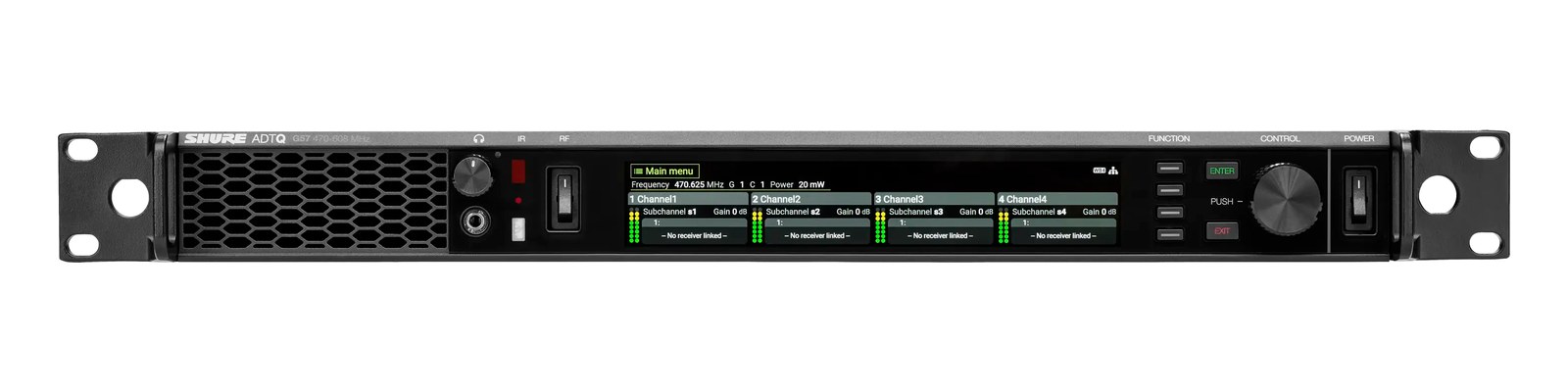
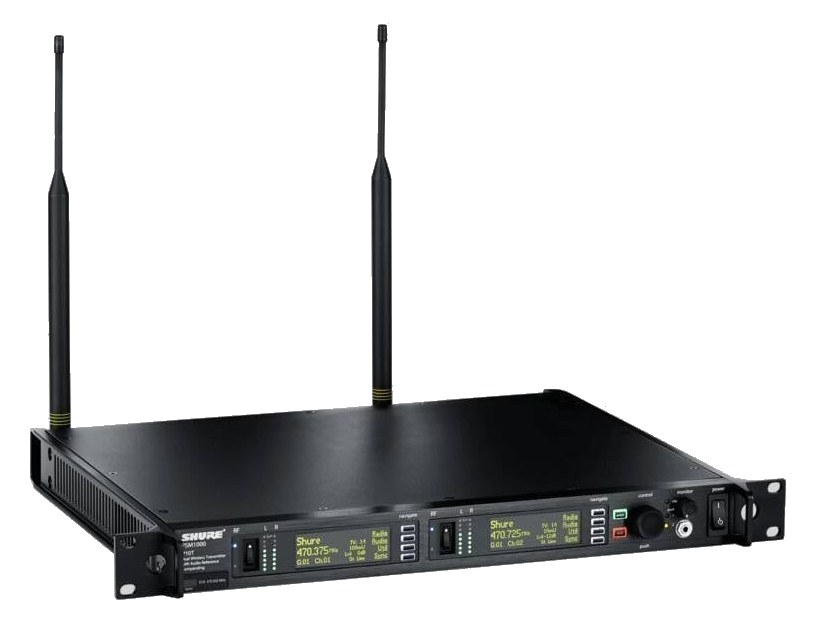
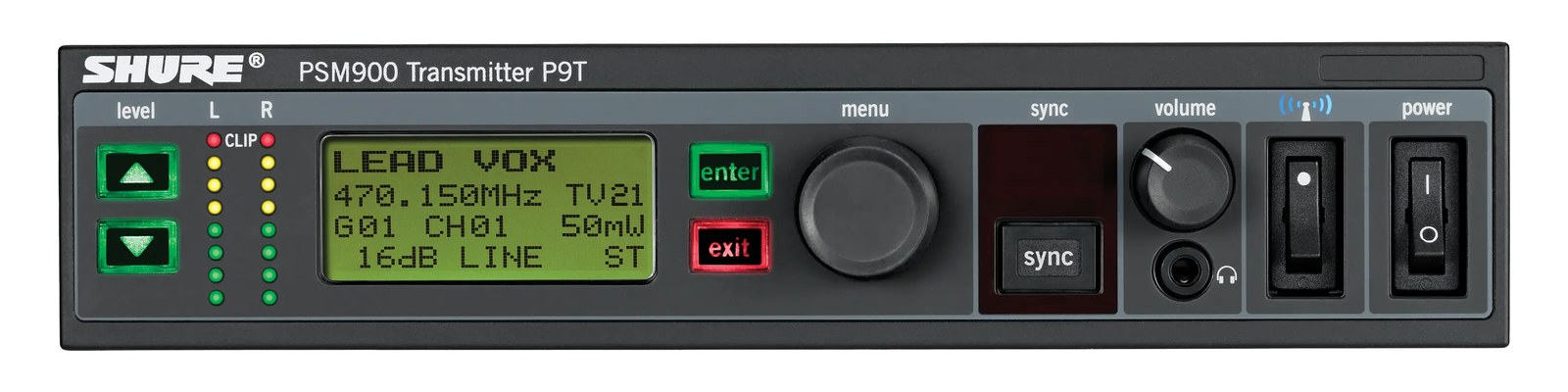
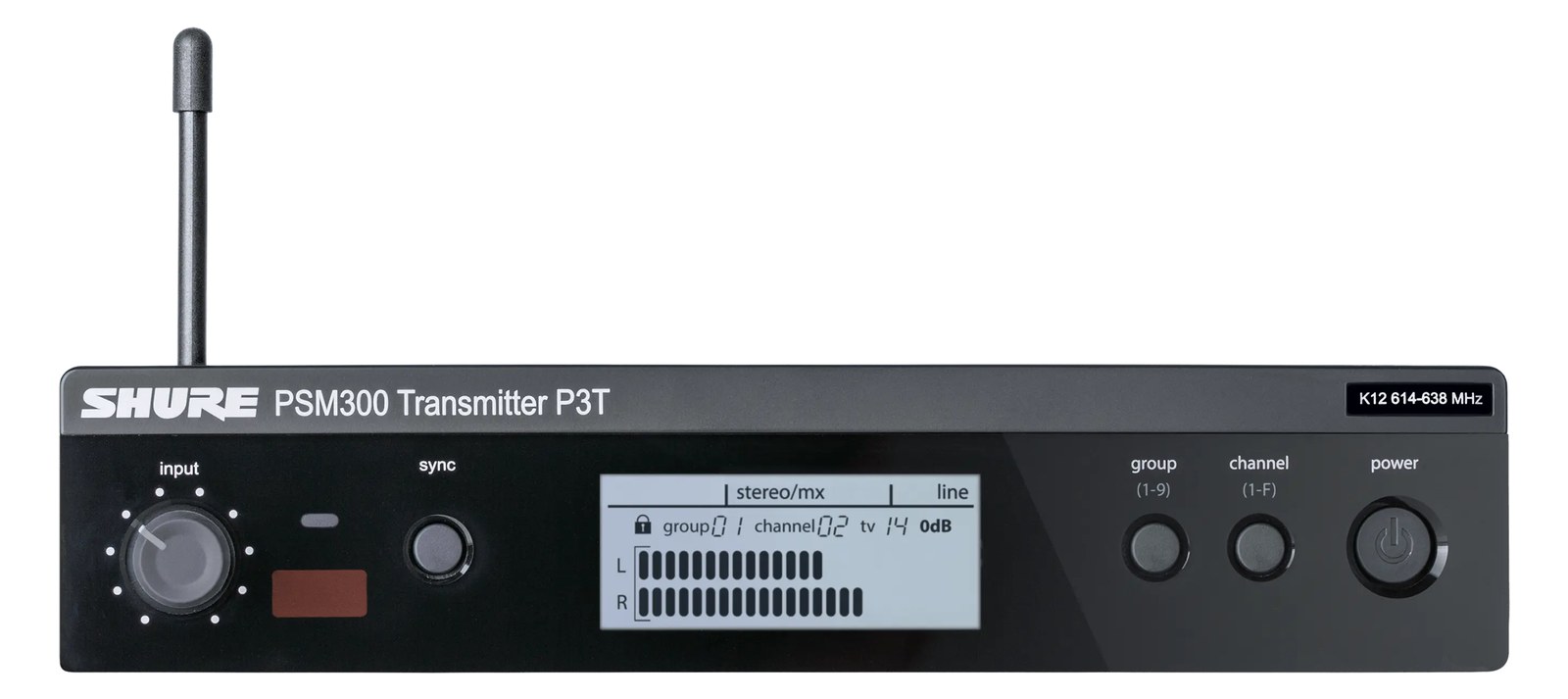
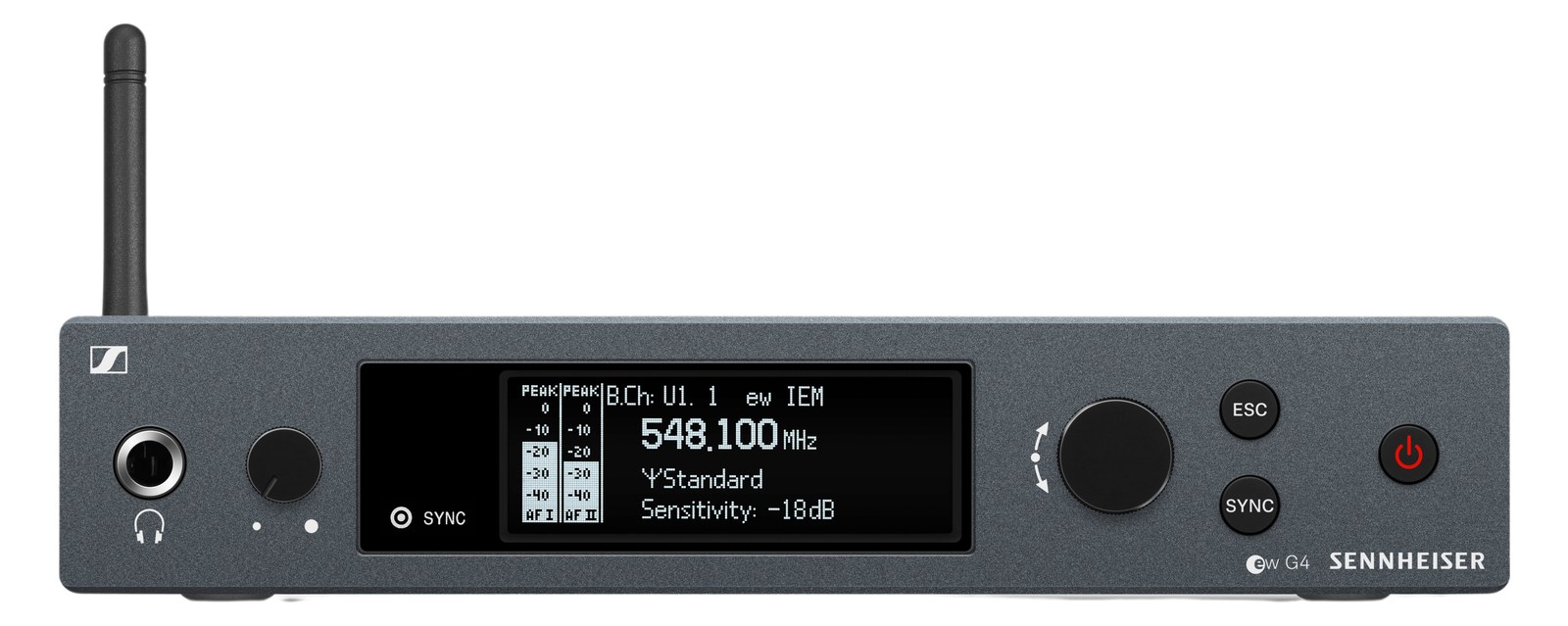
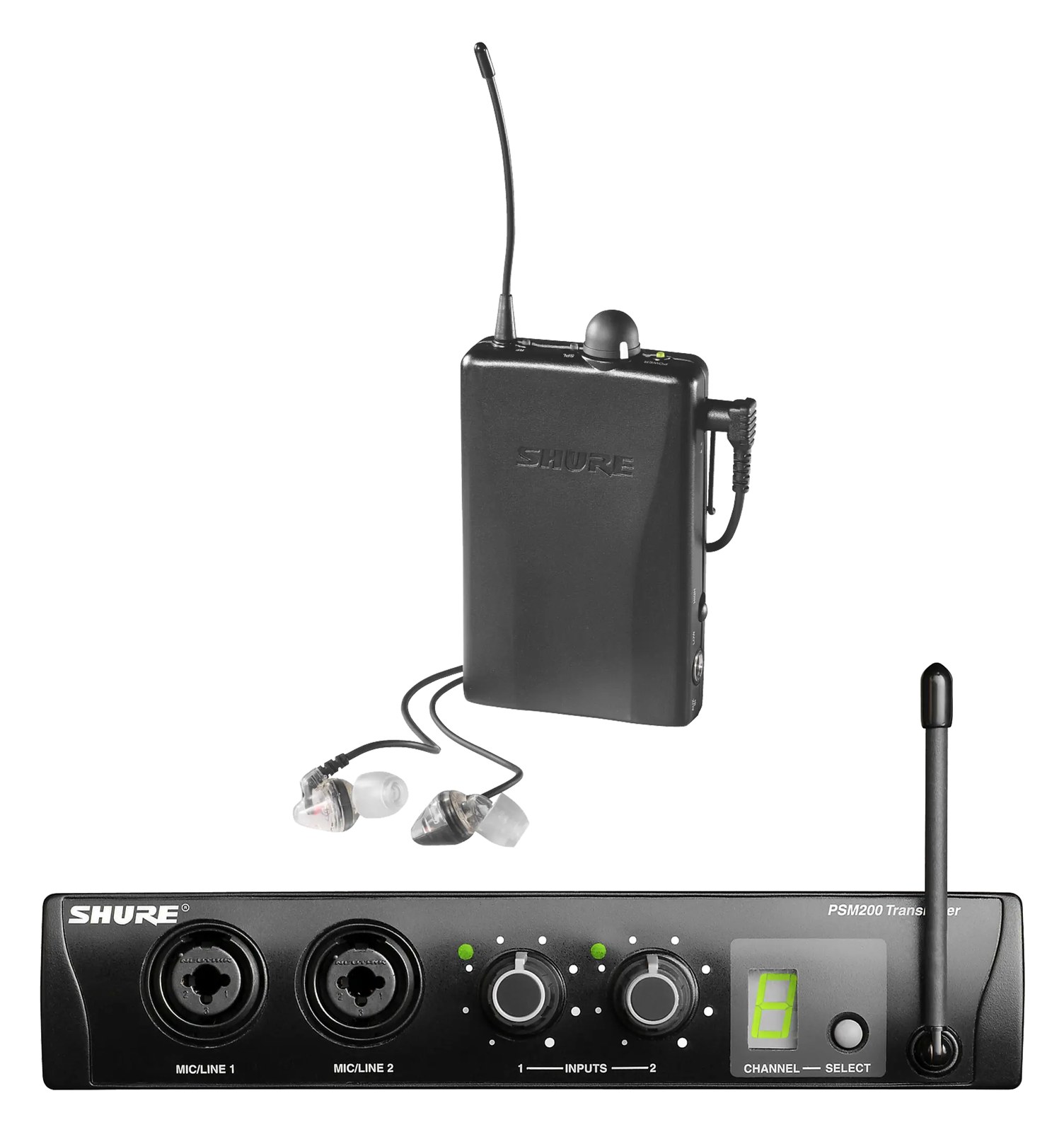
Manufacturer product photography — the drawn faceplate above stays true to panel layout; these show the hardware itself.
About the Shure ADTD
The Shure ADTD is the dual-channel transmitter of the Axient Digital PSM platform: two stereo IEMIn-Ear Monitor — earpieces that replace floor wedges, feeding each player their own mix. The reason this whole rack exists. channels of wideband digital RFRadio Frequency — the wireless part of wireless. RF planning is why big rigs scan, coordinate, and combine antennas instead of hoping. with DanteThe most common audio-over-network standard: dozens of channels of uncompressed digital audio down one ordinary Ethernet cable between Dante boxes. and analog inputs, networked control, and the spectral efficiency that lets big shows stack channels where analog PSM could not. It is the direct successor tier to the PSM1000 and the unit users requested by name. Pair with ADXR bodypacks and an antenna combinerThe transmit-side twin of a distro: merges several IEM transmitters into one antenna without letting them intermodulate..
The ADTD is Shure's answer to what happens when a big IEMIn-Ear Monitor — earpieces that replace floor wedges, feeding each player their own mix. The reason this whole rack exists. rig runs out of clean spectrum — it is a dual-channel Axient Digital PSM transmitter, putting two independent stereo IEM feeds in a single rack unitThe standard slice of rack height: 1U = 1.75″. A 3U box takes three slices; half-rack gear pairs two units side by side in one.. Each channel gets its own pair of analog combo inputs plus four channels of DanteThe most common audio-over-network standard: dozens of channels of uncompressed digital audio down one ordinary Ethernet cable between Dante boxes. on both primary and secondary EtherConAn Ethernet plug inside a rugged XLR-style locking shell — tour-grade network connections that can’t be yanked loose. ports, so you can feed it from a digital console's Dante network, an analog split, or both simultaneously as a redundantA second copy of anything critical — supply, computer, network path — already running so one failure can’t stop the show. source. This is the platform-level successor to the PSM1000, and it carries that pedigree into wideband digital RFRadio Frequency — the wireless part of wireless. RF planning is why big rigs scan, coordinate, and combine antennas instead of hoping. with the spectral efficiency that lets large shows stack more channels than analog systems could realistically manage.
At load-in, the RJ45 control port and DanteThe most common audio-over-network standard: dozens of channels of uncompressed digital audio down one ordinary Ethernet cable between Dante boxes. integration mean this unit lives on your network — frequency coordinationCalculating a set of wireless frequencies that won’t interfere with each other or local TV — the homework behind a clean RF night., gainHow much the preamp amplifies the incoming signal. Too low and you’re hunting through hiss; too high and peaks clip., and monitoring all happen through Wireless WorkbenchShure’s free RF-management software — scans the airwaves, calculates compatible frequencies, and monitors every receiver from a laptop. or ShurePlus Spectrum tools without touching the front panel once it is dialed. The single BNCThe twist-lock coax connector used for word clock and antenna runs — it locks, so it can’t be pulled out mid-show. RFRadio Frequency — the wireless part of wireless. RF planning is why big rigs scan, coordinate, and combine antennas instead of hoping. output means you are running this into an antenna combinerThe transmit-side twin of a distro: merges several IEM transmitters into one antenna without letting them intermodulate. or active distroOne pair of antennas feeding many receivers through an amplified splitter — replaces the forest of whips and keeps RF levels consistent. before it reaches your antennas; plan that patch bayA panel of front-facing jacks wired to everything behind it — re-route any signal with a short cable instead of climbing behind the rack. accordingly. At 25W nominal draw across both channels in a single rack unitThe standard slice of rack height: 1U = 1.75″. A 3U box takes three slices; half-rack gear pairs two units side by side in one., you can comfortably stack several of these in a conditioned rack without stressing a 20A circuit, but confirm your combiner and distro headroomThe margin between your normal level and where things clip — headroom is what absorbs the snare hit you didn’t see coming. first. The ADXR bodypack is the intended receiver partner.
If you are running six or more IEMIn-Ear Monitor — earpieces that replace floor wedges, feeding each player their own mix. The reason this whole rack exists. feeds, managing a touring rig that moves into unknown RFRadio Frequency — the wireless part of wireless. RF planning is why big rigs scan, coordinate, and combine antennas instead of hoping. environments regularly, or building a system where digital DanteThe most common audio-over-network standard: dozens of channels of uncompressed digital audio down one ordinary Ethernet cable between Dante boxes. routing eliminates analog stage splits entirely, the ADTD earns its $4,455 price. The dual-channel-per-U density alone justifies the cost on large shows where rack space is as scarce as clean spectrum. If you are doing a three-piece band with stable local RF and no Dante infrastructure, the capital outlay is hard to justify — a PSM300 or PSM900 system will do the job for considerably less. This is a production-touring and installed-venue piece, not a weekend-warrior transmitter.
In the rack
- Run both DanteThe most common audio-over-network standard: dozens of channels of uncompressed digital audio down one ordinary Ethernet cable between Dante boxes. Primary and Secondary ports to separate network switches on different VLANsVirtual LAN — slicing one physical switch into separate isolated networks, like keeping Dante away from lighting and guest WiFi. — that redundancyA second copy of anything critical — supply, computer, network path — already running so one failure can’t stop the show. is there for a reason, and a single switch failure should not kill anyone's ears mid-show.
- Budget one antenna combinerThe transmit-side twin of a distro: merges several IEM transmitters into one antenna without letting them intermodulate. port per ADTD channel, not per unit: two ADTD units means four combiner inputs, so spec your distroOne pair of antennas feeding many receivers through an amplified splitter — replaces the forest of whips and keeps RF levels consistent. before you spec your transmitter count.
- Label the four combo inputs at the rear with channel number and A/B source before rack build — Ch 1 In A and Ch 1 In B look identical under stage lighting, and a wrong patch during soundcheck is a hard problem to diagnose quickly.
- Use Wireless WorkbenchShure’s free RF-management software — scans the airwaves, calculates compatible frequencies, and monitors every receiver from a laptop.'s predictive RFRadio Frequency — the wireless part of wireless. RF planning is why big rigs scan, coordinate, and combine antennas instead of hoping. scan before doors, not just at line checkThe quick pre-show pass confirming every input reaches the console, one line at a time. Not a soundcheck — just does it work. — Axient Digital's wideband capability only saves you if you have already moved frequencies away from interference before the audience walks in.
Dual-channel Axient Digital PSM transmitter - DanteThe most common audio-over-network standard: dozens of channels of uncompressed digital audio down one ordinary Ethernet cable between Dante boxes., wideband, the PSM1000 successor.
I/O Ports (14)
| Port | Connector | Direction | Signal | Channels |
|---|---|---|---|---|
| Dante 1 | DANTE RJ45 | bidirectional | digital audio | 4 |
| Dante 2 | DANTE RJ45 | bidirectional | digital audio | 4 |
| Ctrl 2 (PoE) | RJ45 | bidirectional | data | — |
| Ch 1 In A | COMBO XLR TRS | input | analog audio | — |
| Ch 1 In B | COMBO XLR TRS | input | analog audio | — |
| Ch 2 In A | COMBO XLR TRS | input | analog audio | — |
| Ch 2 In B | COMBO XLR TRS | input | analog audio | — |
| RF A (BNC) | BNC | output | antenna | — |
| RF B (BNC) | BNC | output | antenna | — |
| RF C (BNC) | BNC | output | antenna | — |
| RF D (BNC) | BNC | output | antenna | — |
| Ctrl 1 (PoE) | RJ45 | bidirectional | data | — |
- Power (IEC) (IEC C14)
- DC In (XLR4, redundant) (XLR4 DC)
Deciding between two?
Rack space, watts, weight and every connector, side by side.
Related gear


Related articles
Guides from our library that cover planning around iem transmitter gear.
What an IEM rig actually is, the components that go into one, and how to plan your first one without overspending or blowing a circuit.
A plain-English plan for bands switching from floor wedges to in-ear monitors — what to buy, what to expect at the first rehearsal, and how to not hate it.
A walking tour of the signal path from microphone to in-ear monitor, with what every box in the rack actually does to the audio along the way.
A feedback squeal in a sealed ear can hit 130 dB SPL instantly. Where the limiter goes, what thresholds make sense, and the daily soundcheck habit that verifies it actually catches.