
01 · Source
3 documented inputs
dc barrel + bnc
- Arrives as
- 3 documented inputs
- Connector
- dc barrel + bnc
- Signal
- power

Wireless Mic
Shure SLXD14+ Wireless Guitar System - G57 Band. Plan its source-defined physical connections and placement in your rig.
01 · What it does—and what that changes in your rig.
Start with the payoff, then work through how it functions, where it fits, and the details that change a real build.
Shure SLXD14+ Wireless Guitar System - G57 Band. Plan its source-defined physical connections and placement in your rig.
02 · Know the whole path before you buy.
Learn the route as a block diagram: source, product function, transport, and destination. Select any block to see what enters, what changes, and what leaves.
Each block answers the same three questions: what arrives, what changes here, and what leaves.
dc barrel + bnc
03 · What this product asks of the rest of the system.
Treat connector names as the start of the check—not the answer. These are the boundaries that determine a complete working path.
Use it when 1U · half-rack and 152 mm of depth fit the case.
Complete the path with upstream and downstream gear that matches connector, direction, signal type, protocol, and wiring standard.
Documented connectors: dc barrel, RJ45, bnc, XLR male. Match connector, direction, and signal type—not shape alone.
04 · Every connector, grouped by job.
Switch the product view and the documented port inventory updates with it—hardware and data stay side by side.
Switch panels to keep the hardware view and the documented port list in sync.
| Port | Panel | Connector | Direction | Signal | Channels |
|---|---|---|---|---|---|
| 15V DC · TIP POSITIVE | rear | dc barrel | input | power | — |
| ETHERNET · NETWORK CONTROL | rear | RJ45 | bidirectional | data | — |
| ANTENNA B · RF INPUT · MATED | rear | bnc | input | antenna | — |
| ANTENNA A · RF INPUT · MATED | rear | bnc | input | antenna | — |
| MIC / LINE · XLR BALANCED OUTPUT | rear | XLR male | output | analog audio | — |
| INST / AUX · BALANCED OUTPUT | rear | ¼-inch TRS | output | analog audio | — |
Showing 6 of 6 documented physical ports.
05 · Compare the decision, not just the price.
The rows are organized around fit, power, I/O, and system role so a cheaper unit cannot hide a more expensive workflow.
| Compare | 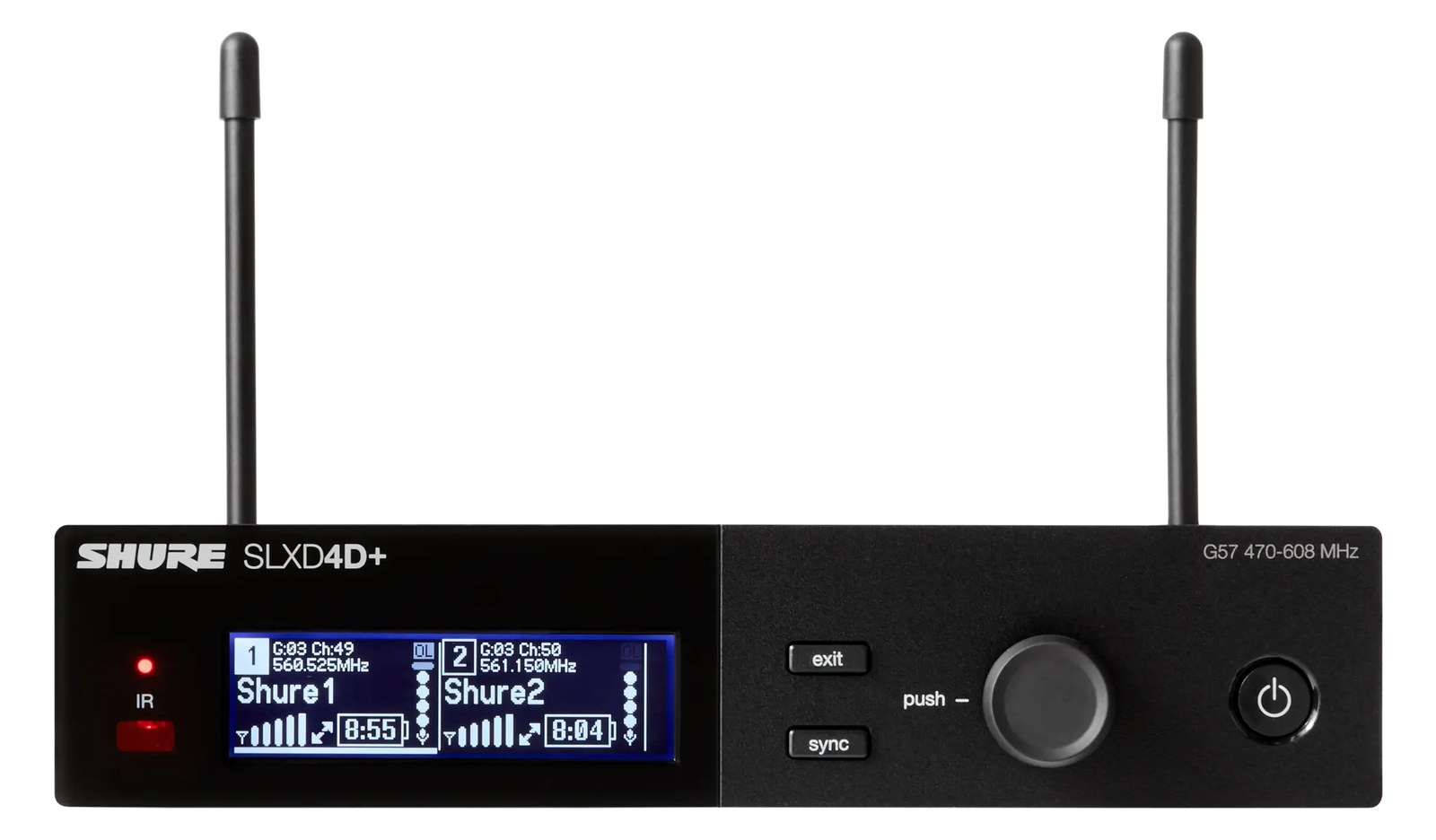 | 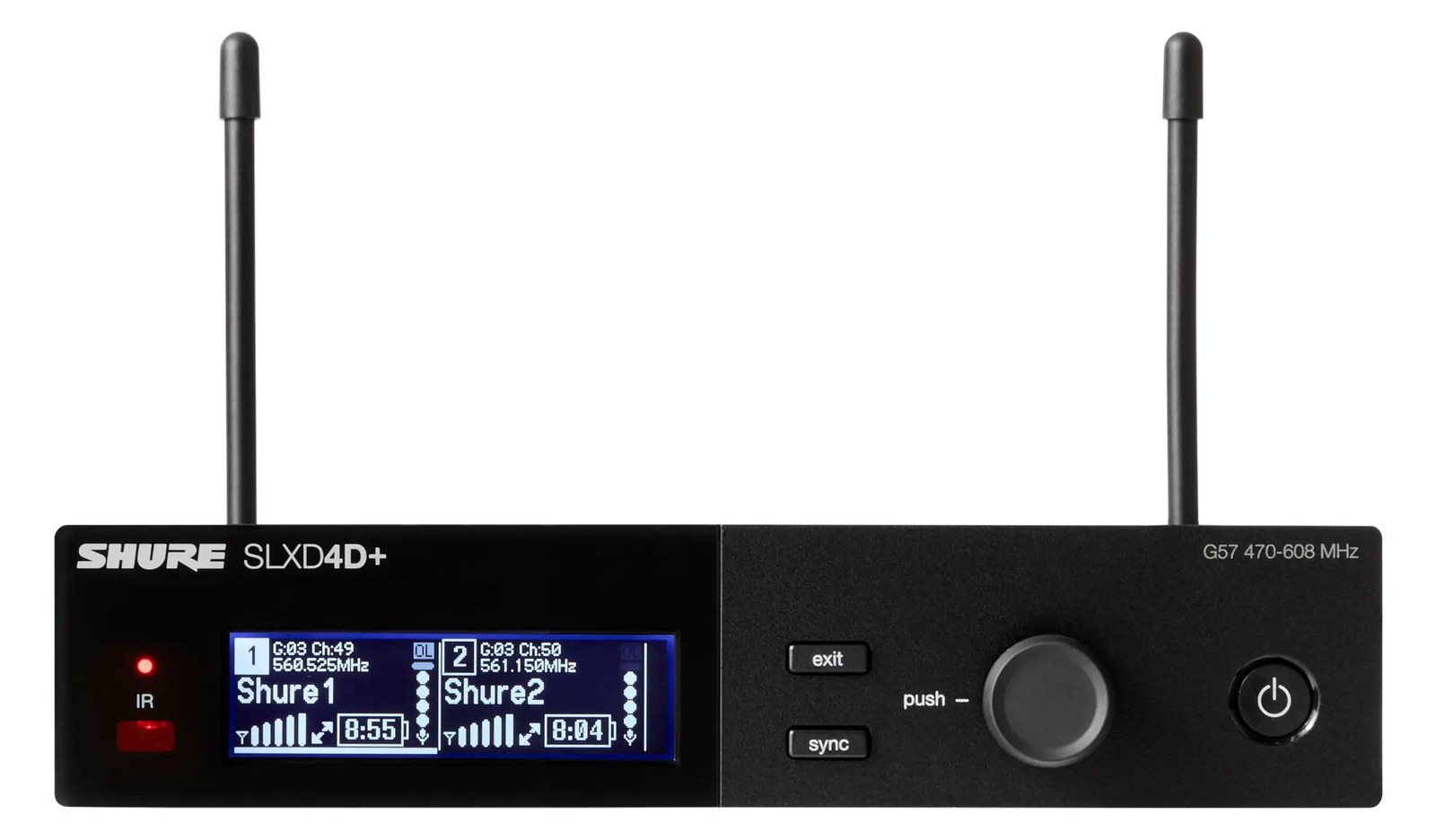 | ||
|---|---|---|---|---|
| Fit | 📐 1U · half-rack | 📐 1U | 📐 1U | 📐 1U · half-rack |
| Power | ⚡ Unverified | ⚡ 25W | ⚡ 12W | ⚡ Unverified |
| Weight | ⚖️ 2.0 lb | ⚖️ 3.2 lb | ⚖️ 3.2 lb | ⚖️ 2.1 lb |
| I/O | 🔌 6 | 🔌 8 | 🔌 8 | 🔌 8 |
| Estimate | 💵 ~$769 | 💵 ~$1,499 | 💵 ~$899 | 💵 ~$1,079 |
| Deep dive | Current selection | Full comparison → | Full comparison → | Full comparison → |
06 · Resolve the questions that can change the purchase or build plan.
Short, source-backed answers surface rack fit, power, cabling, and connection details before they become surprises.
It occupies 1U · half-rack. Its documented depth is 152 mm.
Its power requirement is not yet verified in the catalog.
6 documented physical ports, including 15V DC · TIP POSITIVE, ETHERNET · NETWORK CONTROL, ANTENNA B · RF INPUT · MATED, ANTENNA A · RF INPUT · MATED, MIC / LINE · XLR BALANCED OUTPUT, INST / AUX · BALANCED OUTPUT.
07 · See this unit inside a real rack plan.
08 · Related gear, in the order you may need it.
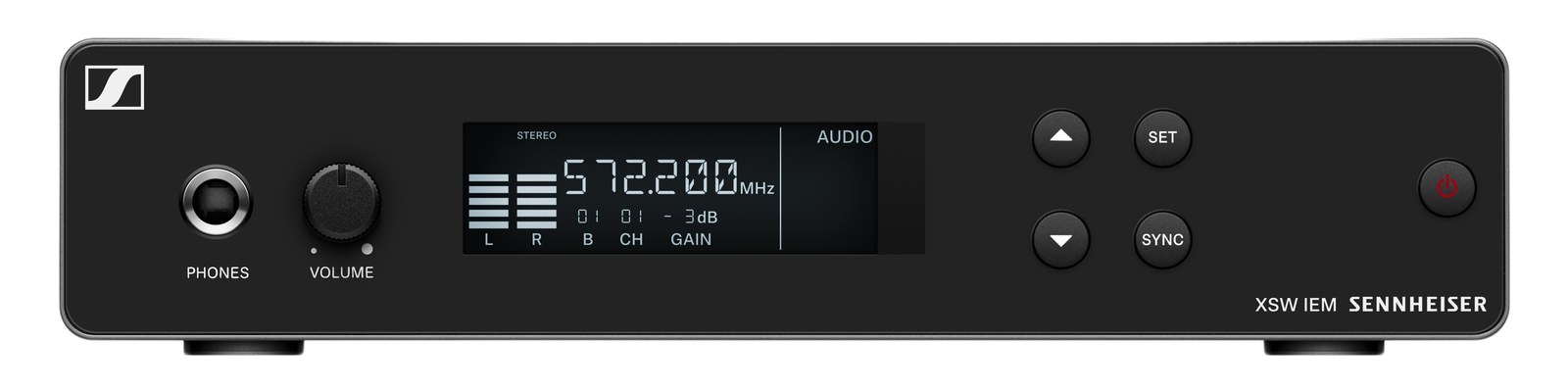
Wireless Mic
Wireless Mic
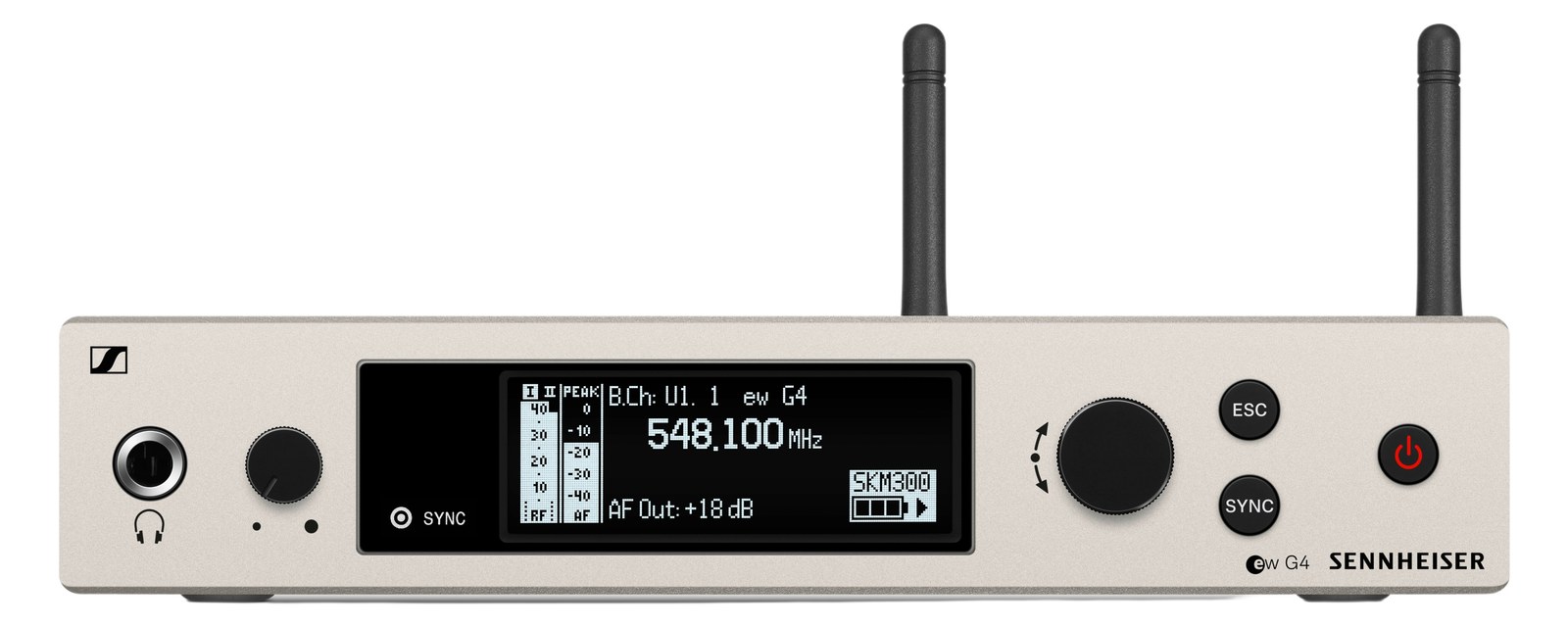
Wireless Mic
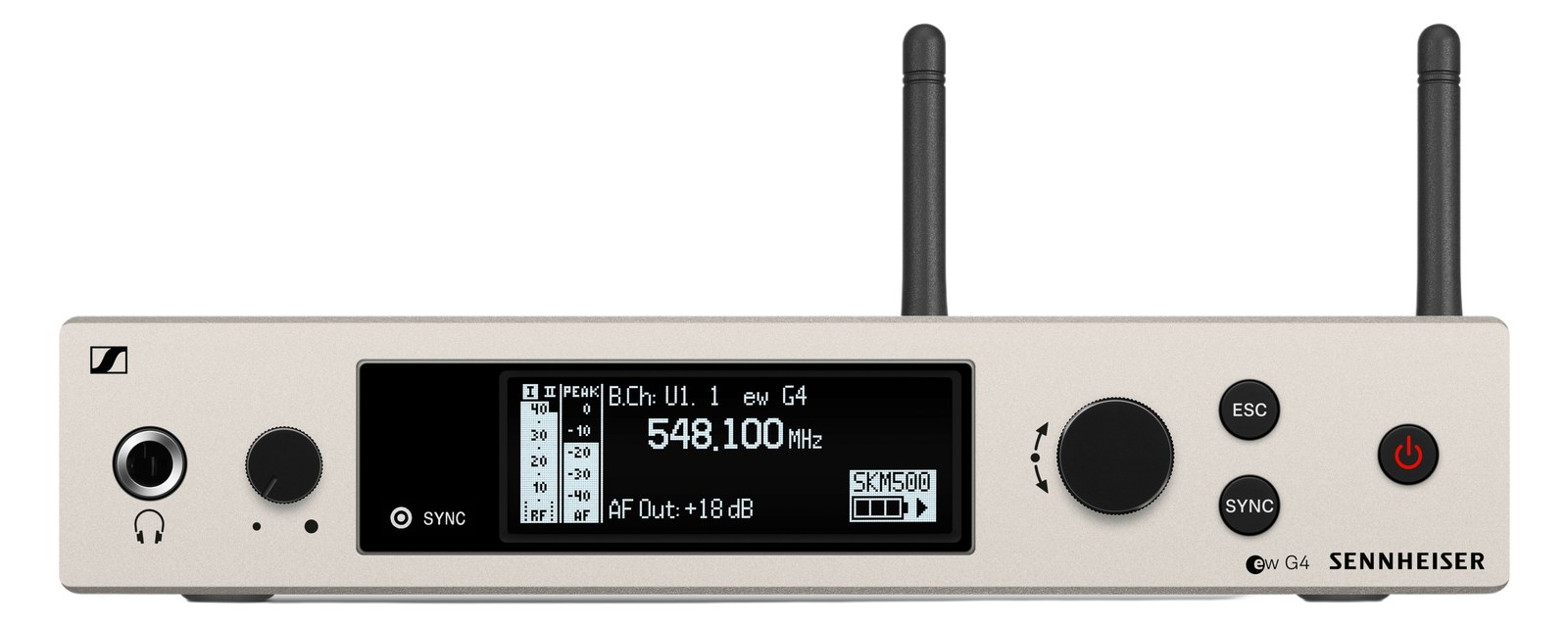
Wireless Mic
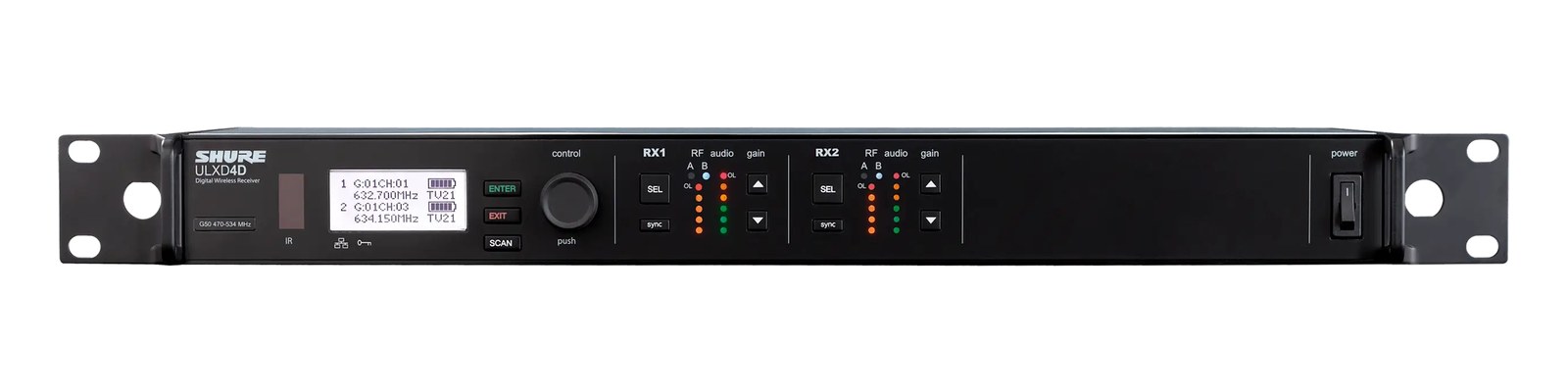
Wireless Mic
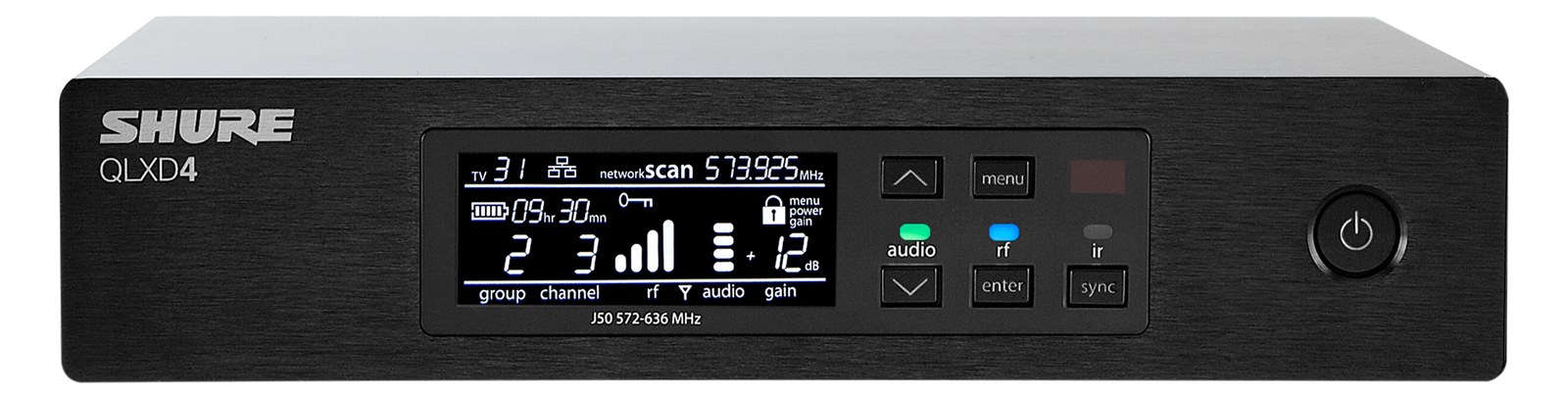
Wireless Mic
Planning guides for wireless mic systems.
Fundamentals · 8 min
Why sealed IEMs make you feel disconnected from the room — and exactly how to put the audience back into your mix with one or two well-placed mics.
Wireless · 10 min
Why your wireless mics and IEMs need a frequency plan, what intermodulation means in practice, and how to coordinate channels for a clean show.
Wireless · 11 min
When you need a combiner vs a distro, active vs passive, cable choice and length math, and how to scale a 4-pack rig into an 8 or 12-pack without intermod nightmares.


