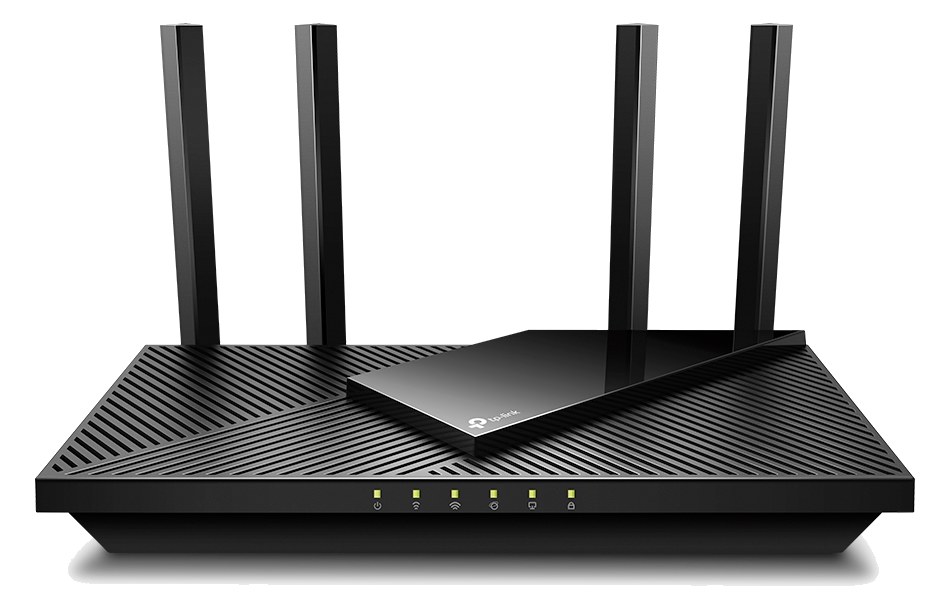

Ubiquiti UniFi Dream Router
Ubiquiti·Model UDR·ubiquiti-udr
About the Ubiquiti UDR
The UniFi Dream Router is Ubiquiti's integrated WiFi router and security gateway. Solid pick when the engineer wants real VLANVirtual LAN — slicing one physical switch into separate isolated networks, like keeping Dante away from lighting and guest WiFi. isolation between the audio network and the tablet-control SSID. Built-in PoEPower over Ethernet — the network cable powers the device (stage boxes, personal mixers, access points). One less wall-wart to lose. on a couple of LAN ports lets you power a UniFi access point at the back of the venue without extra injectors.
The UniFi Dream Router is Ubiquiti's all-in-one gateway, router, and wireless access point — a single box that handles network segmentation, firewall rules, and WiFi 6 coverage without requiring a separate controller server or cloud subscription. In a touring or installed IEMIn-Ear Monitor — earpieces that replace floor wedges, feeding each player their own mix. The reason this whole rack exists. rig, its main job is keeping your audio control traffic — Shure Wireless WorkbenchShure’s free RF-management software — scans the airwaves, calculates compatible frequencies, and monitors every receiver from a laptop., L-ISA, whatever tablet-based console remote you're running — cleanly separated from house internet, production crew laptops, and anything else that could generate competing broadcast traffic on the same subnet. That VLANVirtual LAN — slicing one physical switch into separate isolated networks, like keeping Dante away from lighting and guest WiFi. capability is the real reason it earns rack space.
At 15 watts typical draw and 0.9 kg, it's nearly invisible in a power budget. The WAN port takes venue ethernet or a cellular gateway; three standard LAN ports plus one PoEPower over Ethernet — the network cable powers the device (stage boxes, personal mixers, access points). One less wall-wart to lose. LAN port give you enough physical drops for a small wired setup, and that PoE port means you can push a UniFi access point to the lip of the stage or FOHFront Of House — the main mix the audience hears, and the console position out in the room where it gets mixed. riser without running separate power. The unit is not rack-mountable in the traditional sense — it ships as a desktop/wall-mount cylinder, so plan on a shelf or a Velcro solution rather than a clean 1UThe standard slice of rack height: 1U = 1.75″. A 3U box takes three slices; half-rack gear pairs two units side by side in one. slot. Depth is only 110 mm, so it tucks easily behind patch panels.
This box is the right call for an engineer who already lives in the UniFi ecosystem or wants a low-cost entry point to proper network segmentation without managing a separate cloud key. If your rig is more complex — multiple access points, 20-plus wired devices, inter-VLANVirtual LAN — slicing one physical switch into separate isolated networks, like keeping Dante away from lighting and guest WiFi. routing between audio subnets — you'll likely want a dedicated USG or UDM-Pro paired with a managed switchA network switch you can configure — VLANs, QoS, IGMP — so audio traffic gets priority. Dante rigs beyond a few boxes want one. rather than leaning on the UDR's four LAN ports. For a compact IEMIn-Ear Monitor — earpieces that replace floor wedges, feeding each player their own mix. The reason this whole rack exists.-and-playback rig that needs reliable WiFi 6 and clean VLAN isolation in one inexpensive box, it's hard to beat at this price.
In the rack
- Create a dedicated VLANVirtual LAN — slicing one physical switch into separate isolated networks, like keeping Dante away from lighting and guest WiFi. for your audio control devices (Wireless WorkbenchShure’s free RF-management software — scans the airwaves, calculates compatible frequencies, and monitors every receiver from a laptop., console remote tablets) and a separate SSID for that VLAN — never let production or venue WiFi share a subnet with your IEMIn-Ear Monitor — earpieces that replace floor wedges, feeding each player their own mix. The reason this whole rack exists. gear.
- Use the PoEPower over Ethernet — the network cable powers the device (stage boxes, personal mixers, access points). One less wall-wart to lose. LAN port to power a UniFi access point positioned at the stage lip or drum riser, eliminating a power injector and shortening the cable run to where artists actually stand.
- The UDR has no standard rack earsThe flanges that bolt gear to the rack rails. Desktop boxes without them need a shelf, tray, or drawer to live in the case. — mount it on a 1UThe standard slice of rack height: 1U = 1.75″. A 3U box takes three slices; half-rack gear pairs two units side by side in one. accessory shelf or secure it with hook-and-loop to the inside rear of the rack; its 110 mm depth means it fits behind a patch panel without blocking airflow.
- Set a static IP reservation for every audio-critical device in the UniFi dashboard before doors open — DHCPThe router service that hands out IP addresses automatically — rack networks often pin static addresses instead so gear always finds itself. lease renewals mid-show are a real failure point that takes thirty seconds to prevent at load-in.
WiFi 6 + UniFi gateway with VLANVirtual LAN — slicing one physical switch into separate isolated networks, like keeping Dante away from lighting and guest WiFi. support.
I/O Ports (6)
| Port | Connector | Direction | Signal | Channels |
|---|---|---|---|---|
| WAN (RJ45) | RJ45 | bidirectional | data | — |
| LAN 1 (RJ45) | RJ45 | bidirectional | data | — |
| LAN 2 (RJ45) | RJ45 | bidirectional | data | — |
| LAN 3 (RJ45) | RJ45 | bidirectional | data | — |
| LAN 4 (RJ45, PoE) | RJ45 | bidirectional | data | — |
- Power (DC barrel) (DC BARREL)
Deciding between two?
Rack space, watts, weight and every connector, side by side.
Related gear