
Ultimate Ears UE 7 Pro Custom IEM
Ultimate Ears·Model UE 7 Pro·ue-7-pro
Photos
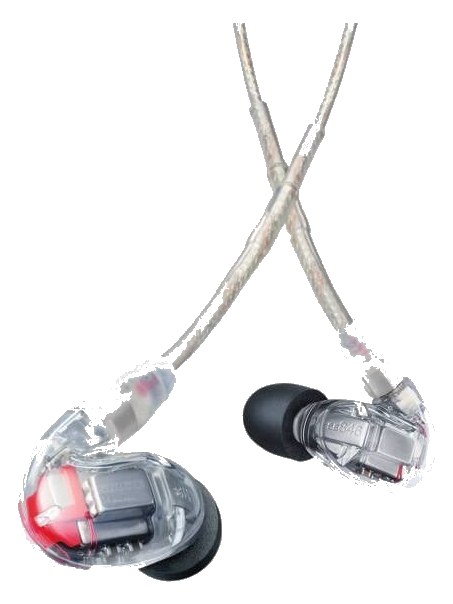
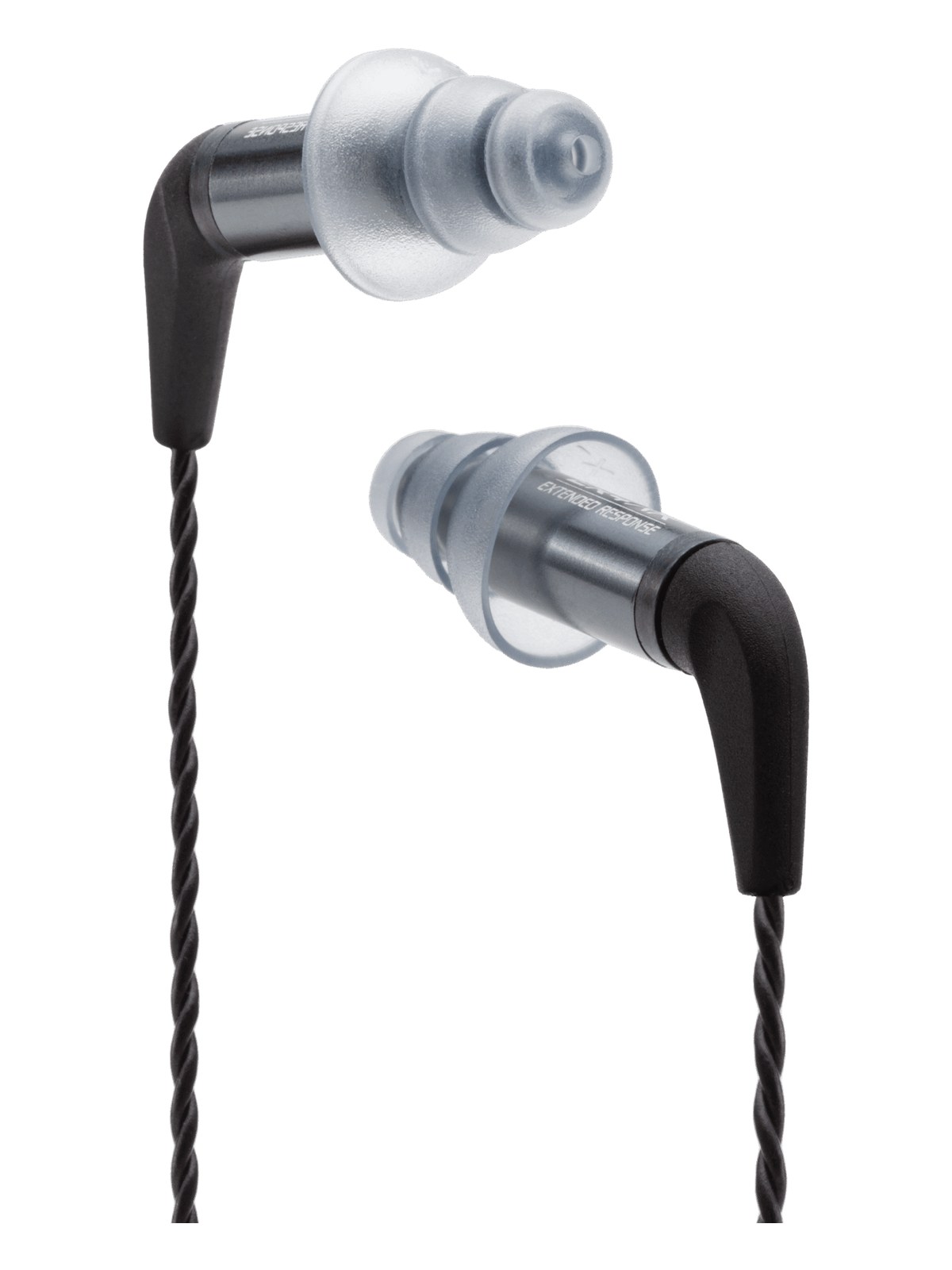
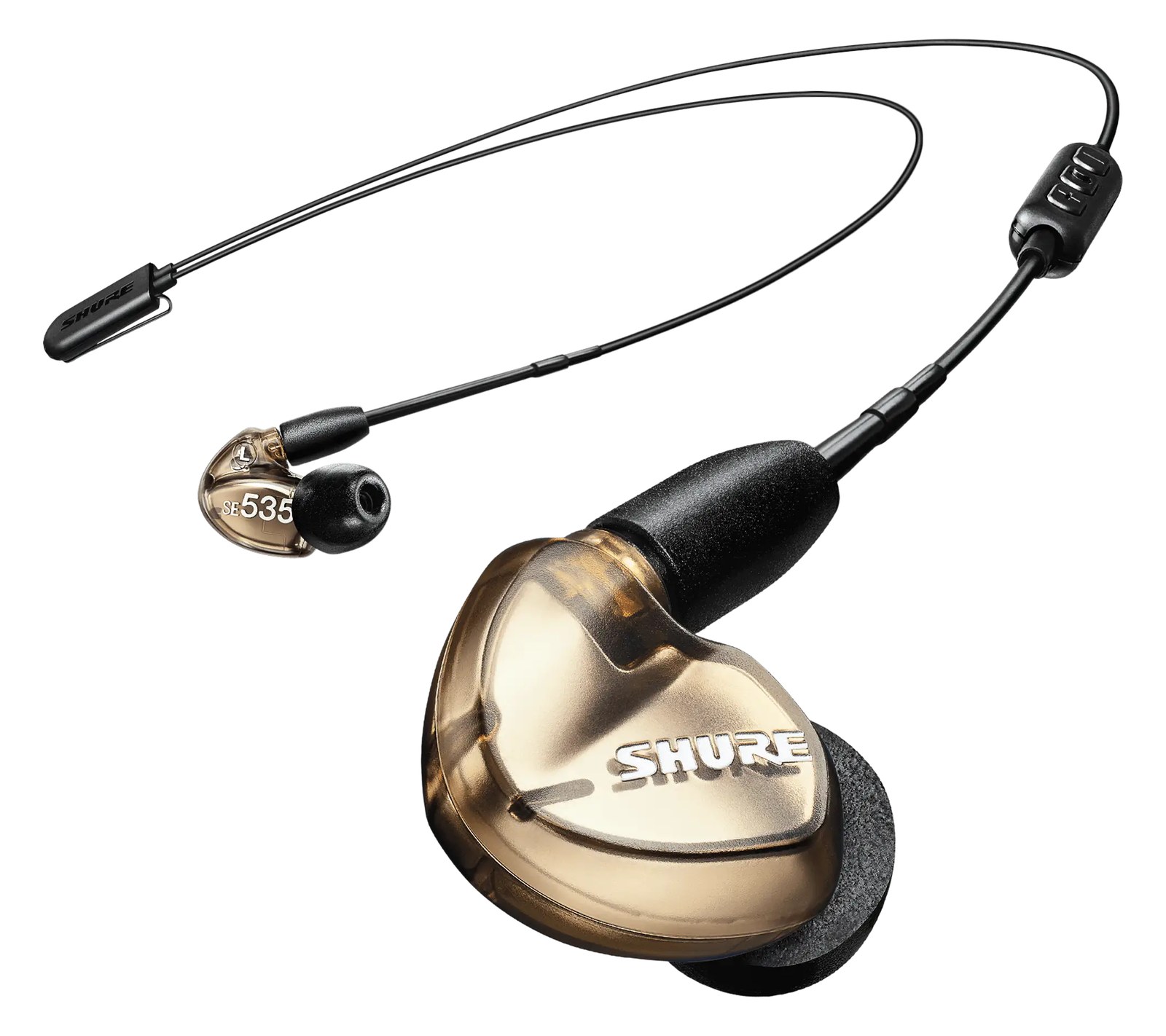
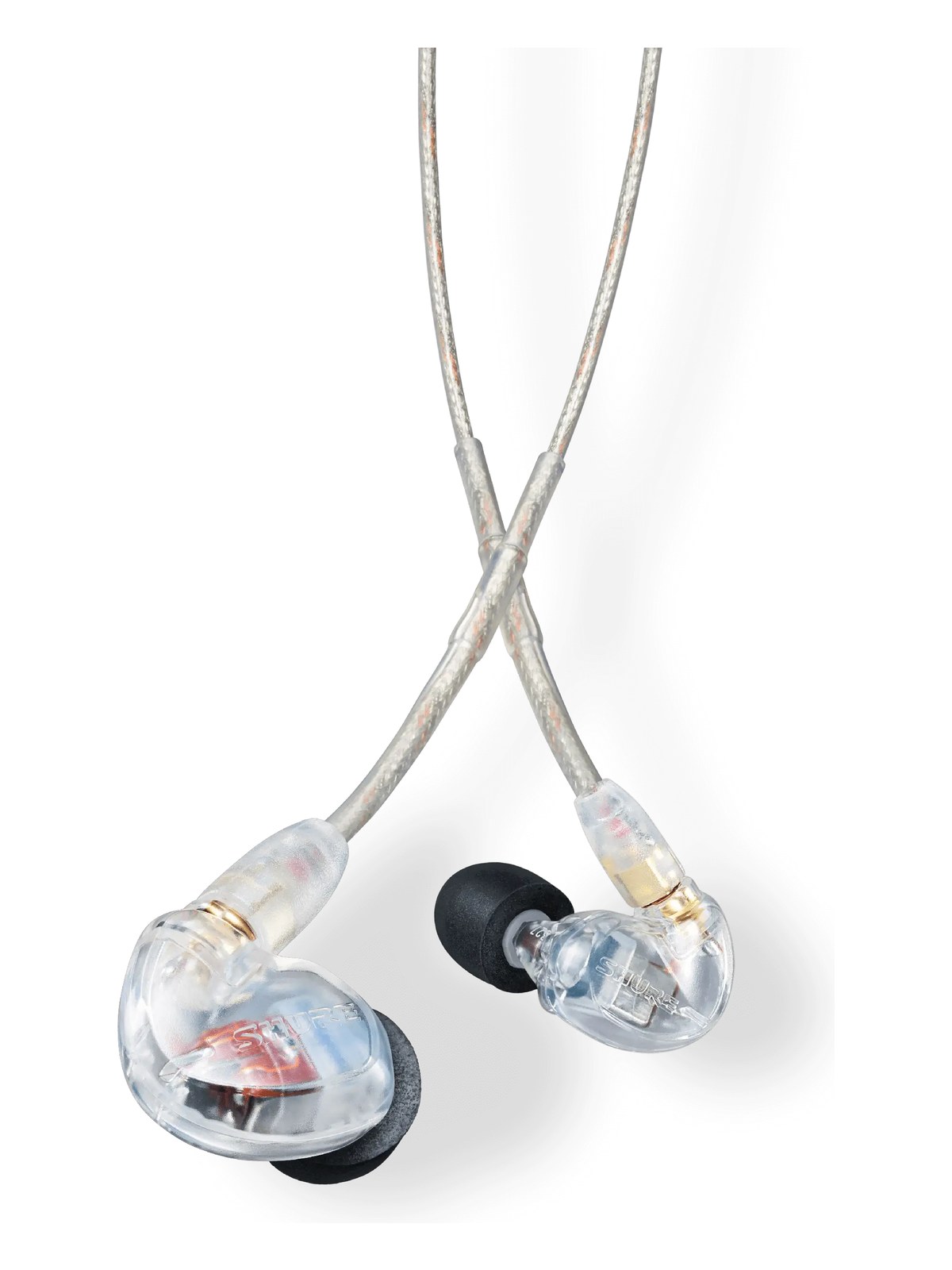
Manufacturer product photography — the drawn faceplate above stays true to panel layout; these show the hardware itself.
About the Ultimate Ears UE 7 Pro
The UE 7 Pro is a triple-driver custom IEMIn-Ear Monitor — earpieces that replace floor wedges, feeding each player their own mix. The reason this whole rack exists. with a dedicated low-driver for solid bass extension. A common pickup for working drummers, bassists, and rhythm-section players who need to feel the kick and bass guitar in the mix without leaning on stage volume.
The UE 7 Pro sits at the working-musician end of Ultimate Ears' custom lineup — three balancedCarries the signal on two wires and cancels whatever noise both pick up — why mic cables can run hundreds of feet hum-free.-armature drivers, with one dedicated to low-frequency reproduction, giving it a warmer, fuller bottom end than a typical two-driver monitor. It's not a rack unitThe standard slice of rack height: 1U = 1.75″. A 3U box takes three slices; half-rack gear pairs two units side by side in one. in any physical sense; it lives in a player's ears. But it belongs in any serious IEMIn-Ear Monitor — earpieces that replace floor wedges, feeding each player their own mix. The reason this whole rack exists. rig conversation because it's the transducer doing the actual work. Everything else in your rack — the wireless system, the mix engine, the power conditioning — exists to deliver a signal cleanly to this point. What happens at this point determines whether the musician can actually do their job.
Three drivers means dedicated bandwidth handling, and that low driver is the spec that matters most for rhythm-section players. A drummer needs to feel the kick and the snare crack in an isolated in-ear environment without asking the wedgeA floor monitor speaker angled up at the performer — the thing IEMs replace, and the thing you fall back on when they die. to make up the difference; a bassist needs to hear where the kick drum sits relative to their own low end. The UE 7 Pro's tuning leans toward that utility — present lows without sacrificing intelligibility in the mids. Custom fit means the passive isolation is real, typically in the -26 dB range for a well-fitted shell, which changes everything about how loud your mix actually needs to be transmitted from the pack.
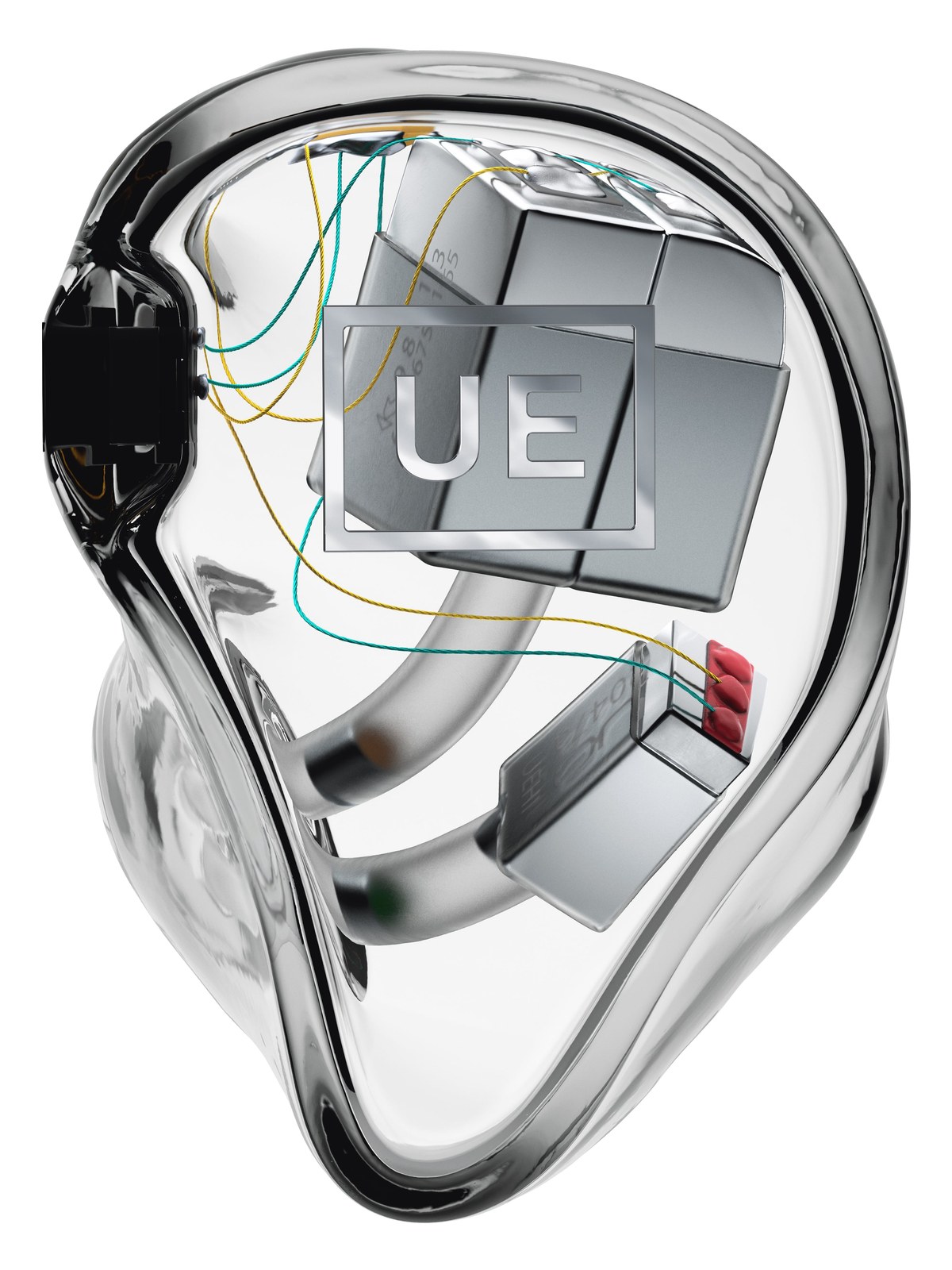
If you're outfitting a drummer, bassist, or keys player who's used to leaning on stage volume and is skeptical about IEMsIn-Ear Monitor — earpieces that replace floor wedges, feeding each player their own mix. The reason this whole rack exists., the UE 7 Pro is a reasonable first custom to put in front of them — the bottom end won't feel thin or clinical. That said, it's a three-driver design at $999, and players with more discerning ears or complex mix needs may want to look at UE's higher driver-count options for additional midrange detail. Also be honest about fit: a custom IEM is only as good as the impression it was molded from. A bad impression means a leaky seal, and a leaky seal undermines every advantage on this spec sheet.
In the rack
- Schedule the ear impression appointment before you commit to the purchase timeline — a good audiologist can be weeks out, and the molds still need to ship to Ultimate Ears before manufacturing starts.
- When dialing in the mix, start with the low driver in mind: resist the urge to push sub-heavy kick samples or massive bass boosts to compensate for 'feeling' the mix. A sealed custom fit changes the bone-conduction relationship, and most drummers need less low-end in the IEMIn-Ear Monitor — earpieces that replace floor wedges, feeding each player their own mix. The reason this whole rack exists. mix than they expect.
- Keep a backup universal-fit IEMIn-Ear Monitor — earpieces that replace floor wedges, feeding each player their own mix. The reason this whole rack exists. in the drum or bass tech's kit for the night a monitor goes missing or a shell cracks before doors — a custom IEM has zero redundancyA second copy of anything critical — supply, computer, network path — already running so one failure can’t stop the show. unless you plan for it.
- If the player reports the seal feels inconsistent night to night, check whether they're inserting the monitors before or after putting on headphones or hats — anything that pulls the ear canal shape can break the seal, and drummers with headphone-style hearing protection during rehearsal are common offenders.
Three-driver custom IEMIn-Ear Monitor — earpieces that replace floor wedges, feeding each player their own mix. The reason this whole rack exists..
I/O Ports (0)
No ports.
Related gear


Related articles
Guides from our library that cover planning around earphones / iems gear.
What an IEM rig actually is, the components that go into one, and how to plan your first one without overspending or blowing a circuit.
A plain-English plan for bands switching from floor wedges to in-ear monitors — what to buy, what to expect at the first rehearsal, and how to not hate it.
Why sealed IEMs make you feel disconnected from the room — and exactly how to put the audience back into your mix with one or two well-placed mics.
A feedback squeal in a sealed ear can hit 130 dB SPL instantly. Where the limiter goes, what thresholds make sense, and the daily soundcheck habit that verifies it actually catches.