01 · Source
16 documented inputs
XLR female
- Arrives as
- 16 documented inputs
- Connector
- XLR female
- Signal
- analog audio

Violet Audio DX16B 16 Channel 3-Way Audio Signal Splitter. Plan its source-defined physical connections and placement in your rig.
Learn the route as a block diagram: source, product function, transport, and destination. Select any block to see what enters, what changes, and what leaves.
Each block answers the same three questions: what arrives, what changes here, and what leaves.
XLR female
Switch the product view and the documented port inventory updates with it—hardware and data stay side by side.
Switch panels to keep the hardware view and the documented port list in sync.
| Port | Panel | Connector | Direction | Signal | Channels |
|---|---|---|---|---|---|
| OUTPUT 1 | front | XLR male | output | analog audio | — |
| INPUT 1 | front | XLR female | input | analog audio | — |
| OUTPUT 16 | rear | XLR male | output | analog audio | — |
| OUTPUT 2 | front | XLR male | output | analog audio | — |
| INPUT 2 | front | XLR female | input | analog audio | — |
| OUTPUT 15 | rear | XLR male | output | analog audio | — |
| OUTPUT 3 | front | XLR male | output | analog audio | — |
| INPUT 3 | front | XLR female | input | analog audio | — |
| OUTPUT 14 | rear | XLR male | output | analog audio | — |
| OUTPUT 4 | front | XLR male | output | analog audio | — |
| INPUT 4 | front | XLR female | input | analog audio | — |
| OUTPUT 13 | rear | XLR male | output | analog audio | — |
| OUTPUT 5 | front | XLR male | output | analog audio | — |
| INPUT 5 | front | XLR female | input | analog audio | — |
| OUTPUT 12 | rear | XLR male | output | analog audio | — |
| OUTPUT 6 | front | XLR male | output | analog audio | — |
| INPUT 6 | front | XLR female | input | analog audio | — |
| OUTPUT 11 | rear | XLR male | output | analog audio | — |
| OUTPUT 7 | front | XLR male | output | analog audio | — |
| INPUT 7 | front | XLR female | input | analog audio | — |
| OUTPUT 10 | rear | XLR male | output | analog audio | — |
| OUTPUT 8 | front | XLR male | output | analog audio | — |
| INPUT 8 | front | XLR female | input | analog audio | — |
| OUTPUT 9 | rear | XLR male | output | analog audio | — |
| OUTPUT 9 | front | XLR male | output | analog audio | — |
| INPUT 9 | front | XLR female | input | analog audio | — |
| OUTPUT 8 | rear | XLR male | output | analog audio | — |
| OUTPUT 10 | front | XLR male | output | analog audio | — |
| INPUT 10 | front | XLR female | input | analog audio | — |
| OUTPUT 7 | rear | XLR male | output | analog audio | — |
| OUTPUT 11 | front | XLR male | output | analog audio | — |
| INPUT 11 | front | XLR female | input | analog audio | — |
| OUTPUT 6 | rear | XLR male | output | analog audio | — |
| OUTPUT 12 | front | XLR male | output | analog audio | — |
| INPUT 12 | front | XLR female | input | analog audio | — |
| OUTPUT 5 | rear | XLR male | output | analog audio | — |
| OUTPUT 13 | front | XLR male | output | analog audio | — |
| INPUT 13 | front | XLR female | input | analog audio | — |
| OUTPUT 4 | rear | XLR male | output | analog audio | — |
| OUTPUT 14 | front | XLR male | output | analog audio | — |
| INPUT 14 | front | XLR female | input | analog audio | — |
| OUTPUT 3 | rear | XLR male | output | analog audio | — |
| OUTPUT 15 | front | XLR male | output | analog audio | — |
| INPUT 15 | front | XLR female | input | analog audio | — |
| OUTPUT 2 | rear | XLR male | output | analog audio | — |
| OUTPUT 16 | front | XLR male | output | analog audio | — |
| INPUT 16 | front | XLR female | input | analog audio | — |
| OUTPUT 1 | rear | XLR male | output | analog audio | — |
| ANALOG CAT OUTPUT 9-12 | rear | etherCON | output | analog audio | — |
| ANALOG CAT OUTPUT 13-16 | rear | etherCON | output | analog audio | — |
| ANALOG CAT OUTPUT 1-4 | rear | etherCON | output | analog audio | — |
| ANALOG CAT OUTPUT 5-8 | rear | etherCON | output | analog audio | — |
| DB25 TASCAM OUTPUT 9-16 | rear | db25 | output | analog audio | — |
| DB25 TASCAM OUTPUT 1-8 | rear | db25 | output | analog audio | — |
Showing 54 of 54 documented physical ports. Scroll to review the remaining rows.
| Compare | 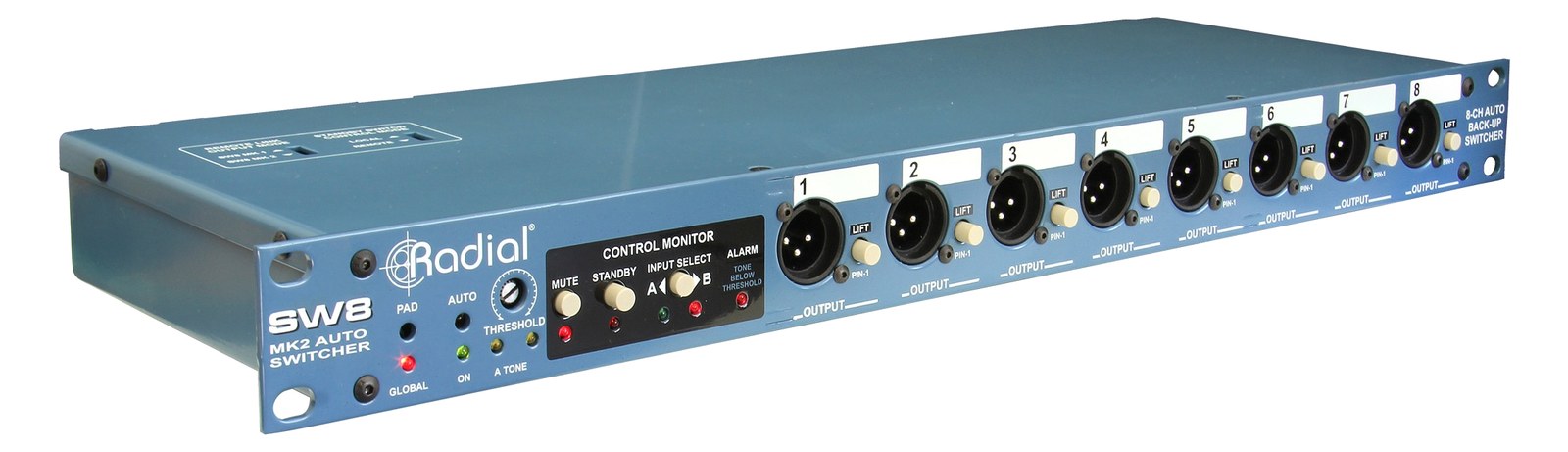 | 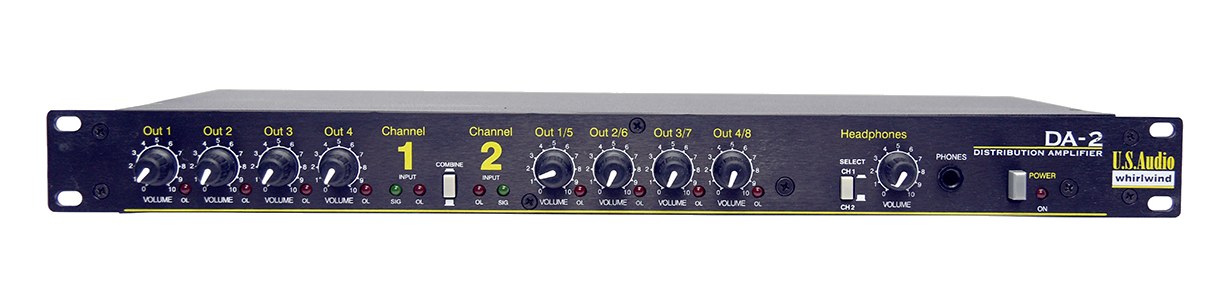 | 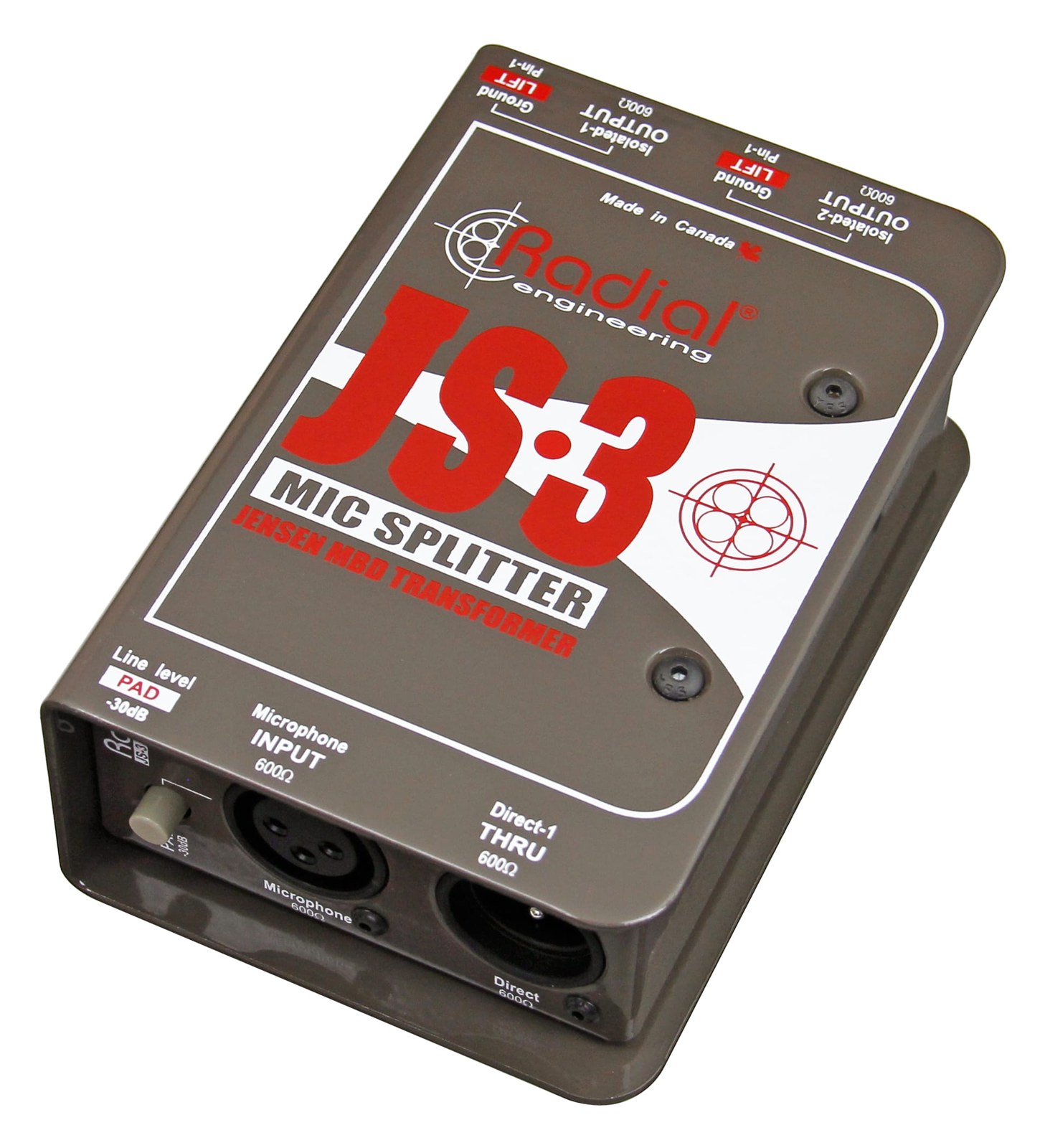 | |
|---|---|---|---|---|
| Fit | 📐 2U | 📐 1U | 📐 1U | 📐 Outside rack |
| Power | ⚡ 0W | ⚡ 15W | ⚡ 10W | ⚡ Unverified |
| Weight | ⚖️ Unlisted | ⚖️ 4.4 lb | ⚖️ 3.1 lb | ⚖️ 3.3 lb |
| I/O | 🔌 54 | 🔌 13 | 🔌 7 | 🔌 4 |
| Estimate | 💵 Unlisted | 💵 ~$1,400 | 💵 ~$349 | 💵 ~$299 |
| Deep dive | Current selection | Full comparison → | Full comparison → | Full comparison → |
Short, source-backed answers surface rack fit, power, cabling, and connection details before they become surprises.
It occupies 2U. Its documented depth is 0 mm.
It is verified passive and requires no AC power.
54 documented physical ports, including OUTPUT 1, INPUT 1, OUTPUT 16, OUTPUT 2, INPUT 2, OUTPUT 15.
Digital Mixer
Bring sources together and route separate mixes.
Check: Check available input channels, output routing and signal levels.
Outside rack · 83 ports · ~$2,799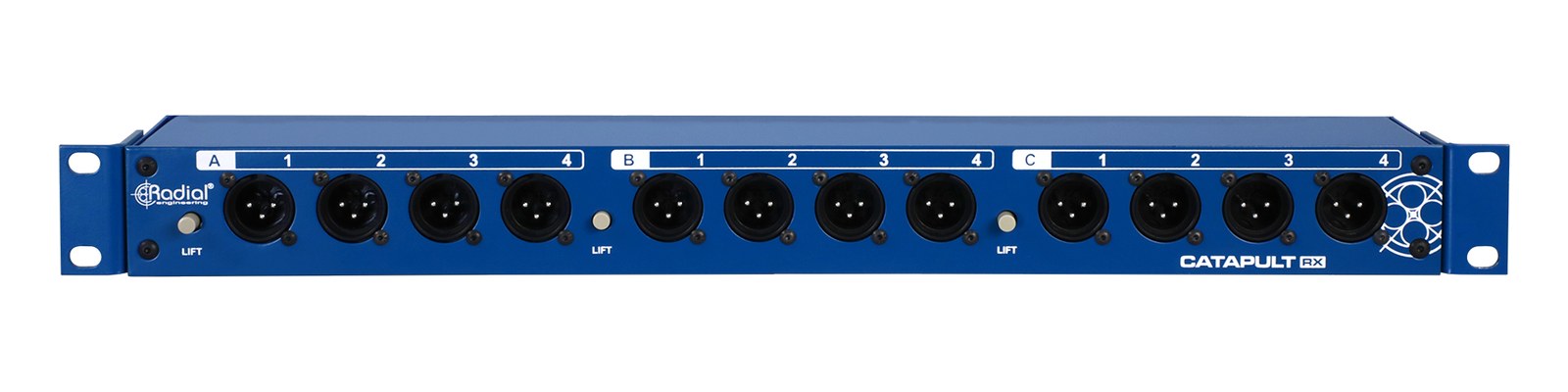
Analog Snake
Carry the split signals to another mix position.
Check: Count channels and check connector genders and split routing.
1U · 18 ports · ~$300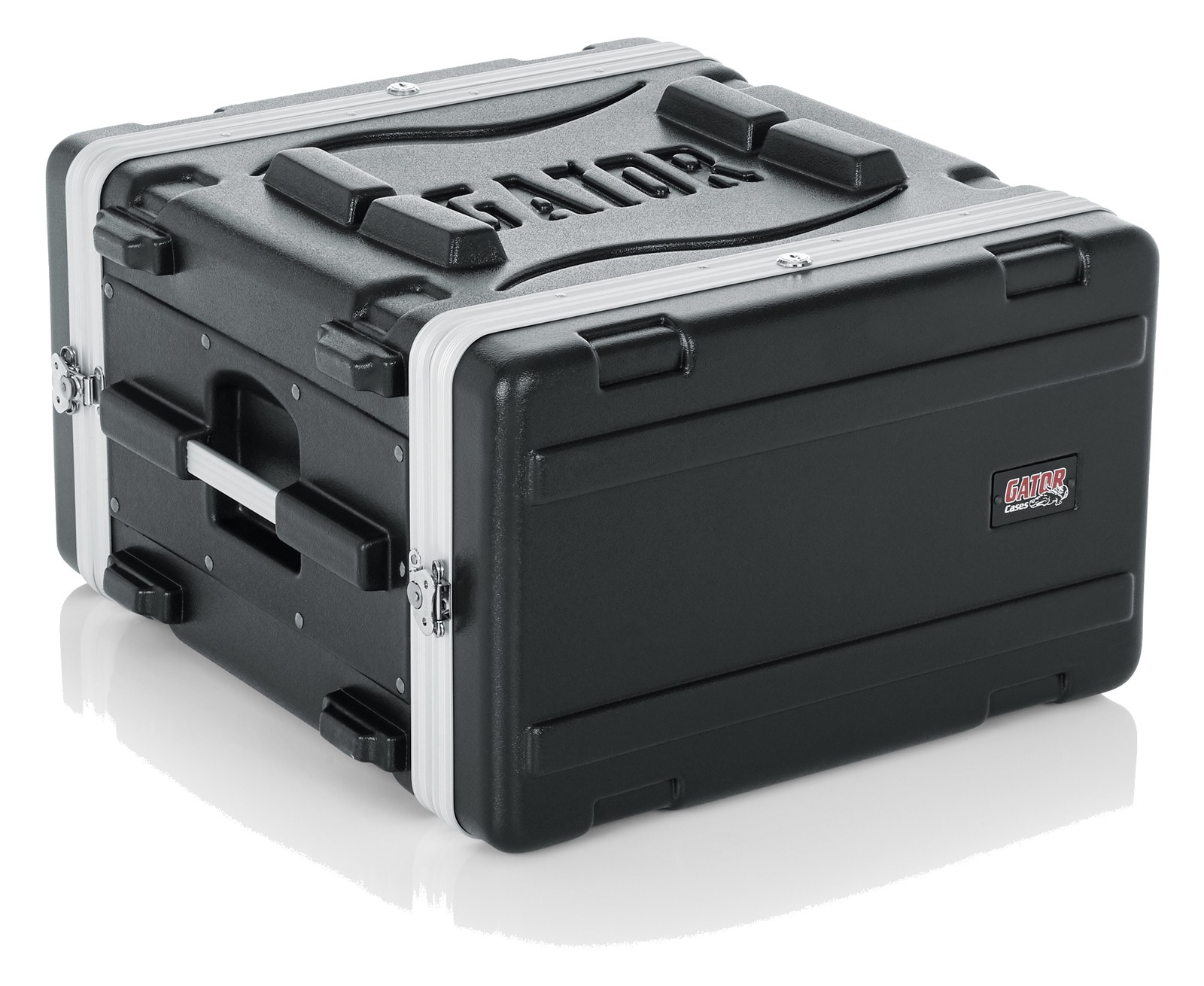
Rack Case
Protect and transport the rack-mounted part of the system.
Check: Allow for total rack units, installed depth, weight and rear cable clearance.
Outside rack · 0 ports · ~$169Planning guides for splitter systems.
Fundamentals · 6 min
A walking tour of the signal path from microphone to in-ear monitor, with what every box in the rack actually does to the audio along the way.
Workflow · 10 min
A plain-English guide to writing the input list, stage plot, and patch sheet that house engineers want — without the jargon, with examples, and with a free way to generate one.
Workflow · 6 min
How to split mic signals between FOH and your IEM rack: transformer-isolated splitters, phantom power rules, and where to place the split in the chain.


