The Westone Audio MACH 50 is a five balanced armature universal IEM aimed at performers who want premium detail and dynamics without going to a custom mold. The added drivers give it more low-end weight and treble extension than the MACH 30 while keeping the same shell shape.
UnverifiedPower requirement is not verified in the catalog
Catalog estimate
~$899Use retailer rows for current price and stock
01 · What it does—and what that changes in your rig.
Product overview
Start with the payoff, then work through how it functions, where it fits, and the details that change a real build.
The payoff
Earphones / IEMs decisions, organized around the whole rig.
The Westone MACH 50 is a five-driver balanced armatureA tiny hearing-aid-derived driver used in pro IEMs — fast and detailed, often several per ear, each covering its own frequency range. universal IEMIn-Ear Monitor — earpieces that replace floor wedges, feeding each player their own mix. The reason this whole rack exists. built for performers who need serious monitoring capability without committing to a custom mold impression. At $899, it sits in the upper tier of the universal IEM market — above entry-level stage monitors but below the bespoke custom world — and it earns that position by packing five balancedCarries the signal on two wires and cancels whatever noise both pick up — why mic cables can run hundreds of feet hum-free. armature drivers into Westone's proven universal shell. The role it plays in your rig is straightforward: it's the transducer at the end of the chain, and everything upstream only matters as much as what lands in the ear.
Five balanced armaturesA tiny hearing-aid-derived driver used in pro IEMs — fast and detailed, often several per ear, each covering its own frequency range. means dedicated driver coverage across the frequency range, which in practice translates to low-end weight that single- and dual-driver universals typically can't deliver, plus treble extension that lets you hear bow hair on strings, pick attack, and cymbal shimmer without fatigue. On a loud stage with dense mixes, that resolution matters — you're not guessing where the kick sits relative to the bass DIDirect Injection box — converts an instrument’s unbalanced signal to a balanced mic-level XLR so it can run long cables without noise., you're hearing it. The universal fit means no lead time and no audiologist appointment, which is operationally valuable for a rental set or a last-minute sub who can't use your customs. Fit consistency will vary between ears, so foam or silicone tip selection at soundcheck is not optional.
Best fit
Where it earns its place in the system
The MACH 50 makes sense for a working musician or monitor engineer stocking a house IEMIn-Ear Monitor — earpieces that replace floor wedges, feeding each player their own mix. The reason this whole rack exists. package, a touring performer who wants a premium universal as a backup to their customs, or someone stepping up from a budget IEM who's ready to hear what a well-designed multi-driver universal actually does. It is not the right call if you need the isolation and precise fit lock of a custom mold for a genuinely loud stage environment — physical seal is still the ceiling for what any universal can achieve, and $899 doesn't change that physics. If your budget can stretch further and fit consistency is mission-critical, the custom route deserves serious consideration.
In the rack
Details worth deciding before load-in.
Carry at least three tip sizes in your kit bag — foam, wide-bore silicone, and standard silicone — because the tip that seals correctly on one performer will leak on the next, and a leaking universal at this price level is a waste of the driver array.
When patching these into a house IEMIn-Ear Monitor — earpieces that replace floor wedges, feeding each player their own mix. The reason this whole rack exists. system as a loaner pair, label them with the cable connection standard they ship with and verify compatibility with your bodypack before the artist walks out — Westone uses their own proprietary connector, so a generic MMCX or 2-pin cable won't work.
If you're using the MACH 50 as a backup to your customs, do a full soundcheck reference listen through them at least once per run so you know your mix translation — five BAs read differently than the driver configuration in your molds, and a crisis is the wrong time to recalibrate your ears.
Store them in a hard case in the rack drawer or monitor worldThe side-stage domain of the monitor engineer — console, IEM racks, and everything feeding the band’s ears instead of the audience. bag, not loose in a pouch with cables — at 20 grams the shells are light, but balanced armatureA tiny hearing-aid-derived driver used in pro IEMs — fast and detailed, often several per ear, each covering its own frequency range. drivers don't survive being pinched under a connector.
03 · What this product asks of the rest of the system.
Compatibility
Treat connector names as the start of the check—not the answer. These are the boundaries that determine a complete working path.
Best fit · Earphones / IEMs
Use it as earphones / iems tracked outside rack rails; follow the manufacturer’s mounting and form-factor guidance.
Plan the companion path
Use documented companion accessories and system pairing; no physical connector map is verified for this catalog item.
Documentation boundary
No physical connector map is documented. Do not infer compatibility from category or product shape alone.
05 · Compare the decision, not just the price.
Alternatives
The rows are organized around fit, power, I/O, and system role so a cheaper unit cannot hide a more expensive workflow.
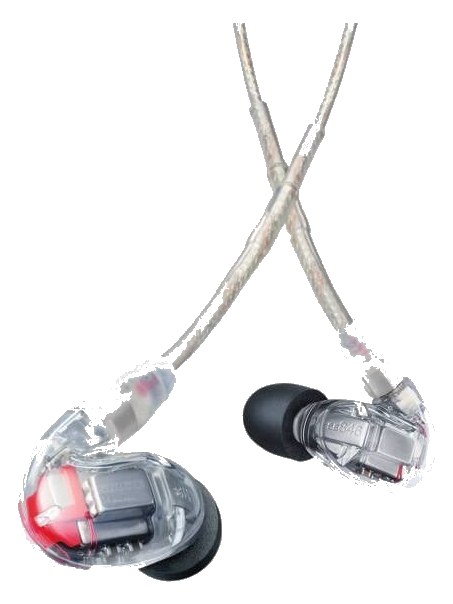
MACH 50The Westone Audio MACH 50 is a five balanced armature universal IEM aimed at performers who want premium detail and dynamics without going to a custom mold. The added drivers give it more low-end weight and treble extension than the MACH 30 while keeping the same shell shape.View gear →
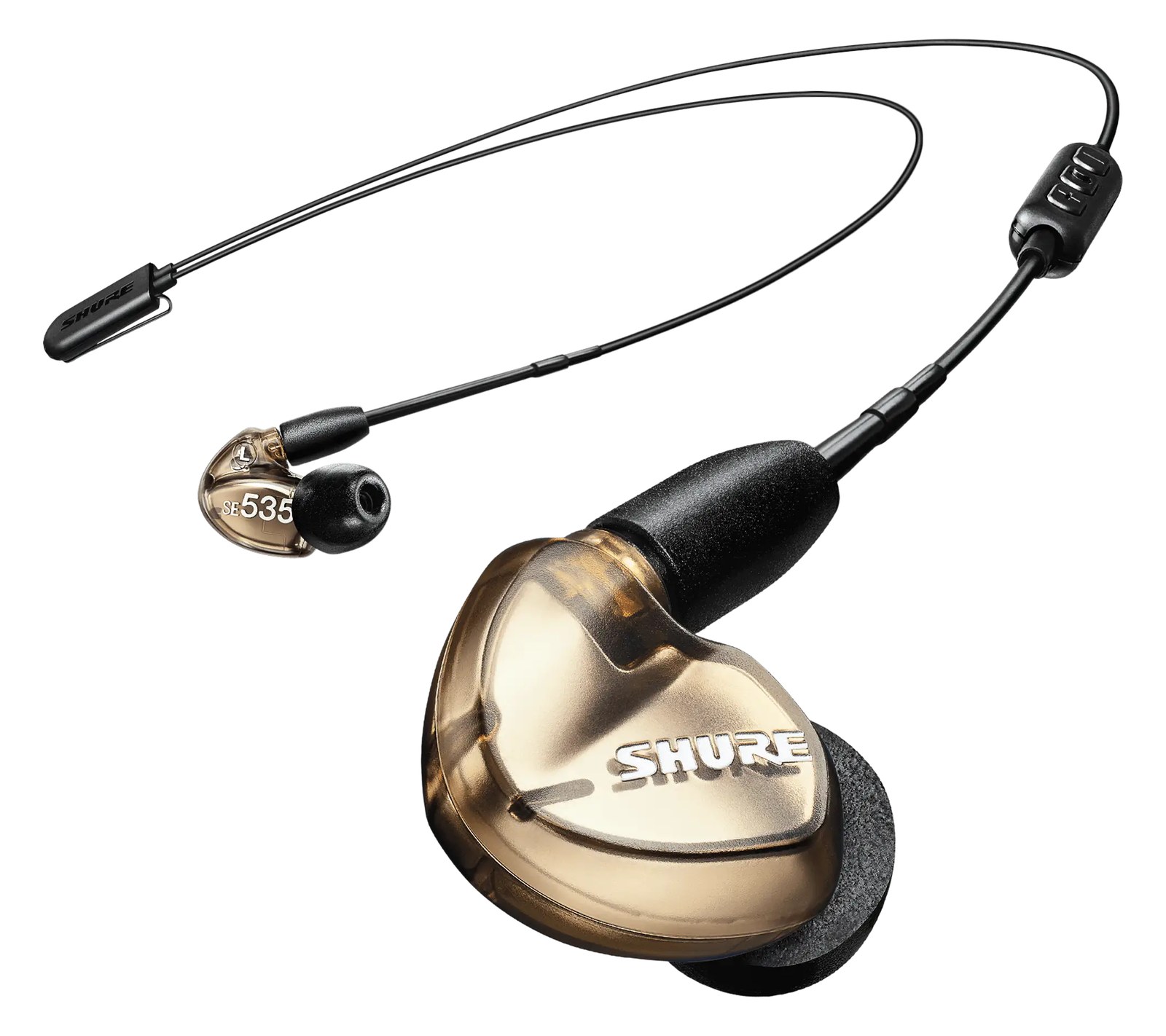
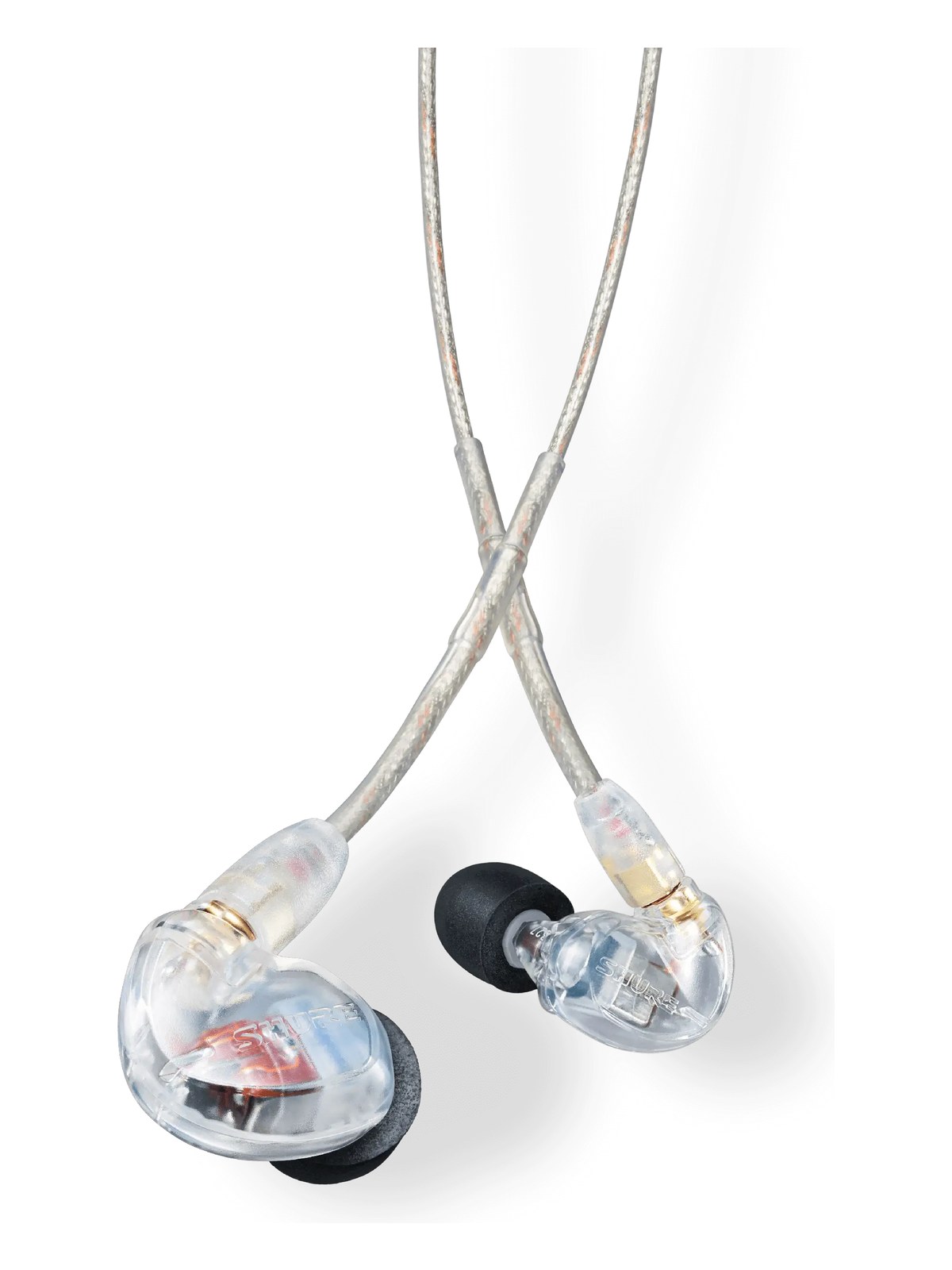
SE846The Shure SE846 is a flagship universal-fit IEM with four balanced armature drivers per side, delivering exceptional detail and low-end extension that rivals many custom-molded options. Interchangeable nozzle inserts let you tune the frequency response to taste, and the detachable MMCX cables make replacement easy on the road. These are a top-tier choice for performers who want premium sound quality without the wait and expense of custom ear molds.View gear →
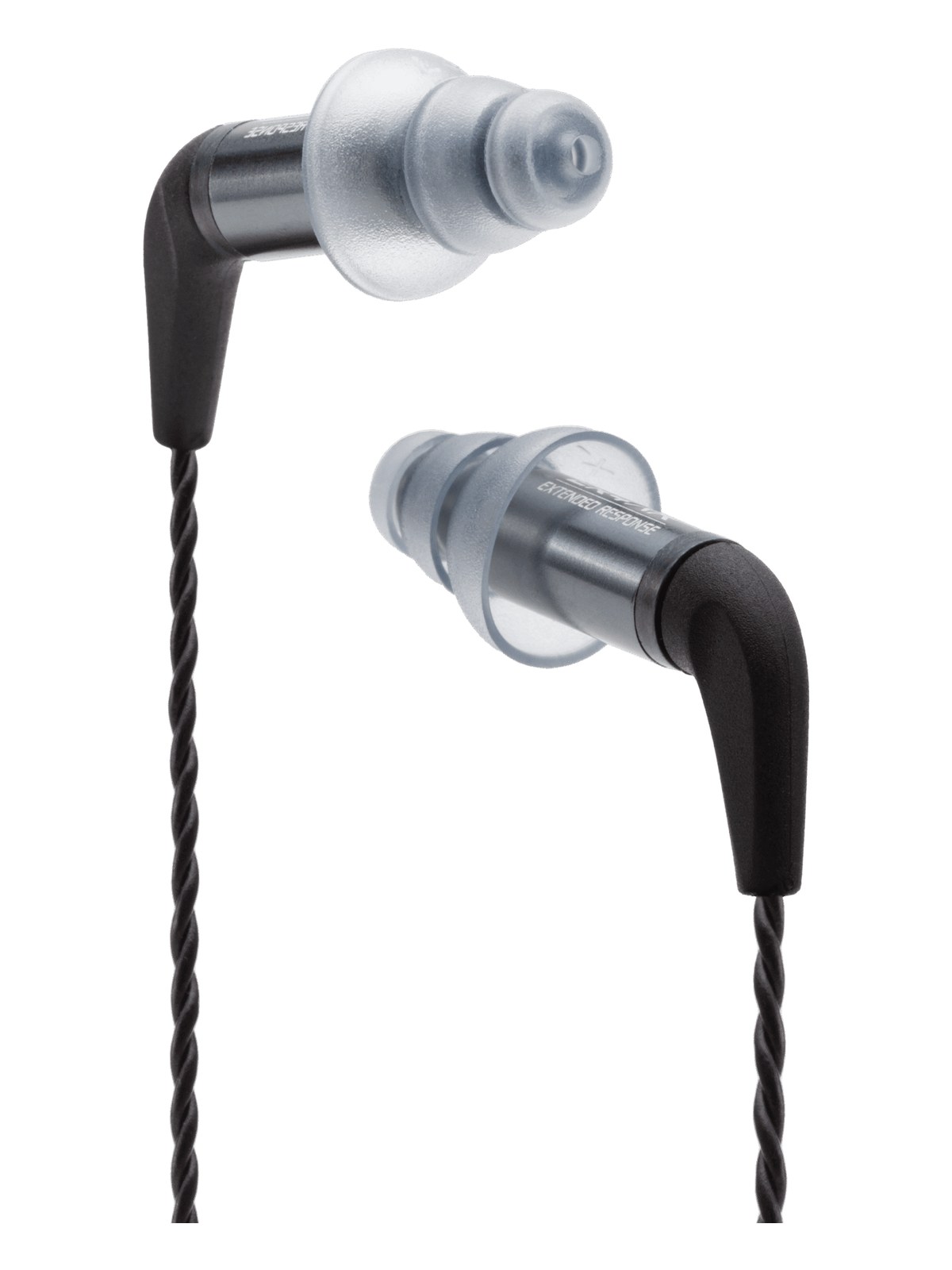
ER4XRThe Etymotic ER4XR is a single balanced armature driver IEM known for its remarkably flat and accurate frequency response, favored by audio engineers and musicians who prioritize monitoring accuracy over hype. The deep-insertion tri-flange tips provide outstanding noise isolation, which is valuable in loud stage environments. A great choice for engineers who use IEMs as reference monitors and need to hear exactly what the mix is doing.View gear →
AM Pro X30The Westone AM Pro X30 is designed specifically for performing musicians, with ambient sound ports that let in a controlled amount of stage sound alongside your IEM mix. This helps performers who feel disconnected from the live environment when using fully isolating IEMs, providing a more natural monitoring experience. The triple-driver design delivers a balanced frequency response that works well across all instrument types and vocal ranges.View gear →
06 · Resolve the questions that can change the purchase or build plan.
Planning questions
Short, source-backed answers surface rack fit, power, cabling, and connection details before they become surprises.
Where does the Westone Audio MACH 50 IEM live in a complete rig?
The catalog assigns it no rack units. Builder tracks it as non-rack gear; follow the manufacturer’s mounting, case, and form-factor guidance.
How much power does the Westone Audio MACH 50 IEM draw?
Its power requirement is not yet verified in the catalog.
07 · See this gear inside a complete system plan.
Builder preview
Builder keeps non-rack gear in the same bill of materials, budget, dependency, and connection plan as the rack-mounted system around it.Open in Builder