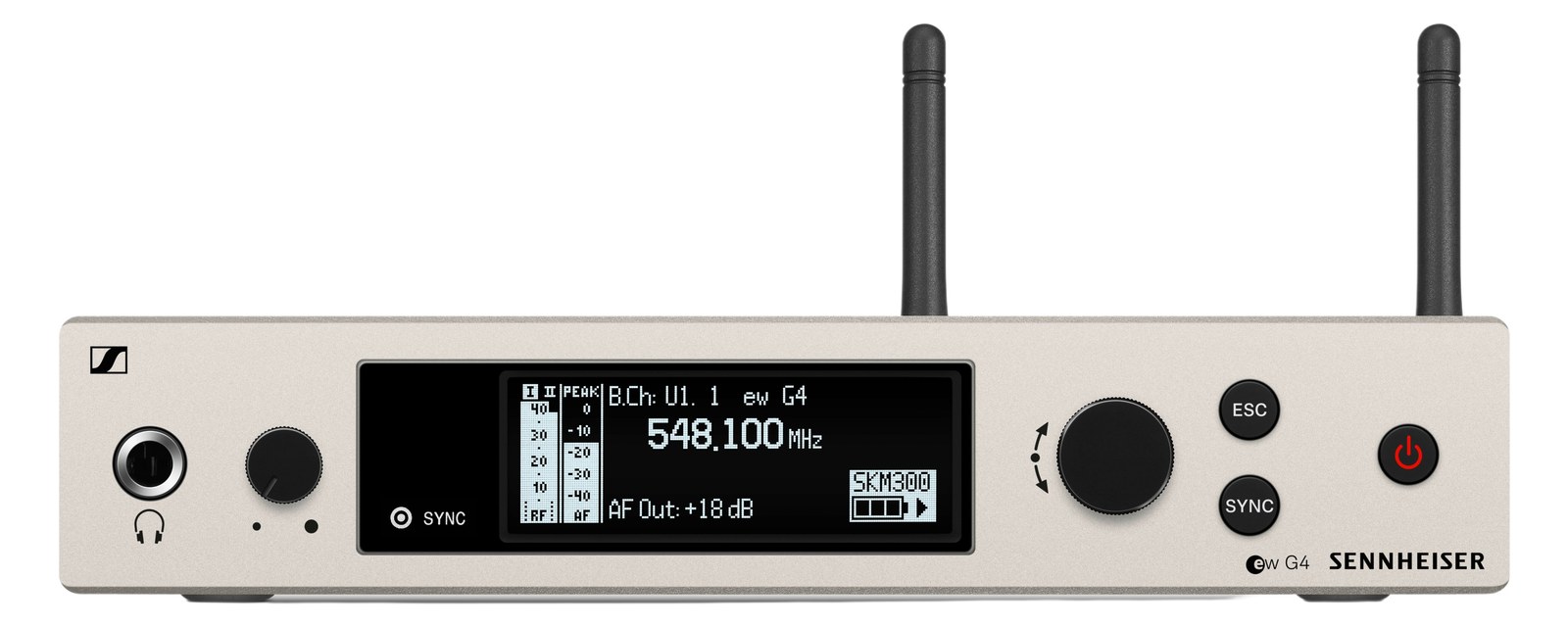
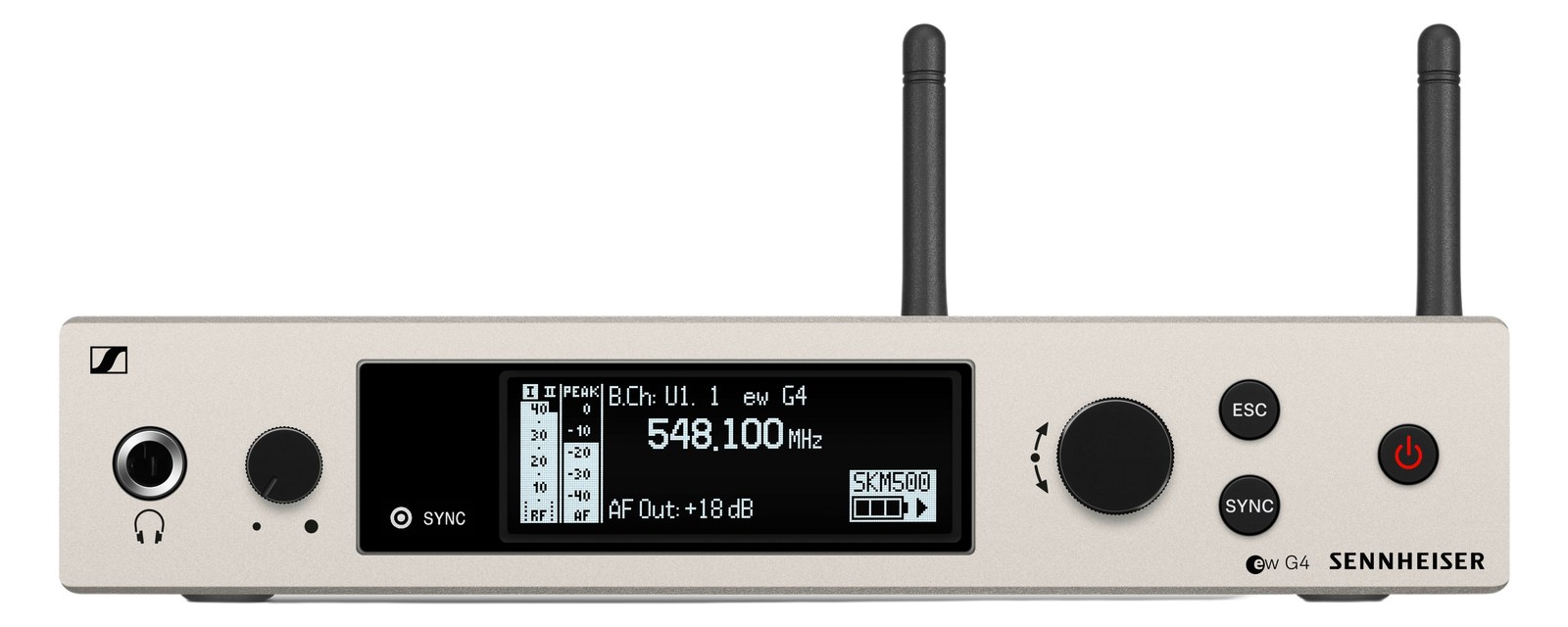
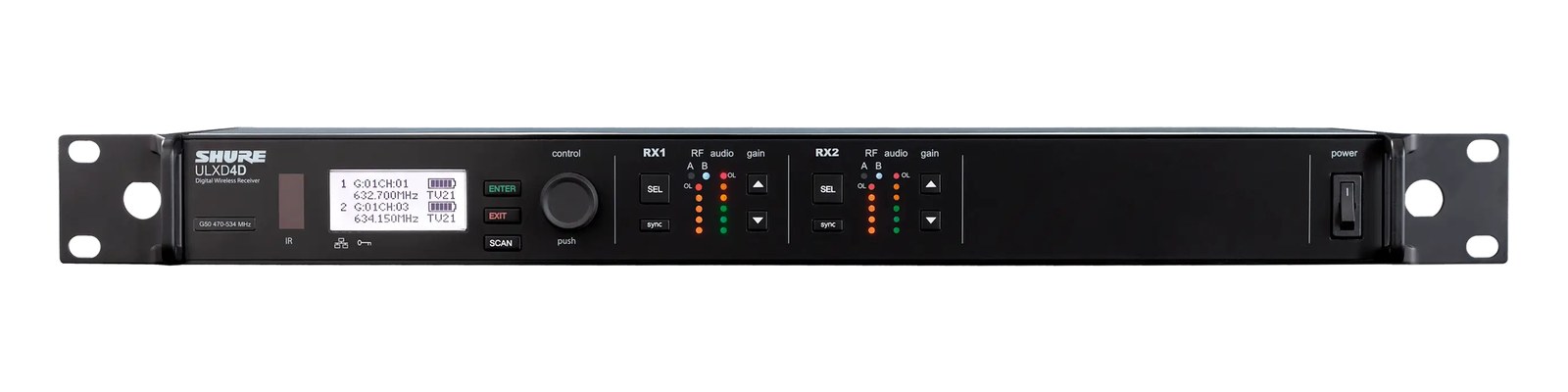
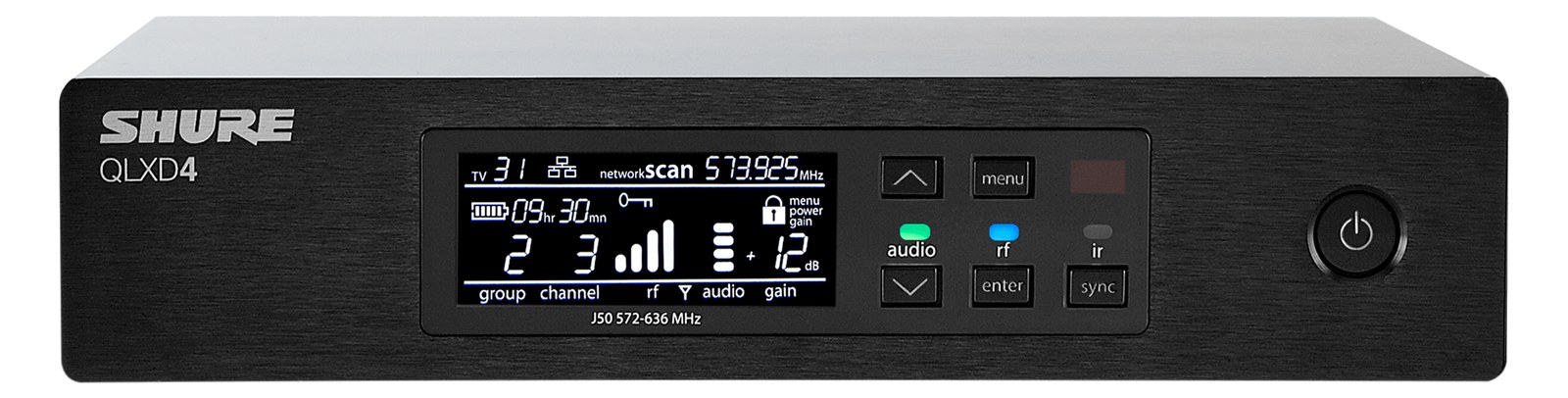
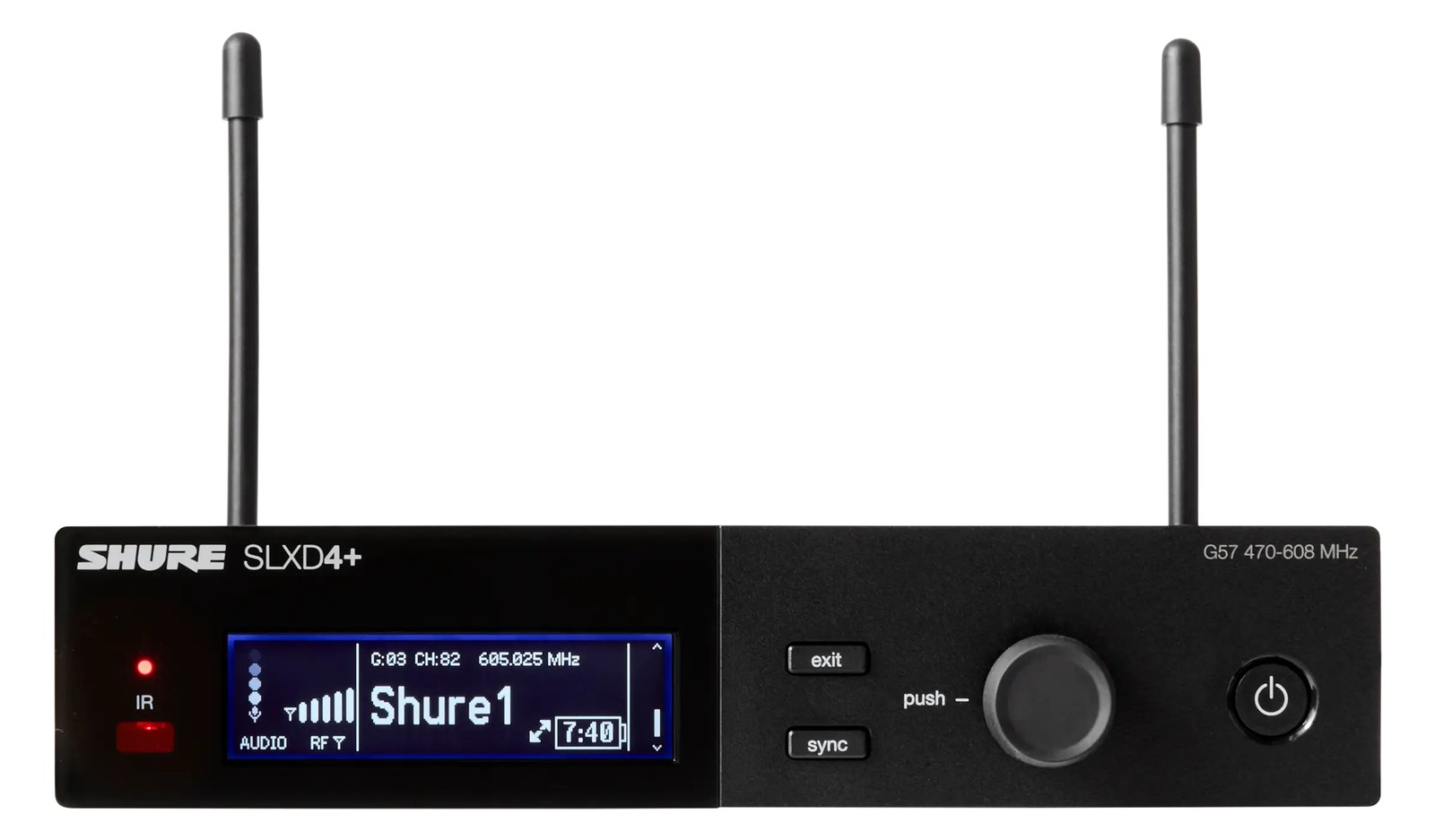
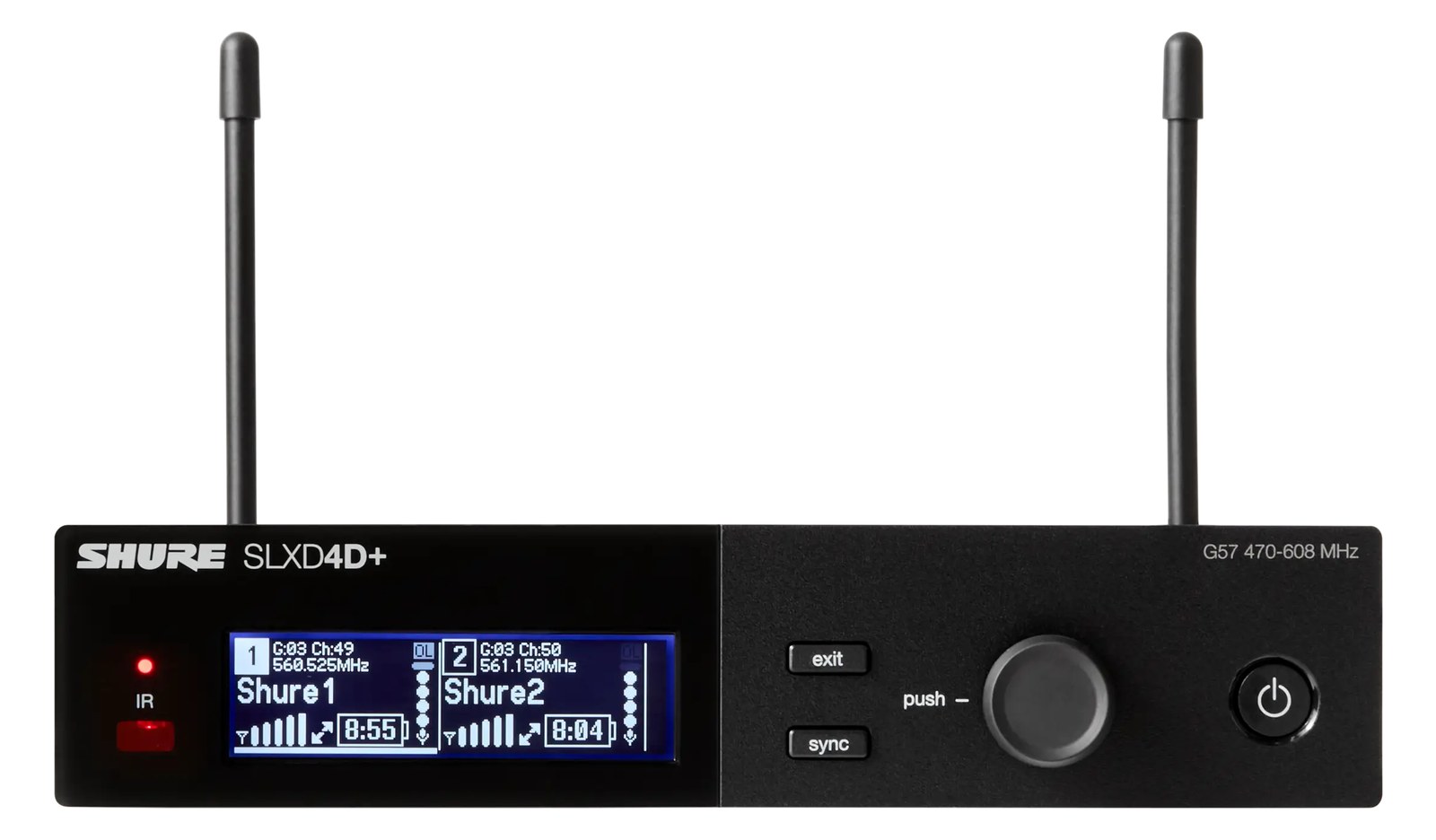
The ATW-R3210 mic receiver brings Audio-Technica's 3000 Series performance to wireless vocal and lavalier applications, with network-enabled control and Dante-ready connectivity. The half-rack form factor allows efficient use of rack space, and the Ethernet connection enables remote monitoring through A-T's Wireless Manager software. A competitive mid-range option for productions that want networking features without the price premium of flagship systems.
~$549Use retailer rows for current price and stock
01 · What it does—and what that changes in your rig.
Product overview
Start with the payoff, then work through how it functions, where it fits, and the details that change a real build.
The payoff
Wireless Mic decisions, organized around the whole rig.
The ATW-R3210 is Audio-Technica's mid-tier answer to the question every monitor engineer eventually asks: how do you get reliable wireless vocal or lav reception into a rack without either blowing the budget or giving up remote visibility? At half a rack unitThe standard slice of rack height: 1U = 1.75″. A 3U box takes three slices; half-rack gear pairs two units side by side in one. wide and 1U tall, it slots in as a single channel — XLRThe standard 3-pin locking connector for mics and balanced line signals — pin 1 is the shield, pins 2 and 3 carry the balanced pair. out, two BNCThe twist-lock coax connector used for word clock and antenna runs — it locks, so it can’t be pulled out mid-show. antenna inputs for diversityA receiver with two antennas and two radio sections that continuously picks the stronger one — the difference between a dropout and a show., and an Ethernet port that connects it to A-T's Wireless Manager software for remote monitoring and control. It is a focused, single-channel receiver built for productions that run multiple units and want to manage them from the network rather than crawling behind the rack between sets.
Documented outputs
22 destination connections
Documented inputs
3Based on documented inputs
Rack space
1U · half-rackBuilder checks available rail space
Audio-Technica product panel1U · half-rack · 7W
Function
How it works in the path
Seven watts nominal draw and a 200mm depth mean it fits cleanly into shallow utility racks without fighting for real estate or tripping your power budget. The two BNCThe twist-lock coax connector used for word clock and antenna runs — it locks, so it can’t be pulled out mid-show. inputs give you standard passive antenna diversityA receiver with two antennas and two radio sections that continuously picks the stronger one — the difference between a dropout and a show. — run your paddlesA directional antenna (paddle, LPDA, helical) aimed at the stage — focuses coverage where the performers are and rejects RF from elsewhere. or a distroOne pair of antennas feeding many receivers through an amplified splitter — replaces the forest of whips and keeps RF levels consistent. and it behaves exactly as you'd expect. The Ethernet port is the spec that actually changes your day: with Wireless Manager you can check RFRadio Frequency — the wireless part of wireless. RF planning is why big rigs scan, coordinate, and combine antennas instead of hoping. status, battery life, and gainHow much the preamp amplifies the incoming signal. Too low and you’re hunting through hiss; too high and peaks clip. from FOHFront Of House — the main mix the audience hears, and the console position out in the room where it gets mixed. or monitor worldThe side-stage domain of the monitor engineer — console, IEM racks, and everything feeding the band’s ears instead of the audience. without sending a runner to the rack. The notes flag DanteThe most common audio-over-network standard: dozens of channels of uncompressed digital audio down one ordinary Ethernet cable between Dante boxes., which suggests network audio capability beyond the analog XLRThe standard 3-pin locking connector for mics and balanced line signals — pin 1 is the shield, pins 2 and 3 carry the balanced pair. output, though your signal chain integration should be confirmed against current firmware and your specific Dante setup before show day.
Best fit
Where it earns its place in the rack
This receiver earns its place in a mid-size touring or corporate production rig where you're running four to eight channels and network oversight matters more than the absolute top-end RFRadio Frequency — the wireless part of wireless. RF planning is why big rigs scan, coordinate, and combine antennas instead of hoping. performance of flagship systems. If you're running a single channel in a pub or small club, a simpler receiver at a lower price point is probably smarter. If you're on a dense festival RF plot where you need the full coordination muscle and analog output redundancyA second copy of anything critical — supply, computer, network path — already running so one failure can’t stop the show. of something like Shure Axient or Sennheiser 9000 Series, this isn't that system. But for the regional touring market or a well-managed corporate AV rack where budget discipline and network visibility are both on the brief, the 3210 is a credible, practical choice.
In the rack
Details worth deciding before load-in.
Pair two ATW-R3210 units side by side in a single 1UThe standard slice of rack height: 1U = 1.75″. A 3U box takes three slices; half-rack gear pairs two units side by side in one. half-rack tray to keep your wireless bay tidy and leave full rack units free for processing — most rack builders offer blanking panels with dual half-rack cutouts specifically for this.
Run a dedicated network switch in the rack and home-run Ethernet from each receiver to it; Wireless Manager needs stable network access to be useful during a show, and a daisy-chained consumer switch under load will cost you visibility at the worst moment.
Label your BNCThe twist-lock coax connector used for word clock and antenna runs — it locks, so it can’t be pulled out mid-show. antenna runs A and B at both ends before the rig goes out — on a dark stage during a quick changeover, swapped antenna cables on a diversityA receiver with two antennas and two radio sections that continuously picks the stronger one — the difference between a dropout and a show. receiver are a silent problem that won't announce itself until you see RFRadio Frequency — the wireless part of wireless. RF planning is why big rigs scan, coordinate, and combine antennas instead of hoping.dropoutA brief audio gap when the radio link fails — the thing diversity, distros, and coordination all exist to prevent. on the meter.
Verify your DanteThe most common audio-over-network standard: dozens of channels of uncompressed digital audio down one ordinary Ethernet cable between Dante boxes. routing and firmware version in the shop before the gig, not at load-in; if you're integrating the network audio path into your console or playback rig, that confirmation needs to happen with time to spare.
02 · Know the whole path before you buy.
Signal path
Learn the route as a block diagram: source, product function, transport, and destination. Select any block to see what enters, what changes, and what leaves.
Interactive block diagramAuto-looping · hover, focus, or tap to hold a stage
Port-type signalProduct functionSystem boundary
Follow one signal from source to destination
Each block answers the same three questions: what arrives, what changes here, and what leaves.
01 · Source · selected
bnc + dc barrel
XLR male + ¼-inch TS
01 · Source
3 documented inputs
bnc + dc barrel
Arrives as
3 documented inputs
Connector
bnc + dc barrel
Signal
antenna
03 · What this product asks of the rest of the system.
Compatibility
Treat connector names as the start of the check—not the answer. These are the boundaries that determine a complete working path.
Best fit · Wireless Mic
Use it when 1U · half-rack and 200 mm of depth fit the case.
Plan the companion path
Complete the path with upstream and downstream gear that matches connector, direction, signal type, protocol, and wiring standard.
Connector boundary
Documented connectors: XLR male, ¼-inch TS, bnc, dc barrel. Match connector, direction, and signal type—not shape alone.
04 · Every connector, grouped by job.
I/O ports
Switch the product view and the documented port inventory updates with it—hardware and data stay side by side.
Every connector, grouped by job.
Switch panels to keep the hardware view and the documented port list in sync.
Front panelRear panel
All documented ports for Audio-Technica ATW-R3210 3000 Series Mic Receiver
Port
Panel
Connector
Direction
Signal
Channels
Bal Out (XLR)
rear
XLR male
output
analog audio
—
Unbal Out (6.3mm mono)
rear
¼-inch TS
output
analog audio
—
Antenna A
rear
bnc
input
antenna
—
Antenna B
rear
bnc
input
antenna
—
DC In (12V)
rear
dc barrel
input
power
—
Showing 5 of 5 documented physical ports.
05 · Compare the decision, not just the price.
Alternatives
The rows are organized around fit, power, I/O, and system role so a cheaper unit cannot hide a more expensive workflow.
ATW-R3210The ATW-R3210 mic receiver brings Audio-Technica's 3000 Series performance to wireless vocal and lavalier applications, with network-enabled control and Dante-ready connectivity. The half-rack form factor allows efficient use of rack space, and the Ethernet connection enables remote monitoring through A-T's Wireless Manager software. A competitive mid-range option for productions that want networking features without the price premium of flagship systems.View gear →
ATW-R5220The Audio-Technica ATW-R5220 is a high-end dual-channel wireless receiver from A-T's flagship 5000 Series, offering true diversity reception and native Dante output in a full-rack form factor. It competes directly with the Shure ULXD4D and Sennheiser 500 series in audio quality and RF performance. The Dante integration and dual-channel design make it space-efficient for productions that need professional-grade wireless without committing to the Shure or Sennheiser ecosystems.View gear →
ATW-3212The Audio-Technica ATW-3212 is a single-channel receiver from the 3000-series wireless line, paired with the matching bodypack or handheld transmitter. Solid build and a friendly price make it a common pickup for working musicians, schools, and small venues.View gear →
06 · Resolve the questions that can change the purchase or build plan.
Planning questions
Short, source-backed answers surface rack fit, power, cabling, and connection details before they become surprises.
How will the Audio-Technica ATW-R3210 3000 Series Mic Receiver affect rack fit and case depth?
It occupies 1U · half-rack. Its documented depth is 200 mm.
How much power does the Audio-Technica ATW-R3210 3000 Series Mic Receiver draw?
Typical draw is 7W and documented maximum draw is 10W.
What connections does the Audio-Technica ATW-R3210 3000 Series Mic Receiver have?
5 documented physical ports, including Bal Out (XLR), Unbal Out (6.3mm mono), Antenna A, Antenna B, DC In (12V).
07 · See this unit inside a real rack plan.
Builder preview
Placement is only the start. Builder checks space · depth · weight, power headroom, dependencies, and compatible signal paths around this exact catalog item.Open in Builder