
Crown XLi 3500 Power Amplifier
Crown·Model XLi 3500·crown-xli-3500
Photos
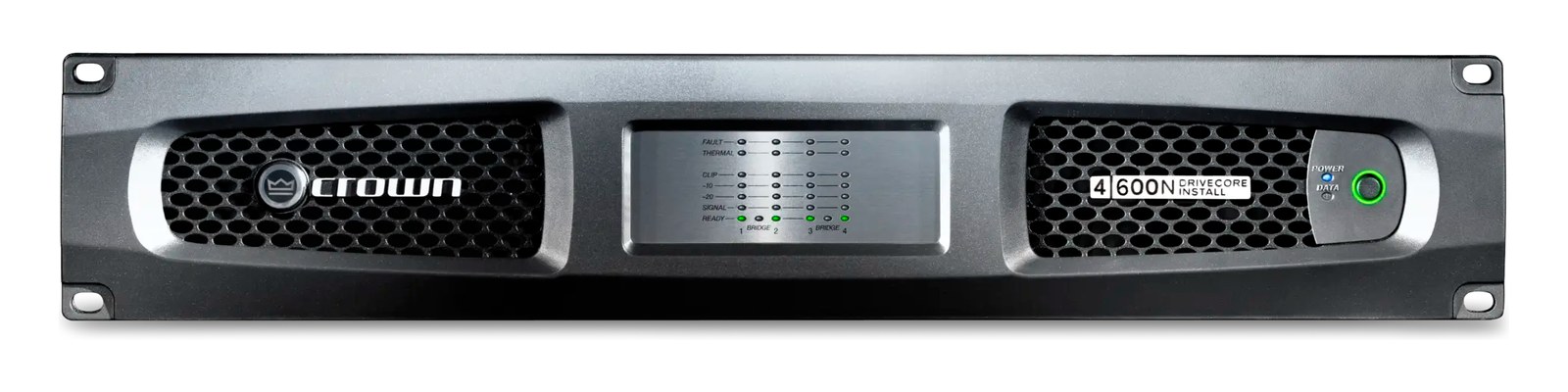
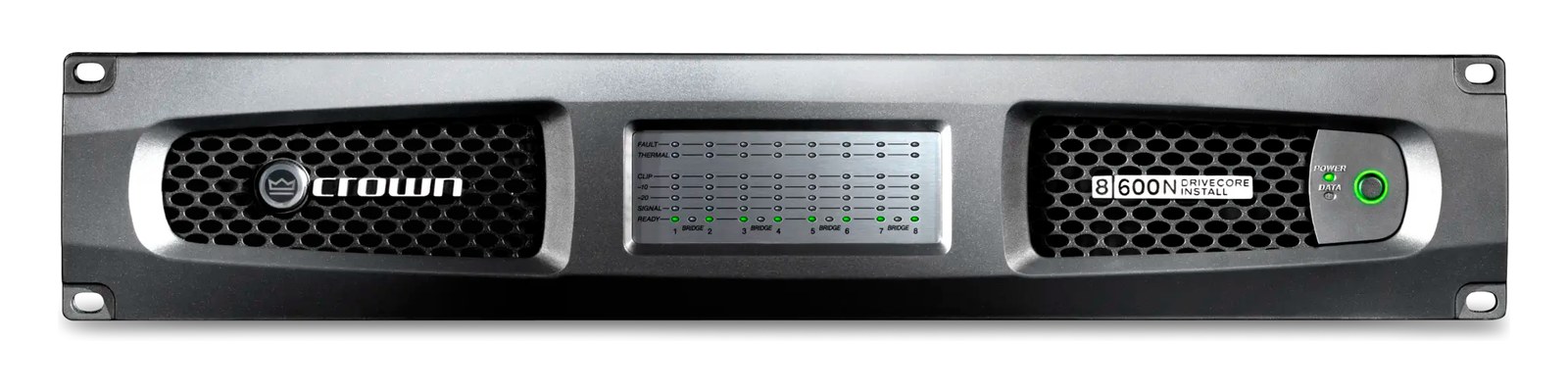
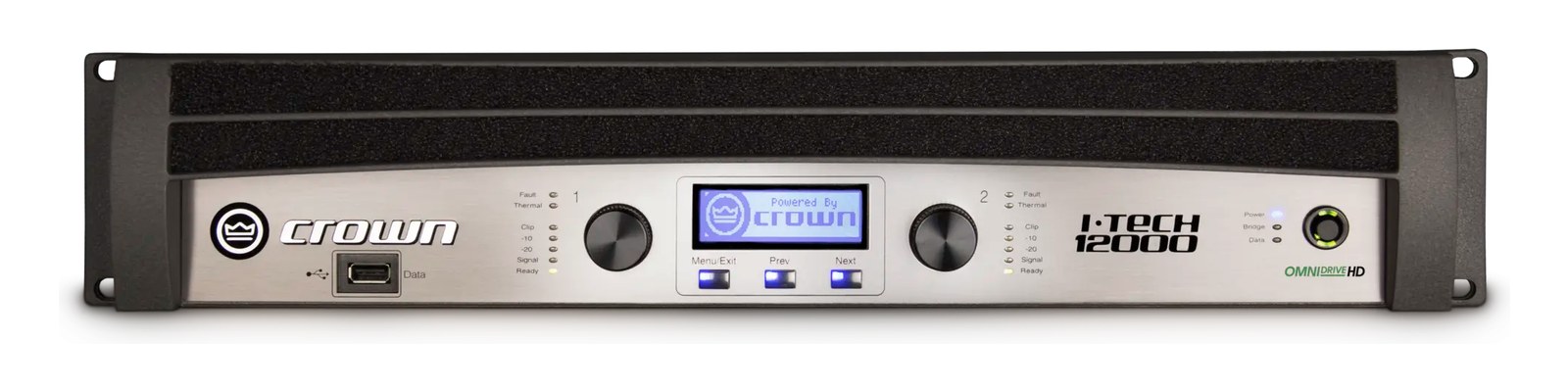
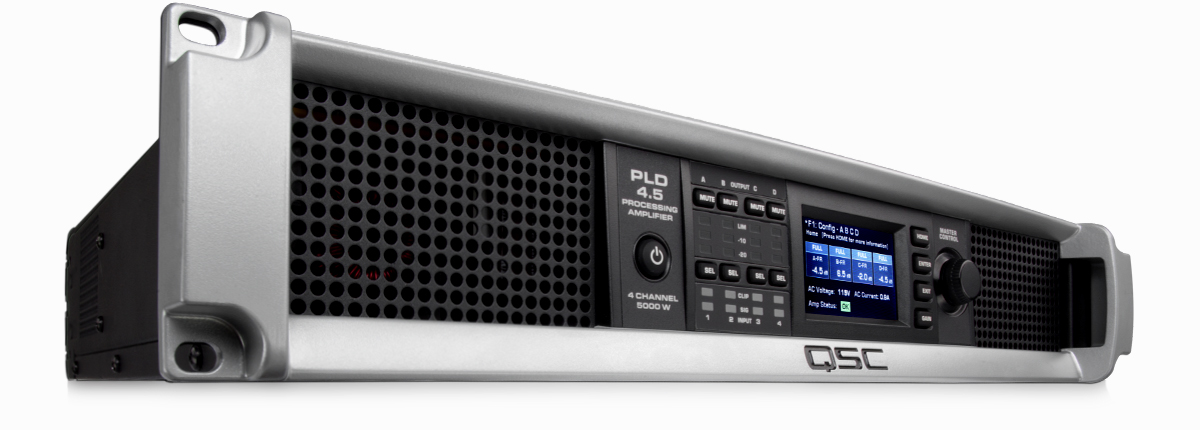
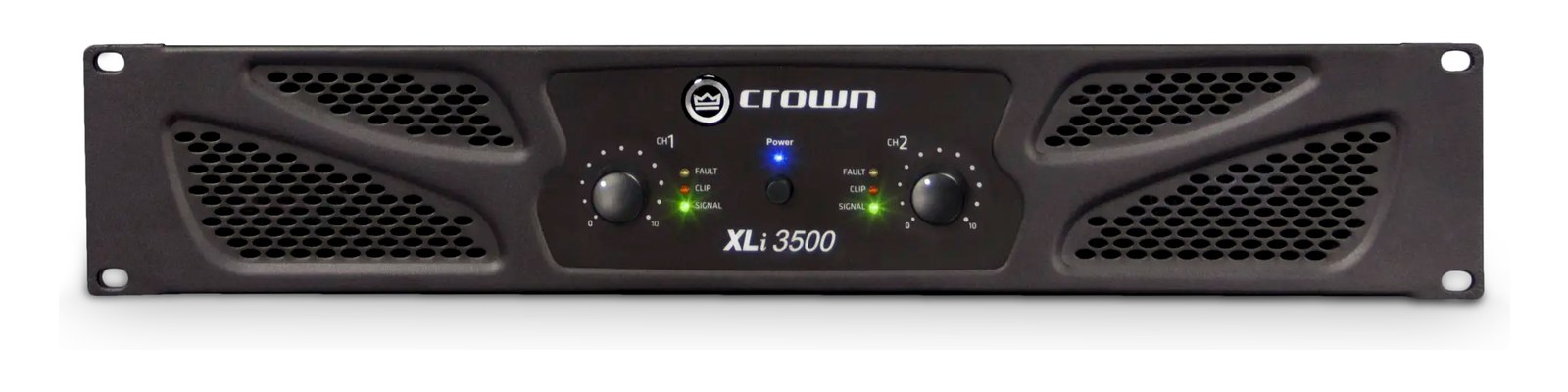
Manufacturer product photography — the drawn faceplate above stays true to panel layout; these show the hardware itself.
About the Crown XLi 3500
The Crown XLi 3500 is the no-nonsense two-channel power amp that has been the entry point to "real touring power" for two decades. 1350W per channel @ 4Ω, no fancy DSPDigital Signal Processing — the number-crunching that does EQ, compression, and effects inside a box. More DSP means more processing at once., no networking — just clean analog amplification with bridge-mono switchable for sub duty. Lives in regional touring rigs, schools, churches, practice rooms, and house systems where simplicity and bulletproof reliability beat features.
The Crown XLi 3500 is a two-channel analog power amplifier that has been earning its rack space in regional touring, house systems, and school auditoriums for a long time. It does one thing: take a line-levelThe strong signal that runs between pieces of gear (about a volt) — hotter than mic level, far below speaker level. signal and push serious wattage to speakers — 1350 watts per channel into 4 ohms, or bridged into mono for sub duty. There is no onboard DSPDigital Signal Processing — the number-crunching that does EQ, compression, and effects inside a box. More DSP means more processing at once., no DanteThe most common audio-over-network standard: dozens of channels of uncompressed digital audio down one ordinary Ethernet cable between Dante boxes. port, no app. That absence is the point. If you already have a proper processor or crossoverSplits audio into frequency bands so each speaker only gets what it can handle — lows to the subs, highs to the horns. upstream, this amp just gets out of the way and delivers power.
At 14 kilograms and 365mm deep, this is a legitimate chunk of iron in a 2UThe standard slice of rack height: 1U = 1.75″. A 3U box takes three slices; half-rack gear pairs two units side by side in one. frame — plan your rack depth and confirm your rails can take the weight before you commit a shelf position. Idle draw is 350 watts, peaking at 1350 watts under load, so on a shared circuit with other gear you need to do the math before load-in, not during. Inputs accept XLRThe standard 3-pin locking connector for mics and balanced line signals — pin 1 is the shield, pins 2 and 3 carry the balanced pair. or quarter-inch on both channels, which is useful when your patch runs out of tidy options. Speakon outputs are the right call for anything carrying real wattage to a cabinet.
This amp belongs in a rig where budget is real, the signal chain already has processing, and reliability over hundreds of shows matters more than remote monitoring or built-in limiting. It is a strong choice for wedgeA floor monitor speaker angled up at the performer — the thing IEMs replace, and the thing you fall back on when they die. duty, side-fills, or driving a sub in bridge mono when you do not need the flexibility of a networked amp. If you are building an IEMIn-Ear Monitor — earpieces that replace floor wedges, feeding each player their own mix. The reason this whole rack exists. playback rig where every pound counts, the weight may steer you toward lighter Class D options. If you need onboard DSPDigital Signal Processing — the number-crunching that does EQ, compression, and effects inside a box. More DSP means more processing at once. or danteThe most common audio-over-network standard: dozens of channels of uncompressed digital audio down one ordinary Ethernet cable between Dante boxes. I/O, look elsewhere — but if you just need clean, honest power at this price, the XLi 3500 is hard to argue with.
In the rack
- Bridge it for sub duty by using the bridge-mono switch and feeding your subwoofer from the left Speakon output — just make sure your sub cabinet is rated for the impedanceOpposition to signal flow, in ohms. Low-impedance IEMs are easier to drive loud; mismatches shift level and tone. you are presenting in that mode.
- At 14kg, this amp will flex a shallow rack shelf. Either use a deep rack bag with proper rear support or ensure your road case has a full rear rail — let the rails carry the weight, not the front ears.
- Account for the 1350W peak draw before load-in: on a standard 15A circuit shared with a console, a stage boxThe I/O endpoint on stage: mics plug in there and one digital line (AES50, Dante) carries everything to the console. The snake, digitized., and a power conditionerFilters venue AC, clamps surges, and gives the rack one tidy inlet. Not a voltage regulator and not a battery — just cleaner power., you can run out of headroomThe margin between your normal level and where things clip — headroom is what absorbs the snare hit you didn’t see coming. fast. Put this amp on its own circuit leg if the venue allows it.
- The XLRThe standard 3-pin locking connector for mics and balanced line signals — pin 1 is the shield, pins 2 and 3 carry the balanced pair. and quarter-inch combo inputs mean you can take a direct feed from a crossoverSplits audio into frequency bands so each speaker only gets what it can handle — lows to the subs, highs to the horns.'s TRSTip-Ring-Sleeve — a 1/4″ jack with three contacts carrying a balanced signal or a stereo pair. A guitar plug with one extra ring. output without hunting for an adapter — useful in a pinch, but label the cable clearly so no one patches line levelThe strong signal that runs between pieces of gear (about a volt) — hotter than mic level, far below speaker level. into it expecting a mic input downstream.
Two-channel 1350W per side workhorse. The default budget touring + practice-room amp.
I/O Ports (5)
| Port | Connector | Direction | Signal | Channels |
|---|---|---|---|---|
| Input L (XLR + 1/4") | XLR FEMALE | input | analog audio | — |
| Input R (XLR + 1/4") | XLR FEMALE | input | analog audio | — |
| Speaker Out L (Speakon) | XLR FEMALE | output | analog audio | — |
| Speaker Out R (Speakon) | XLR FEMALE | output | analog audio | — |
- Power (IEC) (IEC C14)
Deciding between two?
Rack space, watts, weight and every connector, side by side.
Related gear


Related articles
Guides from our library that cover planning around power amplifier gear.