
Audio Interface

MOTU 24Ao Audio Interface

MOTU·Model 24Ao·motu-24ao

Discontinued MOTU AVB-era interface gone from major retail 2026-07 — superseded by the 2024+ line (828/16A TB4/848). Kept for owners; used-market staple.

Photos

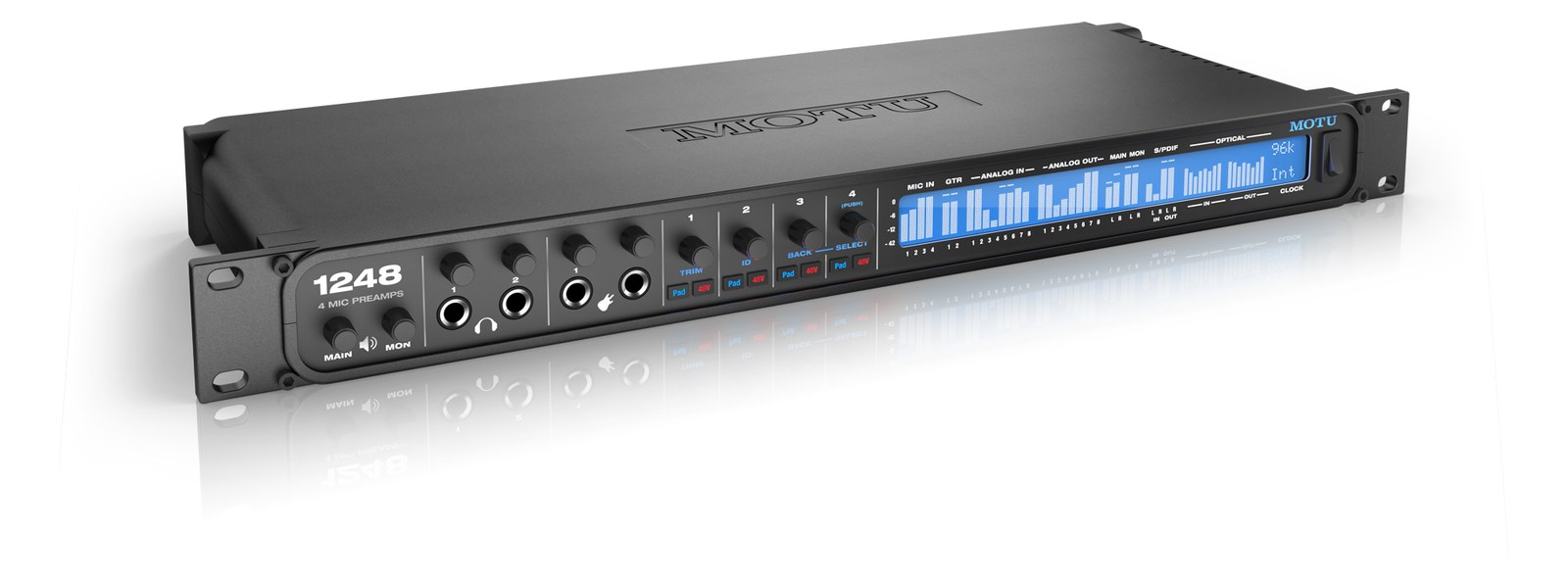
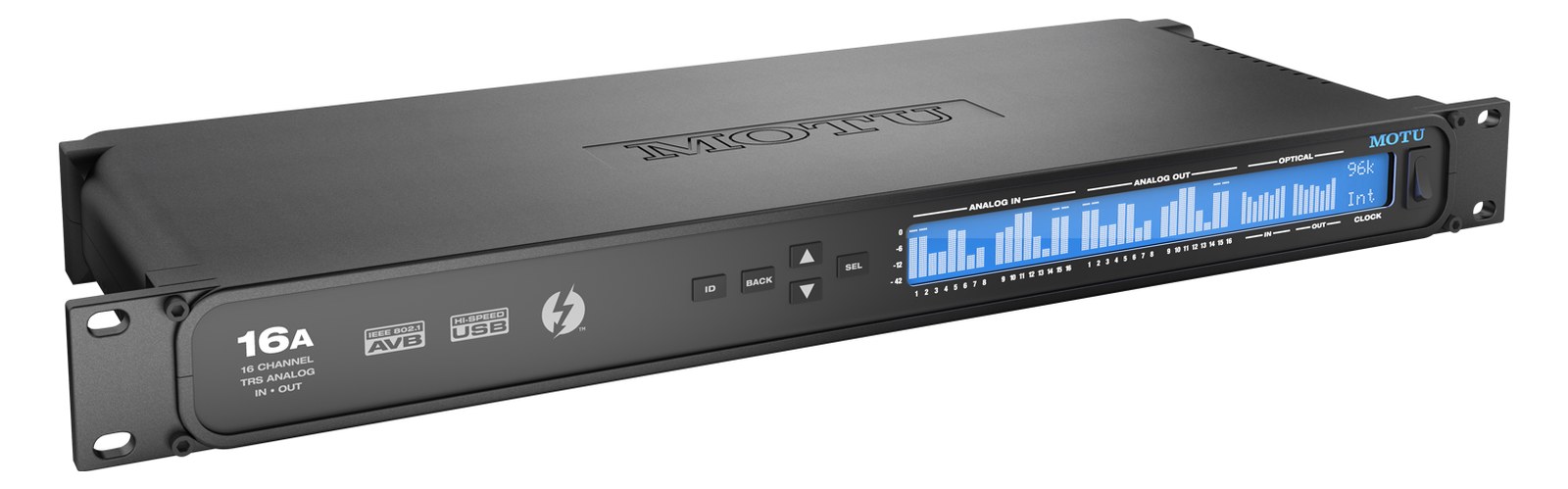
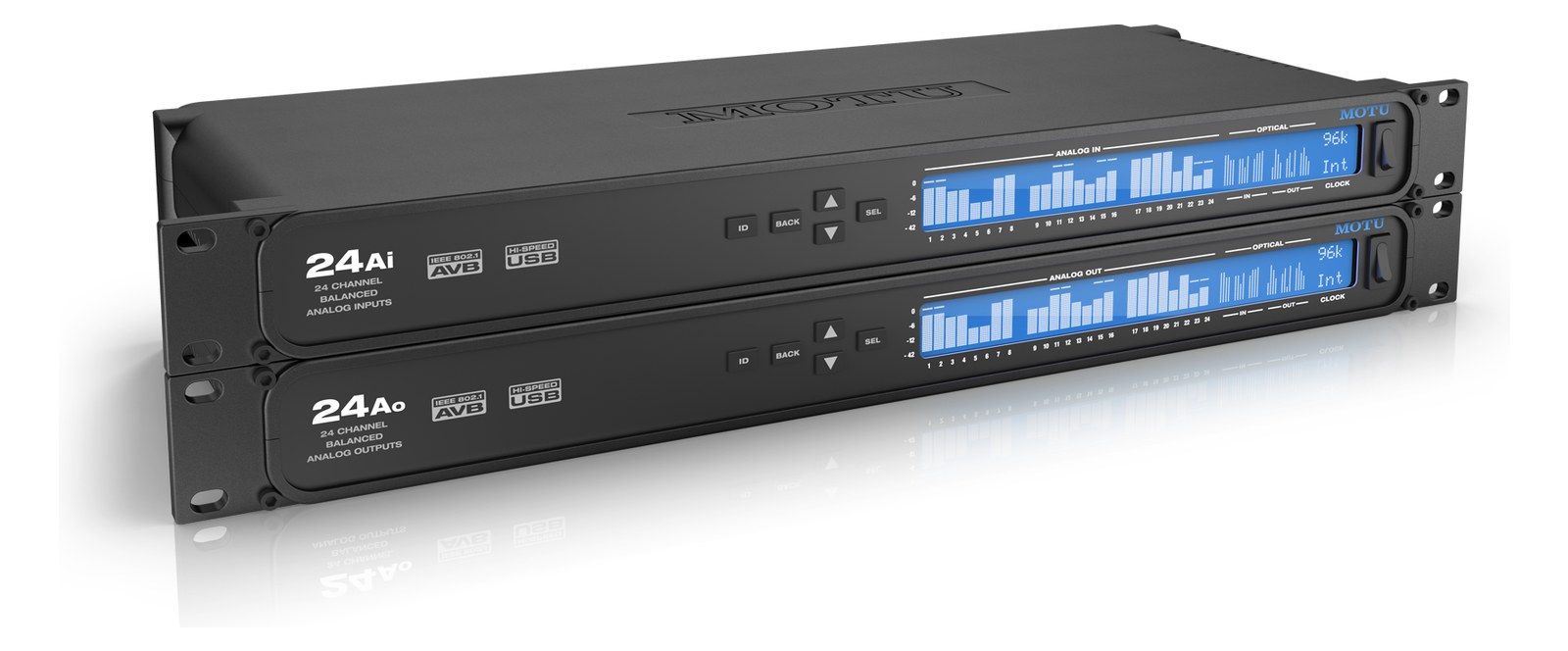
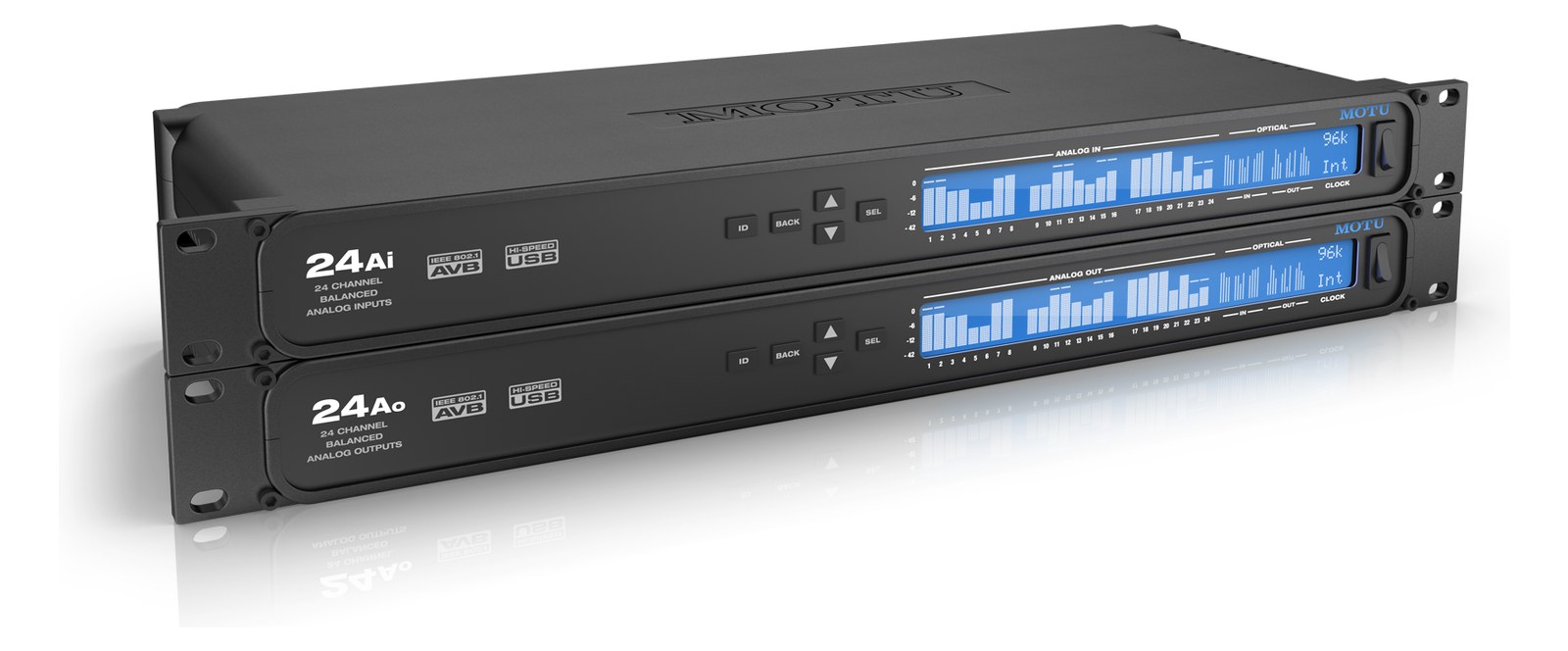
Manufacturer product photography — the drawn faceplate above stays true to panel layout; these show the hardware itself.

Photo: MOTU1 / 2

About the MOTU 24Ao

The MOTU 24Ao is purpose-built for output-heavy applications like IEM rigs, providing 24 channels of analog output on three DB25 connectors. With USB and AVB/TSN networking, it integrates into both traditional and networked audio workflows. The onboard DSP mixer with 48 inputs handles monitor mixing independently, and the ESS Sabre32 converters ensure pristine audio quality to every ear. An excellent choice when you need lots of dedicated outputs for individual IEM mixes.

The MOTU 24Ao is a dedicated output engine — it exists to push analog audio out of your rack in large quantities, and it does almost nothing else. Twenty-four channels of analog output on three DB25 connectors, 1U, 25 watts at idle. There are no mic preamps here, no analog inputs to speak of; this box is purpose-built for the moment when a playback system or a networked audio feed needs to become a wall of balanced analog lines feeding IEM transmitters, monitor amps, or a split snake. That singular focus is exactly what makes it worth considering.

In practice, those three DB25s mean you can feed up to eight stereo IEM mixes off a single rack unit without a single TRS breakout cable in sight — just three Mogami or Gepco snakes running straight to your transmitter rack. The dual AVB ports let it live inside a MOTU AVB network as a pure analog output node, so your show file stays upstream on a Mac or a networked switch and the 24Ao converts whatever arrives to analog without complaint. Word clock I/O on BNC keeps it locked to the rest of a digital system if AVB isn't your routing layer. The ESS Sabre32 converters are well-regarded in this product line, and at a 1U footprint drawing under 35 watts peak, the efficiency-per-channel math is hard to argue with.
Pick the 24Ao if your rig is already committed to MOTU's AVB ecosystem, or if you're running a DAW-based playback system that needs a clean, dense analog output stage in minimum rack space. It's also a strong choice when a tour or venue has a fixed analog infrastructure and you need to meet it with reliable balanced outputs at scale. Skip it if you need any meaningful return path — recording inputs, analog line ins for a virtual soundcheck feed — because this box won't give you that. Engineers building a more balanced I/O rig should look at MOTU's interfaces that trade some outputs for inputs rather than trying to force the 24Ao into a role it wasn't designed for.

In the rack

  • Run all three DB25 connectors with labeled, pinned-out snakes before load-in and tape a channel map to the inside of the rack lid — tracing a DB25 signal path in a dark wing during a show is a bad time.
  • If you're using AVB, designate one of the two RJ45 ports as primary and leave the second connected to a secondary switch path; AVB's network redundancy only helps if the second port is actually wired.
  • Word clock out can feed downstream gear in the rack — if you have other digital devices that accept BNC sync, let the 24Ao be the clock master so you have one authoritative timing source and one place to troubleshoot if things drift.
  • At 229 mm depth it's shallower than many interfaces in this channel count, but still measure your rack's usable depth with cable bend radius accounted for — three DB25 connectors exiting the rear simultaneously take more room than a single XLR run.

24-ch analog output + USB/AVB networking. Output-focused for IEM feeds.

I/O Ports (9)

PortConnectorDirectionSignalChannels
Analog Out 1-8 (DB25)DB25outputanalog audio
Analog Out 9-16 (DB25)DB25outputanalog audio
Analog Out 17-24 (DB25)DB25outputanalog audio
AVB Network 1 (RJ45)RJ45bidirectionaldigital audio
AVB Network 2 (RJ45)RJ45bidirectionaldigital audio
USB-CUSB Cbidirectionaldata
Word Clock In (BNC)BNCinputdigital audio
Word Clock Out (BNC)BNCoutputdigital audio
Power
  • Power (IEC) (IEC C14)

Deciding between two?

Rack space, watts, weight and every connector, side by side.

Related gear

Related articles

Guides from our library that cover planning around audio interface gear.