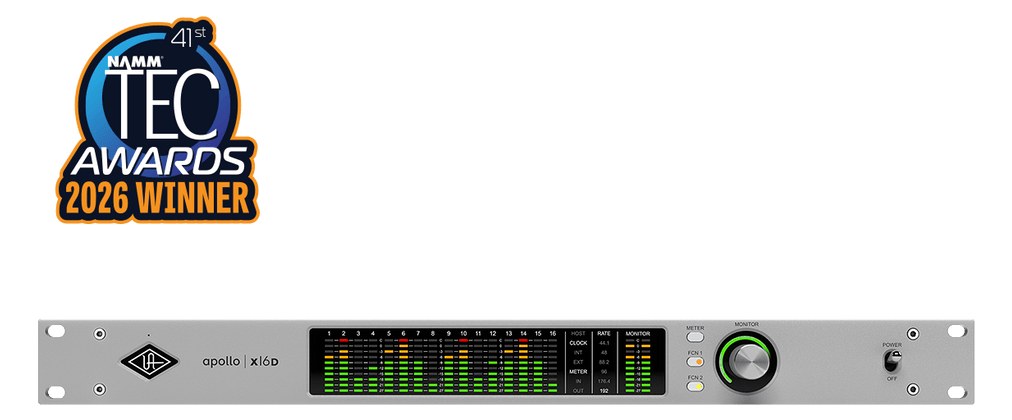

Universal Audio Apollo x16 Gen 2
Universal Audio·Model Apollo x16 Gen 2·ua-apollo-x16
Photos
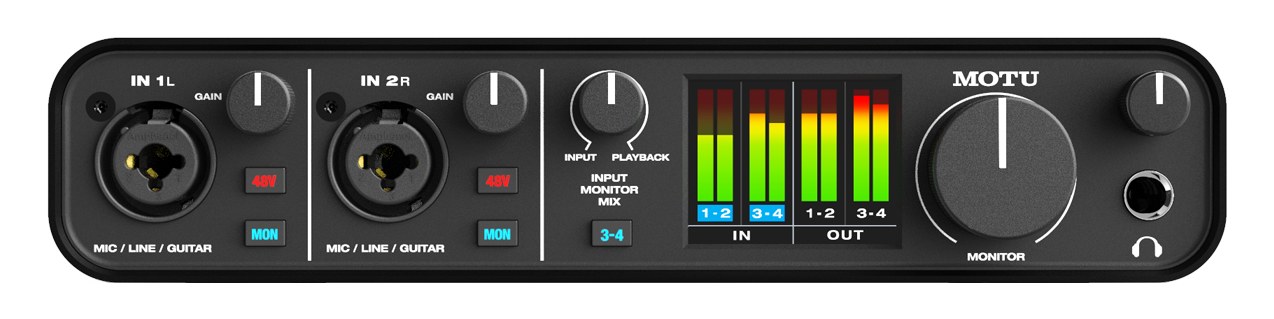
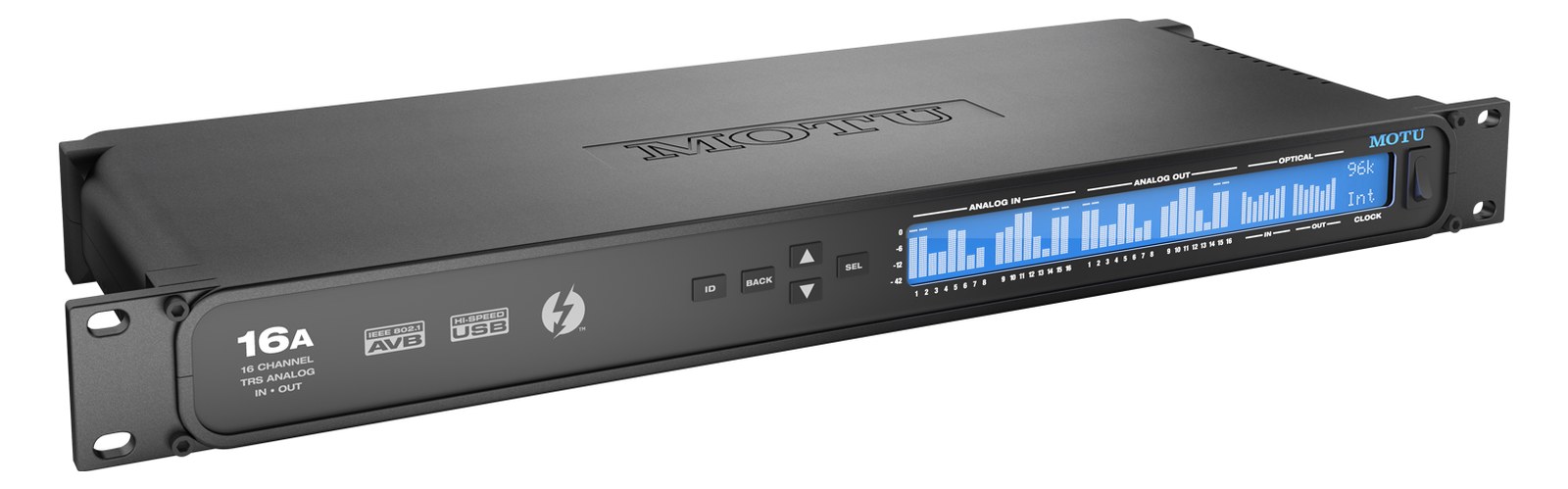
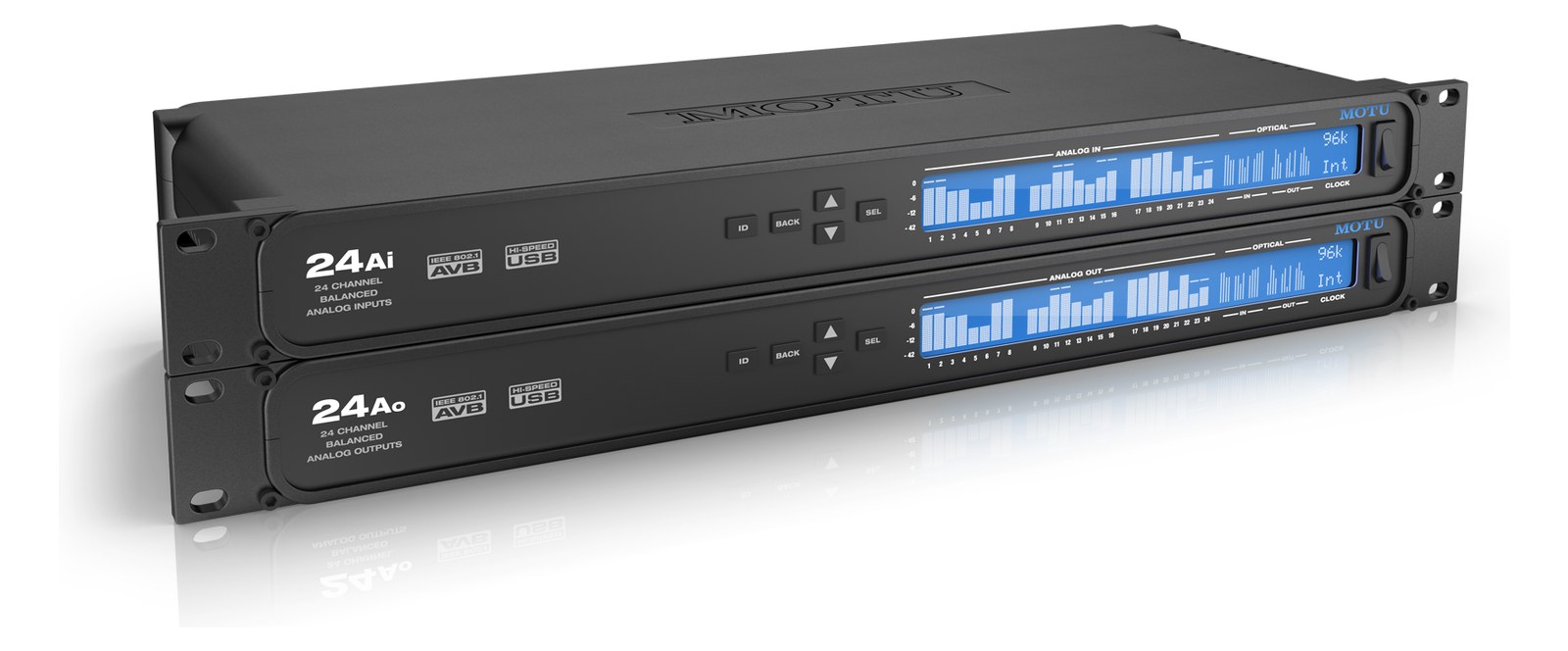
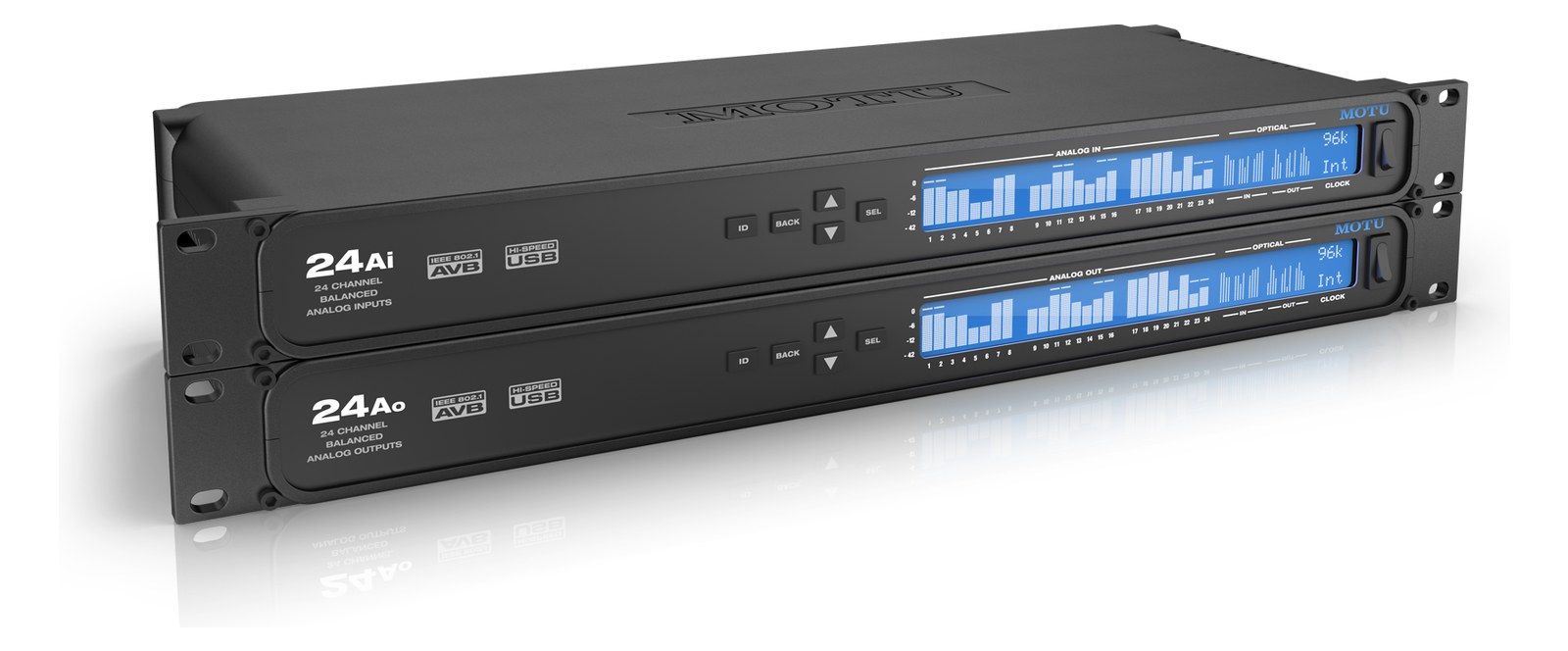
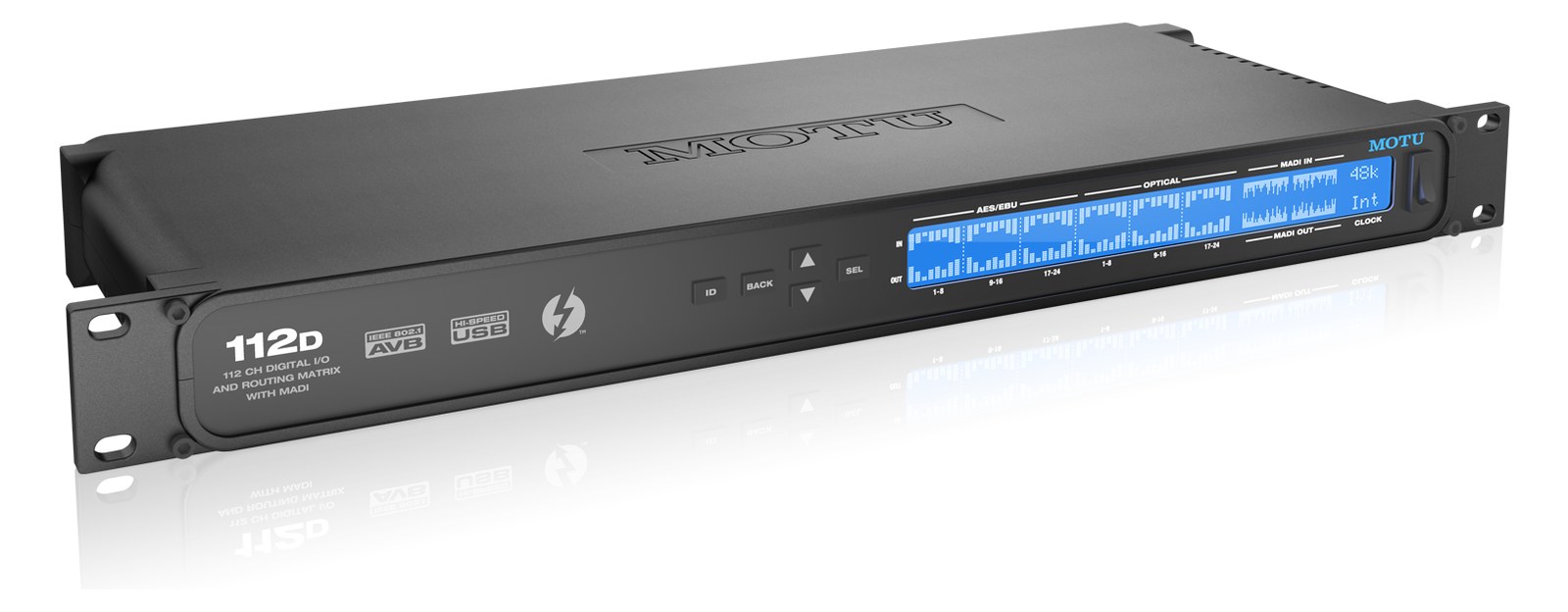
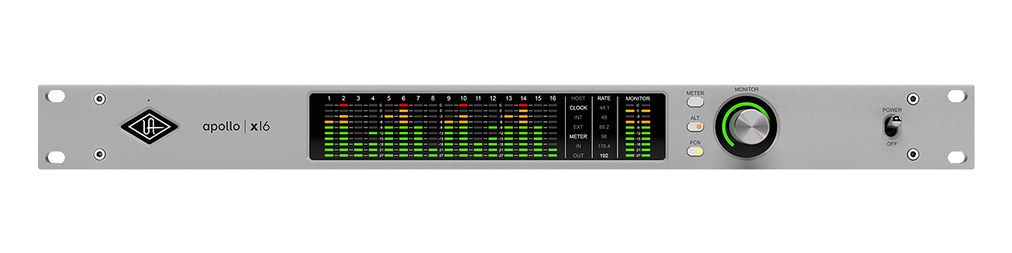
Manufacturer product photography — the drawn faceplate above stays true to panel layout; these show the hardware itself.
About the Universal Audio Apollo x16 Gen 2
The Apollo x16 is a high-channel-count Thunderbolt interface with exceptional conversion quality, making it ideal as the primary I/O for a Mac-based playback rig. Its 16 analog outputs via DB25A 25-pin D-shaped connector carrying 8 channels of analog or AES audio in one multicore — the Tascam pinout is the de-facto standard. can feed IEMIn-Ear Monitor — earpieces that replace floor wedges, feeding each player their own mix. The reason this whole rack exists. transmitters, FOHFront Of House — the main mix the audience hears, and the console position out in the room where it gets mixed. sends, and monitoring simultaneously, while UAD onboard DSPDigital Signal Processing — the number-crunching that does EQ, compression, and effects inside a box. More DSP means more processing at once. provides real-time plugin processing without taxing your playback computer. The Heritage Edition includes a generous bundle of UAD plugins out of the box.
The Apollo x16 Gen 2 is Universal Audio's high-channel-count Thunderbolt interface, and in a Mac-based playback or IEMIn-Ear Monitor — earpieces that replace floor wedges, feeding each player their own mix. The reason this whole rack exists. rig it functions as the central nervous system — the point where your DAWDigital Audio Workstation — the recording and playback software (Logic, Ableton Live, Pro Tools) at the center of a computer rig.'s stemsSub-mixes of a session grouped by instrument (drums, keys, vocals) — how playback rigs run tracks with live control over each group. become real analog signal that feeds transmitters, console sends, and monitor wedgesA floor monitor speaker angled up at the performer — the thing IEMs replace, and the thing you fall back on when they die. simultaneously. Sixteen balancedCarries the signal on two wires and cancels whatever noise both pick up — why mic cables can run hundreds of feet hum-free. analog outputs across two DB25A 25-pin D-shaped connector carrying 8 channels of analog or AES audio in one multicore — the Tascam pinout is the de-facto standard. connectors, sixteen analog inputs on two more, plus AES/EBUThe pro standard for stereo digital audio over an XLR cable — balanced, so it runs much farther than consumer S/PDIF. and word clockThe shared heartbeat keeping every digital box sampling in lockstep. One device leads, the rest follow — or you get clicks and pops. I/O: this is a single rack unitThe standard slice of rack height: 1U = 1.75″. A 3U box takes three slices; half-rack gear pairs two units side by side in one. doing the job that used to require a small patchbayA panel of front-facing jacks wired to everything behind it — re-route any signal with a short cable instead of climbing behind the rack. and two separate convertersThe circuitry that turns analog audio into digital data and back (A/D and D/A). Converter quality sets a digital rig’s sound ceiling.. The onboard UAD DSPDigital Signal Processing — the number-crunching that does EQ, compression, and effects inside a box. More DSP means more processing at once. lets you run plugins — limiting, EQ, light compression on outputs — without touching your playback computer's CPU budget.
In practice, those DB25A 25-pin D-shaped connector carrying 8 channels of analog or AES audio in one multicore — the Tascam pinout is the de-facto standard. outputs mean you're wiring Elco or Edac snakesA multicore cable bundling many channels into one stage-to-console run. A sub-snake collects one corner of the stage into a drop box., so budget time at load-in for that discipline. The word clockThe shared heartbeat keeping every digital box sampling in lockstep. One device leads, the rest follow — or you get clicks and pops. BNCThe twist-lock coax connector used for word clock and antenna runs — it locks, so it can’t be pulled out mid-show. with 75Ω termination makes it a clean clock master or slave in any digital ecosystem, which matters when you're locking to a DanteThe most common audio-over-network standard: dozens of channels of uncompressed digital audio down one ordinary Ethernet cable between Dante boxes. network or a digital console. Power comes from an external 12V DC brick via a locking 4-pin XLRThe standard 3-pin locking connector for mics and balanced line signals — pin 1 is the shield, pins 2 and 3 carry the balanced pair. — not a standard IECThe standard three-prong appliance power inlet on rack gear — the kettle lead. C13/C14 in spec-sheet speak., so know where that supply is and carry a spare or at minimum know the voltage spec. At up to 72W max draw it's not a heavy hitter on your conditioner, but the external brick adds a cable and a failure point worth tracking. The Thunderbolt 3 daisy-chain port means you can loop to a second TB3 device without burning a laptop port.
Pick the x16 Gen 2 if you're running a professional Mac-based playback rig — Ableton, QLab, or a stem player — where you need more than eight discrete outputs and want conversion quality that won't embarrass you at a critical listening gig. It earns its $3,799 price tag in a touring context where the interface is mission-critical and the UAD DSPDigital Signal Processing — the number-crunching that does EQ, compression, and effects inside a box. More DSP means more processing at once. offload is genuinely useful. Skip it if your rig is Windows-based — Thunderbolt compatibility on Windows has historically been inconsistent enough to matter — or if you need mic preampsThe gain stage that lifts a mic’s tiny signal up to line level — the first thing a signal hits, and a big part of how a console sounds. on the interface itself, since this box has none. If eight outputs cover your show, a smaller Apollo or a dedicated converterThe circuitry that turns analog audio into digital data and back (A/D and D/A). Converter quality sets a digital rig’s sound ceiling. from another manufacturer will get you there for significantly less money.
In the rack
- Label both DB25A 25-pin D-shaped connector carrying 8 channels of analog or AES audio in one multicore — the Tascam pinout is the de-facto standard. output snakesA multicore cable bundling many channels into one stage-to-console run. A sub-snake collects one corner of the stage into a drop box. at the interface end AND the breakoutA cable that splits one multichannel connector (like a DB25) into individual plugs — the octopus that turns 8 channels into 8 XLRs. end before the show — in a dark wing with transmitters racked above, tracing an unlabeled Elco under pressure is a real problem.
- Secure the 4-pin XLRThe standard 3-pin locking connector for mics and balanced line signals — pin 1 is the shield, pins 2 and 3 carry the balanced pair. power connector with a loop of gaff around the cable and the rack rail; it locks, but road vibration over a tour will work it loose on units that get loaded in and out frequently.
- Set the x16 as your word clockThe shared heartbeat keeping every digital box sampling in lockstep. One device leads, the rest follow — or you get clicks and pops. master and feed everything else — if you're clocking to a console or DanteThe most common audio-over-network standard: dozens of channels of uncompressed digital audio down one ordinary Ethernet cable between Dante boxes., confirm the Apollo is set to external sync before doors, not during line checkThe quick pre-show pass confirming every input reaches the console, one line at a time. Not a soundcheck — just does it work..
- Use the second Thunderbolt 3 port to daisy-chain a backup drive or a secondary interface rather than running a second TB cable back to the laptop, keeping your port count free for redundancyA second copy of anything critical — supply, computer, network path — already running so one failure can’t stop the show. options.
18x20 Thunderbolt 3 interface, 16 analog I/O via DB25A 25-pin D-shaped connector carrying 8 channels of analog or AES audio in one multicore — the Tascam pinout is the de-facto standard.. External 12V DC supply (4-pin locking XLRThe standard 3-pin locking connector for mics and balanced line signals — pin 1 is the shield, pins 2 and 3 carry the balanced pair. inlet).
I/O Ports (11)
| Port | Connector | Direction | Signal | Channels |
|---|---|---|---|---|
| Analog In 1-8 (DB25) | DB25 | input | analog audio | 8 |
| Analog In 9-16 (DB25) | DB25 | input | analog audio | 8 |
| Analog Out 1-8 (DB25) | DB25 | output | analog audio | 8 |
| Analog Out 9-16 (DB25) | DB25 | output | analog audio | 8 |
| AES/EBU Out | AES3 XLR | output | digital audio | 2 |
| AES/EBU In | AES3 XLR | input | digital audio | 2 |
| Word Clock Out | BNC | output | digital audio | — |
| Word Clock In (75Ω term) | BNC | input | digital audio | — |
| Thunderbolt 3 (1) | THUNDERBOLT | bidirectional | data | — |
| Thunderbolt 3 (2) | THUNDERBOLT | bidirectional | data | — |
- Power (12V DC, 4-pin XLR) (XLR4 DC)
Deciding between two?
Rack space, watts, weight and every connector, side by side.
Related gear


Community rigs using this gear (1)
Browse all rigs →Related articles
Guides from our library that cover planning around audio interface gear.
How to choose between a digital mixer, a Thunderbolt interface, and a Dante converter as the brain of your IEM rack — with concrete picks at each tier.
How to build a live-performance playback rig that runs click + backing tracks reliably — interface sizing, routing rules, software comparison, and what to do when the laptop crashes.
How to build a fail-safe live playback rig with primary + backup laptops, an auto-switching audio interface, and a failover workflow you can actually trust on a Sunday morning.
LTC vs MTC vs MIDI Clock, how to generate timecode from Ableton or Playback, how lighting and video receive it, and the frame-rate mistake that drifts every show.