
Universal Audio Volt 476
Universal Audio·Model Volt 476·ua-volt-476
Photos
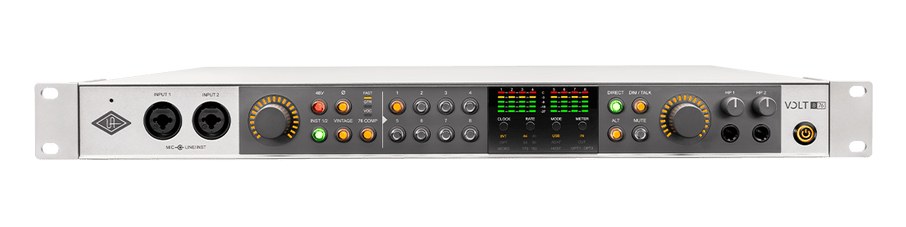
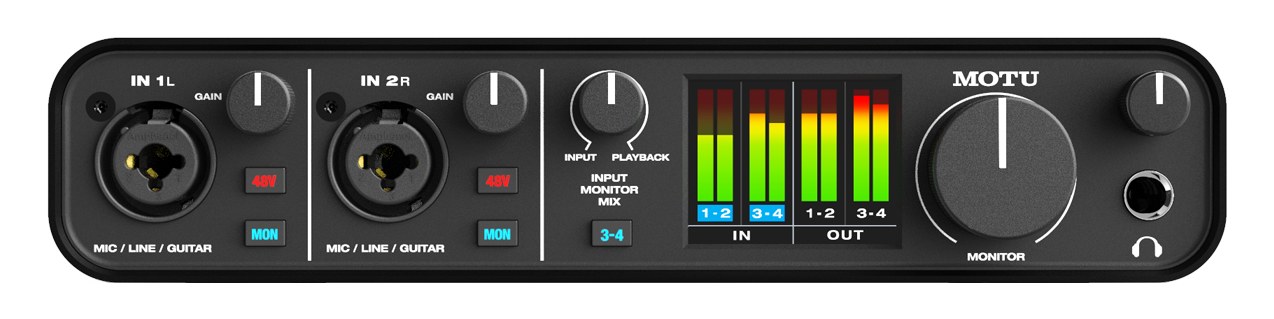
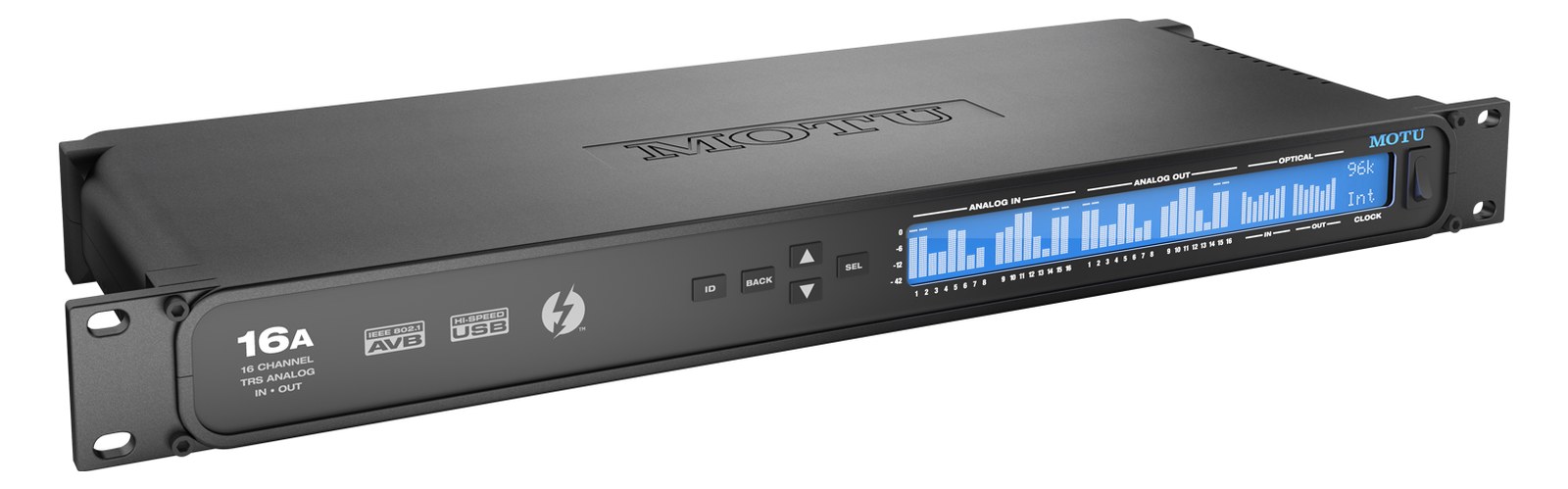
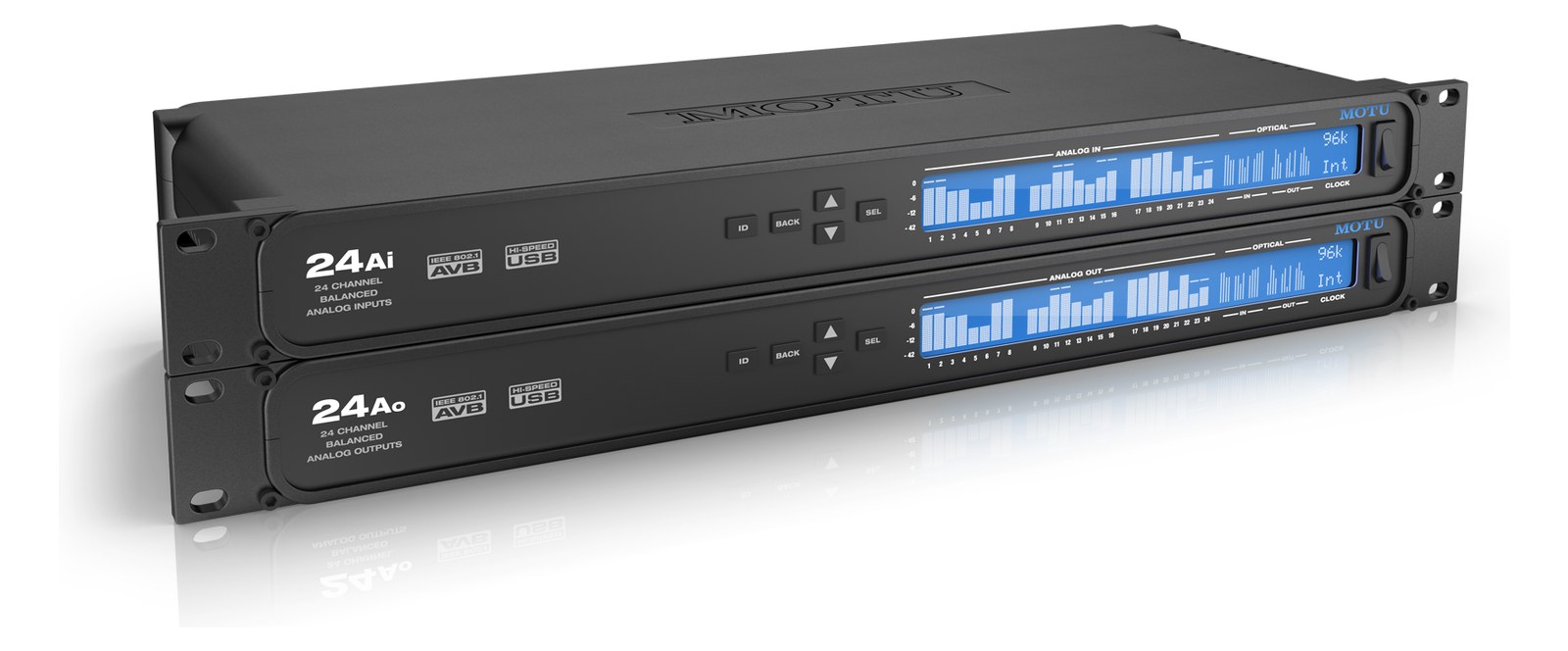
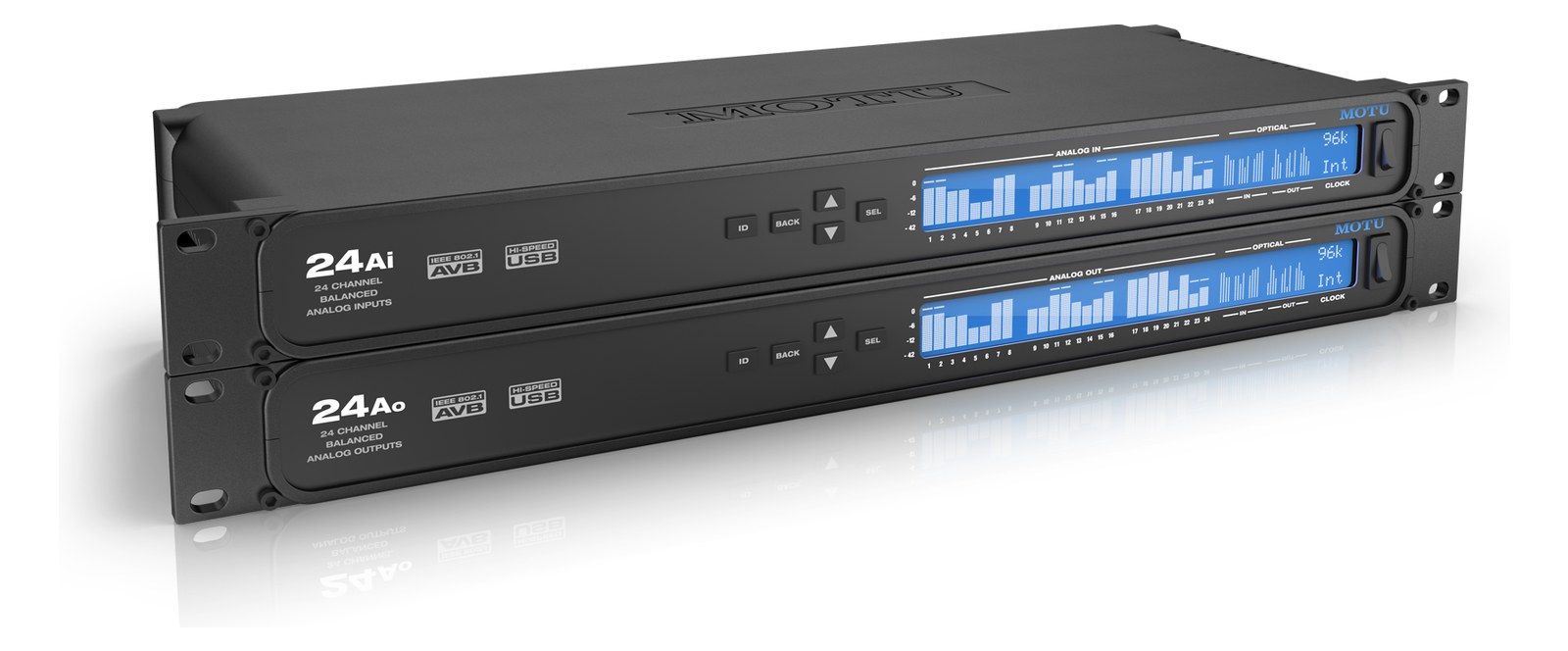
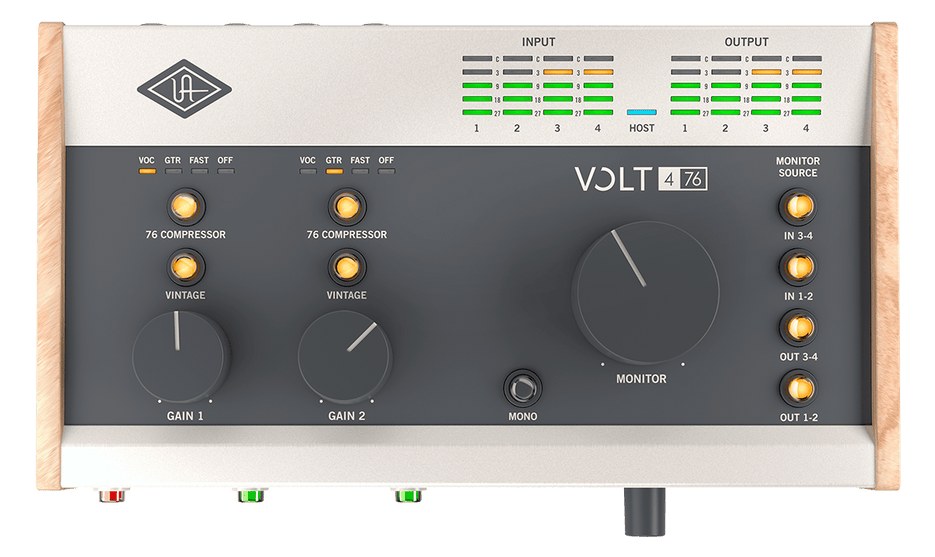
Manufacturer product photography — the drawn faceplate above stays true to panel layout; these show the hardware itself.
About the Universal Audio Volt 476
The UA Volt 476 brings a taste of Universal Audio's analog heritage to a budget interface, with a built-in 76-style compressor circuit on the inputs that adds analog warmth during tracking. The six outputs are useful for routing separate feeds to IEMIn-Ear Monitor — earpieces that replace floor wedges, feeding each player their own mix. The reason this whole rack exists. transmitters or monitoring, giving you more flexibility than typical desktop interfaces. A solid option for musicians who want quality UA conversion without the Thunderbolt-only Apollo commitment.
The Volt 476 is Universal Audio's half-rackThe standard slice of rack height: 1U = 1.75″. A 3U box takes three slices; half-rack gear pairs two units side by side in one. USB audio interface — four inputs, six outputs, and a hardware 76-style compressor circuit built into the input stage. In a live rig context, it sits at the intersection of playback and monitoring: you can feed click and reference tracks from a laptop over USB-C, route discrete outputs to IEMIn-Ear Monitor — earpieces that replace floor wedges, feeding each player their own mix. The reason this whole rack exists. transmitters or a monitor console, and still have two XLRThe standard 3-pin locking connector for mics and balanced line signals — pin 1 is the shield, pins 2 and 3 carry the balanced pair. mic inputs available for talkbackThe engineer’s mic into the performers’ ears or monitors — talk to the band without leaving the console. or a reference vocal. It's not an Apollo, but it carries genuine UA conversion in a box that weighs 700 grams.
The six outputs are what make the 476 interesting at show time rather than just at home. Two TRSTip-Ring-Sleeve — a 1/4″ jack with three contacts carrying a balanced signal or a stereo pair. A guitar plug with one extra ring. line outs give you a stereo main feed, but the additional outputs routed inside the UA software let you split stemsSub-mixes of a session grouped by instrument (drums, keys, vocals) — how playback rigs run tracks with live control over each group. or send a separate headphone cue without a dedicated headphone amp in the chain. The 76 compressor mode is a one-button hardware circuit — useful for taming a hot talkbackThe engineer’s mic into the performers’ ears or monitors — talk to the band without leaving the console. mic or adding glue to a reference track, though it's a fixed character, not a fully parametricAn EQ where you dial the exact frequency, width, and cut or boost — surgical control next to a graphic’s fixed sliders. tool. Power draw tops out at 8W, so it won't stress a standard conditioned strip. The catch is the form factor: this is a desktop unit, and getting it into a rack requires a half-rackThe standard slice of rack height: 1U = 1.75″. A 3U box takes three slices; half-rack gear pairs two units side by side in one. shelf.
This belongs in a compact playback or hybrid musician rig where the operator wants UA's conversion quality, needs more than a stereo out, and isn't ready to commit to the Thunderbolt-dependent Apollo ecosystem. It's a strong fit for a keyboard player's personal rack or a small IEMIn-Ear Monitor — earpieces that replace floor wedges, feeding each player their own mix. The reason this whole rack exists. playback rig feeding two or three transmitters. It's not the right call for a dedicated monitor engineer needing multichannel analog returns, for anyone requiring ADATOptical digital audio: 8 channels at 48 kHz down one Toslink lightpipe (4 at 96 kHz). The usual way to add more channels to an interface. expansion, or for a rig where rack real estate is genuinely scarce — a half-rackThe standard slice of rack height: 1U = 1.75″. A 3U box takes three slices; half-rack gear pairs two units side by side in one. shelf still costs you a full 1U.
In the rack
- Pair it with a half-rackThe standard slice of rack height: 1U = 1.75″. A 3U box takes three slices; half-rack gear pairs two units side by side in one. shelf that has rear cable management — the 175mm depth is shallow, but USB-C and six TRSTip-Ring-Sleeve — a 1/4″ jack with three contacts carrying a balanced signal or a stereo pair. A guitar plug with one extra ring. connectors crowding the back of a shelf get messy fast.
- If you're feeding two IEMIn-Ear Monitor — earpieces that replace floor wedges, feeding each player their own mix. The reason this whole rack exists. transmitter inputs from the line outs, label the TRSTip-Ring-Sleeve — a 1/4″ jack with three contacts carrying a balanced signal or a stereo pair. A guitar plug with one extra ring. cables at both ends before load-in; the output jacks are close together and easy to swap in low light.
- The 76 compressor engages per-input, not globally — use it on your talkbackThe engineer’s mic into the performers’ ears or monitors — talk to the band without leaving the console. XLRThe standard 3-pin locking connector for mics and balanced line signals — pin 1 is the shield, pins 2 and 3 carry the balanced pair. input to catch peaks without touching your playback outputs.
- BusA path where multiple channels sum into one signal — mixes, groups, and mains are all buses. A 25-bus console can build 25 blends at once. power from USB-C can vary by laptop port; if you hear noise at idle, add a short USB-C inline power isolator or run from a powered USB hub off a clean conditioned strip rather than directly from the computer.
4-in/6-out USB interface with 76 compressor mode. Desktop form factor — requires rack shelf to mount.
I/O Ports (9)
| Port | Connector | Direction | Signal | Channels |
|---|---|---|---|---|
| Mic/Line/Inst In 1 (combo) | COMBO XLR TRS | input | analog audio | — |
| Mic/Line/Inst In 2 (combo) | COMBO XLR TRS | input | analog audio | — |
| Line In 3 (TRS) | TRS QUARTER | input | analog audio | — |
| Line In 4 (TRS) | TRS QUARTER | input | analog audio | — |
| Line Out 1 (TRS) | TRS QUARTER | output | analog audio | — |
| Line Out 2 (TRS) | TRS QUARTER | output | analog audio | — |
| Headphones (front, 1/4") | TRS QUARTER | output | analog audio | — |
| USB-C | USB C | bidirectional | data | — |
- 5V DC In (DC BARREL)
Requires
This component depends on the following gear to function in a typical rig:
Deciding between two?
Rack space, watts, weight and every connector, side by side.
Related gear


Related articles
Guides from our library that cover planning around audio interface gear.
How to choose between a digital mixer, a Thunderbolt interface, and a Dante converter as the brain of your IEM rack — with concrete picks at each tier.
How to build a live-performance playback rig that runs click + backing tracks reliably — interface sizing, routing rules, software comparison, and what to do when the laptop crashes.
How to build a fail-safe live playback rig with primary + backup laptops, an auto-switching audio interface, and a failover workflow you can actually trust on a Sunday morning.
LTC vs MTC vs MIDI Clock, how to generate timecode from Ableton or Playback, how lighting and video receive it, and the frame-rate mistake that drifts every show.