
Wireless Mic

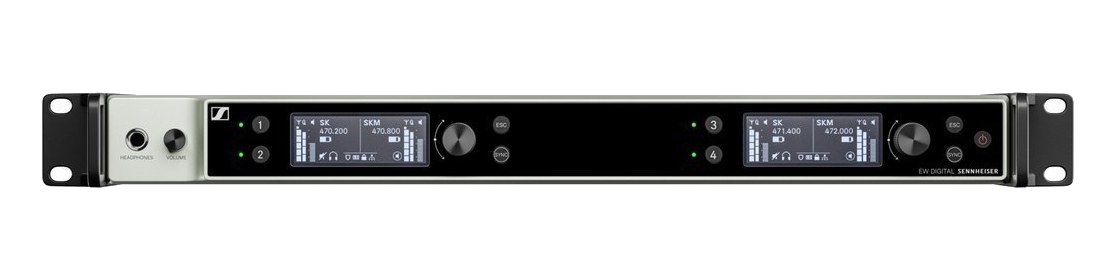
Sennheiser EW-DX EM 4 Dante Receiver

Sennheiser·Model EW-DX EM 4 Dante·sennheiser-ew-dx-em4

Photos

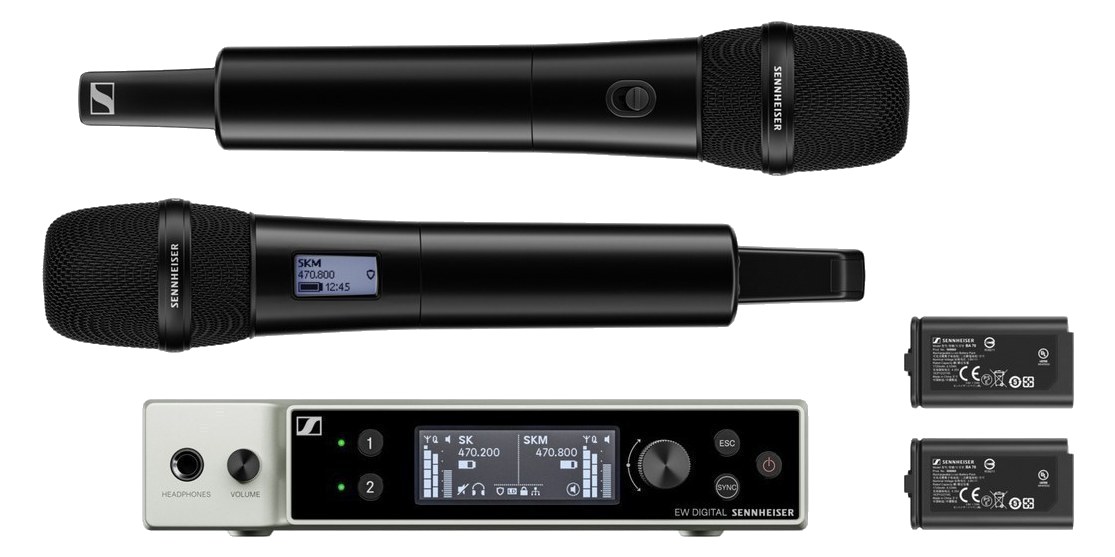
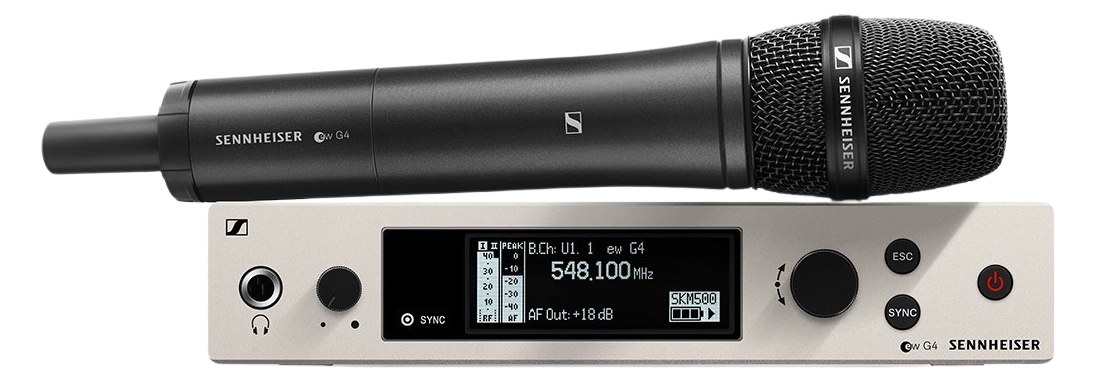
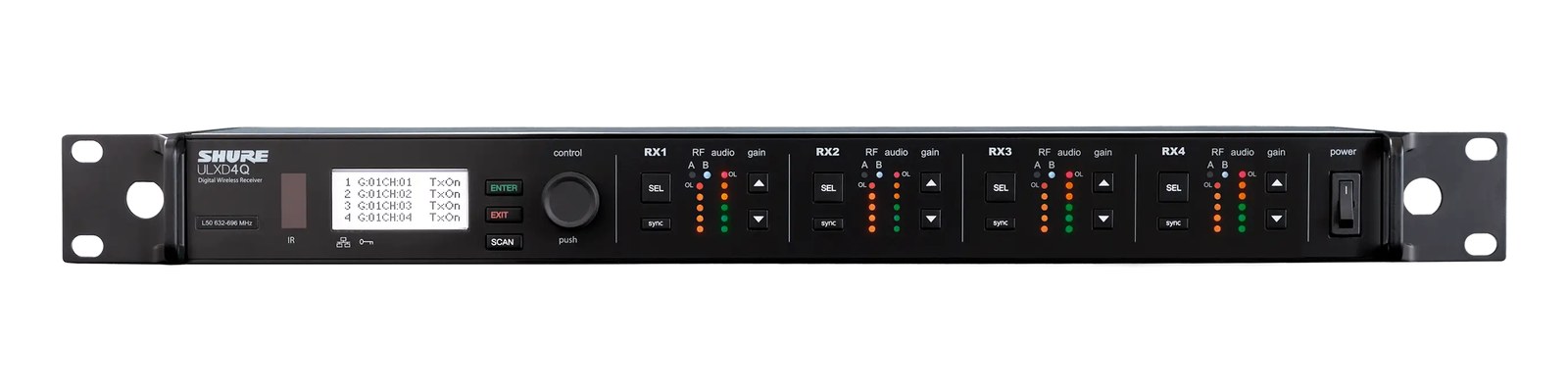
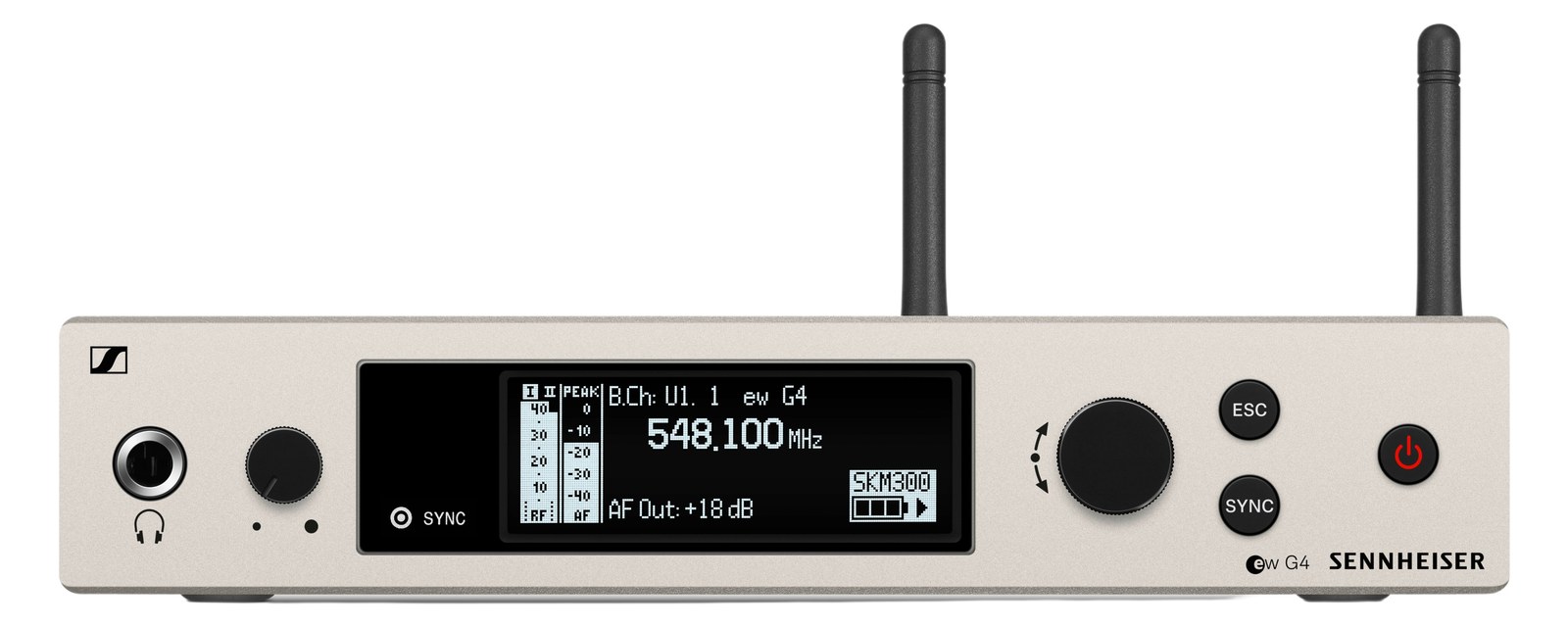
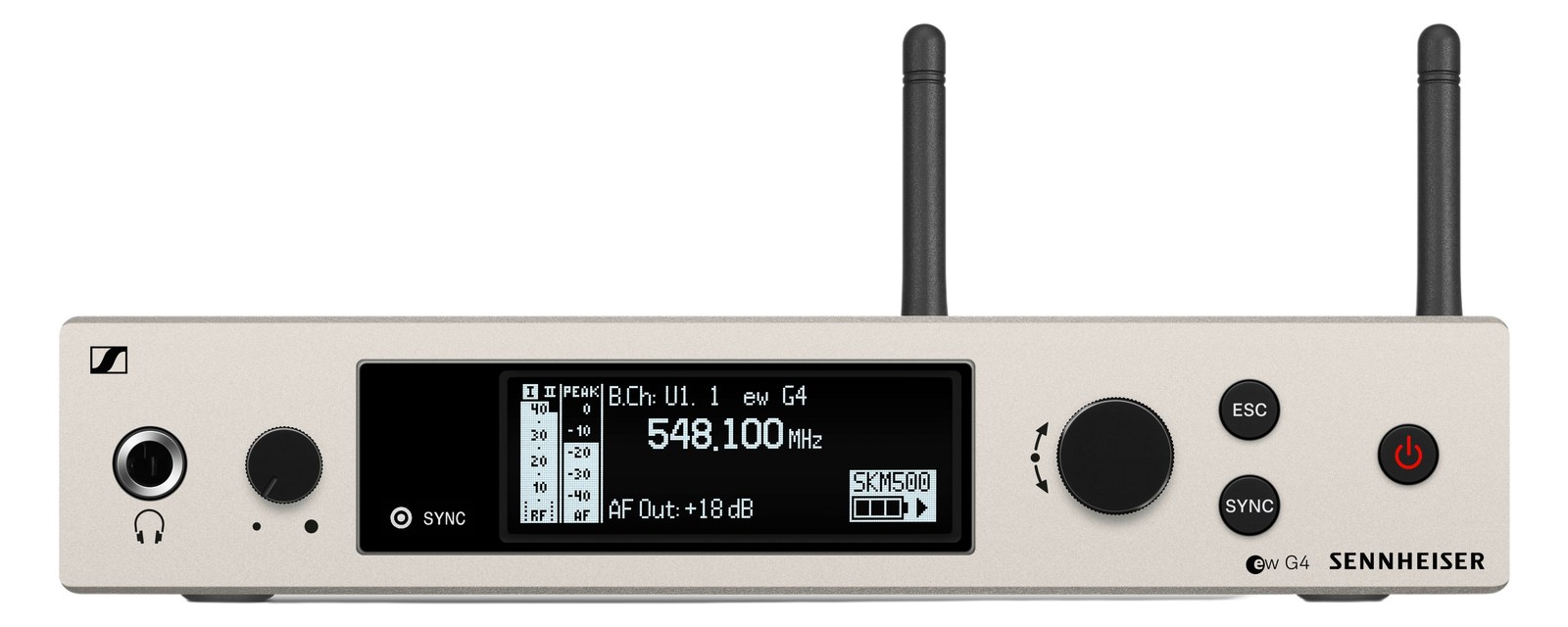
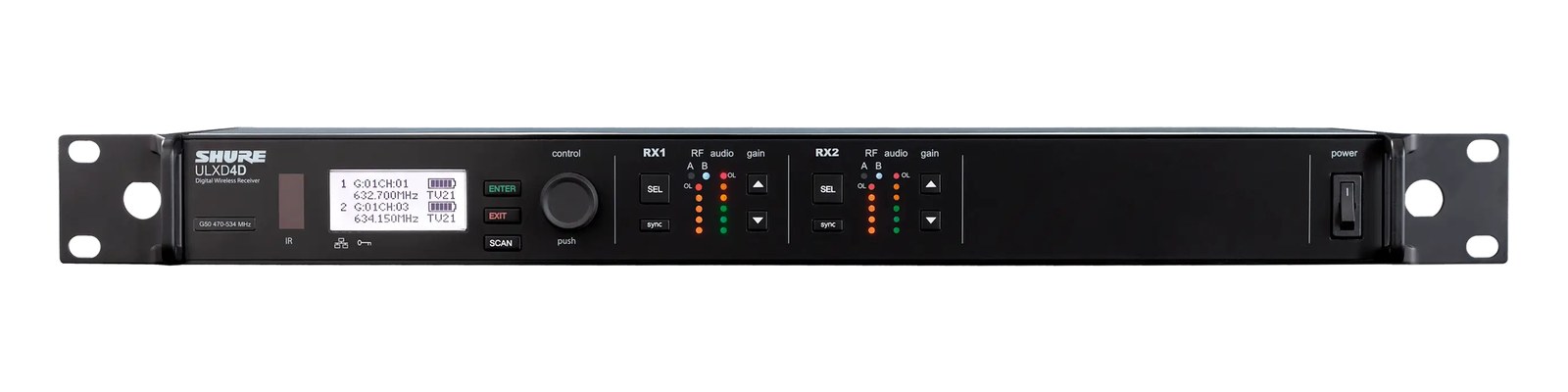
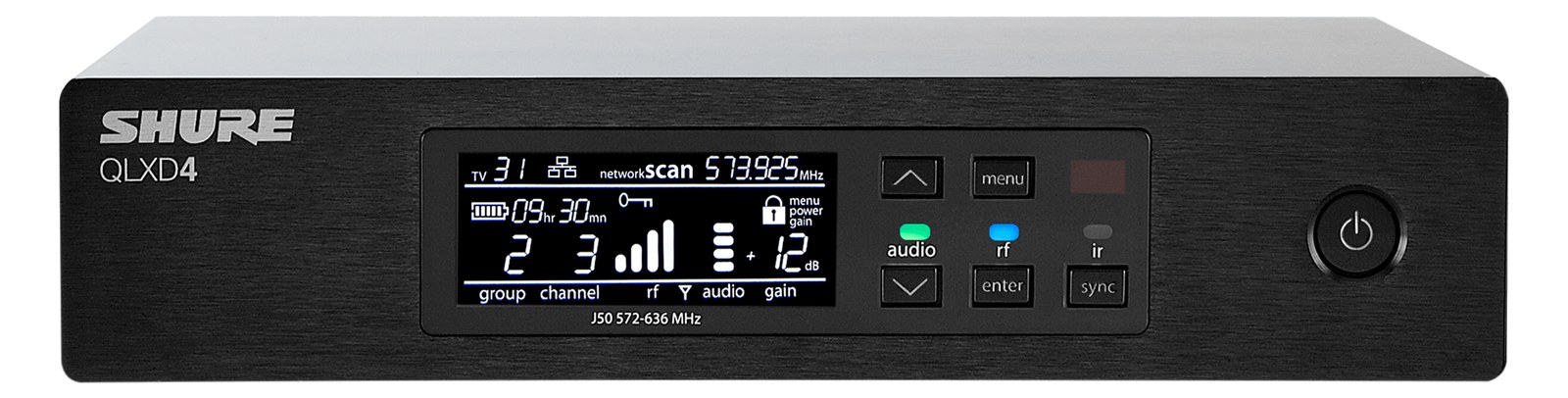
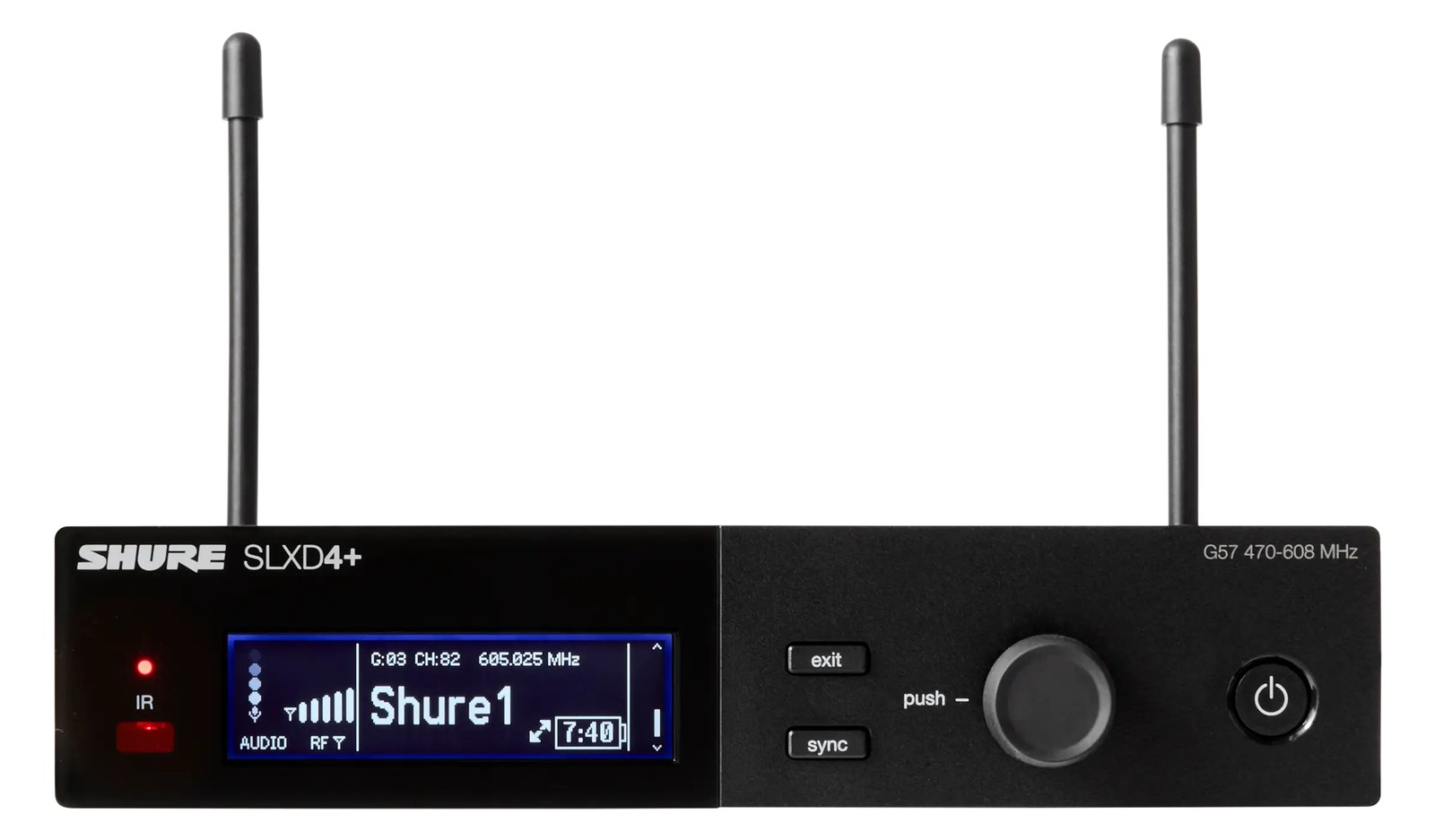
Manufacturer product photography — the drawn faceplate above stays true to panel layout; these show the hardware itself.

Photo: Sennheiser1 / 2

About the Sennheiser EW-DX EM 4 Dante

The Sennheiser EW-DX EM 4 Dante is a four-channel digital wireless receiver with full Dante integration, the higher-end of the EW-DX line. Wide tuning bandwidth, AES-256 encryption, and tight integration with Sennheiser's WSM control software make it a workhorse on broadcast and corporate rigs.

The EW-DX EM 4 Dante is Sennheiser's answer to the question every RF-heavy touring and corporate engineer eventually asks: how do I get four channels of wireless into a Dante network without a patchbay nightmare? In a single rack unit, this receiver pulls four simultaneous wireless channels, hands them out as balanced analog XLR or as four Dante channels over a primary EtherCon port — with a secondary EtherCon for redundancy. It lives at the top of the EW-DX line, and at $4,999 it's priced accordingly. AES-256 encryption and WSM software integration make it a serious tool for corporate, broadcast, and high-production touring environments where RF management and network audio aren't optional afterthoughts.

Practically speaking, that 360mm depth is the first thing to measure before you commit — this unit runs deeper than a standard shallow rack, so confirm your case has the clearance. Power draw sits at 30W nominal and peaks at 40W, which is modest for what it does; a standard filtered outlet on your rack PDU handles it without drama. The two BNC antenna inputs mean you're running standard passive or active antenna distribution into it, same as most EW-series infrastructure you may already own. Where this unit changes the load-in equation is on the output side: if your console or stage box is Dante-enabled, four channels leave this receiver on a single cable. That's four fewer XLR runs from the rack to the snake, which matters when you're setting up fast.
This receiver belongs in rigs where Dante is already the backbone — if you're patching into a Yamaha or DiGiCo with a Dante card, or feeding a Dante-enabled IEM system, the workflow payoff is real and immediate. It also suits engineers who manage large wireless counts across multiple events and need WSM's centralized frequency coordination and remote monitoring. Who should look elsewhere: if your console is purely analog or you're running a small club rig with one or two wireless channels, you're buying infrastructure you won't use. A two-channel analog receiver at a fraction of this price serves that gig better. The EM 4 Dante earns its cost when the network is already there to meet it.

In the rack

  • Run the Dante Secondary EtherCon port to a separate switch or redundant network path — if your primary Dante network hiccups mid-show, the secondary keeps audio flowing without a single dropped sample.
  • Measure your rack case depth before ordering: at 360mm this unit may overhang the rear rails in shallow cases, which puts stress on the IEC connector and EtherCon ports at every load-in.
  • Use the dedicated Ethernet control port (RJ45) on a separate VLAN or management network, keeping WSM traffic isolated from your Dante audio network to avoid any bandwidth contention during RF scans.
  • If you're splitting antenna feeds across multiple receivers using a passive DA, budget your signal loss carefully — the EM 4 Dante's BNC inputs expect clean RF, and each passive split costs you roughly 3.5dB before cable loss.

4-channel Dante-capable digital wireless receiver.

I/O Ports (10)

PortConnectorDirectionSignalChannels
Antenna A (BNC)BNCinputantenna
Antenna B (BNC)BNCinputantenna
Audio Out 1 (XLR)XLR MALEoutputanalog audio
Audio Out 2 (XLR)XLR MALEoutputanalog audio
Audio Out 3 (XLR)XLR MALEoutputanalog audio
Audio Out 4 (XLR)XLR MALEoutputanalog audio
Dante PrimaryETHERCONoutputdigital audio4
Dante SecondaryETHERCONoutputdigital audio4
Ethernet (control)RJ45bidirectionaldata
Power
  • Power (IEC) (IEC C14)

Deciding between two?

Rack space, watts, weight and every connector, side by side.

Related gear

Related articles

Guides from our library that cover planning around wireless mic gear.