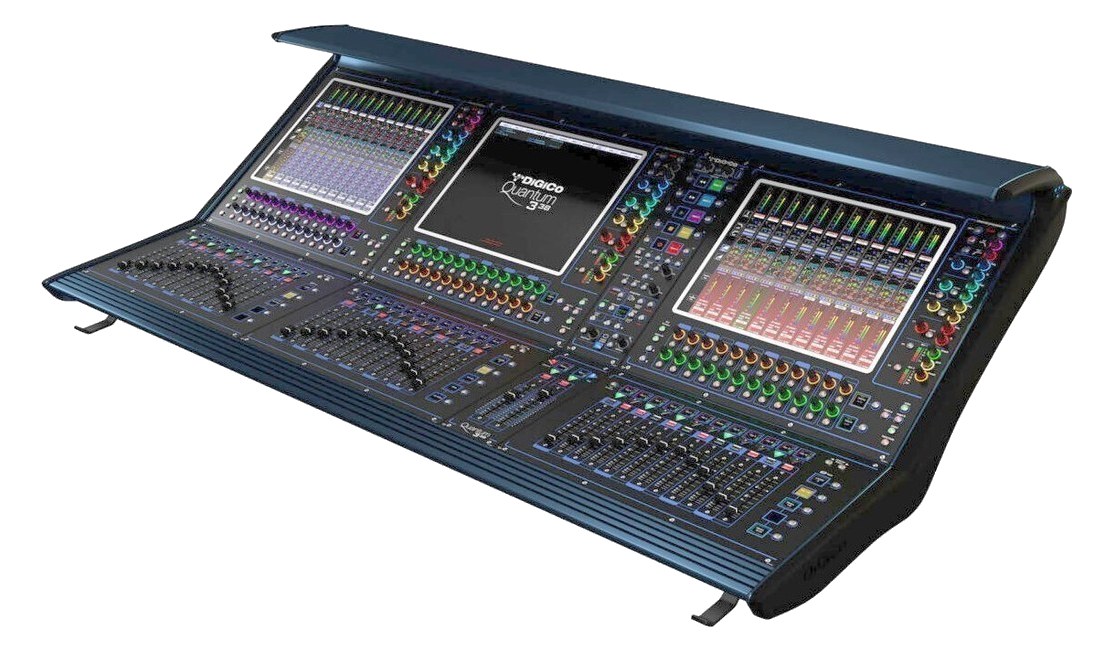
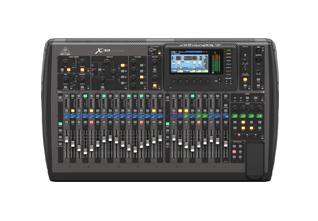
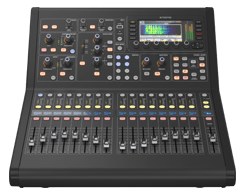
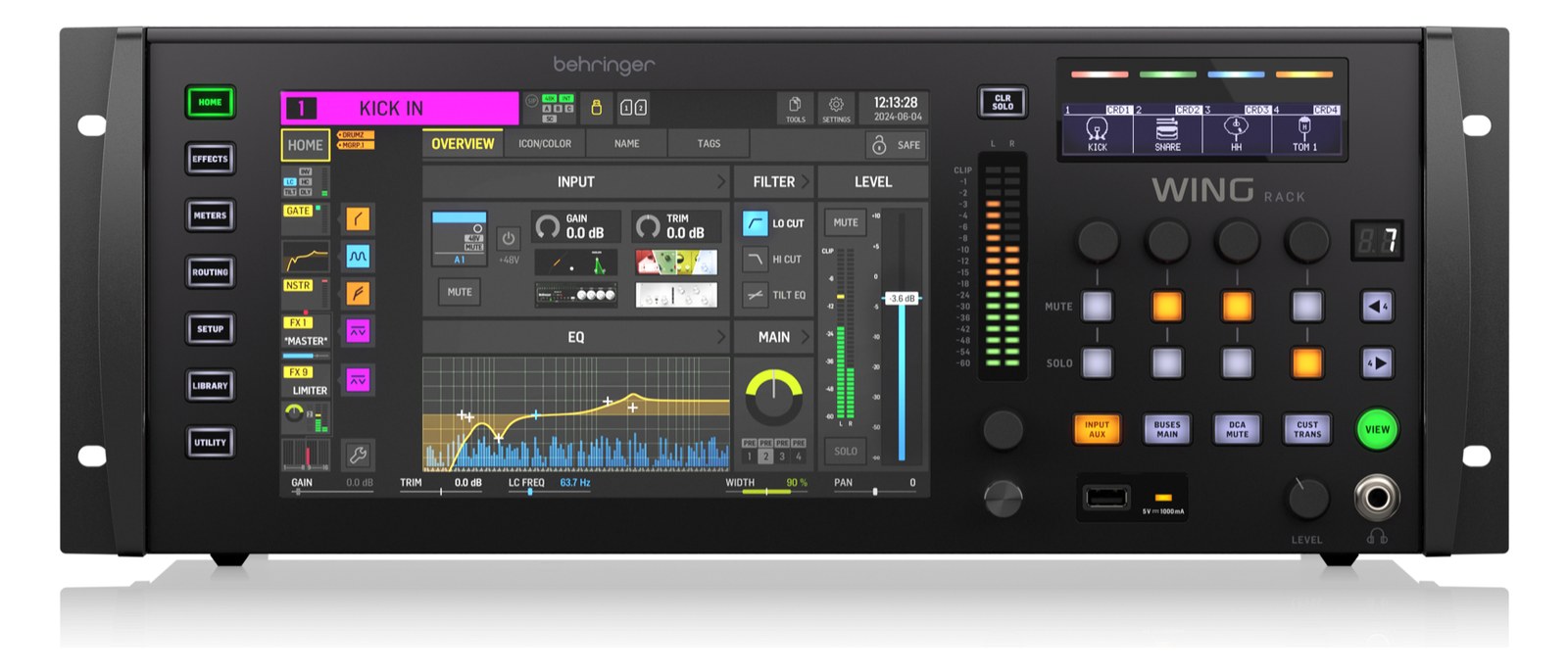
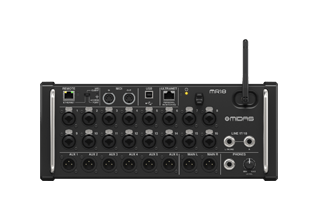
The DiGiCo Quantum 338 is a flagship-class digital console built for the largest touring productions. The Quantum FPGA platform delivers extremely low latency and DiGiCo's legendary signal path, paired with three large multi-touch displays and 38 faders. When the rider asks for a Quantum, this is what they mean.
~$65,000Use retailer rows for current price and stock
01 · What it does—and what that changes in your rig.
Product overview
Start with the payoff, then work through how it functions, where it fits, and the details that change a real build.
The payoff
Digital Mixer decisions, organized around the whole rig.
The DiGiCo Quantum 338 is a flagship touring console built for the scale of production where the riderThe document attached to a booking that lists what the band needs — inputs, monitors, power, backline (and the green-room snacks). specifies the desk by name. Three multi-touch displays, 38 faders, and 224 input channels on DiGiCo's Quantum FPGA platform put it in the same conversation as the SD7 generation that preceded it, but with significantly lower latencyThe delay between sound entering and leaving a digital system. IEM rigs fight to keep the whole chain down to a few milliseconds. and a processing headroomThe margin between your normal level and where things clip — headroom is what absorbs the snare hit you didn’t see coming. that most mid-size shows will never fully tax. This is the console you reach for when the input list is long, the show is complex, and the margin for error is zero.
Documented outputs
22 destination connections
Documented inputs
4Based on documented inputs
Rack space
Outside rackPlan a shelf, tray, or stage position
DiGiCo product panelOutside rack · 350W
Function
How it works in the path
At load-in, the connectivity picture matters as much as the channel count. Dual optical MADIA pro digital format carrying 64 channels on one coax or optical cable. Point-to-point — one sender, one receiver, no network required. ports give you 128 channels of redundantA second copy of anything critical — supply, computer, network path — already running so one failure can’t stop the show. fiber to your stage boxesThe I/O endpoint on stage: mics plug in there and one digital line (AES50, Dante) carries everything to the console. The snake, digitized., and the onboard DanteThe most common audio-over-network standard: dozens of channels of uncompressed digital audio down one ordinary Ethernet cable between Dante boxes. primary and secondary ports add another 64 channels each over EtherConAn Ethernet plug inside a rugged XLR-style locking shell — tour-grade network connections that can’t be yanked loose. — so your entire audio infrastructure can be fiber-and-IP with no single point of failure in the signal chain. The dual IECThe standard three-prong appliance power inlet on rack gear — the kettle lead. C13/C14 in spec-sheet speak. power inputs mean you can feed from two independent circuits, which is standard practice on any A-list touring rig. At 38 kg and 700 mm deep, this desk will define your case dimensions and your stage plot — plan the cart accordingly.
Best fit
Where it earns its place in the system
If you are specifying a console for a 40-piece touring production, a large theatrical run, or any situation where the riderThe document attached to a booking that lists what the band needs — inputs, monitors, power, backline (and the green-room snacks). will name this desk or its direct peers, the Quantum 338 earns its place. If your show runs under 80 inputs and your festival slots rarely exceed 90-minute sets, you are carrying more console than you need at $65,000 and 38 kg. Engineers stepping down from SD7 territory will feel immediately at home; engineers moving up from smaller desks should budget time with a dealer before the first show date.
In the rack
Details worth deciding before load-in.
Feed Power A and Power B from separate circuit breakers — ideally separate distroOne pair of antennas feeding many receivers through an amplified splitter — replaces the forest of whips and keeps RF levels consistent. legs — so a tripped breaker on one side does not interrupt the show.
Use the optical MADIA pro digital format carrying 64 channels on one coax or optical cable. Point-to-point — one sender, one receiver, no network required. ports for your primary stage-box connections and keep the DanteThe most common audio-over-network standard: dozens of channels of uncompressed digital audio down one ordinary Ethernet cable between Dante boxes. ports for playback racks or broadcast feeds; this way your critical mic signal path stays entirely on fiber and off the IP network.
At 700 mm deep, confirm your road case internal depth before ordering — many standard console cases are built around shallower desks and will not close on this chassis.
Assign the AES3The pro standard for stereo digital audio over an XLR cable — balanced, so it runs much farther than consumer S/PDIF. outputs to a dedicated monitor feed or commsProduction intercom — the wired or wireless party line connecting FOH, monitors, stage managers, and lighting during a show. tap early in your patch session; they are easy to overlook at system check when the MADIA pro digital format carrying 64 channels on one coax or optical cable. Point-to-point — one sender, one receiver, no network required. and DanteThe most common audio-over-network standard: dozens of channels of uncompressed digital audio down one ordinary Ethernet cable between Dante boxes. paths are consuming attention.
02 · Know the whole path before you buy.
Signal path
Learn the route as a block diagram: source, product function, transport, and destination. Select any block to see what enters, what changes, and what leaves.
Interactive block diagramAuto-looping · hover, focus, or tap to hold a stage
Port-type signalProduct functionSystem boundary
Follow one signal from source to destination
Each block answers the same three questions: what arrives, what changes here, and what leaves.
01 · Source · selected
aes3 xlr + IEC C14
madi sc + etherCON
aes3 xlr
01 · Source
4 documented inputs
aes3 xlr + IEC C14
Arrives as
4 documented inputs
Connector
aes3 xlr + IEC C14
Signal
digital audio
03 · What this product asks of the rest of the system.
Compatibility
Treat connector names as the start of the check—not the answer. These are the boundaries that determine a complete working path.
Best fit · Digital Mixer
Use it as digital mixer tracked outside rack rails; follow the manufacturer’s mounting and form-factor guidance.
Plan the companion path
Complete the path with upstream and downstream gear that matches connector, direction, signal type, protocol, and wiring standard.
Protocol boundary
This product declares MADI, DANTE; matching plugs alone do not make other protocols compatible.
04 · Every connector, grouped by job.
I/O ports
Switch the product view and the documented port inventory updates with it—hardware and data stay side by side.
Every connector, grouped by job.
Switch panels to keep the hardware view and the documented port list in sync.
Front panelRear panel
All documented ports for DiGiCo Quantum 338 Digital Mixer
Port
Panel
Connector
Direction
Signal
Channels
Optical MADI A
rear
madi sc
bidirectional
digital audio
64
Optical MADI B
rear
madi sc
bidirectional
digital audio
64
Dante Primary
rear
etherCON
bidirectional
digital audio
64
Dante Secondary
rear
etherCON
bidirectional
digital audio
64
AES3 In 1
rear
aes3 xlr
input
digital audio
—
AES3 In 2
rear
aes3 xlr
input
digital audio
—
AES3 Out 1
rear
aes3 xlr
output
digital audio
—
AES3 Out 2
rear
aes3 xlr
output
digital audio
—
Ethernet (control)
rear
RJ45
bidirectional
data
—
Power A (IEC)
rear
IEC C14
input
power
—
Power B (IEC)
rear
IEC C14
input
power
—
Showing 11 of 11 documented physical ports. Scroll to review the remaining rows.
05 · Compare the decision, not just the price.
Alternatives
The rows are organized around fit, power, I/O, and system role so a cheaper unit cannot hide a more expensive workflow.
Quantum 338The DiGiCo Quantum 338 is a flagship-class digital console built for the largest touring productions. The Quantum FPGA platform delivers extremely low latency and DiGiCo's legendary signal path, paired with three large multi-touch displays and 38 faders. When the rider asks for a Quantum, this is what they mean.View gear →
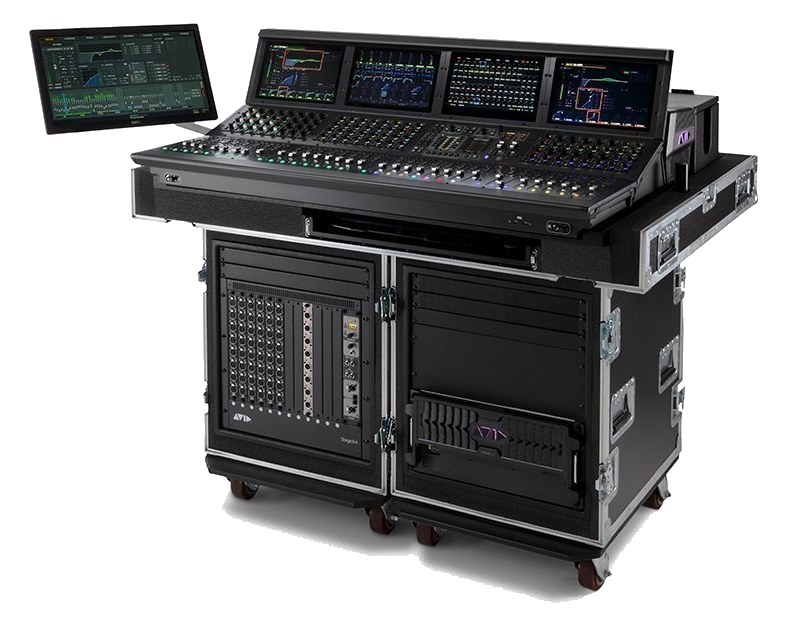
S6L-32DThe Avid VENUE S6L-32D is a 32-fader live console surface, the control layer for an Avid VENUE | S6L system. Pair it with an E6L engine and Stage 64/Stage 16 boxes for a full system that the touring world has come to expect on rock and pop riders. Pro Tools integration is the standout feature for live recording rigs.View gear →
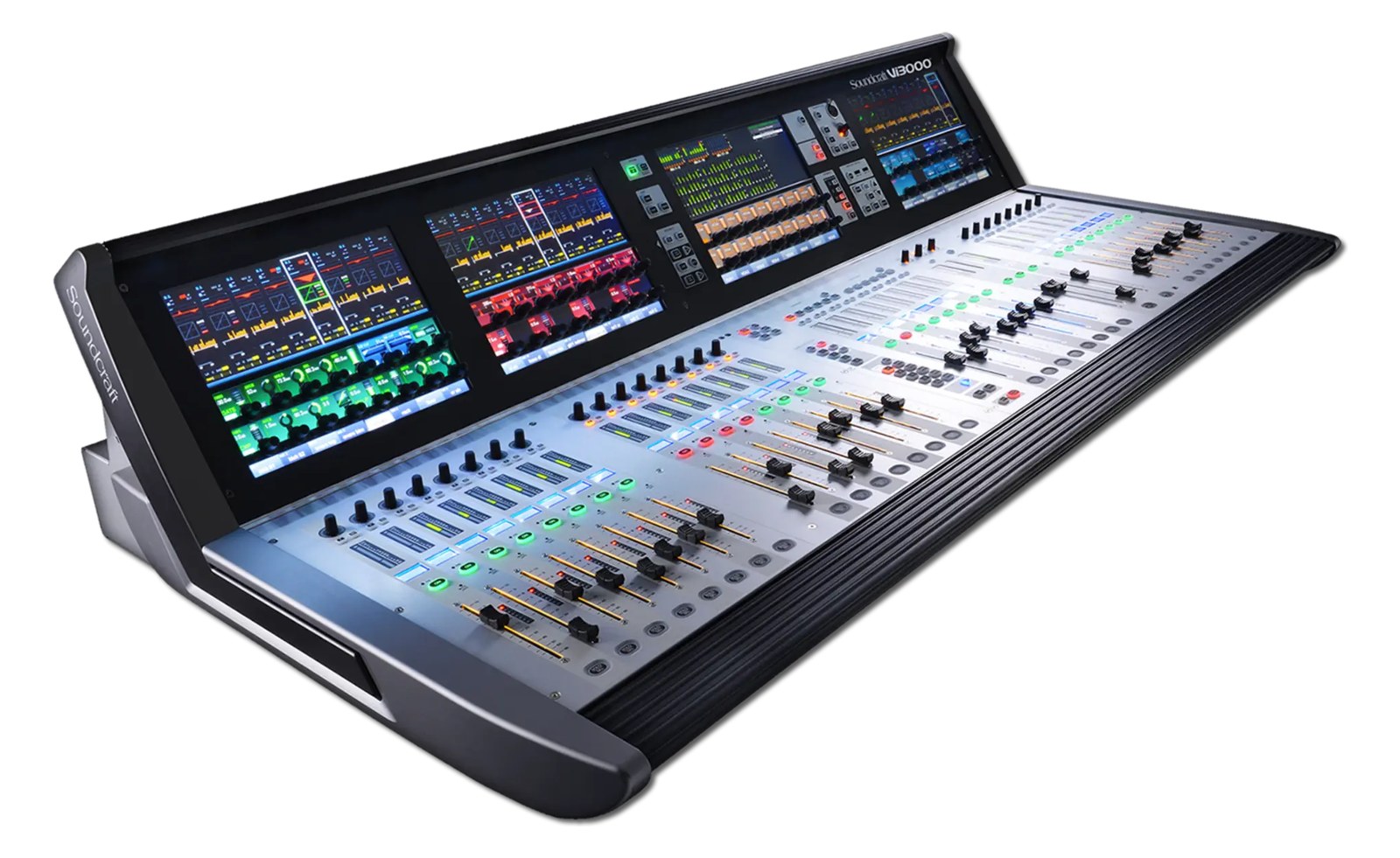
Vi3000The Soundcraft Vi3000 is a touring-grade console with the Vistonics II rotary-knob-on-screen surface that's become signature to the Vi line. Strong dynamics processing and a workflow that's familiar to engineers who came up on the Vi6 and Vi7000. Common on broadcast and corporate gigs.View gear →
06 · Resolve the questions that can change the purchase or build plan.
Planning questions
Short, source-backed answers surface rack fit, power, cabling, and connection details before they become surprises.
Where does the DiGiCo Quantum 338 Digital Mixer live in a complete rig?
The catalog assigns it no rack units. Builder tracks it as non-rack gear; follow the manufacturer’s mounting, case, and form-factor guidance.
How much power does the DiGiCo Quantum 338 Digital Mixer draw?
Typical draw is 350W and documented maximum draw is 450W.
What connections does the DiGiCo Quantum 338 Digital Mixer have?
11 documented physical ports, including Optical MADI A, Optical MADI B, Dante Primary, Dante Secondary, AES3 In 1, AES3 In 2.
07 · See this gear inside a complete system plan.
Builder preview
Builder keeps non-rack gear in the same bill of materials, budget, dependency, and connection plan as the rack-mounted system around it.Open in Builder