
MOTU UltraLite mk5 Audio Interface
MOTU·Model UltraLite mk5·motu-ultralite-mk5
Photos
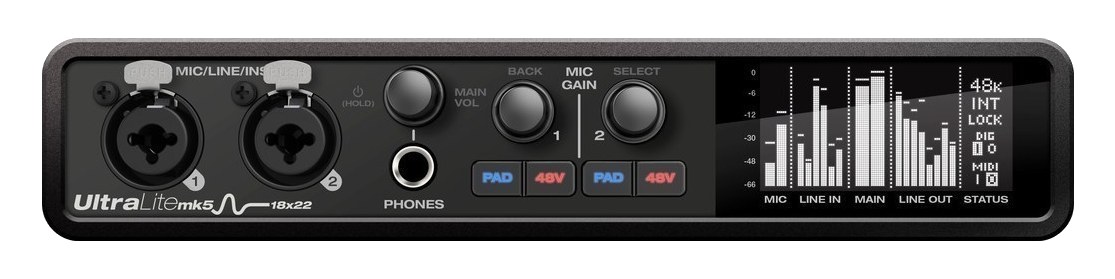
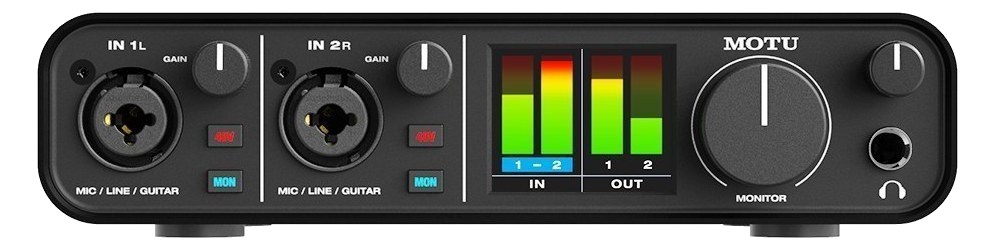
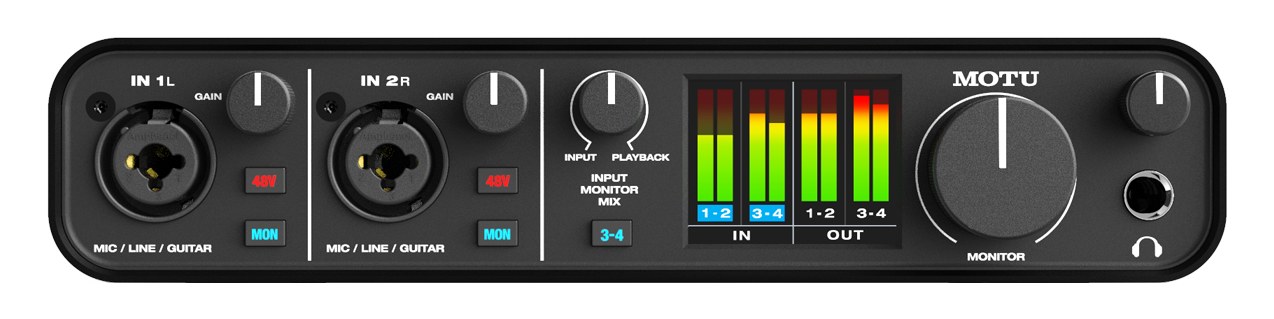
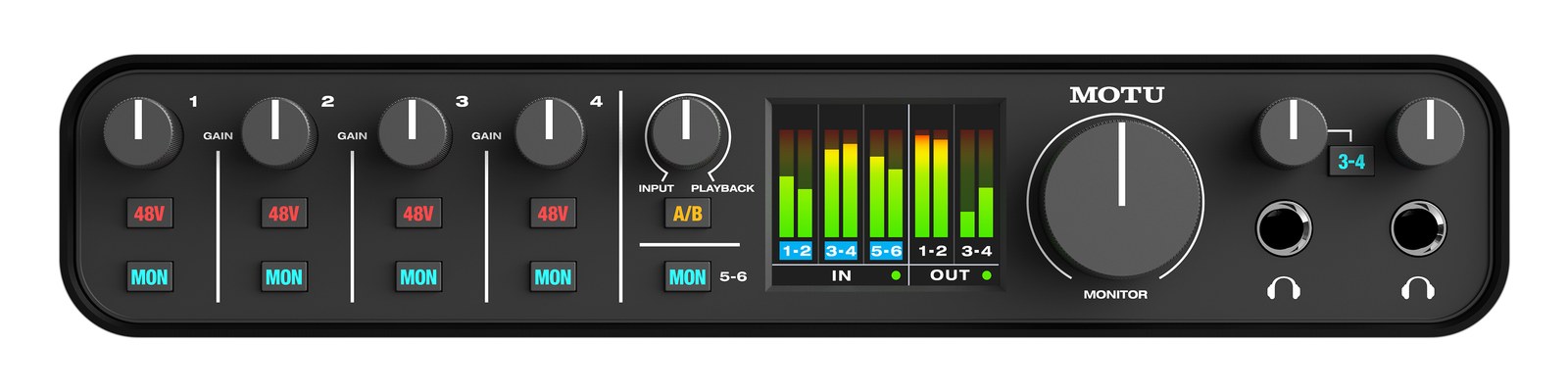
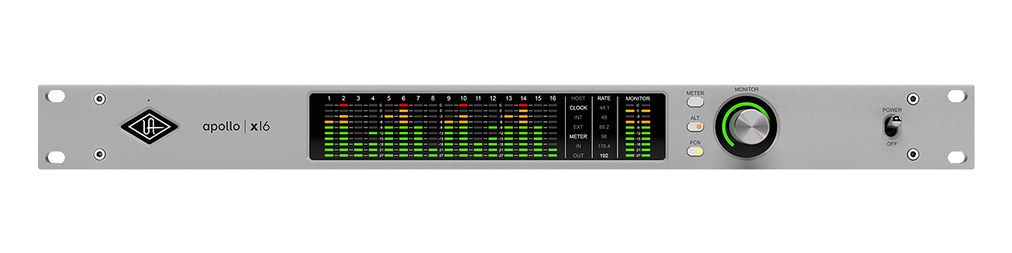
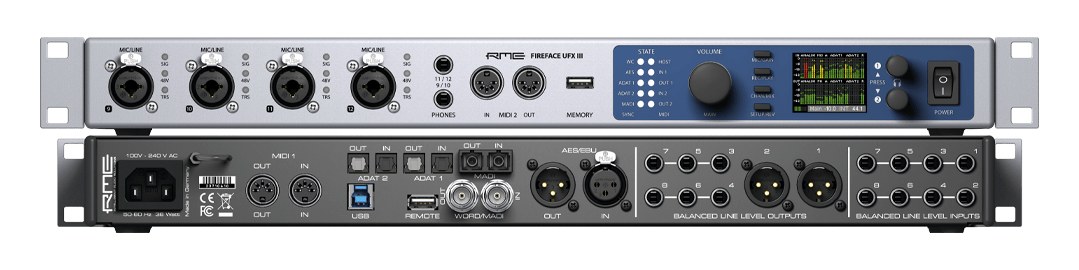
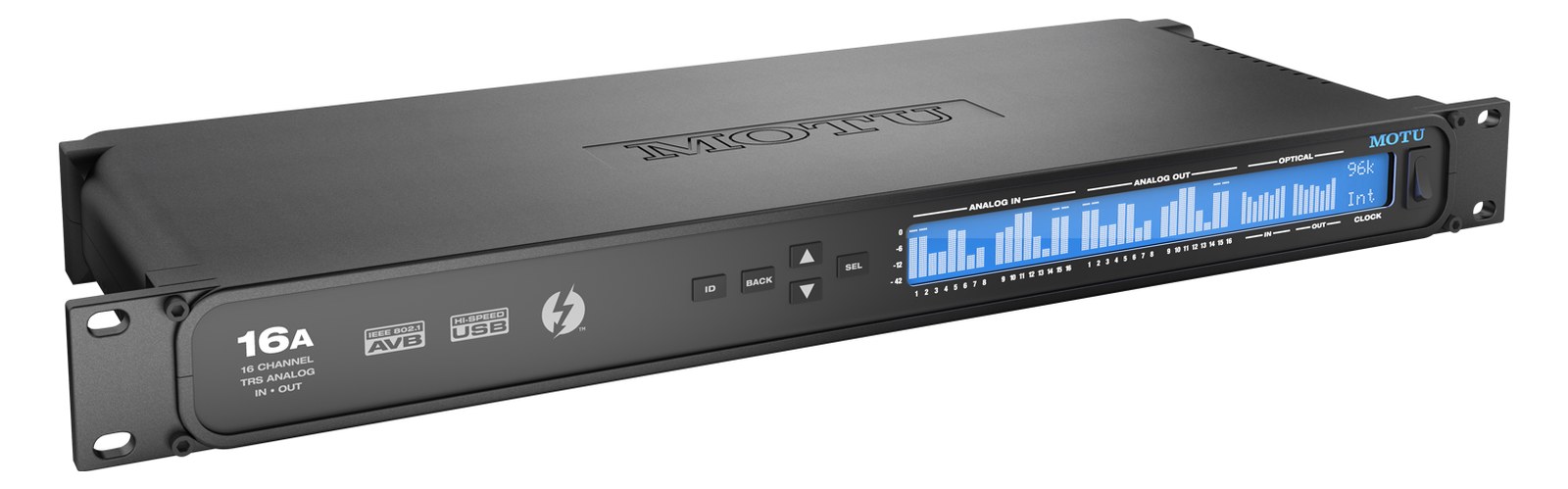
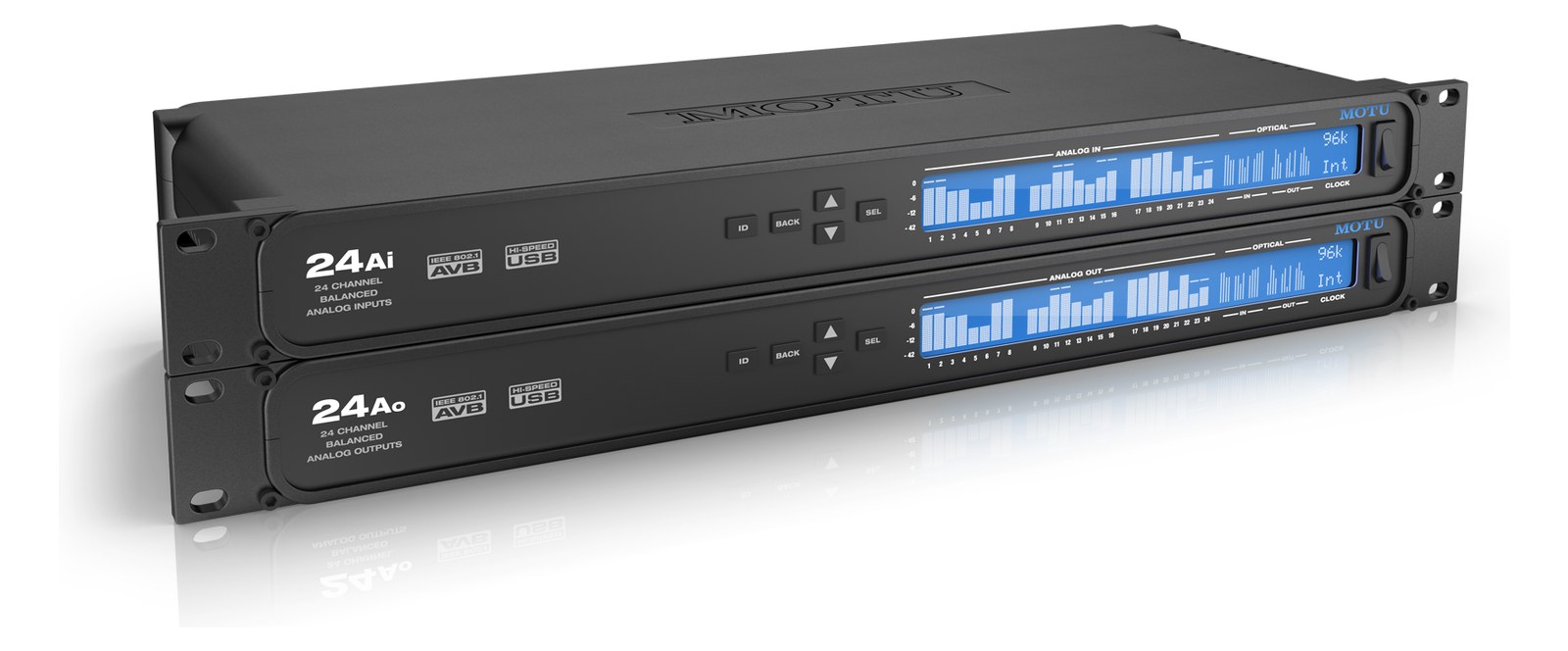
Manufacturer product photography — the drawn faceplate above stays true to panel layout; these show the hardware itself.
About the MOTU UltraLite mk5
The MOTU UltraLite mk5 packs a massive 18x22 I/O count into a half-rackThe standard slice of rack height: 1U = 1.75″. A 3U box takes three slices; half-rack gear pairs two units side by side in one. chassis, making it one of the most port-dense interfaces at its size. With two mic pres, six line outputs, S/PDIFConsumer-grade stereo digital audio on an RCA or optical connector — same idea as AES3 but unbalanced and shorter-range., and a full 48-input DSPDigital Signal Processing — the number-crunching that does EQ, compression, and effects inside a box. More DSP means more processing at once. mixer, it handles complex monitoring setups without a computer. The half-rack form factor lets you pair it with another half-rack device to save space, and the USB-C bus-power option means one less cable in simple setups. A touring favorite for compact playback rigs.
The MOTU UltraLite mk5 is a half-rackThe standard slice of rack height: 1U = 1.75″. A 3U box takes three slices; half-rack gear pairs two units side by side in one. USB-C audio interface that earns its place in compact touring rigs by doing a lot with very little space. Its two mic preampsThe gain stage that lifts a mic’s tiny signal up to line level — the first thing a signal hits, and a big part of how a console sounds., six analog line outputs, and onboard 48-input DSPDigital Signal Processing — the number-crunching that does EQ, compression, and effects inside a box. More DSP means more processing at once. mixer make it capable of handling a full IEMIn-Ear Monitor — earpieces that replace floor wedges, feeding each player their own mix. The reason this whole rack exists. playback rig or a personal monitor mix without leaning on a laptop at showtime. That standalone DSP mixer is the key feature here — it means your routing and monitoring logic lives in the box itself, not in software that can crash, update unexpectedly, or require a dedicated machine to stay awake.
At 1.4 kg and a shallow 209 mm deep, this fits in a two-space half-rackThe standard slice of rack height: 1U = 1.75″. A 3U box takes three slices; half-rack gear pairs two units side by side in one. panel alongside another half-rack unit without stress. The 15-watt typical draw is friendly to any reasonable power strip or conditioner. Six discrete TRSTip-Ring-Sleeve — a 1/4″ jack with three contacts carrying a balanced signal or a stereo pair. A guitar plug with one extra ring. line outputs give you real routing flexibility — main stereo busA path where multiple channels sum into one signal — mixes, groups, and mains are all buses. A 25-bus console can build 25 blends at once. plus two additional stereo pairs covers artist IEMIn-Ear Monitor — earpieces that replace floor wedges, feeding each player their own mix. The reason this whole rack exists. feeds, a click/reference split, and a house feed simultaneously. USB-C bus power is a genuine convenience for rehearsal or fly datesA gig you fly to instead of driving — the whole rig has to shrink into checkable cases and carry-ons., but on a production show you want the DC supply locked in and strain-relieved. The headphone output on the front is a legitimate confidence monitor, not an afterthought.
This interface belongs in a playback engineer's rig where count and size matter more than raw channel count, or as the audio core of a compact personal IEMIn-Ear Monitor — earpieces that replace floor wedges, feeding each player their own mix. The reason this whole rack exists. rack for a performer who wants independent mix control. If you need more than six analog outputs or more than two mic pres without adding a separate preampThe gain stage that lifts a mic’s tiny signal up to line level — the first thing a signal hits, and a big part of how a console sounds., you'll hit the ceiling here — look at something like the MOTU 828 or an RME Fireface 802 instead. If your show is entirely in the box and six outs covers your splits, this is hard to beat at the price and footprint.
In the rack
- Pair it with a half-rackThe standard slice of rack height: 1U = 1.75″. A 3U box takes three slices; half-rack gear pairs two units side by side in one. blank or a half-rack headphone amp in a single 1U panel — most rack manufacturers make a half-rack bracket that accepts two units side by side, keeping your 1U slot fully used.
- Use the onboard DSPDigital Signal Processing — the number-crunching that does EQ, compression, and effects inside a box. More DSP means more processing at once. mixer to pre-configure your monitor mix routing before doors, then disconnect the laptop entirely — fewer failure points on a live show than any software solution.
- Lock the DC power barrel connector with a cable anchor or a small zip-tie loop to the rack rail; barrel connectors back out from vibration on tour and a lost power cable mid-show is avoidable.
- Assign one of the four spare line outputs as a dedicated record feed to an external recorder — the DSPDigital Signal Processing — the number-crunching that does EQ, compression, and effects inside a box. More DSP means more processing at once. routing lets you set that independently of your main outputs without touching the laptop.
18x22 half-rackThe standard slice of rack height: 1U = 1.75″. A 3U box takes three slices; half-rack gear pairs two units side by side in one. USB-C interface with DSPDigital Signal Processing — the number-crunching that does EQ, compression, and effects inside a box. More DSP means more processing at once. mixer and loopback.
I/O Ports (15)
| Port | Connector | Direction | Signal | Channels |
|---|---|---|---|---|
| Mic In 1 (XLR) | XLR FEMALE | input | analog audio | — |
| Mic In 2 (XLR) | XLR FEMALE | input | analog audio | — |
| Line In 3 (TRS) | TRS QUARTER | input | analog audio | — |
| Line In 4 (TRS) | TRS QUARTER | input | analog audio | — |
| Line In 5 (TRS) | TRS QUARTER | input | analog audio | — |
| Line In 6 (TRS) | TRS QUARTER | input | analog audio | — |
| Main Out L (TRS) | TRS QUARTER | output | analog audio | — |
| Main Out R (TRS) | TRS QUARTER | output | analog audio | — |
| Line Out 3 (TRS) | TRS QUARTER | output | analog audio | — |
| Line Out 4 (TRS) | TRS QUARTER | output | analog audio | — |
| Line Out 5 (TRS) | TRS QUARTER | output | analog audio | — |
| Line Out 6 (TRS) | TRS QUARTER | output | analog audio | — |
| Headphone Out (TRS) | TRS QUARTER | output | analog audio | — |
| USB-C | USB C | bidirectional | data | — |
- Power (DC) (DC BARREL)
Deciding between two?
Rack space, watts, weight and every connector, side by side.
Related gear


Related articles
Guides from our library that cover planning around audio interface gear.
How to choose between a digital mixer, a Thunderbolt interface, and a Dante converter as the brain of your IEM rack — with concrete picks at each tier.
How to build a live-performance playback rig that runs click + backing tracks reliably — interface sizing, routing rules, software comparison, and what to do when the laptop crashes.
How to build a fail-safe live playback rig with primary + backup laptops, an auto-switching audio interface, and a failover workflow you can actually trust on a Sunday morning.
LTC vs MTC vs MIDI Clock, how to generate timecode from Ableton or Playback, how lighting and video receive it, and the frame-rate mistake that drifts every show.