
Audio Interface

iConnectivity PlayAUDIO2U

iConnectivity·Model PlayAUDIO2U·playaudio2u

Photos

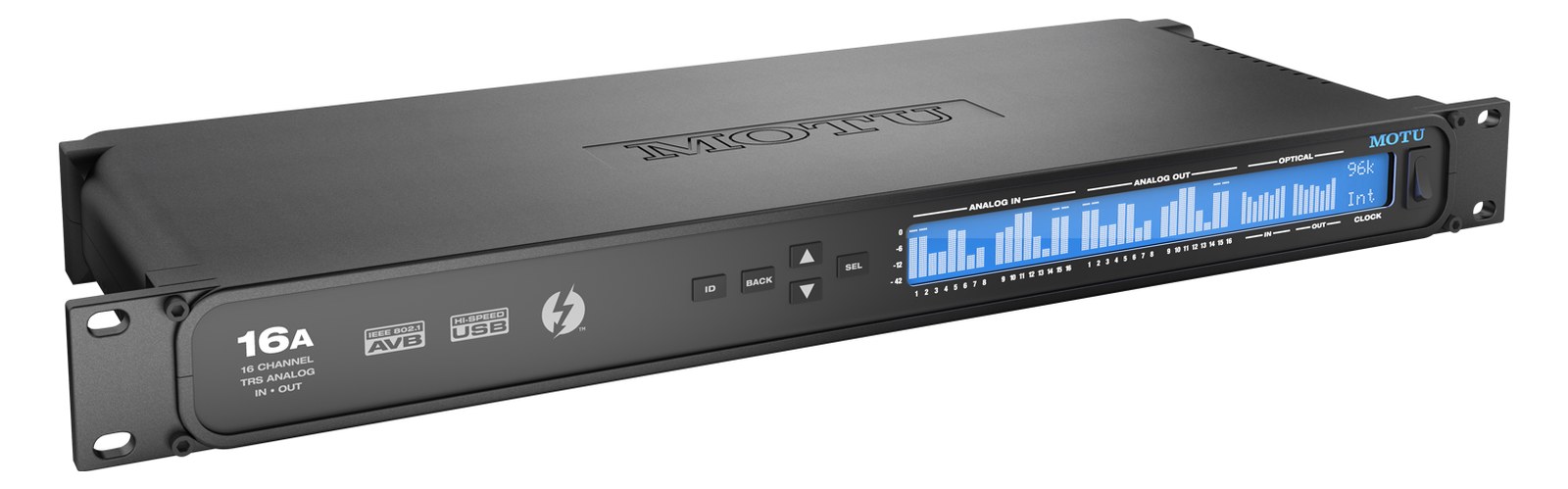
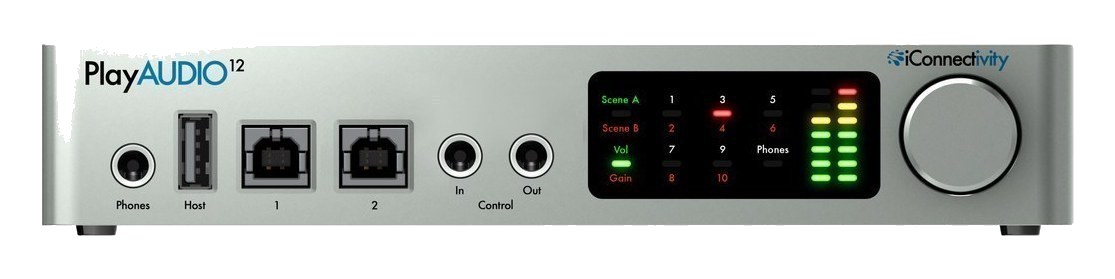
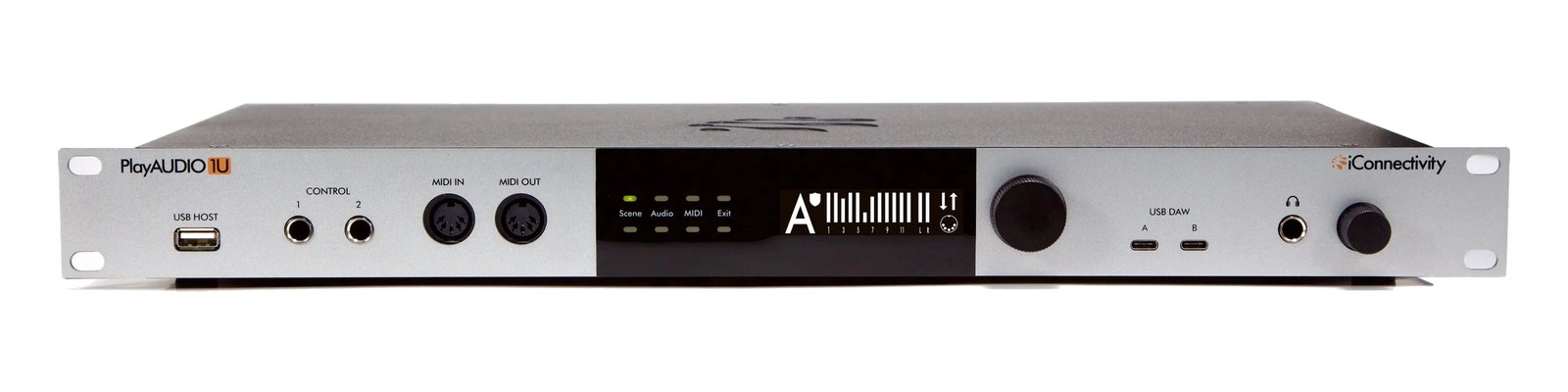
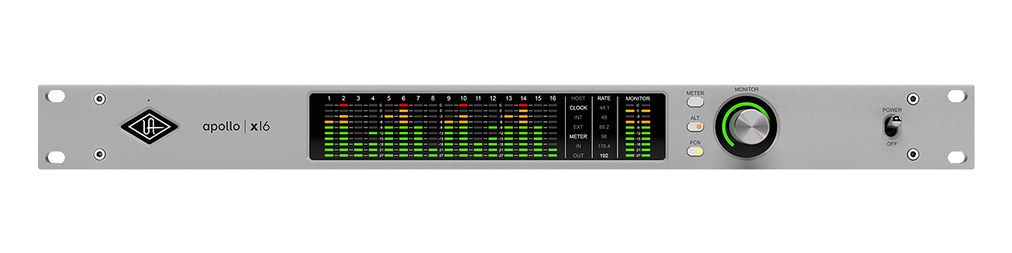
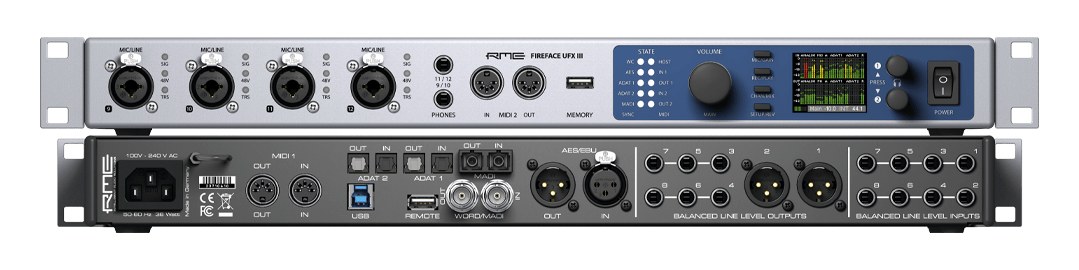
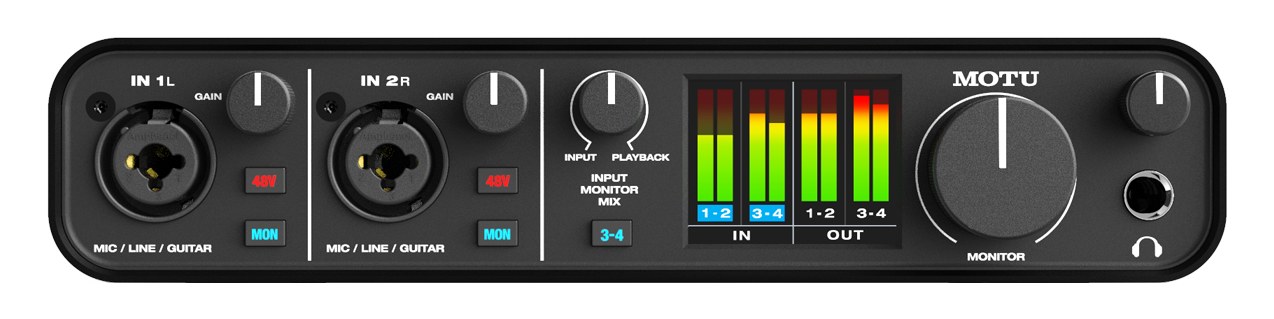
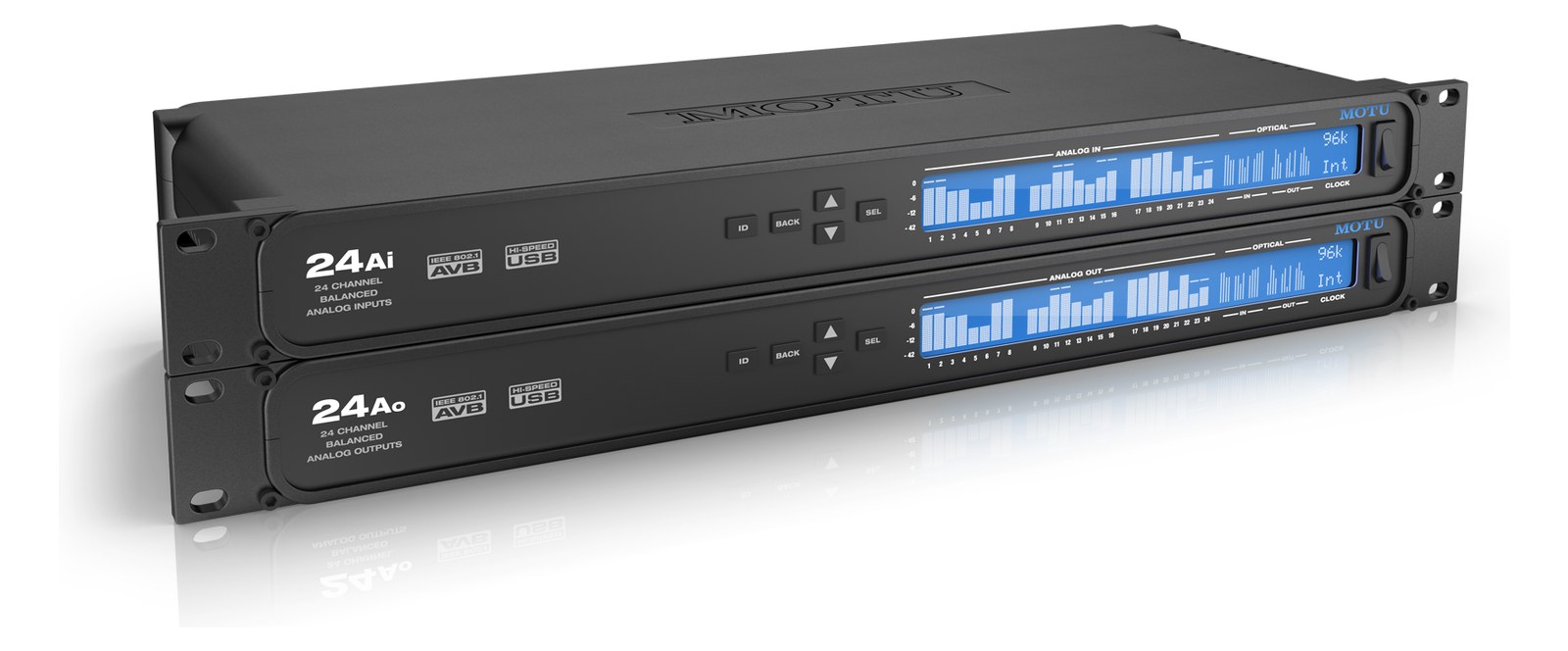
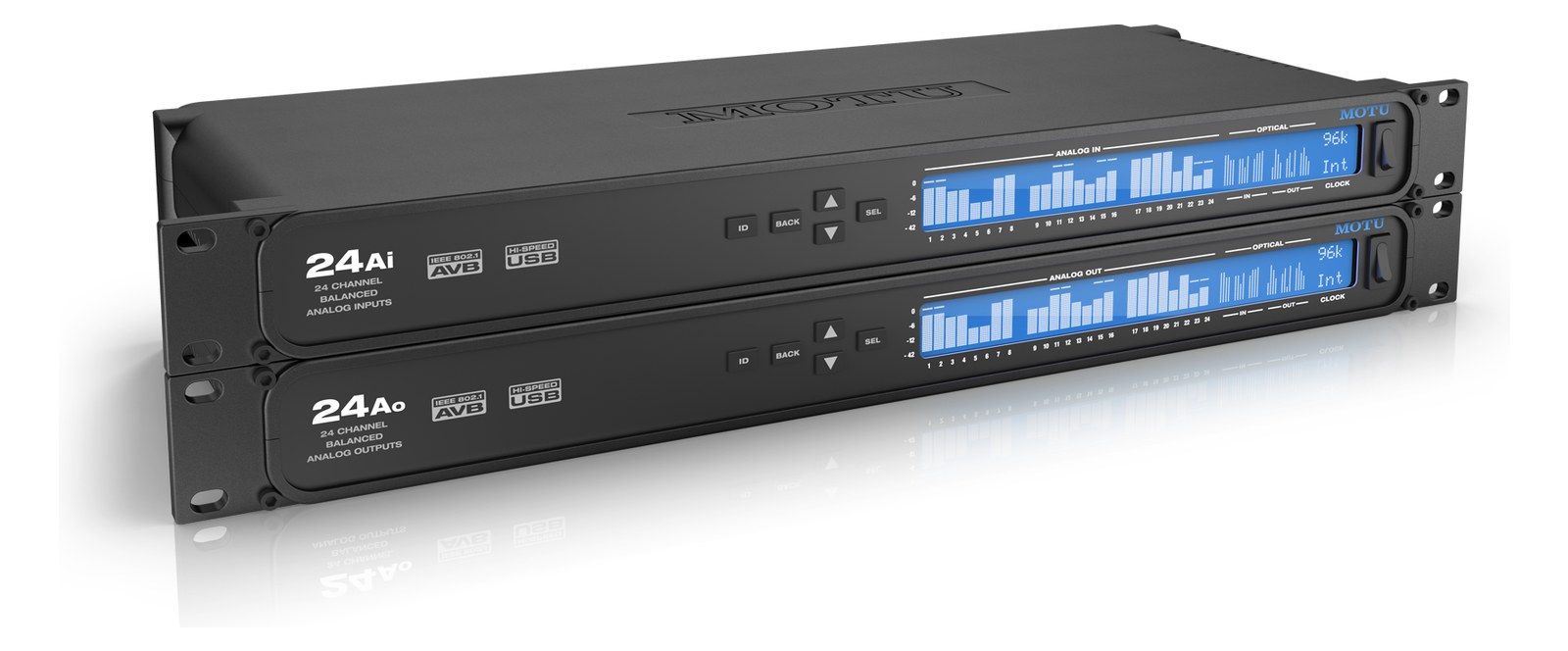
Manufacturer product photography — the drawn faceplate above stays true to panel layout; these show the hardware itself.

Photo: iConnectivity1 / 2

About the iConnectivity PlayAUDIO2U

The iConnectivity PlayAUDIO2U (2026) is the flagship of the failover playback line: a 2U interface with 24 panel-reinforced XLR outputs, four inputs, and the automatic dual-computer A/B switching that made the PlayAUDIO name the standard for shows that cannot stop. Front-panel control buttons and MIDI make it the brain of a redundant rig without a laptop onstage. The successor tier above the PlayAUDIO1U.

The PlayAUDIO2U is the answer to a single question: what happens to the show when a playback computer dies mid-set? iConnectivity built the PlayAUDIO line around that exact failure mode, and the 2U sits at the top of that lineage. You run two computers — a primary and a hot spare — both connected simultaneously via the two USB-C ports, and the unit monitors the primary continuously. When it disappears, the 2U switches to the backup with no manual intervention required. Twenty-four panel-reinforced XLR outputs means your stems, IEM mixes, timecode, and click all route through a single box that has already decided what to do before your FOH engineer notices anything happened.

In practice, 24 analog outputs is a serious channel count for a 2U box drawing 25 watts at idle. You are not borrowing headroom from somewhere else — at 35 watts peak, it fits comfortably behind a single 20A circuit without drama. The four combo inputs handle a click return, a soundcheck reference, or a comms line without an extra interface in the chain. MIDI DIN and Ethernet RTP-MIDI give you transport control and recall without a laptop sitting onstage. Depth is 250mm, which clears most shallow rack shelves with room to dress cables behind it. At 4kg it won't shift the rack's balance the way heavier audio gear might, but plan your rear cable management before the unit goes in — 24 XLRs leaving the back of one panel gets dense fast.
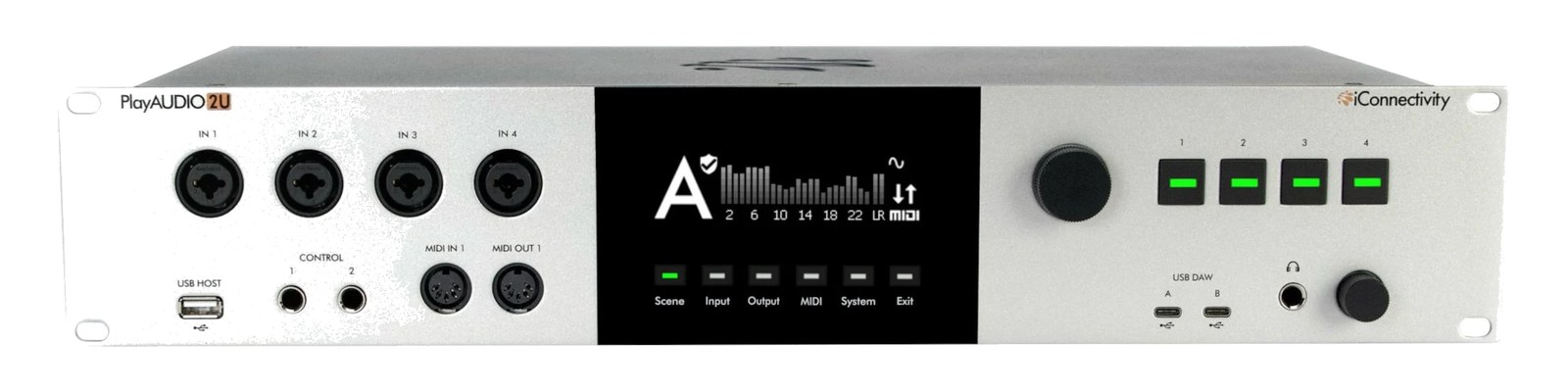
This box is purpose-built for touring playback rigs and broadcast-style performance setups where stopping is not an option — theater, arena, festival touring with a dedicated playback operator. If you are running a modest IEM rig with a single MacBook and Ableton, the PlayAUDIO2U is overkill and the price reflects that. The 1U sibling exists for smaller output counts. If your show has a dedicated playback engineer, a firm separation between primary and backup computers, and stems or SMPTE that feed downstream consoles or video, this is exactly the right tool. The cost is real, but so is the cost of a show stopping in front of ten thousand people.

In the rack

  • Label both USB-C connections at the device AND at each computer before the tour starts — swapping A and B under pressure during a line check is a fast way to undermine the redundancy you paid for.
  • Patch your 24 outputs in a fixed, documented order from day one: stems first, then click and timecode on the highest-numbered outputs. When a local crew connects your rack at a festival, that consistency is what prevents a quiet output from becoming a missing stem at downbeat.
  • Use the Ethernet port for RTP-MIDI transport control rather than DIN if your playback software supports it — it keeps the DIN port free as a hardware fallback and gives you more flexibility in where the control source lives in the rack.
  • Test the actual failover on every production day before doors, not just at the start of tour. Fire the primary computer mid-playback while the backup is already running and verify output continuity. The switch should be seamless; confirming it regularly means you trust it when it matters.

Flagship 2U failover playback interface — 24 XLR outs, dual-computer A/B.

I/O Ports (8)

PortConnectorDirectionSignalChannels
XLR Out 1-24XLR MALEoutputanalog audio24
Inputs 1-4COMBO XLR TRSinputanalog audio4
USB Computer AUSB Cbidirectionaldata
USB Computer BUSB Cbidirectionaldata
MIDI InMIDI DIN5inputdata
MIDI OutMIDI DIN5outputdata
Ethernet (Control/RTP-MIDI)RJ45bidirectionaldata
Power
  • Power (IEC C14)

Deciding between two?

Rack space, watts, weight and every connector, side by side.

Related gear

Related articles

Guides from our library that cover planning around audio interface gear.