
Wireless Mic

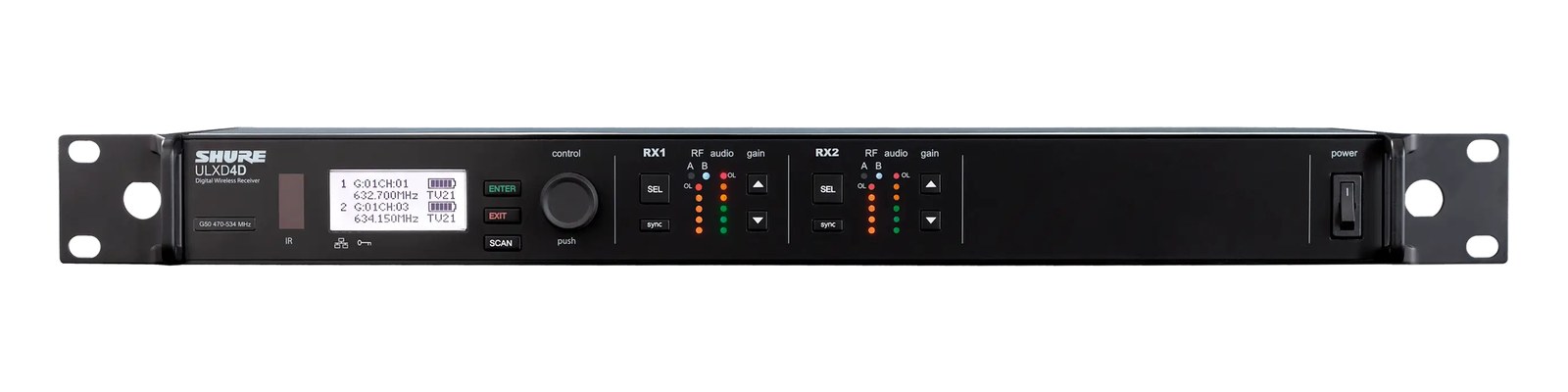
Shure ULXD4D Dual Wireless Mic Receiver

Shure·Model ULXD4D·shure-ulxd4d-mic-g50

Photos

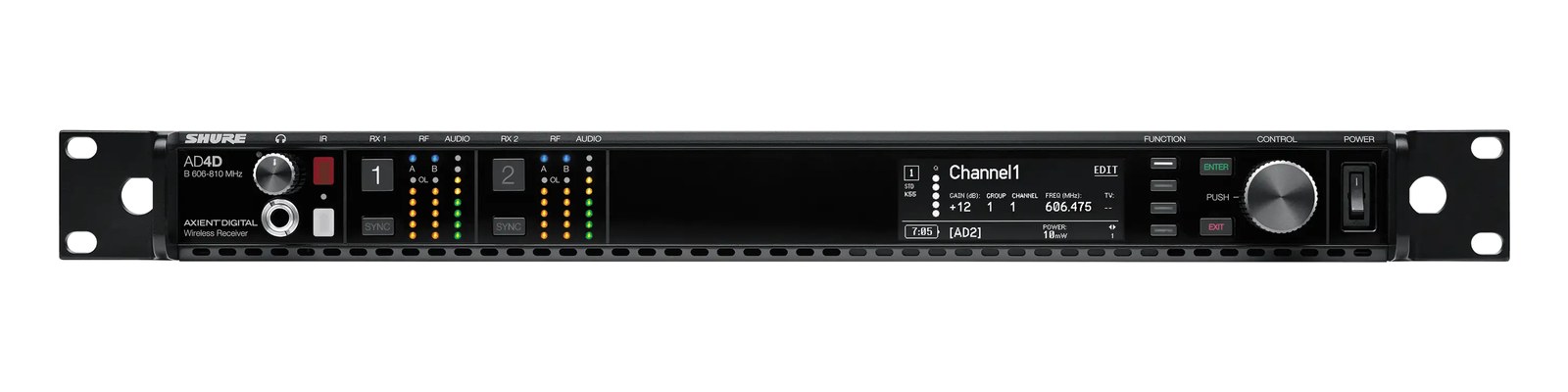
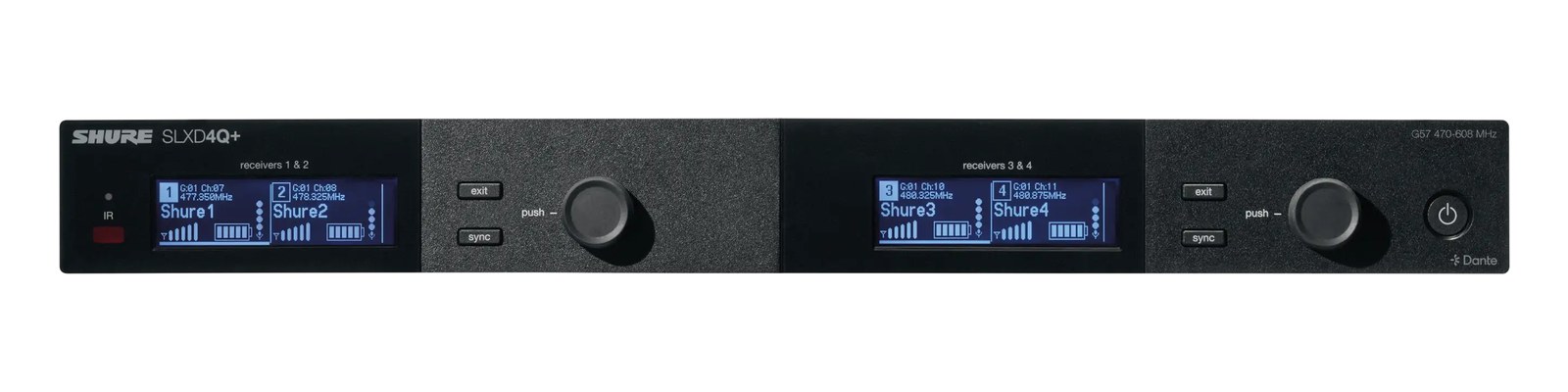
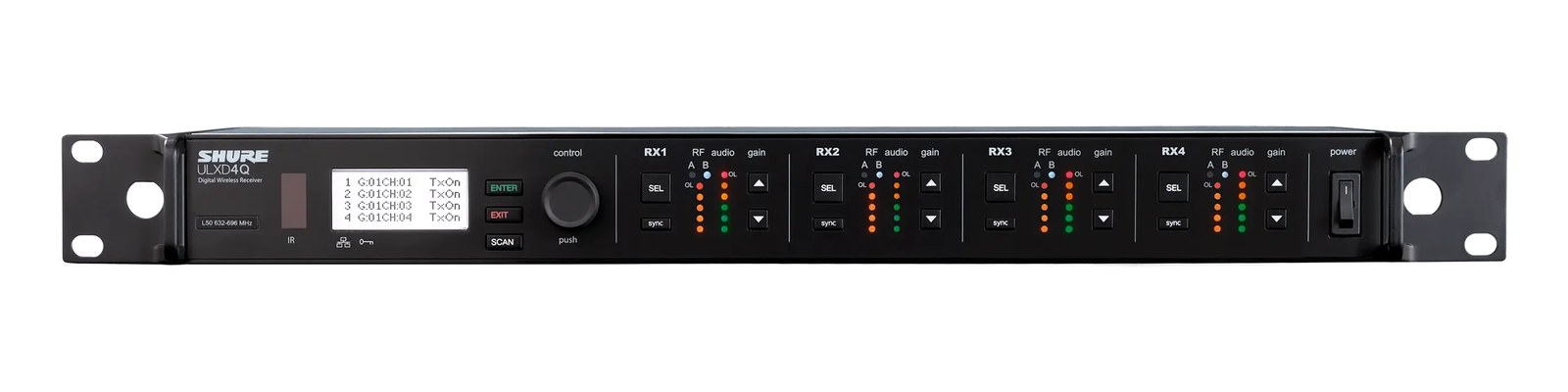
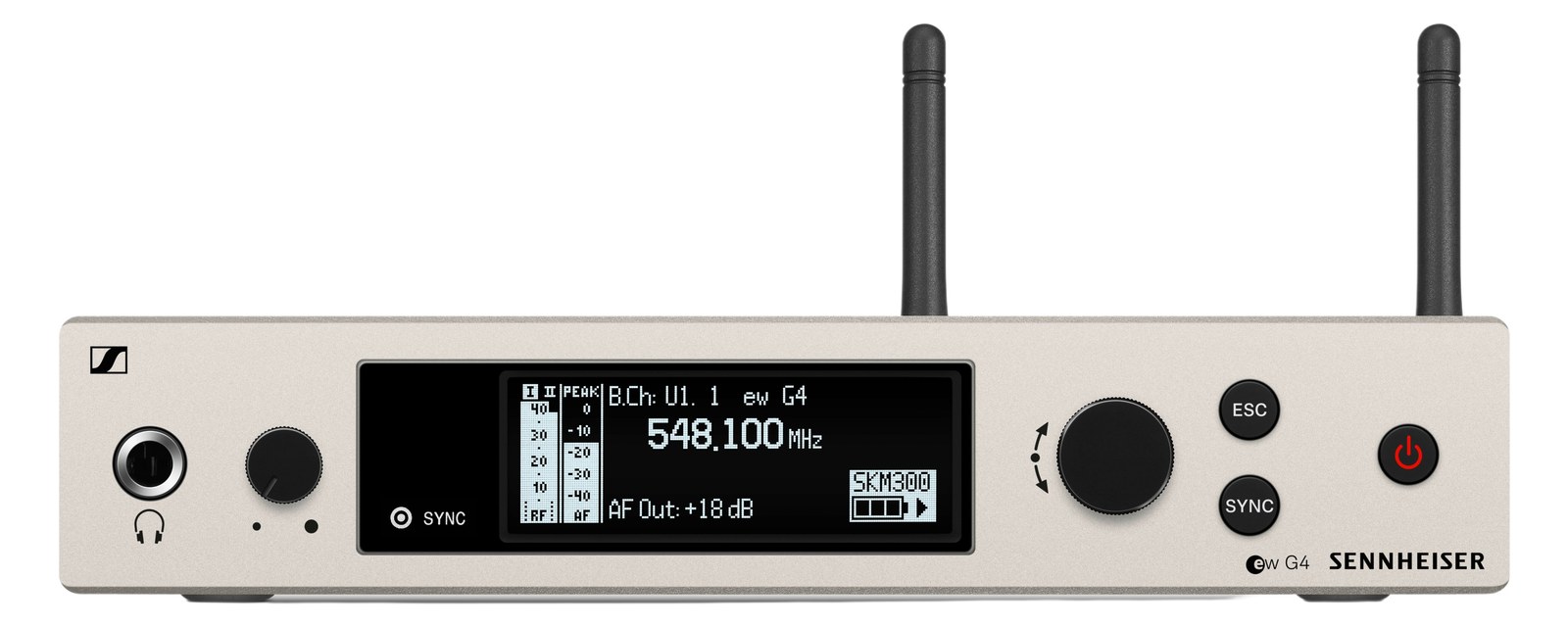
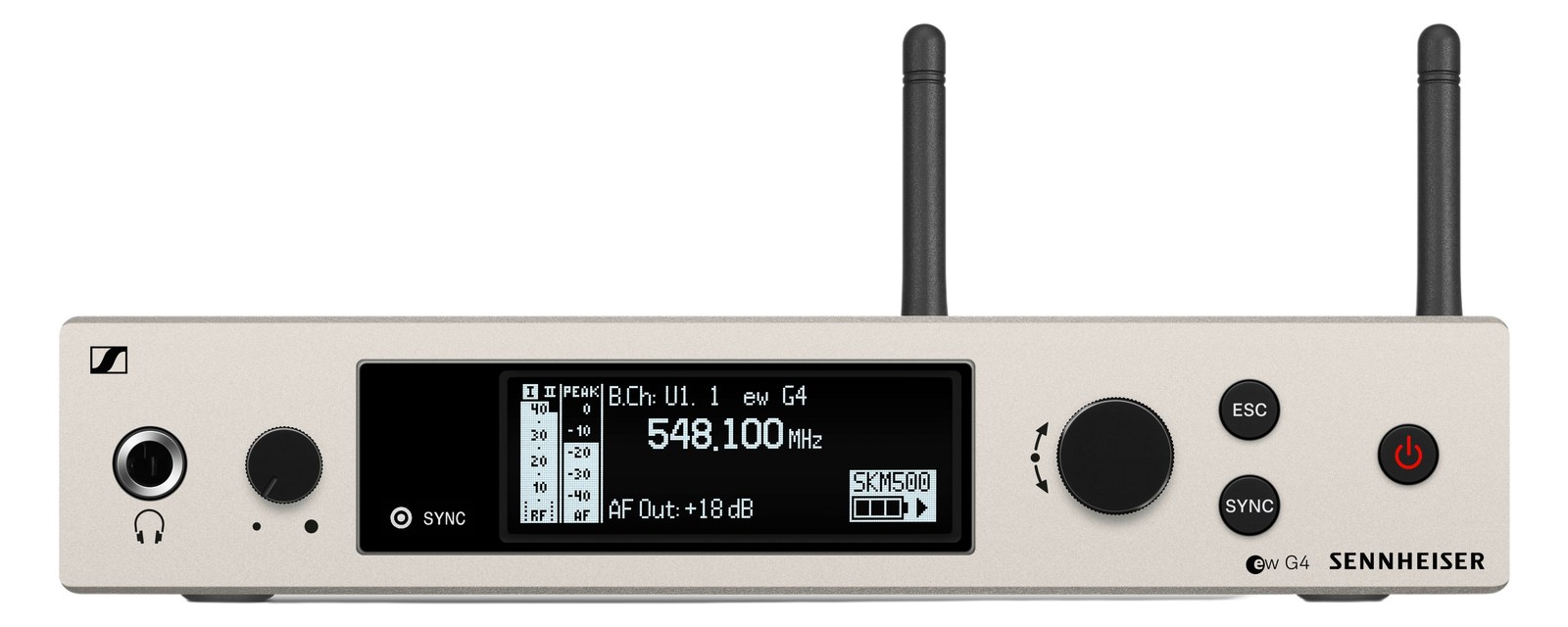
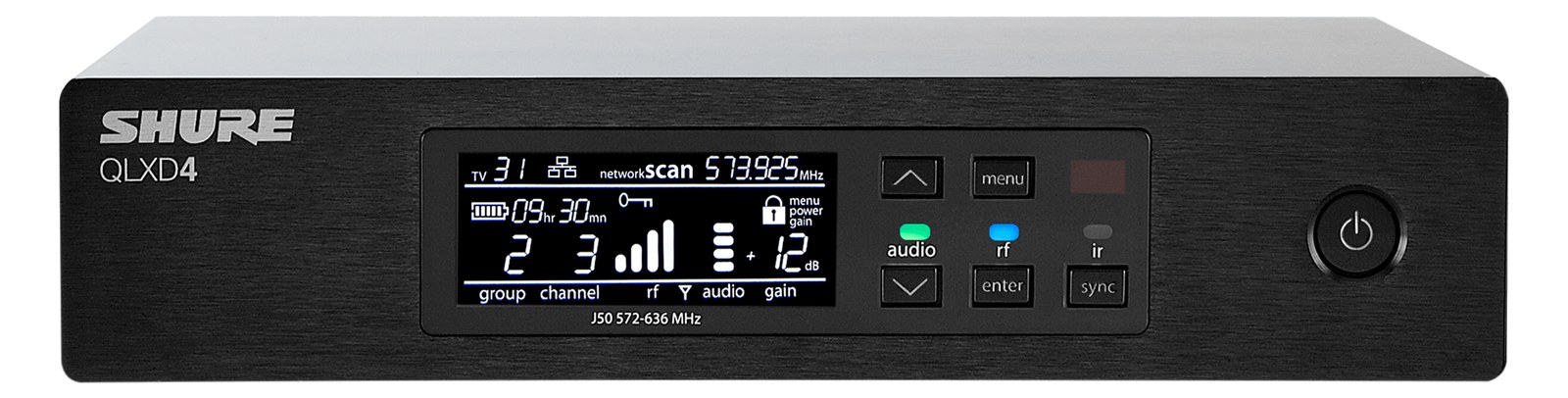
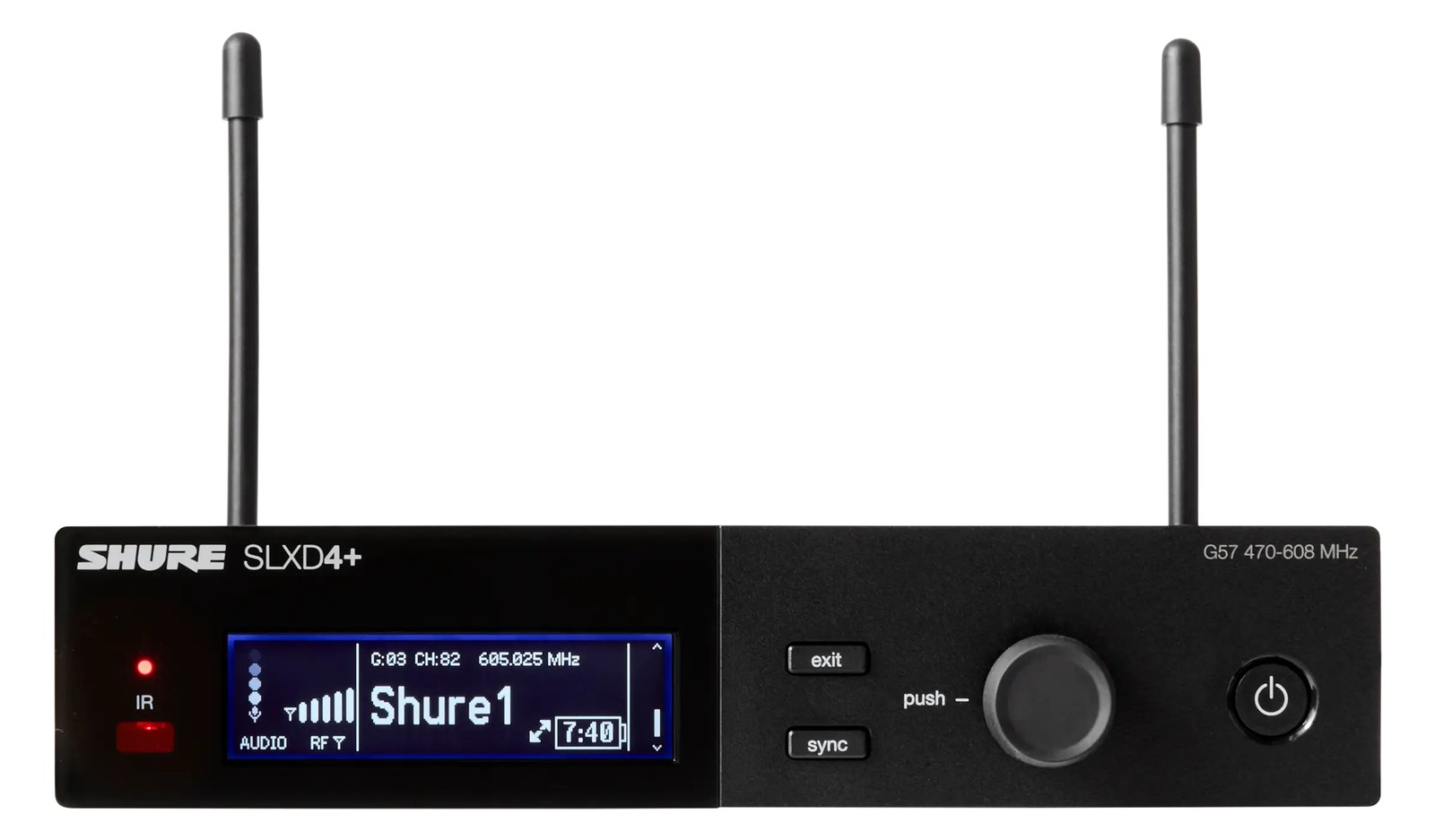
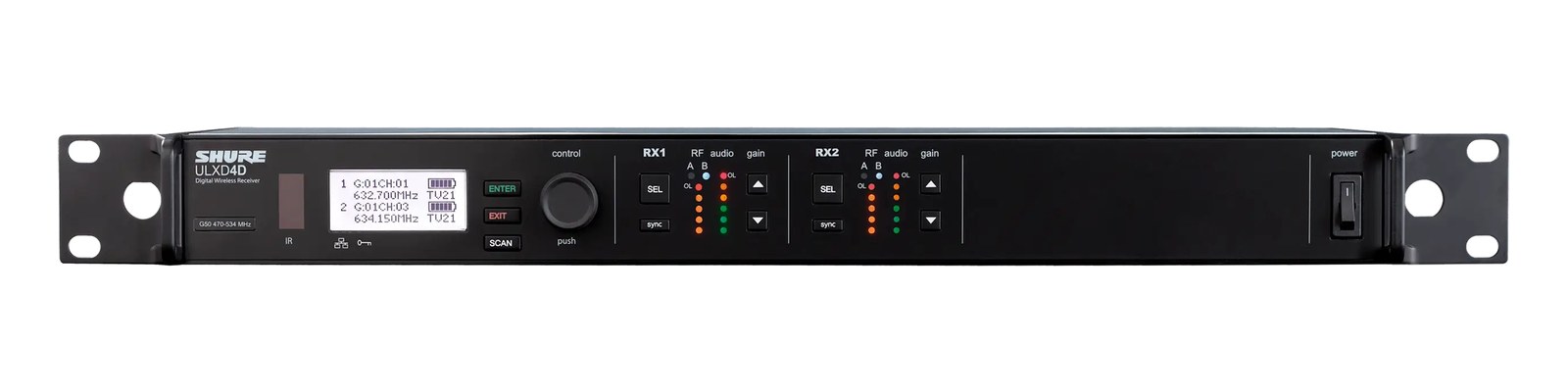
Manufacturer product photography — the drawn faceplate above stays true to panel layout; these show the hardware itself.

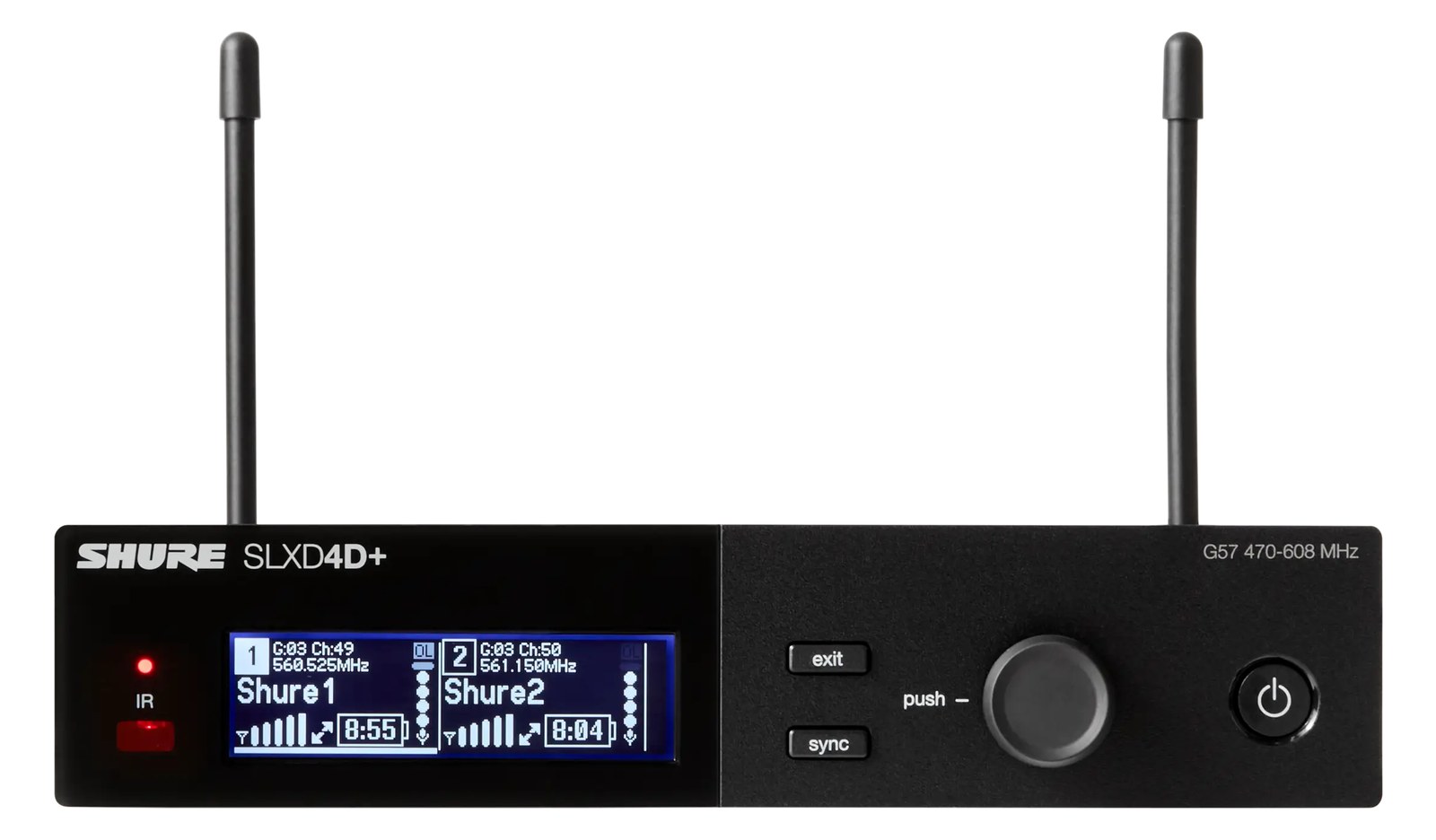
Photo: Shure1 / 2

About the Shure ULXD4D

The ULXD4D dual-channel mic receiver packs two ULX-D channels into a single rack unit with native Dante output, streamlining integration into networked audio systems. Having two channels in one unit halves your rack space requirements compared to single-channel receivers, which matters in dense multi-mic deployments. The Dante output feeds directly onto your audio network, eliminating the need for separate analog-to-digital conversion.

The ULXD4D is Shure's dual-channel ULX-D receiver in a single rack unit, and its job is straightforward: pull two RF channels out of the air and deliver them cleanly to your system. What makes it worth serious consideration in a dense rig is the combination of that 2-in-1 footprint with native Dante output alongside the two analog XLR outputs. For touring and install situations where you're running eight, twelve, or sixteen wireless channels, the difference between single-channel and dual-channel receivers stops being an abstraction and starts being four rack units you either have or don't.

At 18 watts nominal draw, this unit is light on your power strip, and at 220mm deep it sits comfortably in a shallow tour rack without fighting your cable management. The two BNC antenna inputs are shared across both channels, so your antenna distribution system needs only two feeds per ULXD4D — that's a real wiring simplification at load-in. The Dante port is the practical headline for networked rigs: you're routing both channels onto the network over a single EtherCon run, which means no analog snake tails creeping back to a stagebox if your console or I/O lives on the same Dante network. The analog XLR outputs remain available simultaneously, so hybrid rigs aren't locked out.
This receiver belongs in a rig where you're already committed to ULX-D transmitters or evaluating the full system together, and where Dante is either already in play or clearly on the roadmap. The price point — and the ecosystem lock-in — means it's not a casual purchase. If you're running two or three channels of wireless for a single artist with a conventional analog console, a simpler non-networked receiver is a more proportionate answer. But if you're building a multi-channel RF rack for a touring production or a house-of-worship install where network audio matters, the density and the Dante integration make the ULXD4D a seriously efficient unit.

In the rack

  • Pair each ULXD4D with a Shure antenna distribution unit feeding the BNC inputs so all receivers on a shared RF system draw from properly amplified, filtered antenna feeds — don't daisy-chain passive splitters across multiple dual-channel units.
  • If you're using the Dante output as your primary send, still cable the XLR outputs to a patchbay or spare console inputs during the build — having an analog fallback costs nothing at load-in and saves the show if the network has a bad night.
  • Plan your frequency coordination before the rig ships: the ULXD4D's two channels share antenna infrastructure, so both channels on each unit should be coordinated together as a pair, not independently, to avoid intermodulation problems at the receiver itself.
  • At 1U and 1.8kg, this unit is light enough that you should still rack-screw it fully rather than relying on friction — a touring rack with a loose receiver sliding on its ears will eventually pull a BNC cable at the wrong moment.

ULX-D dual-channel wireless receiver with Dante output.

I/O Ports (9)

PortConnectorDirectionSignalChannels
XLR Out 1XLR MALEoutputanalog audio
XLR Out 2XLR MALEoutputanalog audio
Antenna ABNCinputantenna
Antenna BBNCinputantenna
Antenna A Cascade OutBNCoutputantenna
Antenna B Cascade OutBNCoutputantenna
Dante/Ethernet PrimaryDANTE RJ45bidirectionaldigital audio2
Dante/Ethernet SecondaryDANTE RJ45bidirectionaldigital audio2
Power
  • Power (IEC) (IEC C14)

Deciding between two?

Rack space, watts, weight and every connector, side by side.

Related gear

Related articles

Guides from our library that cover planning around wireless mic gear.