
Audio Interface

MOTU 16A (Thunderbolt 4)

MOTU·Model 16A TB4·motu-16a-tb4

Photos

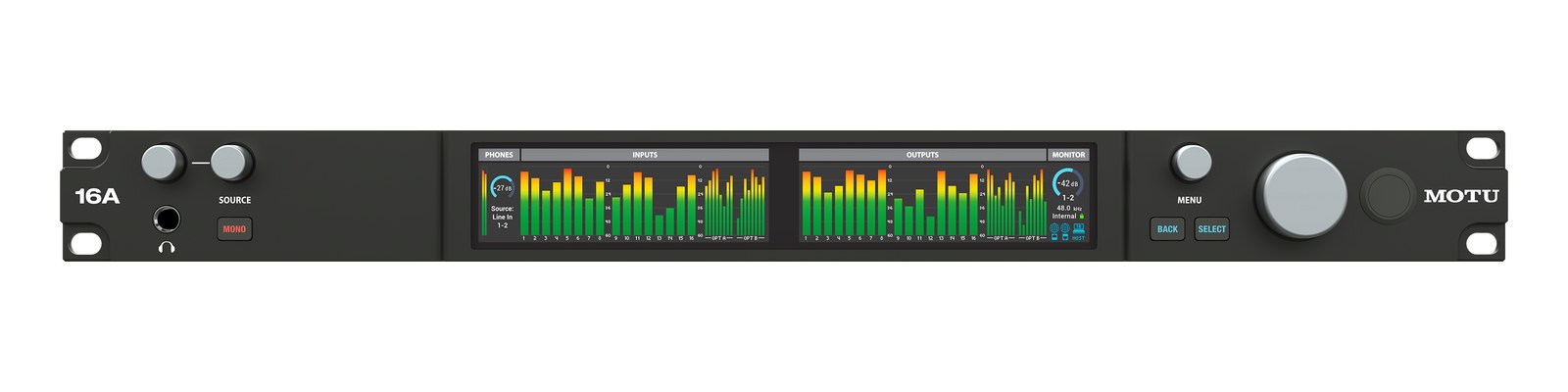
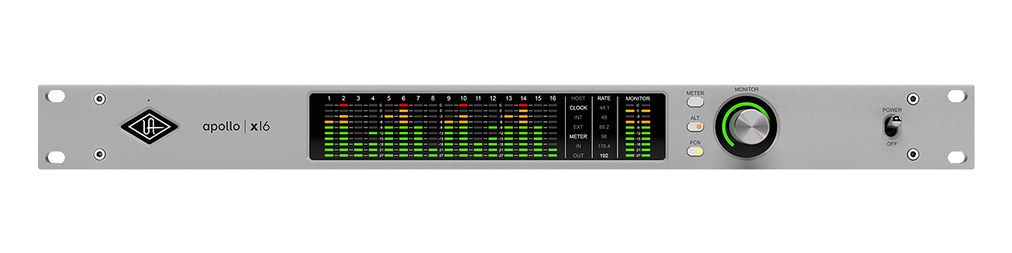
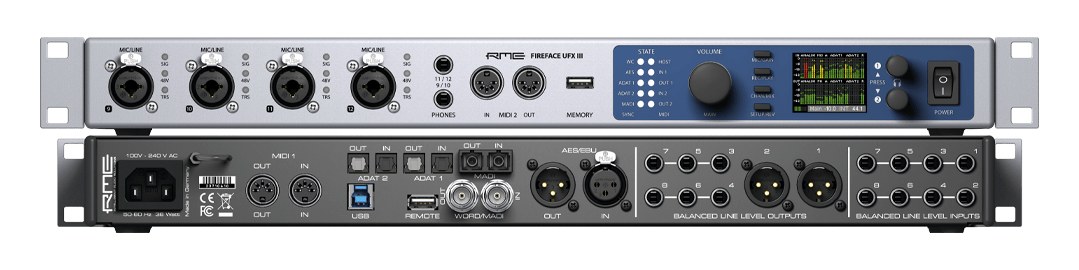
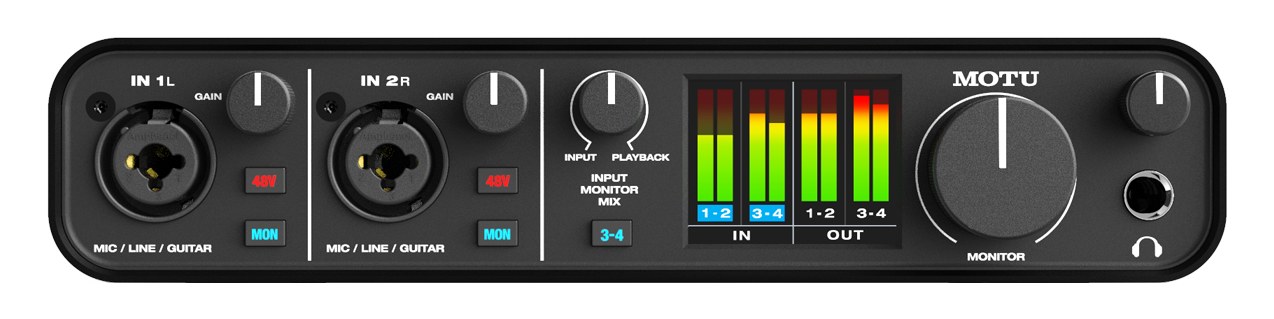
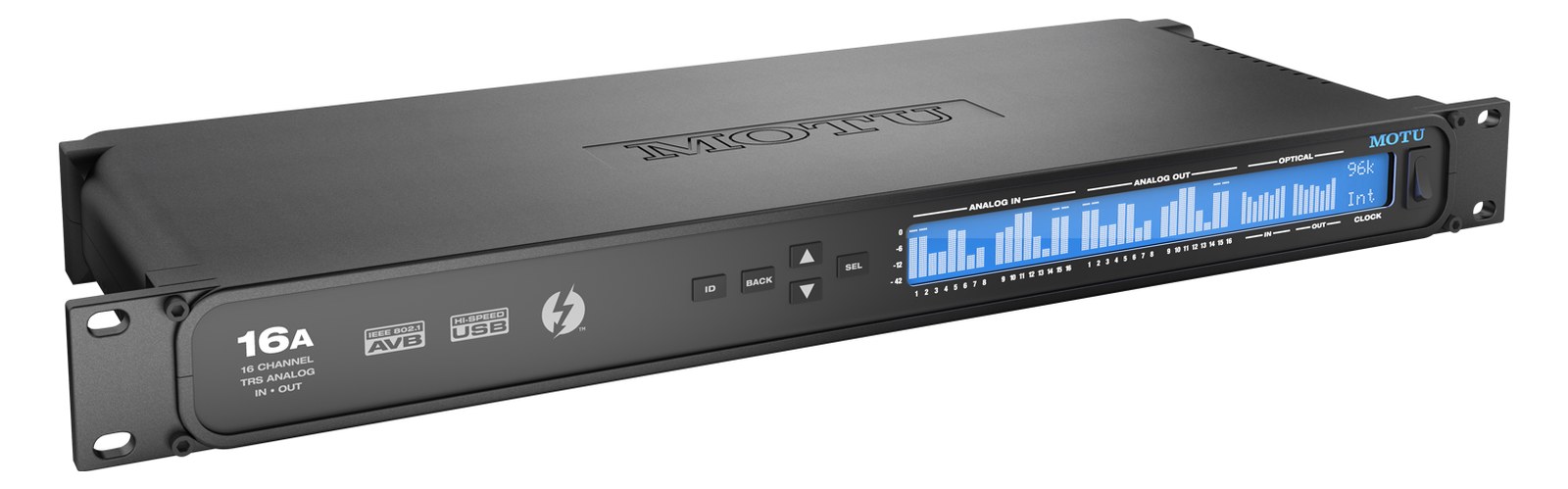
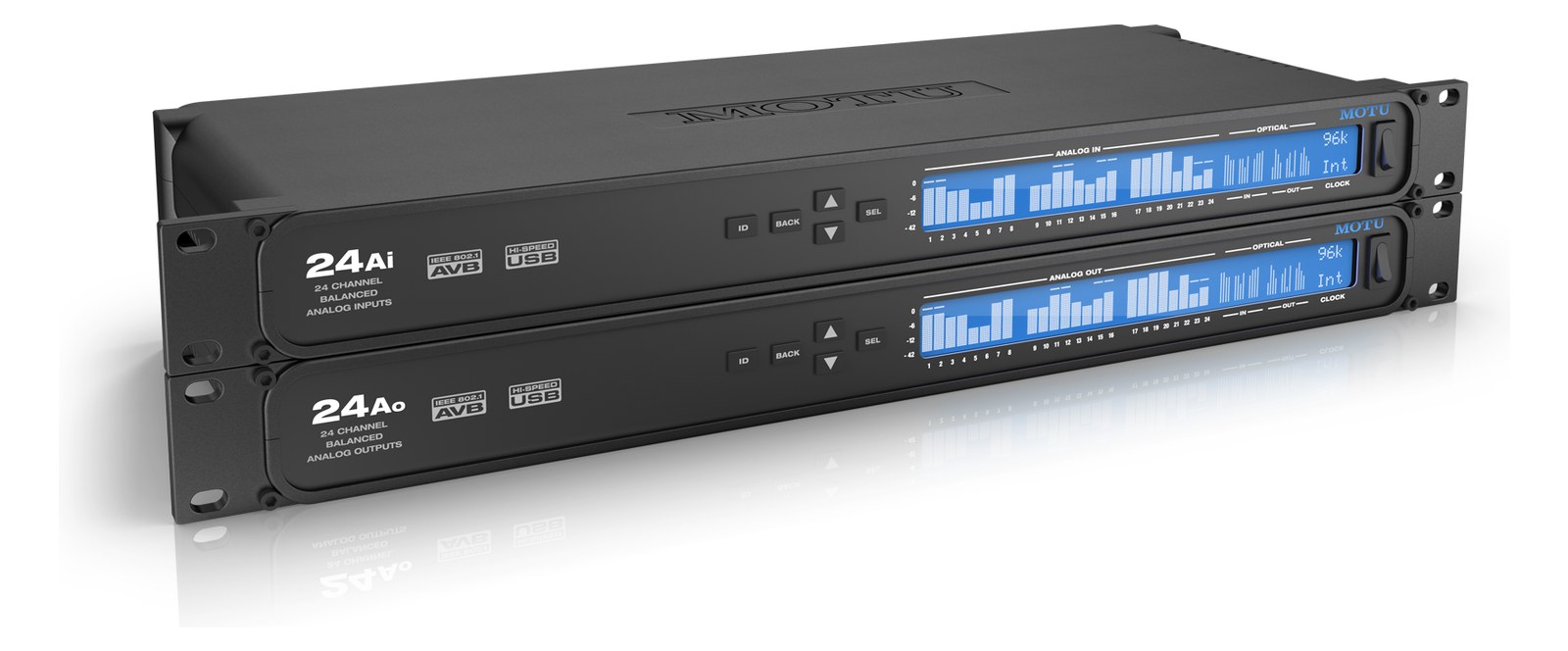
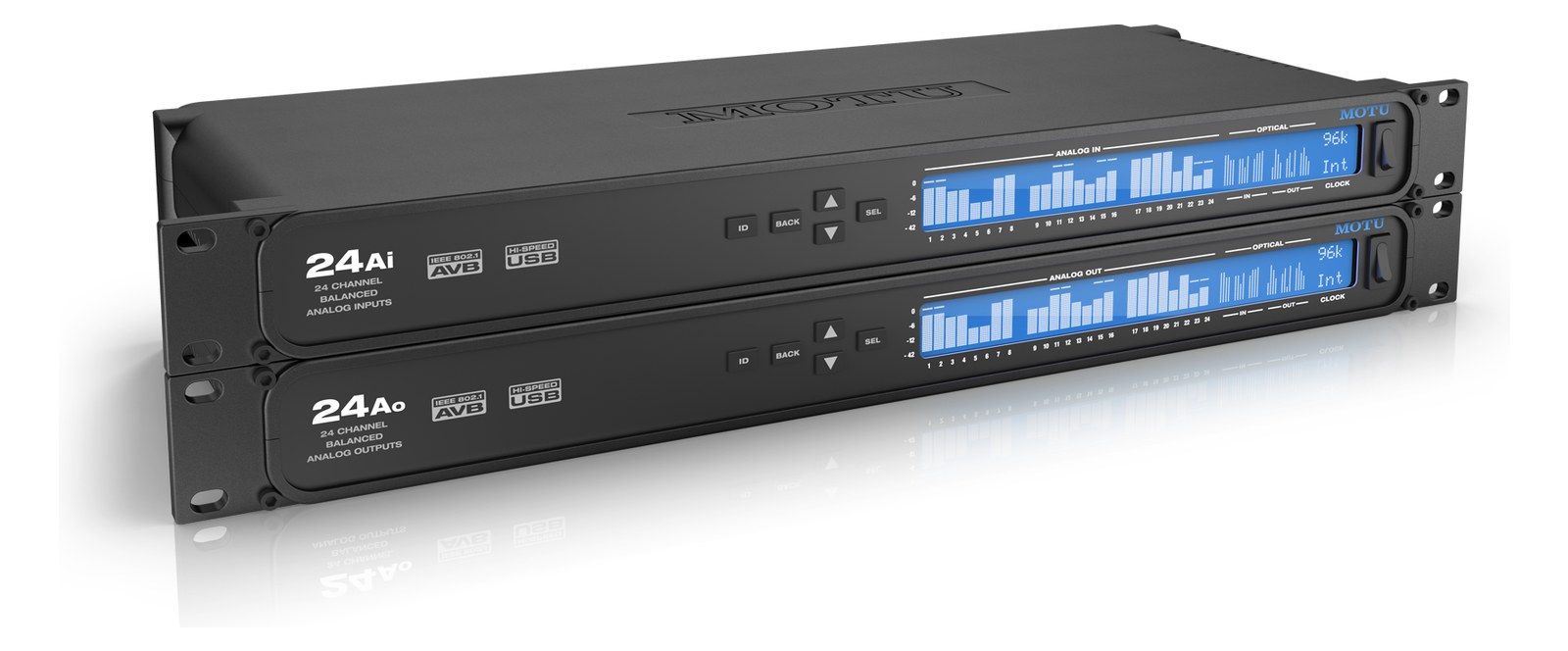
Manufacturer product photography — the drawn faceplate above stays true to panel layout; these show the hardware itself.

Photo: MOTU1 / 3

About the MOTU 16A TB4

The Thunderbolt 4 generation of the MOTU 16A keeps the format playback rigs loved — sixteen balanced line ins and outs in 1U — and moves the computer link to TB4/USB4 with AVB networking still on board. Stems out to a monitor console, returns back in, and network audio when the rig grows. Successor to the AVB-era 16A at a lower price than the original ever sold for.

The MOTU 16A TB4 is a 1U, 16-in/16-out analog line interface built for the kind of playback and IEM rig that needs a lot of balanced I/O without burning a second rack space. Sixteen TRS inputs and sixteen TRS outputs cover stems-out to a monitor console, sends back in for talkback or audience feeds, and still leaves room to grow. The AVB port means it can hand audio across a network to another interface or a network-enabled console when the rig scales up, and the Thunderbolt 4 connection keeps the computer link fast and reliable for DAW-direct workflows.

At 1U and 178 mm deep, it sits comfortably in a shallow touring rack — that depth matters when you're sharing a 12U case with a Mac Mini, a power conditioner, and a patch bay. Eighteen watts nominal draw is modest enough that it won't stress a single-outlet power conditioner, and the 25-watt max gives you a realistic ceiling to budget against. The full-rack width means all sixteen TRS jacks are front-accessible, which is the right answer at load-in when you're patching quickly in low light. AVB runs over standard Cat6 to an EtherCon connector, so extending audio to FOH or a stage split doesn't require a separate digital snake.

This interface belongs in a playback rig or IEM rack where you need genuine 16-channel analog depth from a single rack unit and want AVB networking available as the rig evolves. It's a strong fit for a touring playback engineer running stems to a monitor world console, or a band's self-contained IEM setup that may eventually tie into a larger AVB infrastructure. If you only need eight or fewer outputs and are cost-sensitive, there are smaller MOTU interfaces that cover that ground for less. If your workflow is entirely USB and you have no plans to use AVB, you're paying for capability you won't touch — but if there's any chance the rig grows, the headroom is worth it.

In the rack

  • Patch the 16A's outputs in console-send order at load-in, not stem order — if the monitor engineer loses a channel, they can trace it without your help.
  • Run Cat6 to the AVB port even if you're not using network audio yet; having a live EtherCon connection ready means adding a network split later is a five-minute job instead of a cable pull.
  • The 178 mm depth pairs well with a Mac Mini in the same rack — use a 1U shelf or a purpose-built Mac Mini tray directly above or below to keep the Thunderbolt 4 cable short and dressed.
  • Budget the full 25-watt max when calculating power-conditioner load, not the 18-watt nominal — at show time, both units will be running at capacity simultaneously.

Current-gen 16A: 16x16 line I/O, TB4/USB4, AVB networking.

I/O Ports (5)

PortConnectorDirectionSignalChannels
Line In 1-16TRS QUARTERinputanalog audio16
Line Out 1-16TRS QUARTERoutputanalog audio16
Thunderbolt 4THUNDERBOLTbidirectionaldata
AVB NetworkETHERCONbidirectionaldigital audio32
Power
  • Power (IEC C14)

Deciding between two?

Rack space, watts, weight and every connector, side by side.

Related gear

Related articles

Guides from our library that cover planning around audio interface gear.