
Stage Box

Yamaha Tio1608-D2 Stage Box

Yamaha·Model Tio1608-D2·yamaha-tio1608-d2

Photos

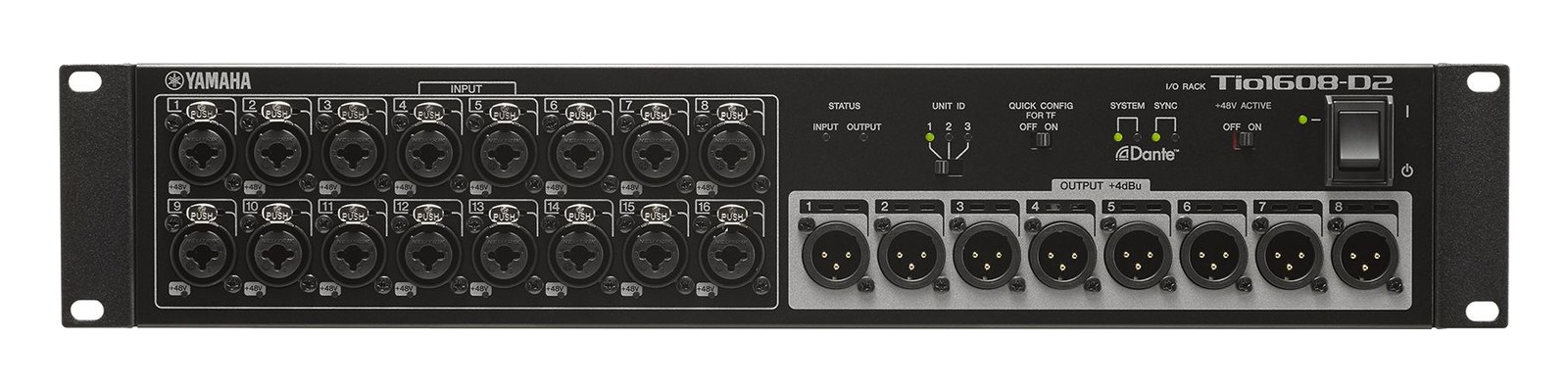
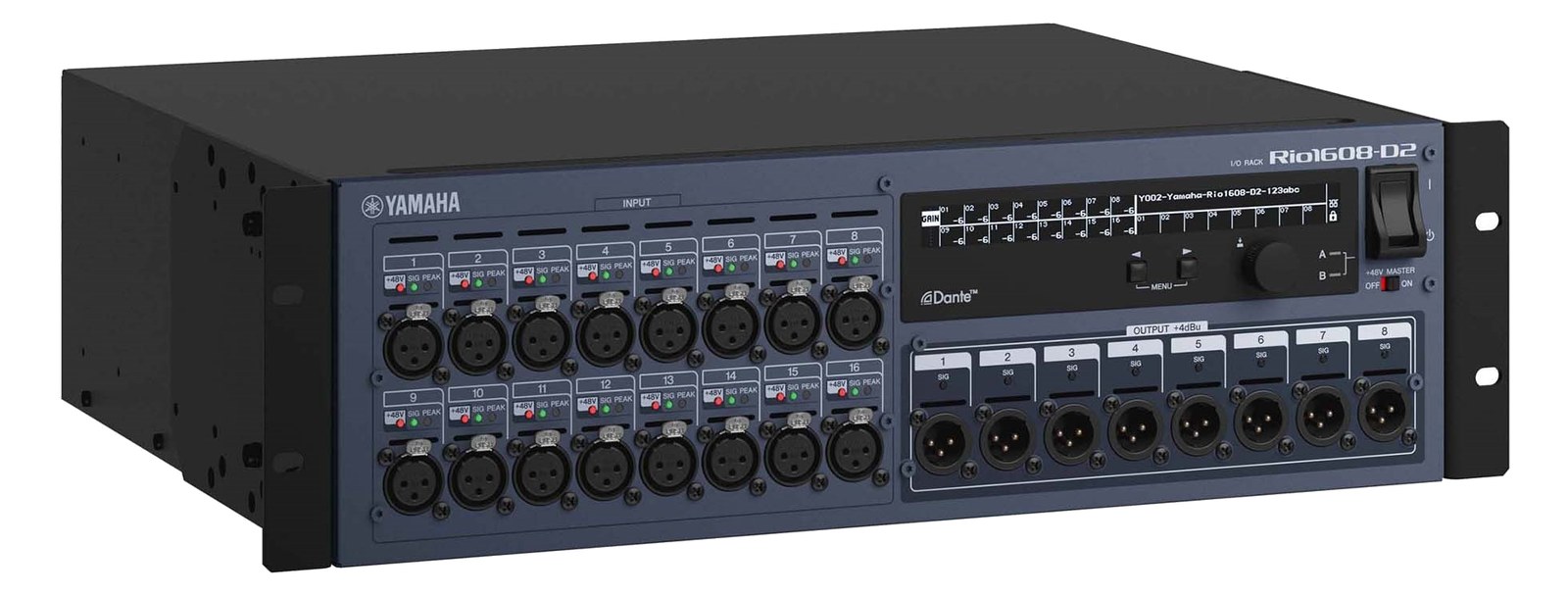
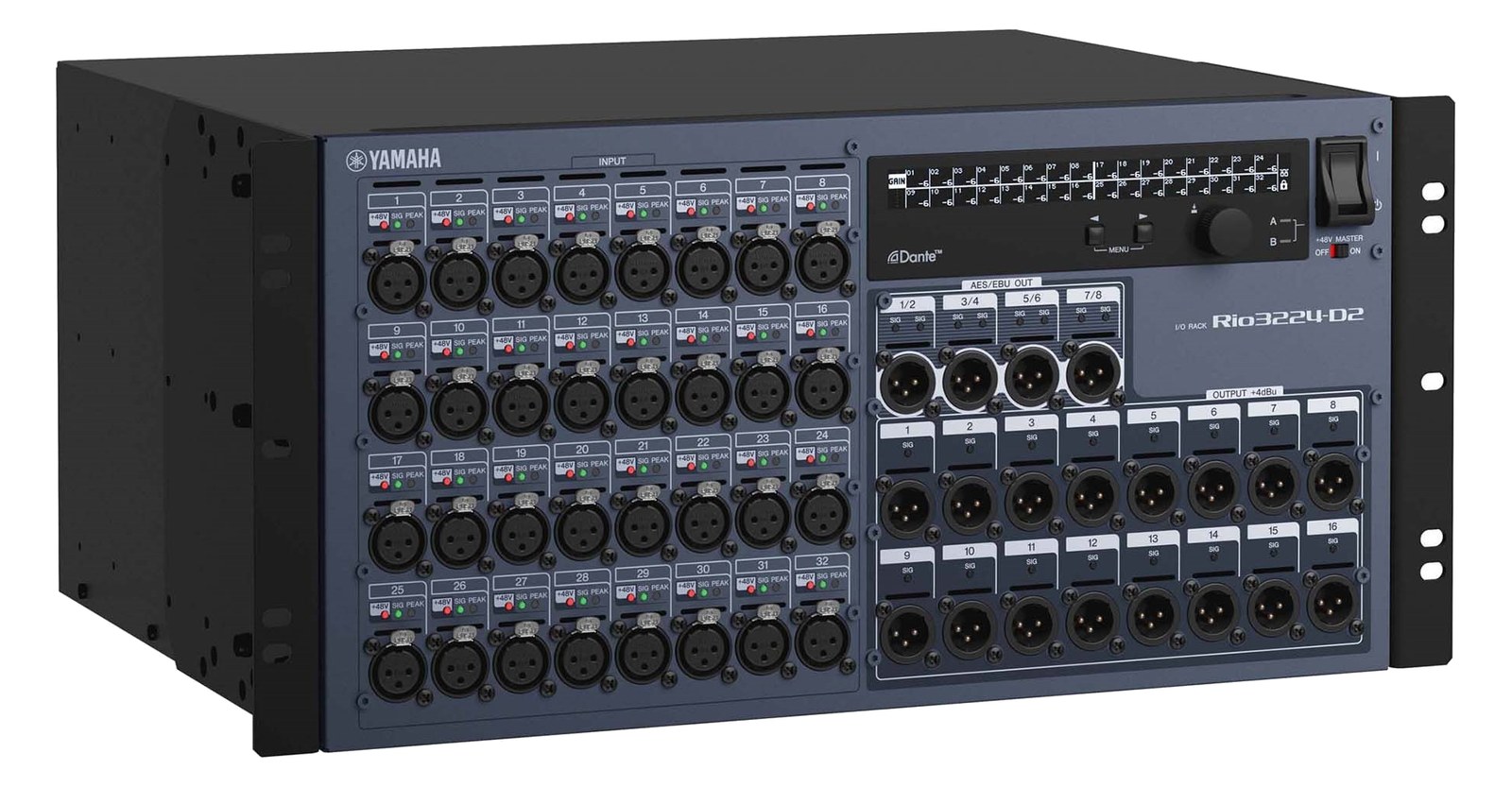
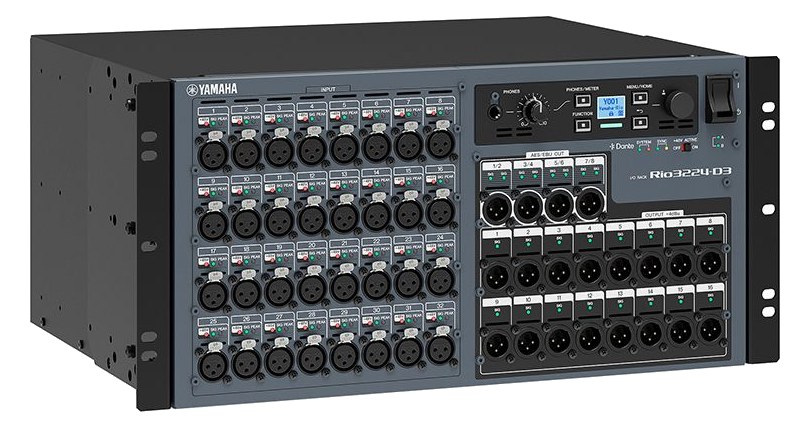
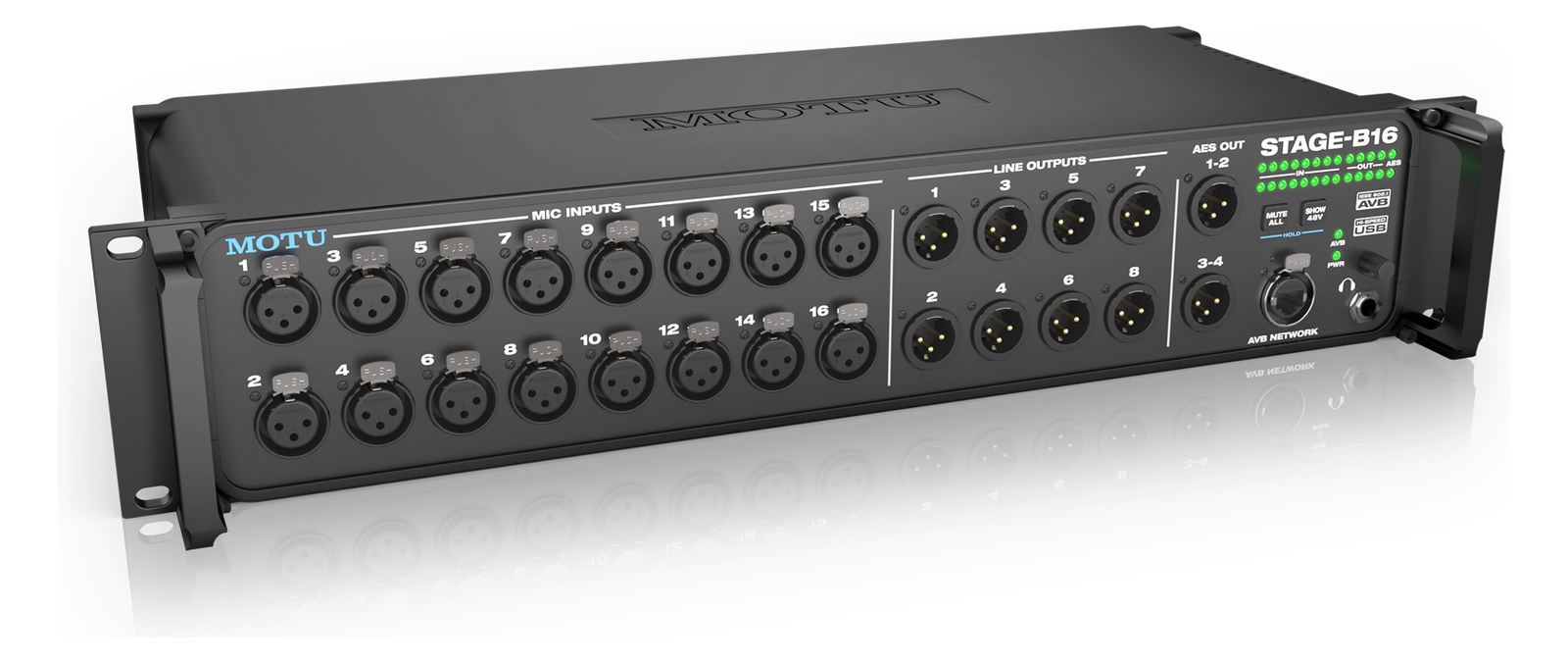
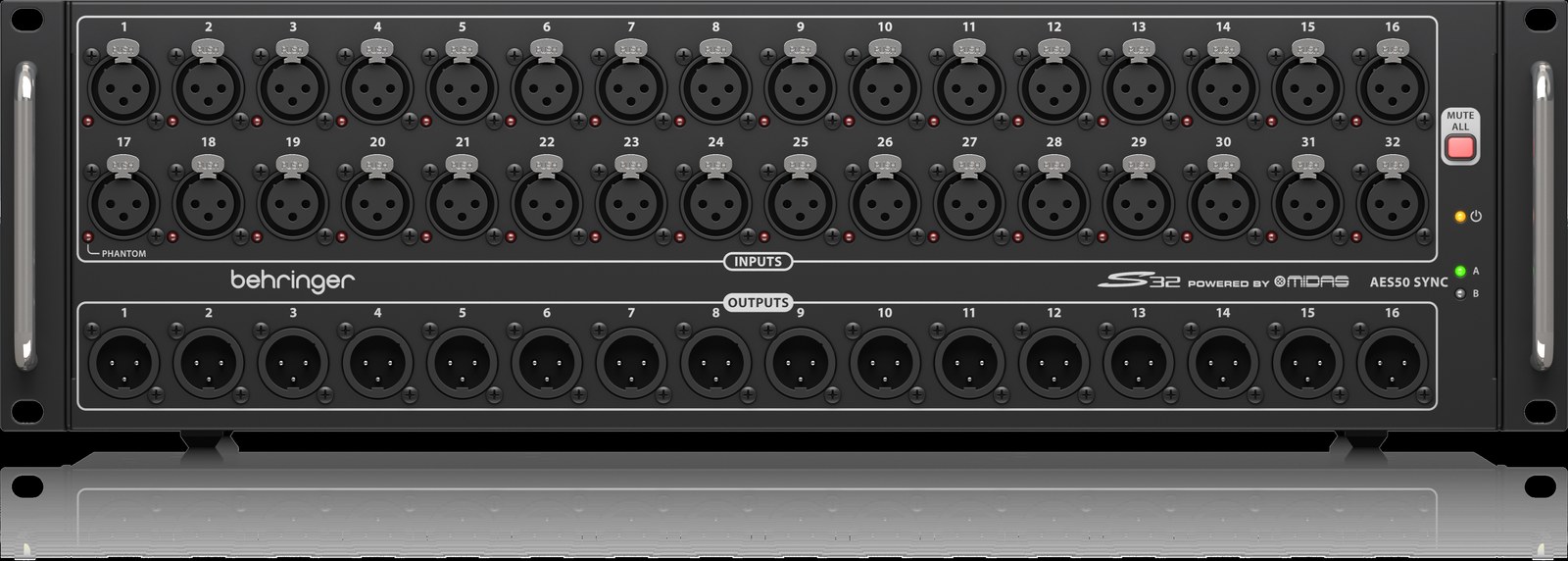
Manufacturer product photography — the drawn faceplate above stays true to panel layout; these show the hardware itself.

Photo: Yamaha1 / 3

About the Yamaha Tio1608-D2

The Yamaha Tio1608-D2 is the affordable Dante stage box in the Yamaha line: sixteen recallable preamps and eight outs with one-touch pairing to TF consoles, including the TF-Rack. Three units cascade for 48 inputs, and standard Dante means it also serves any Dante rig. The current second generation of the Tio.

The Tio1608-D2 is Yamaha's rack-mounted Dante stage box — a 3U box that plants sixteen recallable mic preamps and eight analog outputs at the edge of the stage while all the audio travels back to your console over a single Cat6 run. It lives in the Yamaha TF ecosystem by design, with one-touch pairing to TF-series consoles including the TF-Rack, but because it speaks standard Dante it will work in any Dante-enabled rig. That dual role — tight Yamaha integration on one hand, open-protocol flexibility on the other — is what makes it worth understanding before you dismiss it as a brand-specific accessory.

At 4 kg and 250 mm deep, this sits comfortably in a shallow stage rack without eating into your amp or wireless footprint. The 30 W nominal draw (45 W max) is honest enough that a single rack PDU outlet handles it without drama. Dual EtherCon ports for primary and secondary Dante networks mean you can run a redundant link back to FOH or your IEM rack — a legitimate safety net on a show where a single cable pull would otherwise kill everything. Three units cascade to 48 inputs on one Dante network, so a larger stage with multiple input drops can share the same logical system rather than running separate snakes.

If you're already on a TF console or TF-Rack, this is the natural answer — the one-touch pairing removes a configuration step that can bite you at a rushed load-in. If you're running a Dante rig built around a different console, the Tio still works, but you'll configure it like any other Dante device and lose the shortcut. Where it's less obvious fit: engineers who need more than eight analog returns at the stage — a monitoring rig with six aux mixes feeding floor wedges plus a few direct drives will bump against that output count quickly, and a unit with a deeper output complement may serve you better.

In the rack

  • Run the secondary Dante port back to your switch on a physically separate cable path — not just a separate port on the same cable run. The redundancy only saves you if the failure point is actually isolated.
  • Preamp gain is recallable, so build a show file with your standard gain structure before doors and let the console recall it at the top of every set — eliminates the hand-on-knob gain-staging ritual for repeating shows.
  • If you're cascading two or three units for 32 or 48 inputs, label the physical boxes clearly with a piece of gaff tape showing which Dante channels they occupy — 1–16, 17–32, 33–48 — before the units leave the shop. Stage hands will not intuit this.
  • At 250 mm depth, confirm your rack lid or rear-door clearance before you pack — the IEC inlet exits from the rear and a tight rack case can stress the power connector if the depth is borderline.

16-in/8-out Dante stage box — the TF-series companion, current D2 gen.

I/O Ports (5)

PortConnectorDirectionSignalChannels
Mic In 1-16XLR FEMALEinputanalog audio16
Out 1-8XLR MALEoutputanalog audio8
Dante PrimaryETHERCONbidirectionaldigital audio32
Dante SecondaryETHERCONbidirectionaldigital audio32
Power
  • Power (IEC C14)

Deciding between two?

Rack space, watts, weight and every connector, side by side.

Related gear

Related articles

Guides from our library that cover planning around stage box gear.